/pic4783831.png)
/pic3119592.png)
/pic4747785.png)
/pic6221820.png)
/pic4783831.png)






































Machi Koro Deep Dive
What the Community Thinks About Machi Koro
Machi Koro has earned consistent praise from the board game community as an accessible, fast-playing engine builder that appeals to both casual players and experienced gamers. Reviewers highlight its engaging mix of luck and strategy, beautiful components, and quick playtime that keeps the experience fresh and exciting. The game strikes a balance between simplicity and depth, making it ideal for families while still holding the interest of serious hobbyists.
Core Mechanics That Define Machi Koro
Dice Rolling and Card Activation
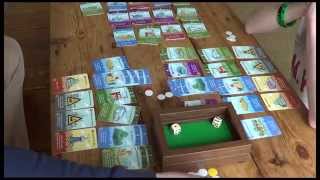
At its heart, Machi Koro revolves around rolling dice and activating buildings that match the result. Each turn, players roll one or two dice (after building the train station landmark) and collect coins from any buildings triggered by that number. The card colors determine when abilities activate: green cards activate only on your turn, blue cards work on anyone's turn, red cards let you steal coins from the active player, and powerful purple cards trigger only on your turn but offer significant rewards. This elegant system ensures every roll feels consequential and creates natural player interaction.
City Building and Engine Development
Players start with modest wheat fields and bakeries but gradually purchase buildings that synergize with their dice rolls. The game rewards specialization, stacking multiple of the same building types so a single dice roll can generate substantial income. This engine-building layer transforms the random elements of dice rolling into something strategic. Reviewers praise how players can build toward different viable strategies, whether focusing on wheat production, restaurants, factories, or mines, allowing for both specialized and diversified approaches.
The Machi Koro Experience
Accessible Yet Engaging Gameplay
The game plays in roughly 30 minutes and teaches quickly, making it an excellent gateway game for families and new players. Despite its simplicity, experienced gamers find enough strategic depth to keep multiple plays interesting. The second edition streamlined the start by allowing players to purchase starter cards and roll two dice immediately, speeding up the early game and reducing the snowball effect of early leaders. Reviewers consistently note that this balance between accessibility and substance is what makes Machi Koro special.
The Satisfying Rush of Combos
There's genuine joy in watching your city engine fire on all cylinders. When you've built a collection of complementary establishments, perhaps combining vineyards, wineries, and apple orchards, a single well-timed roll can shower you with coins. This moment of payoff is deeply satisfying. Reviewers and players describe the pleasure of seeing their careful planning materialize into real game-winning momentum, though they also note the frustration when the dice refuse to cooperate with your strategy.
What Makes Machi Koro Stand Out
Elegant Mechanics with Beautiful Production
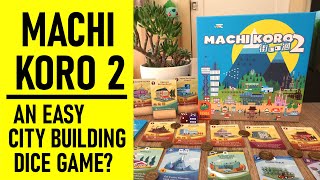
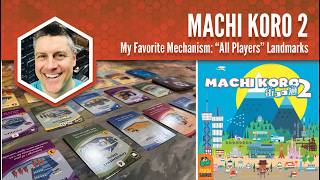
The artwork and design of Machi Koro, particularly in the deluxe editions, receive universal acclaim. The cards feature charming, thematic illustrations that immediately convey their purpose. Component quality enhances the experience whether players are holding chunky coins or rolling dice. The game's straightforward rules mask clever design choices, like how landmark abilities vary significantly to provide different paths to victory. Each landmark offers unique effects, some penalize hoarding coins, others reward specific building types, creating meaningful decision points beyond simply having money.
Interactive Take-That Elements
Machi Koro incorporates light player-versus-player interaction through red and purple establishments that let players take coins from opponents. Unlike heavier take-that games, this interaction feels balanced and thematic rather than spiteful. Reviewers appreciate how stealing coins creates meaningful moments of drama without overwhelming the experience. The dynamic of watching opponents accumulate resources and trying to disrupt their plans adds a social element that keeps all players engaged throughout the game.
Potential Drawbacks
Luck as a Dominant Factor
The primary criticism centers on the dice. Machi Koro can feel like a game where you are "at the mercy of the dice," and unlucky streaks where your built-up establishments don't roll can leave you frustrated. Skilled players can mitigate this by building diversified card portfolios that trigger on multiple numbers, but the inherent randomness means that superior strategy cannot always overcome bad rolls. Reviewers note this makes Machi Koro less appealing to players who dislike luck-heavy games or who prefer pure strategy.
Limited Strategic Depth for Hardcore Gamers
While the game engages casual players and families beautifully, experienced board gamers sometimes find it lacks the complexity they crave. Once players discover strong strategies that mitigate dice luck, the game can feel solved, reducing replayability. The second edition addressed some early-game balance concerns, but reviewers emphasize that Machi Koro will always be a light game. Comparison games like Suburbia offer deeper economic simulations, while Between Two Cities provides a cooperative city-building experience for those seeking different design approaches.
If You Enjoy Machi Koro
Fans of Machi Koro should explore Space Base, which shares the dice-driven activation system but with more elaborate cards and player powers. Happy City offers a similar city-building theme but removes the dice luck with a different decision framework. For those who love engine building without heavy luck, Settlers of Catan provides resource generation via dice with more planning depth. Between Two Cities delivers city-building cooperation, while Suburbia satisfies players seeking more economic complexity and player interaction in a city-construction game. If the gorgeous art style appeals to you, consider games from Libellud like Seasons, which features stunning components and satisfying tactical play.
What Reviewers Are Saying
"It's a quick game and it's way quicker than the first one. Machi Koro two plays quicker and the stealing cards aren't as bad as in the original."
— Meeple University
"The single best thing about the game is that it's really inoffensive and good for almost any crowd. It's easier to pick up and play, and while it requires a lot of dice rolls, there are some engine building elements and card interactions that can hold the interest of serious gamers."
— Watch Review
"It's a really light game, it plays fast, and it's been pretty popular with us. The artwork and design are absolutely charming, and the theme speaks for itself through the buildings and resources."
— Board Game Replay