



Neuroscape TCG Deep Dive
What the Community Thinks About Neuroscape TCG
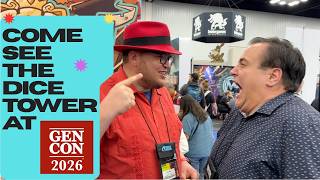
Neuroscape TCG is a 2024 trading card game from Perception Squared that pits characters, cyberware and programs against one another in a digital realm. Early reactions center on play. After a match at the convention, Tim Chuon was yelling at Josh over the result, yet Chuon still called the game a good time. The Dice Tower reached a similar verdict after playing it on the show floor and working out the rules, saying it did pretty well.
Interest extends to the demo circuit and to collectors. The Dice Tower's Gen Con 2026 schedule lists Z Garcia demoing Neuroscape at noon on Thursday at the Asmodee booth, number 817. Rob's Tabletop World placed a Neuroscape booster box into a fundraising auction lot and called the game hot and expensive, so the conversation there is as much about what the cards will fetch as about how they play.
Core Mechanics That Define Neuroscape TCG
Persistent Programs and Synergy Building
Programs are the card type that stays on the table. Tom Vasel explains that any program or character a player has in play persists, and that persistent programs work much like enchantments. Synergies are how a player builds them up. According to Vasel, synergies let a player meet the requirements a program asks for, and they scale for certain characters and abilities, so the same program can grow stronger when the right pieces are already out. Skin Smasher shows the idea in a single card: Vasel reads its text as "enhance a program" and says it lets a player mess with the top of the deck. Vasel sums up the resulting tension as a nice push and pull, since every addition to the board has to be weighed against the commitments already in play.
Force Quit and the Refreshed Return
Characters can be destroyed and placed in the bin, which is the ordinary cost of losing a fight. Force quit is the exception Vasel points to. A player can destroy their own characters, and when a character is force quit it does not come back running. Instead it comes back refreshed. Vasel frames the difference as a choice between two return states, and that is what changes on the table. A character sent to the bin is not automatically finished for the rest of the game, so losing a character can be a setback rather than the permanent loss it would be under a rule that only allowed a plain return.
The Neuroscape TCG Experience
Pack Opening as Discovery
Vasel opened a booster from the Kickstarter Genesis set and had to tear it open by hand, doing it the old school way. Each reveal drew a reaction. Hackathon came first, then Fishing, which Vasel read as Swift and an instant binary blast. The Fool followed, a tarot-style card from the major arcana that Vasel said is part of the mystic theme. The pack also turned up Judgement, another tarot card, along with a side winder and a dust run card that Vasel identified as a main frame card, and then the rare Super Symmetry, so characters, programs and rarities all arrive in a single sitting. Vasel's praise, "I love the details on there," suggests the setting rewards close reading card by card.
Friendly Head-to-Head Rivalry
Tim Chuon's account of the convention day presents Neuroscape TCG as a social duel. Chuon was yelling at Josh after losing, and the mood is playful rather than bitter. Chuon blamed the loss on the draw, since the two strongest characters never reached hand, but still remembered the match as a good time. The game works best as a rivalry between friends, where a bad opening hand becomes a running joke rather than a grudge.
What Makes Neuroscape TCG Stand Out
Card Art and Flavor
The Dice Tower's praise centers on how the cards look and read in hand. Vasel singled out the major arcana cards, tying them to the game's mystic theme, and calling the White Knight artwork awesome. Vasel also noticed that a white knight and a red knight connect across cards, a link that gives players a detail to build around. Those touches make the cards feel like artifacts from the digital realm rather than generic stat blocks.
Build-Around Rares
Rare cards are framed as deck anchors. Super Symmetry swaps every character's base attack value with its base defense value, a rule-changing effect that alters how every character fights. Vasel's reaction was that a single card like this lets a player build a whole deck around it. Deck construction becomes a matter of finding the cards that support the rare's rule, and each rare gets a clear identity as a result.
Potential Drawbacks
Draw Variance
Tim Chuon attributes the loss to not drawing the two main strong characters, and that remark points to a real tension. A strong opening hand can settle a match before tactical choices have much room to matter. Chuon still called the match fun, so the variance reads as something players can laugh about, but players who dislike luck-driven starts will want to plan around it.
Scarcity and Cost of Entry
Rob's Tabletop World described Neuroscape as hot and expensive, with a low print run that makes the cards worth cash. Rob's auction lot paired a booster box with other games and was pitched as worth big money. For collectors that resale value is an attraction. For a newcomer who wants to build a deck, the cards are priced as collectibles before they are ever played, and the market can be harder to enter than the rules suggest.
If You Enjoy Neuroscape TCG
If the head-to-head duel is the draw, Neuroscape TCG rewards the same things that make a rival match memorable. Chuon's story about losing to Josh over the draw captures the core tension: the cards in hand decide how a duel starts and which plays are available. Players who enjoy building around one defining piece, such as the Super Symmetry rare, will find the same satisfaction in any trading card game where a single card can shape a whole deck. If the collector side appeals more, Rob's auction is a reminder that a low print run and a strong resale market are part of the experience for many players. Fans of mystic art and card-by-card discovery will find the same appeal in Vasel's pack opening.
What Reviewers Are Saying
"And here's the rare. Super symmetry. All characters base attack values are swapped with their base defense values. I love that you can super build a deck around that."
— The Dice Tower
"Hey, to be fair, I didn't draw my two main strong OP characters. But, it was a lot of fun. Enjoyed it."
— Tim Chuon
"Don't forget that Neuroscape game. That thing that that game is hot and expensive and, uh, good luck because it's a low print run, so the cards are worth cash, but we need the cash."
— Rob's Tabletop World