


Star Wars: Epic Duels Deep Dive
What the Community Thinks About Star Wars: Epic Duels
Star Wars: Epic Duels is a light combat card game first published in 2002 by Hasbro and Avalon Hill, in which each player controls a pair of iconic Star Wars characters. The reviewers in this overview treat it less as a current table staple than as a game with a notable history. Tom Vasel of The Dice Tower, revisiting games reviewed years ago, says Epic Duels came out a long time ago and calls it a silly game that still holds up as fun. Vasel's segment is short, but it places Epic Duels at the root of a newer title.
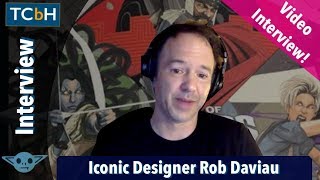
On The Cardboard Herald, Rob Daviau discusses the game from the inside, as a designer who worked on the original with Craig Van Ness and later took part in restoring it under a new name. That interview is the most detailed discussion of the game in this set, and it is candid about where the original fell short. In the ranking video from The Dice Tower, the speakers use Epic Duels mainly as a point of comparison for Unmatched before moving on to other titles.
Core Mechanics That Define Star Wars: Epic Duels
Asymmetric Character Decks
Combat in Epic Duels is resolved through the cards players hold and play. Each character brings its own deck of combat, movement, and special-ability cards, so managing a hand means managing the specific character you are fighting with. Daviau described the original as "an asymmetric deck of cards," and that design ties each character's cards to that character's survival. Daviau raised the sidekick problem directly: what a player should do with the Chewbacca cards once Chewbacca is gone while the player is still in the game.
Duels on a Grid With Ranged Attacks
Characters move around a board to reach one another, and Daviau's account shows how much the original's positioning mattered. Daviau described the original board as a checkerboard grid, and the restoration team tried to have ranged attackers move more like a queen in chess. Daviau said "I don't want to count," and did not want to measure partial hexes, miss full hexes, or measure the corners of walls to settle line of sight.
The Star Wars: Epic Duels Experience
Silly, Lighthearted Fun
Tom Vasel's reaction to the game is affectionate rather than reverent. Calling it "this silly game" that still gets enjoyed points to a pleasure rooted in the Star Wars theme and in playful matchups rather than in heavy strategy. The ranking segment carries the same tone, with a quick exchange about the Emperor fighting Hanzo while Han is given a chance.
An Approachable Skirmish for Newcomers
Daviau frames the restoration around approachability. Daviau described wanting an introductory-level skirmish game where players would not forget the rules, and weighed which ideas from the original to keep and which to let go for a modern market. The aim, as described in the interview, is a duel that players can learn without losing track of the rules.
What Makes Star Wars: Epic Duels Stand Out
A Lineage That Led to Unmatched
Epic Duels is identified as the foundation for Unmatched. Tom Vasel calls it the basis that Unmatched was built on, and the ranking video makes the same connection by discussing the two games together. Daviau's interview explains the path from the 2002 original to a modern version that was rebranded for 2019 play.
A Designer Willing to Rethink the Original
Daviau did not simply polish a past project. Daviau stepped back from parts of the restoration and asked collaborators for new directions instead of incremental fixes, saying "I wanted radical new ideas" rather than small tweaks. That willingness to rethink the design, along with open admissions about the original's weak points, is what sets the interview apart from a typical retrospective.
Potential Drawbacks
Asymmetric Decks Leave Players Stranded After a Character Falls
Daviau's main critique of the original is that the asymmetric deck design did not handle a defeated character well. Daviau said "I don't think we did a good job in the original," pointing to sidekick cards that are left without the character they support. Daviau also described the original as a six-week opportunistic tie-in to Attack of the Clones.
Measuring and Line of Sight Add Friction
The restoration work shows where the original asked too much of players. Daviau did not want line of sight to require measuring partial hexes or the corners of walls, and wanted a skirmish game where players would not forget rules. Dropping those checks was part of the restoration's effort to keep the game approachable.
If You Enjoy Star Wars: Epic Duels
The transcripts most directly point to the following:
- Unmatched: Tom Vasel calls Epic Duels the basis that Unmatched was built on, and the Cardboard Herald interview covers the restoration that turned the original system into a modern game. Fans who enjoy the character duels in Epic Duels will find Unmatched a natural next step, especially if they value the more approachable rules Daviau described pursuing.
What Reviewers Are Saying
"Star Wars Epic Duels was designed to be a six-week opportunistic game that came out as a tie-in to Attack of the Clones for eight-year-olds. That sounds reductive but accurate now."
— The Cardboard Herald
"Star Wars: Epic Duels came out a long time ago. This is the basis that Unmatched was on, but I did a review of it. I enjoy this silly game."
— The Dice Tower
"Star Wars Epic Duels lets the Emperor fight Hanzo and Han has a chance."
— The Dice Tower