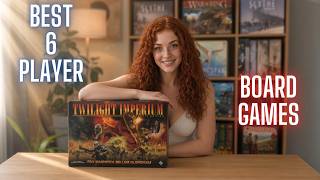
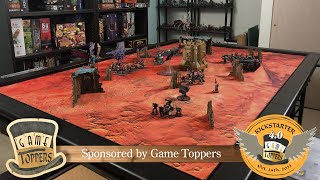
Twilight Imperium (Fourth Edition) is a game of galactic conquest in which three to six players each take on the role of one of seventeen factions vying for galactic domination through military might, political maneuvering, and economic bargaining. Every faction offers a completely different play experience, from the wormhole-hopping Ghosts of Creuss to the Emirates of Hacan, masters of trade and economics. These seventeen races are offered many paths to victory, but only one may sit upon the throne of Mecatol Rex as the new masters of the galaxy.
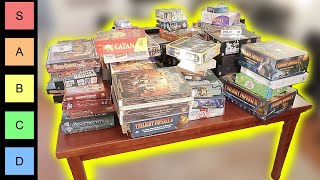
No two games of Twilight Imperium are ever identical. At the start of each galactic age, the game board is uniquely and strategically constructed from among 51 galaxy tiles that feature everything from lush new planets and supernovas to asteroid fields and gravity rifts. Players are dealt a hand of these tiles and take turns creating the galaxy around Mecatol Rex, the capital planet seated in the center of the board. An ion storm may block your race from progressing through the galaxy while a fortuitously placed gravity rift may protect you from your closest foes. The galaxy is yours to both craft and dominate.
A round of Twilight Imperium begins with players selecting one of eight strategy cards that both determine player order and give their owner a unique strategic action for that round. These may do anything from providing additional command tokens to allowing a player to control trade throughout the galaxy. After these strategies are selected, players take turns moving their fleets from system to system, claiming new planets for their empires, and engaging in warfare and trade with other factions. At the end of a turn, players gather in a grand council to pass new laws and agendas, shaking up the game in unpredictable ways.
After every player has passed their turn, players move up the victory track by checking to see whether they have completed any objectives throughout the turn and scoring them. Objectives are determined by setting up ten public objective cards at the start of each game, then gradually revealing them over the course of the game. Each player also chooses between two random secret objectives at the start of the game, achievement of which provides victory points--only for the holder of that objective. These objectives can be anything from researching new technologies to taking your neighbor's home system. At the end of every turn, a player can claim one public objective and one secret objective. As play continues, more of these objectives are revealed and more secret objectives are dealt out, giving players dynamically changing goals throughout the game. Play continues until a player reaches ten victory points.
—description from the publisher
The Competitor | Board Gamer Stereotypes
- Many races with unique abilities
- Creates different synergies
- Balanced player powers lead to smooth gameplay
- Compelling stories emerge from gameplay
- Long playtime (8-12 hours)
- Space
Mechanics (from transcript analysis)
- Asymmetric gameplay — Races have different economic, combat, or political aptitudes.
- Tech Tree — Technologies interact with special abilities.
- Variable player powers — 25 different races, each with different special abilities, cards, and technologies.
Video topics + discussion points
Quotes (from this video)
- But today, we're going to be talking about another top 10 list.
- So, what do we mean by variable player powers? Well, I'll tell you what we mean by variable player powers. It means that each player is going to have a different ability, right?
- It's a tragedy that Forbidden Stars is out of print and it looks like it's never going to be making a comeback in its current form.
- Rising Sun is one of the best produced games we have ever played yet.
- This is a hidden traitor game.
- Blood on the Clocktower presents itself as something a little bit different to the norm, even though it isn't.
- The fact is, there's so many of these people that once again, it provides you with infinite replayability.
- And it's just wonderful playing this game for like 8 to 12 hours waiting for the variations in races to do their thing and make a compelling story for you to tell for years to come.
- Station 4 is a masterpiece of design.
- The fact that you can use other people's characters and in effect they use other people's special abilities means that this turns the variable player powers mechanism on its head and kind of pisses in its own mouth.
- All of the player abilities are absolutely [ __ ] awesome.
- There are an astonishing 238 alien. Sorry, sorry, sorry people. Sorry to offend anyone. Sentient abilities available for this game.
- Cosmic Encounter, probably one of the most popular games ever made.
- In terms of everything we've spoken about in the games we just listed, Cosmic Encounter delivers everything that they've got, but bucket loads more.
References (from this video)
- Earned its space by being played once a year
- Worth every penny spent if played only once a year
- One of the best experiences had playing a game
- Massive game
- Requires a lot of time to teach
- Too big, a lot too much
- Does not get to the table on its own
- Every time played, it's with a new group, often purchased and given away afterwards
- Epic space opera
Mechanics (from transcript analysis)
- Massive scale — Described as a 'massive game' that requires significant time commitment.
Video topics + discussion points
Quotes (from this video)
- The best value games in my collection.
- Value can be determined in a number of ways, right? Fun and experience is part of the value.
- Value is not only experience though. It also has to be contrasted with time spent, how many plays, the general price point, how often has that divided.
- It adds a little bit of judgment to the pile.
- The respectable but still unplayed Shelf of Shame also probably shouldn't be brought with you.
- It's usually their walkthrough into the board game space. It's usually their entry gate into the hobby.
- This is a massive game requires a lot of time to teach. Twilight Imperium is one of those epic play once a year and it has earned its space.
- Cockroach poker is a lovely little lying, bluffing, and betrayal game where there's only one loser.
- I've probably got a better value for my dollar on this game than any other game in this collection just by sheer number of plays. Probably like a penny a play at this point.
- Finsspan is here. It is fun. It is teachable. It plays so rapidly. and so fast.
- Root is one of those legacy games, one of those games that defines a game group, has defined a long history of this channel, and has certainly defined my collection.
- Terraforming Mars, Aries Expedition, one of the best value games in my collection by far.
- Age of Steam is the cudigra. is the best in that category.
- Crokinol is the Superman of the board game world.
- If you're making a list video and you're titling it top 10, you got to include 14. We all know that's the way this works.
References (from this video)
- Folded Space inserts were great to use.
Mechanics (from transcript analysis)
Video topics + discussion points
Quotes (from this video)
- I love this folded space insert for Clank Catacombs. It is fantastic.
- I love all my folded space inserts. They're all freaking awesome.
References (from this video)
- Replayability due to many factions and variables
- Deep negotiation and political elements
- Engaging strategy cards with secondary actions
- Satisfying technology tree with multiple paths
- Chaotic and epic experience
- Expansions enhance the base game without breaking it
- Streamlined gameplay compared to older versions
- Long playtime (though streamlined in 4th edition)
- Combat can be too luck-dependent (dice rolls)
- Table and card hog
- Turn order can be confusing for new players
- Missed opportunities for secondary actions due to complexity
- Combat can feel repetitive (e.g., infantry hitting a 9)
- Expansion setup can be daunting
- space exploration and galactic conquest
- Eclipse
- Zia
- Rising Sun
- Blood Rage
- Last Light
- Katon
- Voidfall
- Hegemony
- Kingdoms of Floron
- Scythe
- Star Wars Unlimited
Mechanics (from transcript analysis)
- 4X — It's like probably the the top of 4X in the genre. It's like that it made it truly 4X. Before it was not technically 4X cuz there was no exploration.
- Area Control — You play area control games, right?
- Deck building — you had a large a large deck of action cards that just never got used.
- Dice Rolling (combat) — the combat. It is literally just rolling d10s... it's not like there's a ton of ways to modify it, but there's still a little bit.
- negotiation — as heavy negotiation as this one can have... this game has a lot of that. uh like almost bluffing
- Politics/Lawmaking — the politics. Like no other game has ever that I could think of has ever actually implemented laws and and agendas and things that get voted on by players
- Technology tree — the technology trees. um, I think the choices you get so many choices and there's so many different avenues you can go down
- Variable player powers — all 30 factions now, something like that. I think... every faction has their own unique ability.
Video topics + discussion points
Quotes (from this video)
- It's one of the more epic experiences you can have in board gaming.
- This game, you could play it so many times and always feel different.
- The politics. Like no other game has ever that I could think of has ever actually implemented laws and and agendas and things that get voted on by players.
- This game is such a table hog and yet that and you want the tiles to be bigger or you want ways to not muddy up a section.
References (from this video)
- Undisputed king of interaction
- Marathon negotiation is exciting
- Satisfying military conflict and cold wars
- Players have power over their races and the galaxy
- Notorious length
- Requires close attention to every turn
- System isn't perfect
- epic struggle for galactic dominance between alien civilizations
- galactic
- Puerto Rico
Mechanics (from transcript analysis)
- diplomacy — Players engage in diplomacy and negotiation.
- Fleet Combat — Players compete through fleet combat.
- Strategy card drafting — Players draft strategy cards with primary and secondary abilities.
- technological advancement — Players advance technologically.
- trade — Players engage in trade for various resources and agreements.
Video topics + discussion points
Quotes (from this video)
- Nemesis Retaliation is a brilliant game providing one hell of a unique interaction and experience.
- Brass's duality of interaction even extends into the route building portion of the game.
- Dominant Species, like life, found a way.
- Every faction creates this awesome dance at the table.
- This isn't your typical worker placement game. This is an economic brawl, and to have fun, you need to get a little dirty.
- Black Rose Wars does its best to recapture the days you played Quake against your buddies over the modem on your family computer, and I think it does a great job.
- Food Chain Magnate's interaction is relentless and just so damn fun.
- Keyflower is a game that has easily stood the test of time, and is not only one of the most interactive euro games out there, it is honestly one of the best board games ever made.
- The entire game of Pax Pamir rests on the idea that your fate is intrinsically tied to everyone else at the table. The second you stop paying attention to other players, you've lost.
- When it comes to interaction, Twilight Imperium is the undisputed king and I'm I'm not really sure it'll ever be dethroned.
References (from this video)
- Array
Mechanics (from transcript analysis)
Video topics + discussion points
Quotes (from this video)
- This is my Lucy Goosey ranking.
- This video is sponsored by Goblins Hate Christmas, a small indie game that wants to bring a smile to your face this Christmas.
- This is mostly unscripted.
- This is extremely hard to do at a glance of that year.
- Okay. So, that's it for the video. Yep. See you guys soon.
- Oh, I know I'm going to get some comments about what I missed, but that's just how it is.
References (from this video)
- Array
- Space opera
- Epic/alliances-driven
- John Company
- Dune Imperium
Mechanics (from transcript analysis)
Video topics + discussion points
Quotes (from this video)
- this video is brought to you by ascension
- BGG weight number is a community rating where literally anyone can vote between a 1 through five on how complex or heavy they think the game is
- the more I looked into this community rating system the more I didn't like it
References (from this video)
- Landsraad variant increases voting agency and frequency of vote opportunities
- More agendas and minister options increase strategic depth
- Mecatol Rex becomes more central and important
- Ministers allow broad participation in politics and voting influence
- Adds complexity and can lengthen the agenda phase
- Riders can complicate voting dynamics
- Rapid Mobilization did not shorten the overall game time and may slow play in practice
- More complex voting can require note-taking or aids to track interactions
- Hidden Agenda
- Thunder's Edge
- Deep Rock Scholarit
Mechanics (from transcript analysis)
- agenda phase — vote on agendas near the end of every round; agendas can impact game state and scoring
- Landsraad variant – Lord of Rex — proxy agenda card called Lord of Rex; affects voting and end-of-round minister interactions
- Mecatol Rex — central strategic location whose control and presence affects gameplay mechanics and victory dynamics
- Minister cards — ministers are drawn from the agenda deck and can be refreshed; limit of minister actions per phase
- Politics/secret voting — voting can be silent and simultaneous; votes are recorded on paper in some variants
- Rapid Mobilization variant — variant that changes setup allowing start with more units and a different map/fracture; intended to speed play
- Riders — mechanic allowing a player to influence voting by committing to not voting on certain agendas
- Three agendas per round — minimum number of agendas available for voting each round; increases voting complexity
- Variable Phase Order — vote on agendas near the end of every round; agendas can impact game state and scoring
- Voting — voting can be silent and simultaneous; votes are recorded on paper in some variants
Video topics + discussion points
Quotes (from this video)
- The agenda phase is just way better overall.
- What a time to be a TI 4 fan.
References (from this video)
- Epic scale and depth creating a memorable space opera experience
- Rich strategic options and long-term planning
- Long playtime and heavy setup
- Steep learning curve for new players
- Wide-scale empire diplomacy, conquest, politics
- Galactic civilization, space opera
- Epic, emergent through player actions
- Dune: Imperium
- Star Wars: Rebellion
Mechanics (from transcript analysis)
- area control / area majority — Players compete for control across a galaxy of systems.
- area majority — Players compete for control across a galaxy of systems.
- Asymmetric fleets and tech trees — Factions have unique abilities and tech choices that shape strategy.
- Asymmetric Mechanics — Factions have unique abilities and tech choices that shape strategy.
- Diplomacy and gearing up for alliances — Players negotiate truces, alliances, and betrayals; alliances shift the balance.
- negotiation — Players negotiate truces, alliances, and betrayals; alliances shift the balance.
Video topics + discussion points
Quotes (from this video)
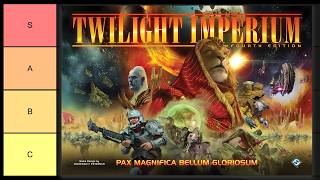
- TI4 is an easy S tier.
- This game is beautiful; it's amazing.
- Throw Throw Burrito... unbelievably fun.
- Gloomhaven is unbelievably engaging and replayable.
- Pandemic is a great co-op game but multiplayer fatigue can appear.
References (from this video)
- Array
- Space opera
Mechanics (from transcript analysis)
Video topics + discussion points
Quotes (from this video)
- wow this island settlers game was actually pretty cool
- you've played katan a little too many times
- board games are forever
References (from this video)
Mechanics (from transcript analysis)
Video topics + discussion points
Quotes (from this video)
- well Jamie I really try to be a friendly gamer at the table I'm happy to teach the game I'm happy to answer any questions that might come up even the same question multiple times from the same person um and I don't even mind if someone interrupts my turn because they want to take back their move because they realized I did something silly but the slow player I do struggle with this one
- I think on some level it shows that you're invested in the game playay right you care about the outcomes
- there's that gamer who whenever it's their turn it's almost as if they just woke up and they're like what what's going on here what cards do I have in my hand again um what did you do on your turn what's the score you know uh they just it's like they're restarting the game every time
- when you sit down to play a game with people there's this Unwritten unspoken social contract
- I find this very hard to deal with personally because U I'd much rather deal with the obnoxious player because I'm happy to confront them at the table and put them down but the person who's slow playing I feel bad because probably they're struggling with what to do
- just a little friendly public shaming uh can help sometimes move that along
References (from this video)
- Terran Space
Mechanics (from transcript analysis)
Video topics + discussion points
Quotes (from this video)
- it's got a different feel from normal normal meetups or board game events because
- we're open to everyone it's not excluding men but now women's focus
- the highlight is from the Potter
- it's girls Meetup
- it's one of the melbourne meeples events
References (from this video)
- Epitomizes grand strategy in a board game form
- huge scale and player engagement
- Eight-hour commitment; fatigue can skew enjoyment
- missed elements can slow progress
- epic galactic empire management
- grand space opera with diplomacy and warfare
- long-form, multi-faction campaigns
Mechanics (from transcript analysis)
- asymmetric player powers — each faction has unique abilities affecting strategy.
- Asymmetric powers — each faction has unique abilities affecting strategy.
- epic negotiation/coalition-building — players negotiate, form alliances, and compete for influence.
- negotiation — players negotiate, form alliances, and compete for influence.
Video topics + discussion points
Quotes (from this video)
- It's not engagement. It's everyone doing their own puzzle in the same room.
- Gorgeous production quality, but multiple simultaneous subsystems that can feel complex initially for new players.
- Turn order determines a lot in this game's economy.
- One wrong move with how the link network system works, and you've completely invalidated your entire strategy.
- The clue giver walks a razor line between clever and intuitive that new players haven't calibrated.
- Eight-hour day commitment, full group attendance, full mental energy required throughout.
References (from this video)
- Array
- Science Fiction
- Epic, sprawling space conquest
Mechanics (from transcript analysis)
Video topics + discussion points
Quotes (from this video)
- board games are a hobby very dedicated people to it and my god it is wondrous
- it's a hobby
- I could do this myself and I realized that there's a lot of other games besides just this
- we're really glad we gone to YouTube as soon as we could
- there's a bigger audience so there's more to watch
- there's so many of them
- it's a start of something crazy there's more to come for board games
- I would not have gotten into board games if it wasn't for YouTube
- the board games space because now board games are newer the more aesthetically pleasing they're more balanced
- I remember that there were three different clubs at UC San Diego consistently playing board games
References (from this video)
- epic scale, multiple factions, and strategic depth
- engaging diplomacy and alliance play
- rich table presence and aesthetics
- long play time
- complex setup and rule overhead
- Array
- Science fiction empire
- galactic diplomacy and conquest with rich mutliplicity
Mechanics (from transcript analysis)
- Area Control — players move fleets and control sectors of space
- Diplomacy / negotiation — players form and break alliances, trade, and bargain
- Multiple win conditions / long game arc — various paths to victory create tension and late-game decisions
- negotiation — players form and break alliances, trade, and bargain
- Tech trees — tech advancements drive player advantage
- Technology / Tech Tree — tech advancements drive player advantage
Video topics + discussion points
Quotes (from this video)
- Chaos just has this fun balancing act of each demon trying to do what's right for them but also keeping an eye on the other demons to make sure they don't get too strong in what they want to do
- the human skin board just gets increasingly tighter
- the score at the end of the game is the number of points in your weakest category
- this is such a cool game and look at this box art
References (from this video)
- high component weight and well-made buttons
- dynamic art and custom faction artwork
- great variety and replay value with many scenarios
- scenery-friendly minis for painting
- extra unused contents feel wasteful
- false advertising claiming 4X status when there is limited exploration or conquest
- no clear exploration/extermination/exploitation mechanics and combat scoring
- galactic conquest, diplomacy, and alliance-building
- A galaxy-spanning space empire conflict with faction asymmetry
- informal critique with banter, emphasis on replayability and components
Mechanics (from transcript analysis)
- Area Control — Players expand influence by controlling planets and space battles
- area control / conquest — Players expand influence by controlling planets and space battles
- asymmetric factions — Each faction has unique abilities and playstyle
- command economy / action economy — Limited actions per turn with a resource/tawn system
- Compound Scoring — Points gained through completing public and secret objectives
- diplomacy and alliance dynamics — Negotiation and political action affect outcomes
- Objective-based scoring — Points gained through completing public and secret objectives
- tech tree / strategy development — Advancement through technology and strategic cards
- Tech trees — Advancement through technology and strategic cards
Video topics + discussion points
Quotes (from this video)
- it's got a nice weight to it
- this game calls itself a 4X but it really isn't
- it's just a [ __ ] calculator
- I've never experienced this much death of gameplay in my board gaming career and probably never will
- this game is a masterpiece
References (from this video)
- Aims to provide a comprehensive, accessible approach to game reviews
- Emphasizes critical thinking and clear communication
- chaotic delivery and emphasis on view counts
- apparent focus on content tricks over content depth
- Array
- Space opera in a distant future
- Epic, grand-scale strategy with political intrigue
Mechanics (from transcript analysis)
- Area Control — Players vie for control of planets and star systems to gain influence and resources
Video topics + discussion points
Quotes (from this video)
- Twilight Imperium 4 it's such a good
- let the scene speak for itself do not rush it
- if you care too much about the numbers you've already lost
- Ashton Wu and this is my fake online class
- you're nothing without me you won't make it
- it's about the view count
- i have some ideas for reviews I never made so let's have a look
- slow down you have to be careful about this you cannot waste time
- I like stupid stuff the robok has ideas
References (from this video)
- Epic scale and diplomacy potential
- Not explicitly evaluated in depth in this segment; used as a backdrop
- Array
- Space empire
- Epic space opera with diplomacy and warfare
- Cosmic Encounter
- Coup
- Gloomhaven
Mechanics (from transcript analysis)
Video topics + discussion points
Quotes (from this video)
- now this is youtubing i just uh really like to have games with high conflict and a lot of interaction for players
- this game was not that fun but everyone seems to like it
- hello everybody welcome to my board game unboxing channel
- coo a bluffing game set in a dystopian universe
- what if we uh we filmed ourselves playing groomhaven for uh for content
- ti4 as a backdrop
References (from this video)
- Epic scope and player interaction
- Dynamic diplomacy and alliances
- Deep strategic decisions and emergent gameplay
- Very long play sessions and high time commitment
- Steep learning curve and rule complexity
- Rule ambiguities can arise in late-game scenarios
- Array
- Space opera galaxy-spanning empire
- Emergent epic with diplomatic negotiation and conflict
- Twilight Imperium Third Edition
- Catan
Mechanics (from transcript analysis)
- Area Control — Players expand influence by occupying planets and strategic systems.
- Combat / War — Fleets engage in space battles with special abilities and damage resolution.
- negotiation — Players negotiate truces, trade deals, and alliances to progress.
- negotiation / diplomacy — Players negotiate truces, trade deals, and alliances to progress.
- Resource management — Trade goods and influence resources used to upgrade and score.
- Resource Management / Trade Goods — Trade goods and influence resources used to upgrade and score.
- Tech trees — Players research new tech to unlock abilities and improve ships.
- Technology / Tech Tree — Players research new tech to unlock abilities and improve ships.
Video topics + discussion points
Quotes (from this video)
- This is Twilight Imperium.
- This looks really complicated.
- I hate TI4. I love TI4. I hate TI4. I love TI4.
- The crisis is here as follows. When it gets to the evil scheming Jolnar, if he takes the imperial strategy card number eight, he will on his turn crunch it, get the point, and win.
- I win.
- Space cats pets turtles didn't say what to do when the game gets this late.
References (from this video)
- Epic scope for experienced gamers
- Rich thematic immersion and replayability
- Very long playtime
- Complex rules can be daunting for new players
- Epic space opera; diplomacy, warfare, and grand strategy
- Galaxy-spanning sci-fi empire with factions vying for dominance
- epic, strategic
Mechanics (from transcript analysis)
- asymmetric faction powers — different factions have unique abilities and goals
- asymmetric player powers — different factions have unique abilities and goals
- combat with fleets — battles are resolved through combat mechanics and dice
- diplomacy and negotiation — alliances and deals influence outcomes
- long-form play — game length can span many hours with multiple turns
- negotiation — alliances and deals influence outcomes
- Tech Tree — technological advancements unlock future capabilities
- Tech trees — technological advancements unlock future capabilities
Video topics + discussion points
Quotes (from this video)
- War as hell
- back in my day games had actual strategy
- how long does it take to play?
- six hours
- I know a lot of good men that were there that day
- June 6 1944
- I win the game
References (from this video)
- Epic scale and depth that rewards long-term planning
- High player interaction and negotiation flavor
- Rich theme and customizable galaxy setup
- Very long setup and play time
- Steep learning curve and rules awareness
- Can lead to heated disagreements if not all players stay friendly
- Political intrigue, empire-building, warfare and alliance dynamics
- Space opera with galactic civilization, diplomacy, and conquest across a modular galaxy
- Emergent, player-driven, with shifting alliances and long-tail progression
- Pandemic
- Tigers & Euphrates
Mechanics (from transcript analysis)
- Area Control — Players vie for planetary systems and star systems to gain influence and victory points.
- asymmetric factions — Each faction has unique abilities and bonuses shaping strategy and alliance possibilities.
- negotiation — Players bargain, form temporary coalitions, and betray to gain advantage.
- Negotiation and alliances — Players bargain, form temporary coalitions, and betray to gain advantage.
- Public and secret objectives — Scoring is driven by public goals plus personal/secret objectives that guide play.
- Tech trees — A tech tree provides upgrades that alter military and strategic options.
- Technology and development — A tech tree provides upgrades that alter military and strategic options.
Video topics + discussion points
Quotes (from this video)
- i love this game
- Winning is fun
- it's not about how much fun you have it's about how quickly and efficiently we can win
- Losing is the best way to learn
- I won this game. I finally did it.
- ti4 session
References (from this video)
- Excessive dice rolling increases randomness
- High time commitment
- Array
- Science Fiction
- Epic, sprawling
Mechanics (from transcript analysis)
- Dice rolling — Battles and space engagements are resolved using dice; high randomness affects outcomes.
Video topics + discussion points
Quotes (from this video)
- king of tokyo you pick that
- ti4 has too much dice rolling
- we're playing betrayal tonight you better not betray me
- hey come over here we're playing scythe
- oh yes we are playing this game
- you know what they say my house my rules
References (from this video)
- Immersive sci-fi epic with deep strategic depth
- High replayability and social dynamics
- Complex rule set and long play sessions
- Array
- galactic empire / space opera
- Epic, diplomacy and negotiation-driven
- Battlestar Galactica: The Board Game
Mechanics (from transcript analysis)
- Diplomacy / negotiation — Players negotiate alliances and trade to advance their agendas.
- Large-scale empire building — Players expand influence across a sprawling galaxy with multiple paths to victory.
- negotiation — Players negotiate alliances and trade to advance their agendas.
Video topics + discussion points
Quotes (from this video)
- board games are cooler than you think
- BSG is the best game ever
- it's all part of the process
References (from this video)
- Array
- Science fiction
- Epic galactic-scale diplomacy and conflict
- Eclipse
- Dominion
- Ticket to Ride
Mechanics (from transcript analysis)
- Area Control — Players contest control of regions/planets on a shared map.
- negotiation — Players negotiate, form alliances, and trade throughout the game.
- negotiation / diplomacy — Players negotiate, form alliances, and trade throughout the game.
Video topics + discussion points
Quotes (from this video)
- Sometimes the best board game bag is the one we had all along
- this is the easiest load out of the rectangle bags with a very rigid structure
- the biggest board game bag in the world to sell on Amazon
References (from this video)
- Comprehensive and well-structured rule reference
- Index and accessible organization
- QR code linking to online tutorials and FAQs
- Living resources (central web page, official FAQ) that aid learning
- galactic conquest, diplomacy, and political alliances
- Space opera empire-building in a galaxy-wide political and military conflict.
- epic, asymmetric power dynamics, grand-scope
- Soulforge
- War of the Ring
- Frosthaven
Mechanics (from transcript analysis)
- alliances and diplomacy — negotiations and treaties influence the board state
- Area Control — fights for control of sectors and systems
- Area control / combat — fights for control of sectors and systems
- public objectives / scoring — secret or public objectives grant victory points
- tech tree / upgrade path — players advance through technologies providing new abilities
- Tech trees — players advance through technologies providing new abilities
- Unique player powers — each faction provides unique abilities affecting strategy
- Variable player powers — each faction provides unique abilities affecting strategy
Video topics + discussion points
Quotes (from this video)
- the rule books are definitely getting better as a whole but yeah there's just those ones now and then
- there should be at least be a physical rulebook but if you do the QR code that could be a way to QR code like a living FAQ
- that my friend is called Active Learning
References (from this video)
- Epic scale and grand strategic depth
- Rich player interaction and politics
- Very long play time
- Steep learning curve
- Array
- Galactic future with spacefaring civilizations
Mechanics (from transcript analysis)
- Area Control — Control sectors on a modular galactic map to gain power
- Diplomacy / negotiation — Alliances and bargaining shape outcomes
- end game bonuses — Players accumulate points to determine the winner
- End-game scoring — Players accumulate points to determine the winner
- military conflict — Flagships and fleets engage in battles for strategic control
- negotiation — Alliances and bargaining shape outcomes
- Tech Tree / Research — Technological advancement unlocks new options
- Tech trees — Technological advancement unlocks new options
- Unique player powers — Each civilization has unique abilities influencing play
- Variable player powers — Each civilization has unique abilities influencing play
Video topics + discussion points
Quotes (from this video)
- this isn't what i meant by board games
- this is just kind of boring there's not enough going on
- it's only been like five minutes
- Relax dude it's just a board game aren't these like 10 bucks
- thanks for watching the video guys this video was inspired by ideas from
References (from this video)
- Array
- Science Fiction
Mechanics (from transcript analysis)
- diplomacy — Players negotiate and form temporary alliances with others.
- negotiation — Players negotiate and form temporary alliances with others.
- Political Phases — Agenda and parliamentary actions influence faction power
Video topics + discussion points
Quotes (from this video)
- house rules are in my opinion one of the best parts of board games as a medium
- we almost never do house rules this isn't because we're like opposed to them
- it's really easy to break something and destroy a game's balance
- i encourage you all to think about what you're looking for in board games
- it's technically possible to be playing a board game incorrectly because you got rules wrong
References (from this video)
- Epic scale and space opera theme
- Rich negotiation and diplomacy layers
- High replayability and breadth
- Very long playtime
- Complex rule set can be hard to grasp
- Heavy components and setup
- Array
- Space opera with interstellar empire politics and warfare
- Epic scale, diplomacy-driven with long-form campaigns
- John Company Second Edition
Mechanics (from transcript analysis)
- Area Control — Players vie for control of systems and planets through conflict and influence.
- negotiation — Diplomatic deals, alliances, and negotiations influence outcomes and scoring.
- Negotiation/diplomacy — Diplomatic deals, alliances, and negotiations influence outcomes and scoring.
- Resource management — Resource production and trade agreements drive development and strategy.
- Trade/Resource management — Resource production and trade agreements drive development and strategy.
Video topics + discussion points
Quotes (from this video)
- "John Company actually evokes the feeling of being a bunch of pompous jerks scheming around a company table for 3 to four hours, sending their family members to do odd jobs, seeing how they can most exploit the local populations while taking as much money as possible secretly."
- "There's not a lot of games with India in them, admittedly."
- "I was considering lowering my personal score to a 3 out of 10. But I have so much respect in how this game just breaks traditional board game structures that I'm going to leave it at a respectable 4 out of 10."
- "The whole aspect of this game being primarily negotiation as you try to be the most greedy and get the most money for yourself."
- "I respect the heck out of this game. And there's so many ideas in here I really appreciate."
References (from this video)
- Massive scale and depth
- Rich political-diplomatic play and alliances
- Array
- Epic sci-fi empire-building and galactic diplomacy
- Epic, sprawling grand-strategy with negotiations and warfare
- Gaia Project
- Eclipse
- Star Wars Rebellion
- Twilight Imperium Fourth Edition
Mechanics (from transcript analysis)
- Command tokens / workers — Tokens act as workers enabling actions within a worker-placement-like system
- strategy cards — Use strategy cards to influence actions and gameplay flow
- Trade goods as a euro mechanic — Trade resources on cards as part of strategic economy
- Trading — Trade resources on cards as part of strategic economy
- worker placement — Tokens act as workers enabling actions within a worker-placement-like system
Video topics + discussion points
Quotes (from this video)
- ameritrash games are just better than euro games they just are
- minis the minis
- this is ameritrash
- you might as well just all play your little crossword puzzle or just play actual solitaire
- dead of winter this is this frigid iceland there's so many things to fight other humans zombies mutated monsters
- twilight imperium the fourth edition
- i can control imperial star destroyers atats and there's even a death star
- you travel across the globe from london to rome to africa to solve these mysteries to defeat the legendary Shub
References (from this video)
- Potential for deep, epic gameplay with evolving group dynamics
- Faces the social aspect of long game nights
- Can be long and heavy; fatigue risk with repeated sessions
- Complex setup and rules can be a barrier for new players
- Array
- Space opera with interstellar civilizations
- Epic, strategic, multi-faction diplomacy
- Gloom
Mechanics (from transcript analysis)
- Adaptive campaign / dynamic game state — Game state evolves as players repeatedly play with the same group, subtly reshaping strategy and alliances.
Video topics + discussion points
Quotes (from this video)
- oh this game this is great see you build a history when you play with the same people so the game modifies itself as you play with the same group over and over again
- another legacy game
- i'm there for the deep crunchy ones
- board gamer friends always say that as a defining element don't they
- which board gamer doesn't want a friend like that
- stay tuned for all that stuff later
- i thought this game would be over in like 30 minutes
References (from this video)
- Iconic epic experience with deep strategic space opera
- High social interaction through negotiation and alliance play
- Appeals to Spike and Timmy audiences through grand scale and discovery
- Very long playtime; requires substantial commitment
- Complex rules; steep learning curve for new players
- Array
- Science fiction space opera with grand politicking
- Epic, multi-faction saga with shifting alliances
Mechanics (from transcript analysis)
- Alliance Building / Diplomacy — Temporary or lasting coalitions shape strategic options and victory paths.
- Area Control — Control of sectors and systems drives strategic scoring and military presence.
- area/empire control — Control of sectors and systems drives strategic scoring and military presence.
- negotiation — Players form and break alliances, barter influence, and negotiate outcomes across the galaxy.
Video topics + discussion points
Quotes (from this video)
- "Patchwork, right? Very popular two-player game."
- "This game is actually a very spike game."
- "The Timmy is really into it because oh, the concept is oh we get to have a bunch of birds and they all have abilities and they have like Latin text on them."
- "There are a lot of ways you can pilot your faction"
- "negotiation is a big appeal for all three archetypes"
- "What better game to talk about negotiation than Twilight Imperium?"
- "Pandemic Legacy is the quintessential Johnny game"
- "The Crew cooperative trick taking game"
- "one straight line. There's one optimal way to solve it"
References (from this video)
- Massive scale and player interaction
- Rich lore and strategic depth
- Very long play time
- Steep learning curve
- Array
- Space opera
- Epic, grand strategy
- Ascension
- Root
Mechanics (from transcript analysis)
- Area Control — Players vie for control of space regions and planets, often with fleets and combat.
- negotiation — Players form temporary agreements and coalitions to pursue objectives.
- negotiation/alliance — Players form temporary agreements and coalitions to pursue objectives.
Video topics + discussion points
Quotes (from this video)
- Safety First safy last safety third
- this video is brought to you by ascension
- we bought from Costco a long time ago
References (from this video)
- Huge scope with deep strategic depth
- Rich, memorable diplomacy and negotiation layers
- Lots of variety with factions and galaxy configurations
- Extremely long play sessions and high setup
- Steep learning curve for new players
- Array
- Epic space opera with galactic politics, warfare, and diplomacy
- long-form, emergent strategy with strategic planning and diplomacy
- Diplomacy
- Gloomhaven (in terms of epic scope, though different genre)
Mechanics (from transcript analysis)
- Diplomacy, alliances, and geopolitical maneuvering — Players negotiate, form and break alliances, and maneuver for political power across the galaxy.
- Drafting and selection of factions (diplomacy and strategy) — Drafting and faction selection create asymmetric starting positions with different strategic options.
- Epic length with discrete narrative crescendos — The game unfolds in stages, with a narrative crescendo around round five to determine the final tension.
- negotiation — Players negotiate, form and break alliances, and maneuver for political power across the galaxy.
Video topics + discussion points
Quotes (from this video)
- I really like the one versus many gameplay of it.
- The Rebels and the Empire player also changes over time as they get more experience points too.
- If the empire player is picking a different doctrine, the way you have to approach the campaign can actually be quite different.
- you can change history.
- the Europe scoring card, having painted all the battleground countries of Europe red on turn two and win the game immediately.
- this game is wonderful. I've played it over 40 times now, and every game is a blast.
- the card drawing and the two card limit per region mechanisms
- the gods, they bicker amongst themselves. Sometimes in an alliance, sometimes in a state of total war.
- I've spent many hours arguing over who is and is not a Sylon.
- I would basically want to play this game all the time if I could.
References (from this video)
- Very sturdy metal construction with minimal shake
- Easy assembly with clear alignment pins
- Sound dampening strips reduce noise effectively
- Magnet-friendly surface allows easy mounting of accessories and phone placement
- Topper is water resistant and easy to remove/attach
- Play surface and mat provide good play feel; nearly no pinching of cards
- Relatively good price point for metal table (barebones $600, total package $1,834)
- Easy to disassemble and transport; less warping risk
- Topper edges arrive with gnarly wear; potential manufacturing or shipping issue
- Topper lacks locking system; can slide or shift unless DIY magnets/stoppers used
- Topper relies on DIY modifications; not shipped with rubber patches or secure pins
- The accessory trays are plastic and pricey; risk of wobble
- Topper support magnets and stoppers require precise placement; alignment frustrating
- The cork mug plugs don't fit well; not secure
- Dust attracts; cleaning required
- Dice rolling on metal surface can be loud; may require additional dampening or dice tray
- Array
- Science Fiction
- Epic/Strategic
Mechanics (from transcript analysis)
Video topics + discussion points
Quotes (from this video)
- I wish this was my first board game table.
- This Ironside table isn't visually inspiring or jaw-dropping, but I actually really like this thing.
- I would definitely recommend if you're in this price range.
- Six players pretty much and it's big.
References (from this video)
- Scale and epic scope lend themselves to grand, long-form play
- Premium, sturdy build quality and thoughtful integration of rails, toppers, and accessories
- Modular topper system and card holders add practical conveniences for gameplay
- Aesthetically appealing with high-quality wood and finish
- Very high price point for the Megan table (over three grand) relative to perceived value
- Several design frictions (topper alignment not perfectly flush, minor slot friction, some accessories underdeveloped)
- Component trays and accessory designs vary in utility; some are shallow or less intuitive
- Limited compatibility with certain room aesthetics and space configurations for six-player TI4 scenarios
- Array
- Space opera in a galaxy-spanning civilization conflict
- Epic, grand strategy
- The Duchess
- Jasper
- Brass Birmingham
- Catan
- Twilight Imperium Fourth Edition
Mechanics (from transcript analysis)
- Area Control — Players vie for control over planets and strategic locations in a shared space.
- asymmetric player powers — Each faction has distinct abilities affecting strategy and interaction with others.
- negotiation — Alliances, deals, and political maneuvering influence outcomes and alliances during play.
- negotiation / diplomacy — Alliances, deals, and political maneuvering influence outcomes and alliances during play.
- Tech / Advancement / Tech Tree — Players acquire technologies to unlock powerful abilities and options during the game.
- Tech trees — Players acquire technologies to unlock powerful abilities and options during the game.
- Variable Player Powers / Asymmetric Abilities — Each faction has distinct abilities affecting strategy and interaction with others.
Video topics + discussion points
Quotes (from this video)
- it's not moving
- it's so sturdy
- this is mom approved stuff
- this is the Megan table from our friends at geekinson
- wow that's so easy too
- this table is darn awesome
- I like it but I'm also a bit frustrated
- it's so strong too
References (from this video)
- epic scale and play experience
- deep strategic depth
- highly memorable sessions
- very long playtime
- steep learning curve
- mega scale diplomacy, warfare, and empire building
- Galactic space opera with factions vying for control
- epic, event-driven
- Dune
- Star Wars Rebellion
Mechanics (from transcript analysis)
- 4x strategy — eXplore, Expand, Exterminate, and Exploit on a galaxy map.
- asymmetric factions — Different factions with unique abilities and playstyles.
- Campaign — Multi-hour sessions with ongoing strategic momentum.
- long-form campaigning — Multi-hour sessions with ongoing strategic momentum.
Video topics + discussion points
Quotes (from this video)
- "It's a fabulous game"
- "The drafting is epic"
- "This is a classical design"
- "Oh god. Oh god. Oh, that's a big one."
- "The event itself"
References (from this video)
- Deep, epic scale experience
- Rich thematic integration
- Very long play sessions
- Steep learning curve
- grand strategy, alliance-building, conquest
- Galactic empire politics and warfare
- epic, saga-driven
- Carcassonne
- Eclipse
- Two Rooms and a Boom
- A Game of Thrones: The Board Game Second Edition
Mechanics (from transcript analysis)
- Area Control — Players control fleets and systems to achieve strategic objectives.
- area control & conflict — Players control fleets and systems to achieve strategic objectives.
- plotted actions / fleet movement — Commands and strategic planning across a sprawling map with long play times.
Video topics + discussion points
Quotes (from this video)
- First off, accept that you can't own all the games.
- you can't even own all the games that you like because there are so many great games out there
- the Netflix effect of where you have way too many choices such that it becomes overwhelming
- focus on how to best appreciate and enjoy the experiences that you can and will be able to execute on.
- does this spark joy?
References (from this video)
- Epic scale and player interaction
- Rich thematic flavor and depth of strategy
- Flexible diplomacy and alliance dynamics
- Long-term engagement through multi-session campaigns
- Very steep learning curve and rule complexity
- Long play sessions can deter casual players
- Campaign fatigue risk if continuation is uncertain
- Galactic conquest, diplomacy, alliance-building, and long-form strategic competition across multi-session campaigns.
- A galaxy-wide political and military conflict among major powers in a sprawling space opera universe.
- Epic, emergent, and player-driven with evolving power dynamics across campaigns.
- Twilight Imperium Fourth Edition
Mechanics (from transcript analysis)
- Area Control — Players control planets and sectors to generate resources, influence, and military strength.
- area_control — Players control planets and sectors to generate resources, influence, and military strength.
- Campaign — Campaigns span multiple sessions with persistent power shifts and evolving strategies.
- combat_resolution — Fleet combat uses dice and unit strength to resolve battles with varying outcomes.
- Combat: Deterministic — Fleet combat uses dice and unit strength to resolve battles with varying outcomes.
- diplomacy_and_alliances — Temporary alliances and negotiations influence voting, objectives, and strategic positioning.
- long_campaign_structure — Campaigns span multiple sessions with persistent power shifts and evolving strategies.
- political_objectives_and_voting — Public objectives and political actions drive scoring and strategic decisions within rounds.
- Tech trees — Technology tree progression unlocks new abilities and strategic options for fleets and empires.
- tech_development — Technology tree progression unlocks new abilities and strategic options for fleets and empires.
Video topics + discussion points
Quotes (from this video)
- and so was really enjoying it, having a lot of fun with it. Haven't played it since cuz we didn't start like a new campaign.
- it's a natural. It's always hard with these campaign games, right?
- my philosophy tends to be like if I'm not playing it, it has to slide. Like even if that like top experience I know is higher, if it's really that good, like I should eventually play it more, right?
- I feel like a game like TI4 is an exception to that rule.
- Well, that's different cuz that's not like a campaign. That's more just like Oh, gotcha. campaign. But like yeah with a camp I I feel like it's a little different with campaign.
References (from this video)
- highly thematic and epic scope
- strong organization via inserts and storage upgrades
- very expensive and large footprint
- complex setup and long playing time
- grand strategy, diplomacy, and space conquest
- galactic empire politics and large-scale warfare
- epic sci-fi federation politics with player-driven diplomacy
- Wingspan
- Quacks of Quedlinburg
Mechanics (from transcript analysis)
- Area Control — players vie for planetary control and influence
- area_control — players vie for planetary control and influence
- negotiation — alliances and vote-based agendas influence outcomes
- political_negotiation — alliances and vote-based agendas influence outcomes
- Tech trees — advancement through a tech track that enables new abilities
- tech_tree_progression — advancement through a tech track that enables new abilities
Video topics + discussion points
Quotes (from this video)
- we are not sponsored by any of the product that we going to show you we are not getting a dime from them
- it's not a sponsored video
- it's literally our recommendation
- these are absolutely fantastic
- this is life changing, it's a game changer
- the top gift you can make to yourself
References (from this video)
- Monumental arc with major shifts after each big moment
- Rich in story beats and player interaction
- Very long playtime and steep learning curve
- Can feel sprawling and unfocused without a table of players
- epic space opera with shifting alliances and wars
- Galaxy-spanning politics, warfare, and empire-building
- grand, with legalistic and diplomatic beats
Mechanics (from transcript analysis)
- alliances_and_negotiation — Diplomacy and betrayal shape the arc
- Area Control — Win by controlling key planets and systems
- area_control — Win by controlling key planets and systems
- asymmetric player powers — Different factions provide unique abilities
- asymmetric_player_power — Different factions provide unique abilities
- negotiation — Diplomacy and betrayal shape the arc
Video topics + discussion points
Quotes (from this video)
- The arc is this strange cadence to it.
- And so it has this sort of the arc of the game is in these interesting spurts of attention and ignorance that players throw each to each other's ways.
- The arc has such strong story beats to it, especially with the new stuff.
- Desperation. We're all going to lose.
- It's a nailbiter like it gets right to the edge.
References (from this video)
- epic scope and sense of scale
- deep strategic depth
- strong thematic storytelling and table presence
- very long playtime
- steep learning curve for new players
- rulebook complexity can be intimidating
- Galactic conquest, diplomacy, and warfare
- Space opera, galaxy-spanning empire politics
- Epic, cinematic
Mechanics (from transcript analysis)
- Area Control — control strategic star systems to gain influence and points
- area_control — control strategic star systems to gain influence and points
- diplomacy_and_alliances — negotiation, treaties, and shifting alliances between factions
- Unique player powers — each faction has unique abilities and goals shaping strategy
- variable_player_powers — each faction has unique abilities and goals shaping strategy
Video topics + discussion points
Quotes (from this video)
- It's a Space Opera you go in with your race
- the production is fantastic
- the best two-player game to win the YIS
- Cascadia is fantastic game, I love it
- Western Legends is the best Western game you can buy
- Undaunted Normandy or North Africa if you've played those a lot
References (from this video)
- epic scale and depth
- fantastic for big game nights
- lengthy, complex setup and playtime may deter newcomers
- Epic space opera with long, strategic play
- Galactic empire-building and diplomacy
- grand-scale political and military strategy
- Diplomacy
- Dune (board game)
Mechanics (from transcript analysis)
- Area Control — alliances, wars, and large-scale strategy
- long-form negotiation — diplomacy and alliance-building influence outcomes
- negotiation — diplomacy and alliance-building influence outcomes
- vast fleet combat / area control — alliances, wars, and large-scale strategy
Video topics + discussion points
Quotes (from this video)
- A lot of the fun was in the interactivity and watching others' plans unfold.
- I didn't want four-player solitaire; everyone needs to stay engaged.
- Diplomacy is the ultimate trust and treachery game.
References (from this video)
- epic scale and depth suitable for a bucket-list experience
- strong social interaction and negotiation opportunities
- replayability through modular galaxy setup
- extremely long play sessions
- steep learning curve for new players
- political maneuvering, alliance-building, and interstellar conflict across a galaxy
- Galactic empire in a sprawling space opera context with faction-driven politics and conquest
- epic, long-form, player-driven saga with evolving alliances and objectives
Mechanics (from transcript analysis)
- alliances and diplomacy — Strategic partnerships and shifting coalitions influence the game state and scoring.
- Area Control — Players contest control of planets and systems to score and gain leverage.
- area control / influence — Players contest control of planets and systems to score and gain leverage.
- asymmetric player powers — Each faction has unique abilities that shape strategy and negotiation.
- combat resolution — Engagements combine tactical choices with predefined combat resolution rules.
- Combat: Deterministic — Engagements combine tactical choices with predefined combat resolution rules.
- modular / variable board — The galaxy layout changes between sessions, increasing replay value.
- Modular board — The galaxy layout changes between sessions, increasing replay value.
- Public and secret objectives — Objectives guide scoring and shape long-term planning and negotiation.
- tech tree / technology research — Investing in technology unlocks capabilities and alters options each round.
- Tech trees — Investing in technology unlocks capabilities and alters options each round.
Video topics + discussion points
Quotes (from this video)
- Don't let perfection be the enemy of good.
- Doing the work.
- Shamespirational. Shame inspiration.
- Stop talking about it and actually do it.
- This is one of the most important bucket list experiences.
References (from this video)
- Rich thematic experience with enormous scope
- Epic, memorable components and player power
- High replayability and variety between sessions
- Long play time and steep learning curve
- Rule heavy and can be overwhelming for new players
- Epic space opera and diplomacy turned into a strategic conflict
- Galactic empire-building with alien powers and starship conflicts
- Rich lore and cinematic scope with miniatures
- Risk
- Diplomacy
Mechanics (from transcript analysis)
- Area Control — Control space sectors and fleets to influence the galaxy
- area control / conquest — Control space sectors and fleets to influence the galaxy
- Card-driven / political actions — Actions and events are driven by a dynamic card system
- negotiation — Diplomacy and alliances influence outcomes and scoring
- negotiation / alliances — Diplomacy and alliances influence outcomes and scoring
- tech development — Technologies and capabilities unlock over the campaign
Video topics + discussion points
Quotes (from this video)
- a game like Katan is because it was the first german-made board game to really hit the international stage with such success
- the act of deliberately taking an action or a resource that you know somebody else wants or really badly needs is what we call hate drafting
- it's what we call a merit trash despite sounding derogatory that is the term that the board game Community sort of adopted to compare americanmade games to European style games
- Twilight Imperium ... it is extremely thematic features sculpted plastic miniatures has a high degree of conflict and role to resolve battles
- in 2004 Ticket to Ride entered the scene ... hate drafting
- Pandemic came out in 2008 and it stood out as an exciting Cooperative game where players could share with one another what cards they were holding and strategically line up a plan
References (from this video)
- spectacular scope, deep diplomacy, memorable campaigns
- very long, heavy logistical commitment
- epic diplomacy, warfare, and alliance-building
- galactic civilizations vying for dominance
- grand strategy with long-form political and military arcs
- Diplomacy
- Star Wars: Rebellion
Mechanics (from transcript analysis)
- agenda/diplomacy phase — players influence the political agenda to shape the game
- Area Control — play for control of space and achievement of objectives
- area control and objectives — play for control of space and achievement of objectives
- asymmetric factions — each faction has unique abilities shaping playstyle
- negotiation — players influence the political agenda to shape the game
Video topics + discussion points
Quotes (from this video)
- the narrative it does ends up being a fun experience
- it's the story. there's almost I find when I'm playing it and horrible things are happening
- through the ages... a grand historical journey
- epic and full-day experience
- you can draft up to your point level and duke it out to the end
References (from this video)
- epic scope and thematic depth
- humane politics and negotiation
- replayable with many factions
- long play time and table hog
- steep learning curve
- grand strategy, space opera
- galactic empire politics and warfare across a sprawling galaxy
- epic, politically charged, world-shaping
- Star Wars (franchise)
Mechanics (from transcript analysis)
- Area Control — Players vie for control, alliances, and influence through votes.
- Area control and political negotiation — Players vie for control, alliances, and influence through votes.
- Tech and progression tree — Acquiring new abilities and ships to expand influence.
- Tech trees — Acquiring new abilities and ships to expand influence.
- Unique player powers — Each faction plays differently with a sprawling campaign arc.
- Variable player powers and long campaign — Each faction plays differently with a sprawling campaign arc.
Video topics + discussion points
Quotes (from this video)
- Concordia is a benchmark, it is the SWOT in its class.
- this game is tight, strategic and surprising and is a great example of what a Euro can be.
- Escape room games are the ultimate form of escapism.
- Elementary, my dear Watson.
- you will feel like one of the greatest detectives that never lived.
- Star Wars and Twilight Imperium are nothing alike.
- Twilight Imperium is so close to real world politics the more I think about it the more it unsettles me.
- this is excellent with the right group of people.
- the box is about as big as some London apartments.
References (from this video)
- epic scope and memorable moments
- deep, asymmetric play with great variability per map and factions
- very long setup and play time
- high complexity for new players
- galactic hegemony through diplomacy, strategy, and reach
- Epic space opera with diplomacy and warfare
- massive board game arc with long plays and dramatic moments
- TI3
- Star Wars: Armada
Mechanics (from transcript analysis)
- Compound Scoring — players pursue varied objectives for victory points
- diplomacy and alliance management — players negotiate and form pacts to advance agendas
- negotiation — players negotiate and form pacts to advance agendas
- Objective-based scoring — players pursue varied objectives for victory points
- tech tree and planetary conquest — build fleets and expand influence through politics and warfare
- Tech trees — build fleets and expand influence through politics and warfare
Video topics + discussion points
Quotes (from this video)
- Age of Innovation feels like it delivers the pinnacle experience of that kind of whole system.
- Twilight Struggle is a borderline masterpiece.
- The arc of Twilight Struggle is so exciting; tension grows across the board.
- This is Mage Knight Ultimate Edition—changing it to cooperative mode is incredible; I’d never go back.
- Eldritch Horror highs are the top board game experiences I’ve had.
- Agricola is the best board game we have ever played and it has stayed at the top for years.
References (from this video)
- Epic narrative experience
- Unique faction gameplay
- Memorable event game
- Requires entire day to play
- Infrequent play opportunities
- Interstellar civilization conquest
- Space opera
- Epic multiplayer experience
Mechanics (from transcript analysis)
- 4X gameplay — Explore, expand, exploit, and exterminate
- diplomacy — Negotiation and conflict resolution between factions
- negotiation — Negotiation and conflict resolution between factions
Video topics + discussion points
Quotes (from this video)
- Take this as just my opinion, it's my gut feelings on a game
- If I say I don't like a game that you enjoy don't let that take away from the fact that you enjoy the game
References (from this video)
- epic scope
- iconic IP integration
- high player interaction
- very long plays
- complex rulebook
- galactic diplomacy, warfare, and alliance-building
- epic space opera empire-building
- grand, narrative-driven with lengthy play
Mechanics (from transcript analysis)
- Area Control — control regions, negotiate, and form alliances
- area control and diplomacy — control regions, negotiate, and form alliances
- combat dice and tech-tree development — dice-based combat with a tech engine
- Combat: Dice — dice-based combat with a tech engine
Video topics + discussion points
Quotes (from this video)
- it's the most addictive deck builder that I ever played
- it's a two-player war game where you have a map you have your own troops
- the greatest thing in this game is the Tableau
- aliens can kill you
- you can't trust the others
- it's the Lord of the Rings In The Box, I love it
References (from this video)
- Epic scope and memorable moments
- Rich diplomatic play and table politics
- Flags for large player counts with six players
- Long play time and learning curve
- Can feel bloated or overwhelming
- Diplomacy, warfare, alliance, and betrayal
- Galactic empire space opera
- Epic, negotiation-driven multiplayer storytelling
Mechanics (from transcript analysis)
- Area Control — Control systems and fleets to influence the board and gain objectives.
- Area control / combat — Control systems and fleets to influence the board and gain objectives.
- negotiation — Alliances, betrayals, and bargain-making drive the table dynamics.
- negotiation / diplomacy — Alliances, betrayals, and bargain-making drive the table dynamics.
- tech and leaders — Tech upgrades and leader abilities shape long-term strategy.
- Tech trees — Tech upgrades and leader abilities shape long-term strategy.
Video topics + discussion points
Quotes (from this video)
- it's the type of game that's very self-balancing, a race to 30 points, but you have a lot of ways to attack other players
- the presentation is killer, it looks so good
- an insane moment that nobody saw coming
- it's the deluxe edition of Russian Railroads
- the power you're building on top of these engines is just so fun
- it's all about the table dynamics and negotiations