

Werwolf: Insurgency in Occupied Germany 1945-48 Deep Dive
What the Community Thinks About Werwolf: Insurgency in Occupied Germany 1945-48
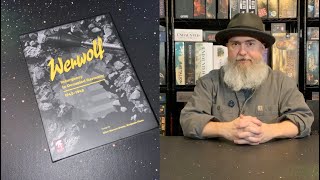
The Discriminating Gamer came away from Werwolf: Insurgency in Occupied Germany 1945-48 enthusiastic. The host called it frankly one of the best coin games played on the channel, gave it an 8 to 8.5 on their own scale, and said that more play could push it to a 9. The host framed it as a game that rewards repeat sessions, noting that like all coin games there is a learning curve and that each playthrough teaches more about the system. A year-end list from the same channel also featured the game among its 2025 picks, with the host saying it had been really enjoyed quite a bit.
The reviewer's praise centers on the theme, the way the factions interact, and the coin-style action economy. The reviewer described the game as a fun and interesting alternate history play experience with a strong sense of what each faction is trying to accomplish.
The Zilla Blitz roundup of upcoming war games gives the game a shorter segment. Host Sil Blitz frames it as a COIN-style title with four factions, block-and-hub areas, and card-driven play. Working from the draft rulebook rather than a full playthrough, the host called the rules fairly hefty but probably not a huge climb for anyone already comfortable with the COIN system.
Core Mechanics That Define Werwolf: Insurgency in Occupied Germany 1945-48
Card-Driven Eligibility and Crisis Cards
The Discriminating Gamer describes a deck built around the length of the session you want, with crisis cards mixed in. Crisis cards are where victory checks and scoring happen, and the reviewer said that when one comes up, the first step is always to ask whether anyone has reached their victory condition. Each card shows faction flags that set the turn order, and the next card is revealed so players can plan ahead.
The first eligible faction then chooses between the event (top or bottom half of the card), its faction ability with a special action, or espionage. Espionage hurts the faction that follows, but it lets the actor stay eligible. Because each faction becomes ineligible after acting, the reviewer noted that only two of the four factions can act in any given round, which makes every choice about what to spend that opportunity on.
The Cold War Tension Track
Running alongside the cards is a tension track between the Soviets and the Americans. The reviewer explained that the insurgents can play on the distrust between the two Allies to push the track upward. Once it reaches roughly the fourth or fifth level, every action taken by the Allies and the Soviets costs double. Players can bring it back down by burning a turn to negotiate, which lowers the track by one step.
The reviewer saw this as a leveler, since the Allies and the Soviets command far more resources than the insurgents do, and forcing them to occasionally burn turns keeps the balance from tipping too far. The reviewer's playing partner who took the Soviets felt the negotiation option was overpowered, a debate covered in the drawbacks section below.
The Werwolf: Insurgency in Occupied Germany 1945-48 Experience
Guerrillas Who Have to Show Themselves
The Discriminating Gamer explained that the insurgent units lie flat when they are underground and stand up when they are active. Many actions force a faction to activate its guerrillas, so insurgents are constantly weighing how much exposure they can afford. The reviewer contrasted this with GMT's COIN games, where units are turned upside down and marked with a star when activated. Here, lying a piece down or standing it up does the same job, and the reviewer felt the game still ticks all of the COIN boxes.
The Zilla Blitz host also highlighted the game's counterinsurgency structure, noting that the board is built from blocks moving through areas and hubs that each faction is trying to hold, which keeps the feel of a COIN game front and center.
Actions That Are Fun and Devastating
The reviewer described the actions as a source of real pleasure. One player running the Allies could call in air strikes to take out the insurgents, and werewolves who gained access to research could launch dirty bomb attacks, rolling dice to see how many Allied units were removed. Terror attacks, blockades on the roads the Allies need to move along, and terror markers round out the insurgent toolkit. The reviewer summed up the terrorist side of play as very interesting and said blockading roads was very fun.
What Makes Werwolf: Insurgency in Occupied Germany 1945-48 Stand Out
Factions That Work Against Each Other
The reviewer's favorite element is the way the factions relate to each other. Each faction pursues its own goals, and in doing so it indirectly and sometimes directly undermines what the others are trying to accomplish. The reviewer said the German nationalist insurgents and the werewolves are on the same page, generally liking each other, yet they are working toward their own ends. The Americans and the Soviets are generally working together, but they cannot fully cooperate because each has its own agenda. The reviewer described this as a "de facto allies" arrangement enjoyed in most good coin games.
An Alternate History Premise That Lands
The reviewer is a longtime reader of alternate history, and the game's premise is what first drew the reviewer in. The reviewer pointed to Harry Turtledove's The Man with the Iron Heart, in which Reinhard Heydrich survives 1942 and leads a guerrilla campaign against the Allies at the end of the war, and connected the game's insurgency to Max Boot's argument that small wars of insurgency are far more common in history than conventional wars over lines on a map. The reviewer called the concept a fun and chilling look at what could have been, and noted that Eisenhower had worried about a continued resistance in the Alpine redoubt, which thankfully never materialized.
The Zilla Blitz segment is more restrained, focusing on the design lineage. The host expected the game to resemble GMT's COIN series closely, noting that the map, cards, and crisis cards together present a card-driven, COIN-like system with four factions vying for control of Germany at the end of World War II.
Potential Drawbacks
A Learning Curve and a Draft Rulebook
The most consistent caution is about the learning curve. The Discriminating Gamer said that like any coin game, there is a process to learning this one, and that it takes repeated play to see what it can do. The Zilla Blitz host read through a draft of the rules that runs to 39 pages and includes non-player rules for solo play. The host described the rules as fairly hefty with a lot going on, while noting that they are probably not a huge learning curve for anyone familiar with the COIN system, and stressed that the document being read was likely not the final version, so players should expect the rules to change before release.
Balance of the Negotiation Option
The negotiation mechanic on the tension track is the one place where a reviewer reported a real disagreement at the table. The reviewer's playing partner, who took the Soviets, felt that being able to lower the track by burning a turn was overpowered, because it made it hard for the Soviets to really win. From the reviewer's side, the Allies and Soviets are resource-heavy enough that occasionally burning turns is a leveler, and after thinking it over and listening to the partner's objection, the reviewer still found the mechanic a lot of fun.
If You Enjoy Werwolf: Insurgency in Occupied Germany 1945-48
The clearest audience for this game is fans of GMT's COIN series. The Discriminating Gamer was careful to call it coin inspired rather than a GMT game, but the host said it very much feels like playing a GMT COIN title, and recommended it to anyone who likes coin games and this kind of ahistorical alternate history theme. The same host's year-end list also included GMT's China's War 1937-1941, described as an accessible coin game at four players with factions that each have their own agendas, so players who enjoy that style of asymmetric, card-driven wargame will recognize the rhythm here.
Zilla Blitz framed the game in the same way, saying that anyone familiar with GMT's COIN series, the Counterinsurgency series, will see many similarities. Players who enjoy the feel of a COIN game, with factions that must balance their own goals against each other, will find a lot of familiar DNA here, along with the added flavor of a German insurgency at the dawn of the Cold War.
What Reviewers Are Saying
"I'll be blunt. I had a ball with this game. I loved Werewolf. I think this is frankly one of the best coin games I played."
— The Discriminating Gamer
"I like the fact that you've got these kind of de facto allies. You can't work with them and but you have got to work against them."
— The Discriminating Gamer
"Rules do look fairly hefty here. There's a lot of stuff here, but probably not a huge learning curve if you are familiar with the coin system."
— Zilla Blitz