







BattleCON: Devastation of Indines Deep Dive
What the Community Thinks About BattleCON: Devastation of Indines
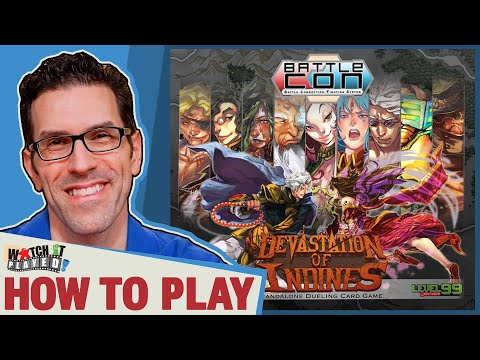
BattleCON: Devastation of Indines stands out as a deceptively simple yet profoundly strategic card-driven fighting game that generates intense, personal competition. Reviewers consistently praise the game's elegant core system that produces surprisingly balanced matchups. The consensus is that the game rewards thoughtful planning while remaining accessible to newcomers. Reviewers report that matches routinely come down to single-digit health differentials, suggesting exceptional balance across its diverse character roster. The game's theme of one-on-one dueling is reinforced by the tense decision-making that unfolds each round, creating moments of both triumph and frustration that keep players engaged.
Core Mechanics That Define BattleCON: Devastation of Indines
Attack Pair System
At the heart of BattleCON lies the attack pair mechanism, where players combine a base card with a style card to create their attack each round. This core system determines the range, power, priority, and guard values of an attack. The bases function consistently across all characters, while styles provide character-specific abilities and modifiers. Players reveal their attack pairs simultaneously, forcing both players to commit without knowing their opponent's choice. This simultaneous reveal is the engine that makes the game's mind-reading aspects so compelling, as players must anticipate and predict one another's intentions.
Anti-Phase and Tokens
Before attacks resolve, players enter the anti-phase where they can spend force (the game's resource) to activate limited bonuses: speed up for priority, power up for damage, and defense up for guard protection. Character-specific tokens add another layer. Elegor accumulates vengeance tokens when hit, which he can ante to gain stun guard and eventually stun immunity, meaning that hitting him actually powers him up. Other characters like Oryax manage deity cards that provide varied effects but are trashed after use, forcing careful consideration of when to deploy their powerful abilities. These token systems create character asymmetry where offense and defense are fundamentally different for each fighter.
The BattleCON: Devastation of Indines Experience
Intense Mind Games and Prediction
The experience of playing BattleCON is deeply personal because the game is fundamentally about outsmarting your specific opponent. Reviewers consistently mention the psychological warfare element, where players must read tells, remember patterns, and anticipate counter-picks. One match featured a player overthinking their strategy so much that they made suboptimal choices, and both players acknowledged how the game creates this mental tension. The high stakes of each round, where a single attack can swing momentum dramatically, generate a sense of urgency that builds through the match.
Satisfying Moment-to-Moment Gameplay
Despite its strategic depth, BattleCON delivers quick, decisive moments of satisfaction. A well-timed character ability landing as intended produces genuine excitement. The game's printed steps on the board help players remember the sequence of effects. Movement tokens and positioning create tangible board state changes that matter tactically. Reviewers note that characters often feel thematically cohesive with their mechanics, making victories feel earned rather than random, though losses can sting because the game makes it clear where decisions diverged.
What Makes BattleCON: Devastation of Indines Stand Out
Exceptional Character Variety and Depth
With 30 characters divided into five flights of increasing complexity, BattleCON offers remarkable replayability and learning curves. Characters from earlier flights possess more straightforward abilities, while later flights introduce intricate mechanics like flying and grounded forms that change character properties mid-fight. Each character genuinely plays differently. Reviewers praised how characters like Karen Brandt with her werewolf twin brother mechanic create entirely different tactical considerations than straightforward strikers. The game's designer, D. Brad Tolton Jr., and publisher Level 99 Games have crafted a roster where no two characters feel redundant, and even randomly selected pairings produce well-balanced matchups.
Solo and Cooperative Modes Expand Beyond Head-to-Head
While BattleCON excels at one-on-one dueling, the dungeon crawl modes transform it into a cooperative or solo adventure. The battle quest dungeons feature character abilities being used against computerized enemies with randomized actions, requiring genuine tactical decisions about positioning and resource management. Reviewers noted these modes work well because they leverage the core card system without needing to simulate complex opponent AI. The presence of these alternative modes means the game offers value for different player preferences and group sizes.
Potential Drawbacks
Component Management and Tracking
Several reviewers noted that BattleCON requires consistent bookkeeping. The solo dungeon mode especially demands tracking multiple types of tokens without dedicated token sets for all consumable items, forcing players to resort to pen and paper. This isn't a design flaw per se, but it adds friction compared to games with fully integrated component systems. Organizing all the pieces after setup can feel overwhelming, particularly with the ultimate edition that consolidates multiple expansions into one box.
Learning Curve and Rules Complexity
While the core system is elegant, the sheer number of card effects, character abilities, and mechanical interactions can be daunting for newcomers. The special action card should be introduced only after players grasp the fundamentals, yet it remains part of the complete experience. Reviewers emphasized that the first few games involve frequent reference-checking, and predicting how different abilities interact requires familiarity with the mechanics. The game rewards deep knowledge, which means casual play suffers slightly compared to matches between experienced opponents.
If You Enjoy BattleCON: Devastation of Indines
Players who enjoy BattleCON's tactical combat system will find similar satisfaction in Exceed, which developed out of BattleCON's mechanics and offers card-driven one-on-one fighting with different design sensibilities. Pixel Tactics provides a deck-building variant of head-to-head card combat with less time investment per match. Those drawn to the game's theme-driven character diversity should explore Summoner Wars, which uses different mechanics but maintains the one-on-one competitive spirit. For players interested in alternative takes on tactical fighting games, Mage Wars offers deeper strategy through spellcasting, though at greater complexity. The comparison games reviewers mentioned like Millennium Blades and Spells and Steam offer mechanically distinct but thematically adjacent experiences in the competitive card game space.
What Reviewers Are Saying
"He's great. He has five vengeance tokens. He gains these tokens when taking damage, and uses them to increase his guard, retaliate effectively, recharge vengeance while landing powerful attacks against the opponent."
— Board Games UnLocked
"She's pretty straightforward. Her big thing is that she is a werewolf in human form right now, and her brother, Jerger, is a werewolf in werewolf form, although he's got a jaunty hat here. That's her and her twin brother."
— OneTop Co-op Shop
"Characters from the earlier flights are recommended for use by new players, not because they're weaker, but because they have card effects and abilities that are more straightforward to use. Then you can build on your knowledge using characters from higher flights as you play more and more matches."
— Watch It Played