


My Little Pony: Festival of Lanterns Deep Dive
What the Community Thinks About My Little Pony: Festival of Lanterns
Reviewers consistently praise My Little Pony: Festival of Lanterns as an approachable, welcoming gateway game that appeals to multiple audiences. The game succeeds both for families new to modern board gaming and for established players who appreciate the charm of the My Little Pony intellectual property. Across the board, reviewers emphasize the game's accessibility, its light weight, and the appeal it holds for younger players and longtime fans alike. The combination of familiar mechanics with recognizable characters creates an entry point that feels inviting rather than intimidating. Reviewers highlight that the game delivers on its promise of being fun for casual play without requiring deep strategic mastery, making it a genuine crowd-pleaser for mixed-experience tables.
Core Mechanics That Define My Little Pony: Festival of Lanterns
Tile Placement
Tile placement sits at the heart of My Little Pony: Festival of Lanterns. Players take turns placing sky tiles from their hand, each turn introducing new lantern cards into circulation. What makes this mechanic special is its elegant inclusivity: when one player places a tile, every player at the table gains a lantern card corresponding to the color facing them. This shared reward structure means that even when it is not your turn, you are actively gaining resources, which keeps engagement high throughout the round. The tile placement system, inherited from Christopher Chung's original 2015 design of Lanterns: The Harvest Festival, has been refined for this My Little Pony version to maintain that same fluid, interactive feel while layering in fresh thematic touches and additional strategic options through the included Gala expansion.
Set Collection
Set collection forms the core of scoring in this game. Players accumulate lantern cards of different colors and work toward matching specific sets, such as four cards of the same color or one card of each of seven unique types. When a player completes a qualifying set, they exchange their lantern cards for a dedication tile worth points. The tension in set collection here is real: because all players see the same tiles being placed and the same lantern cards being distributed, players must decide when to cash in their sets. Waiting too long risks other players claiming high-value dedication tiles first; moving too early may mean you miss opportunities to build larger, more valuable sets. Moon cake tokens provide an optional action at the start of your turn to trade a moon cake and a lantern for another lantern, giving players a calculated way to refine their collections and adjust to the tiles others are placing.
The My Little Pony: Festival of Lanterns Experience
Celebration and Whimsy
The game wraps its mechanics in genuine celebration. The theme of a lantern festival with mooncakes and dedicated releases of floating Cutie Mark lanterns creates a joyful, light-hearted atmosphere at the table. Reviewers note that the My Little Pony IP resonates strongly with both younger players discovering the franchise and adults who grew up with it, which creates a nostalgic warmth. The game does not take itself seriously, and that tone invites playful interaction. The presence of mooncake tokens as a thematic currency rather than a purely mechanical abstraction adds flavor and charm. This is a game designed to bring people together in friendly competition rather than cutthroat strategy, and that intention shows in how reviewers describe the experience: warm, approachable, and celebratory.
Accessibility and Ease of Learning
Multiple reviewers emphasize that Festival of Lanterns achieves genuine accessibility. The mechanics are described as domino-like and easy to grasp, making it an ideal game for introducing new players to modern board gaming. The ruleset does not require reading except for the Gala expansion cards, and the turn structure is intuitive: place a tile, everybody gains lanterns, optionally trade resources for dedication tiles. Reviewers specifically call out the light complexity and straightforward flow, noting this makes it suitable for mixed-experience tables where some players are veterans and others are trying modern games for the first time. The game runs in about 30 minutes, keeping the pace brisk and the engagement sustained without fatigue. This ease of teaching and playing is intentional design from Renegade Game Studios, and it succeeds in removing barriers that often keep casual players from trying board games.
What Makes My Little Pony: Festival of Lanterns Stand Out
Variants and Expansions Included in the Box
The base game includes meaningful variants that add replay value and flexibility. The Gala expansion features 16 character cards representing My Little Pony cast members, from which players select up to four for each game. Each character card grants a special power that can be activated by spending moon cakes, such as Applejack allowing a player to make two dedications in a single turn instead of one, or Scootaloo letting a player gain double lanterns on their turn. These powers are marked with difficulty levels (hearts for easier, stars for more challenging), allowing table groups to adjust complexity on the fly. The Moon Dancers Challenge solo mode offers a dedicated single-player experience with three difficulty levels, ensuring the game works equally well whether you are playing solo or with a group. This flexibility means a single copy serves multiple play contexts without feeling like a compromise.
Intellectual Property Appeal Without Gatekeeping
While the My Little Pony theme is central to the game's marketing, reviewers note that it enhances rather than restricts the audience. Players who are passionate My Little Pony fans gain the satisfaction of recognizing character names, seeing familiar faces, and immersing themselves in a celebration that honors the IP. At the same time, reviewers emphasize that the game remains welcoming to those with no prior exposure to My Little Pony. The theme is thematic window dressing, not a requirement for enjoyment. This balance between fan service and inclusivity allows the game to punch above its weight in terms of audience reach. The core mechanics and celebratory tone work whether you are a longtime Brony or simply someone who enjoys accessible, pretty games with good vibes.
Potential Drawbacks
Limited Complexity for Experienced Strategists
The light weight and straightforward mechanics, while intentional and appealing to many, mean that experienced board gamers seeking deep strategic puzzles may find themselves wanting more. The decisions, though meaningful, are constrained by the shared resource distribution and the speed of play. Reviewers do not frame this as a flaw but rather as an accurate expectation: this is a game designed to be welcoming and fun, not a brain-burner. For some players, that simplicity is precisely the appeal; for others, it may feel like a toy rather than a tactical challenge. Potential buyers familiar with heavier euro games should know what they are getting: a gateway experience, not a system to master over dozens of plays.
Component Considerations for Very Young Children
While the game requires no reading except for the Gala cards, reviewers note that it includes smaller tokens that may pose challenges for very young players or those with fine motor sensitivities. The box recommends ages 14 and up, though reviewers suggest this is a guideline rather than a hard rule depending on your family's specific makeup. Parents considering this for younger children should be aware that supervision or assistance with token handling might be necessary, and the number of tokens to track during set collection might overwhelm a very young player. Reviewers indicate this is not a deal-breaker but rather a practical consideration for household decision-making.
If You Enjoy My Little Pony: Festival of Lanterns
Reviewers most naturally suggest Lanterns: The Harvest Festival, the original Christopher Chung design that forms the mechanical foundation of this game. The base Lanterns game offers the same elegant tile-placement and set-collection loop without the My Little Pony theme, making it ideal if you want to explore similar mechanics in a neutral setting or if you simply prefer the original's aesthetic. Players who love the easy-to-learn, quick-playing accessibility of Festival of Lanterns will find much to enjoy in other gateway games that prioritize charm and inclusivity, though reviewers do not name specific alternatives in their discussions of this title.
What Reviewers Are Saying
"What's a celebration without floating lights, the right costume, a sprinkle of magic, and of course, food? Yes, you heard that right. They are mooncakes. Oo, 10 out of 10. I would crash this party just for the snacks."
— Meeple University
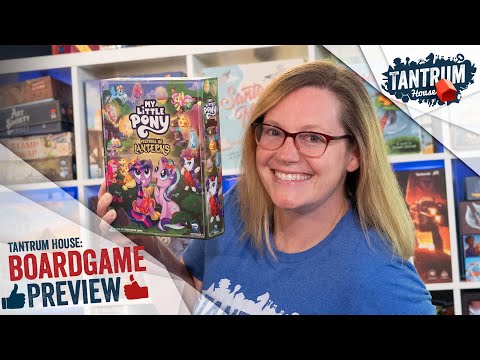
"This new iteration of Lanterns may appeal to not only a younger audience, but also those young at heart like myself who grew up loving this adorable IP."
— Sarah Meadows, Tantrum House Studio
"Since this new version of Lanterns features the same easy to pick up domino-like mechanics and simple set collection rules, this is a good game to consider when you're introducing new games to friends and family that may be new to the board gaming hobby."
— Sarah Meadows, Tantrum House Studio