
/pic4194059.jpg)
Street Masters: Tide of the Dragon is a standalone expansion for Street Masters, the critically-acclaimed cooperative miniatures board game of street brawling action for 1-4 players. Designed by veteran game designers Adam and Brady Sadler with Scott McFall and Mitch Schroeder, and heavily influenced by classic “beat ‘em up” arcade games and Hong Kong action movies of yesteryear, Tide of the Dragon is a standalone experience that contains everything needed to play, but also allows returning Street Masters fans to use its all-new fighters, enemy factions, stages, and other modular elements with the rest of the products in the fan-favorite game series that has been lauded since its debut in 2017.
Expanding on the modular nature of Streets Masters, Tide of the Dragon includes a new way to further customize players’ experiences. Terrain cards allow fighters to introduce new terrain elements to their battles, such as ladders that can be used to climb up and away from enemies or fire hydrants that can launch a powerful water stream to damage opponents.
Street Masters: Tide of the Dragon includes 52 highly detailed miniatures; 4 New Fighters with their own unique Fighter and Hero Story Decks; a New Double-Sided Map Tile with 2 New Stage Decks; 2 New Enemy Factions with unique Enemy and Showdown Decks; 4 Terrain Cards; a Tide of the Dragon Story Deck; 12 New Ally/Rival cards, and all the dice, tokens, dividers and base rings needed to play right out of the box!
-description from designer
Part of the Street Masters family — see Street Masters for the combined view.


- Still tons of fun.
- Nice to play again after many years.
- Core gameplay is always fun.
- Recommended if you like fun action brawler games.
- Stuff just isn't balanced.
- Can be silly at certain player counts or with certain characters.
- Easily defeated the boss without taking much damage in one playthrough.
Mechanics (from transcript analysis)
- Action brawler — this little fun action brawler game.
Video topics + discussion points
Quotes (from this video)
- Welcome to Shelf Life, the monthly series where I look at games I covered about six or seven months ago and let you know whether they're still in my collection.
- This is a solo cooperative adventure game, very much influenced by Arkham Horror, uh, but it's got a cyberpunk theme.
- I think if you went to Great Western Trail, you should trail elsewhere.
- And yeah, this is the best Assassin's Creed has been.
- And hey, this is my only keep for the month.
- This is sort of like a worker placement game. It's kind of crisis management like Pandemic, but then you also like go on dates and have uh friendships with some of the characters.
- Street Masters can be amazing. It can also be pretty rough.
- I think it's probably the best attempt I've seen at it.
- So, this was a lighter month than pretty much any of the ones this year.
- Almost 60% of you called it correctly that I kept one hit heroes out of all the rest.
References (from this video)
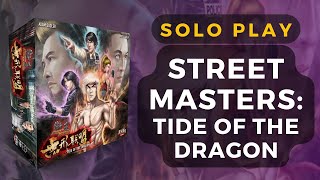
- Engaging loot and improvisation system that adds variety to each turn
- Dynamic boss encounters with escalating stage cards
- Clear flavor of martial-arts themed combat and character progression
- Rule recall and memory can be challenging during play; potential for mistakes
- Fast escalation by enemies can feel overwhelming in solo play
- combat-focused progression with loot, defenses, and improvised effects
- Urban fantasy street-brawling arena with martial-arts fighters and boss monsters
- procedural boss encounters and loot-driven storytelling during solo play
Mechanics (from transcript analysis)
- Boss Battler — Minions and bosses spawn with set stats and special abilities; players must prioritize targets and manage multiple threats.
- combat rolls — Dice are rolled for attacks and defenses; criticals can alter outcomes and grant bonuses like extra hits or guards.
- Deck Manipulation — Resolve the improvised effect of each card you control; cards may grant extra draws, power, or direct damage.
- defense_tokens — Gaining and spending defense tokens to block or mitigate damage; multiple token types exist (kick, grapple, punch, etc.).
- Improvise — Resolve the improvised effect of each card you control; cards may grant extra draws, power, or direct damage.
- loot cards — Loot cards grant ongoing benefits or direct effects (e.g., heal, direct damage, or stronger attacks) when used or discarded.
- minion/enemy cards — Minions and bosses spawn with set stats and special abilities; players must prioritize targets and manage multiple threats.
- Power economy — Power is accumulated and spent to activate moves, draw loot, or trigger card effects; managing power is central to offense and defense.
- stage cards / boss behavior — Stage turns add boss movement and new active objectives; objectives can be flipped to active/complete, dictating map control and threat progression.
- threat/react phases — Threat phase draws and resolves enemy actions; react phase allows responses to threats before enemy turns.
Video topics + discussion points
Quotes (from this video)
- Street Masters Tide of the Dragon expansion.
- I'm finding it to be a very interesting game.
- Gosh. I hope I'm playing right.
- Kung Fu T. During your turn, discard this card to play a card.
- I'm still learning Street Masters, so forgive me for any mistakes.
References (from this video)
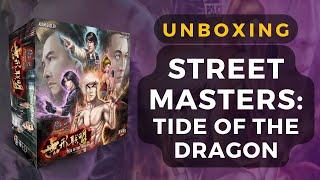
- Art style evokes a Street Fighter vibe and looks appealing
- Minis with good detail
- Standalone expansion adds content and is usable on its own
- Cooperative design supports solo-friendly play and multiplayer
- Box is hefty and not very portable
- Overall complexity may be heavy for newcomers
- Requires sorting and organizing a lot of cards and components
- Cinematic beat-em-up teamwork in a cooperative setting
- Urban martial arts / street-fighting gangs in a stylized world
- Character-driven ensemble with fighter backstories and evolving epilogue/story milestones
Mechanics (from transcript analysis)
- Combat: Dice — Combat resolution relies on dice rolls as part of attacks and defenses
- Cooperative Game — Players collaborate to achieve common objectives against the game challenges
- cooperative play — Players collaborate to achieve common objectives against the game challenges
- Deck-driven actions — Each fighter uses a customized deck to determine actions and abilities
- Dice-based combat — Combat resolution relies on dice rolls as part of attacks and defenses
- Modular Board — The game uses a map with various stage and deck components to drive scenarios
- Modular board and decks — The game uses a map with various stage and deck components to drive scenarios
Video topics + discussion points
Quotes (from this video)
- this is a prettyy hefty box not the most portable
- I like the art in this I'm not really sure if there's has been any controversy about art I feel like the art is always up for debate when it comes to games but I like it really gives you that like Street Fighter type of vibe which I think is kind of the goal
- this is a standalone expansion
- I think this would probably keep me busy for a while
- two covers in this I wonder if that was intentional
References (from this video)
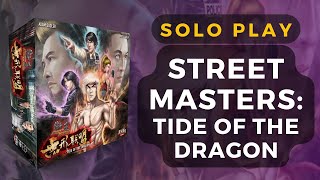
- Isabella's deck feels dynamic and appealing.
- Thematic flavor and variety of enemy minions and boss.
- Tense, cinematic combat with multiple threats.
- Rule clarifications needed (e.g., how boss defense tokens are gained when retreating).
- High difficulty and risk; near the end the player is low on health.
- Complex turn sequence can be confusing and may require reference cards.
- Array
- Sky High stage in a city-fighting fantasy setting
- First-person, solo narration focused on combat and deck interaction
Mechanics (from transcript analysis)
- Attack dice resolution — Attacks are resolved by rolling a number of dice to determine hits and effects
- Boss Battler — Boss and minions activate, move and attack; a boss drives stage progression
- Combat: Damage Based — The game uses defense tokens to limit damage and grant shields
- Deck Manipulation — Players discard top cards of their deck to modify attacks or trigger bonuses; draw new cards
- Deck top-card manipulation — Players discard top cards of their deck to modify attacks or trigger bonuses; draw new cards
- Defense tokens — The game uses defense tokens to limit damage and grant shields
- Enemies and boss mechanics — Boss and minions activate, move and attack; a boss drives stage progression
- Events — Stage-specific events and collective objectives influence win/lose conditions
- Loot and power resources — Loot cards grant coins/power and can be spent for effects
- Movement — Fighters move across a grid-based stage using move actions and distance tokens
- Offbeat cards and damage — Offbeat cards trigger special effects and may cause damage to the active fighter
- Stage events and objectives — Stage-specific events and collective objectives influence win/lose conditions
- Traps and defeated minions — Defeated minions attach trap cards to the fighter, triggering penalties on adjacents
- Turn structure: Player, React, Enemy — Turns alternate between player actions, reaction phase, enemy activation, and stage progression
Video topics + discussion points
Quotes (from this video)
- I love how arrow Isabella is, and maybe that's why I'm drawn to her deck.
- I really like Isabella's deck. Um, might be my favorite one so far.
- What a tongue twister.
- This felt pretty intense.
- I only have one health left, which is crazy.
- I lost the game. But this felt pretty intense.
- Street Masters Tide of the Dragon using Isabella against the Fire Cloud Gang.