


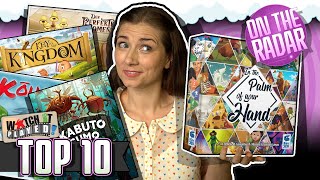

Key to the Kingdom Deep Dive
What the Community Thinks About Key to the Kingdom
Reviewers describe Key to the Kingdom as a light, charming adventure game that rewards a bit of luck and a lot of table personality more than heavy strategy. Restoration Games published this modern restoration of the 1990 classic, designed by Matthew O'Malley and Ben Rossetti for two to five players over roughly 90 minutes. The shared view across the Watch It Played coverage is that the game is approachable, whimsical, and built for a family table. Rodney Smith opens Smith's full walkthrough with a playful, mock-ominous premise about a demon king and heroes who never return, and Smith presents the rules as manageable once the core loop clicks.
Reviewers who never played the original still responded warmly. Chaz, previewing the game in a Gen Con roundup, admitted to having no nostalgia for the 1990 version, yet found the restoration immediately appealing. The common thread is a distinct personality: the game is bright and silly, and it is willing to let a single die roll swing a turn.
Core Mechanics That Define Key to the Kingdom
The Hole-in-the-Board Portal
The signature feature is the double-sided game board, which players assemble like a puzzle and which can open and close during play. Landing on a whirlpool space stops a hero's movement for the turn. If that side of the board is closed, the player first picks up any other figures in that land, then opens the board and sets those figures into the new void. If the side is already open, the player closes it and places the displaced figures into the whirlpool instead. In either case the player takes a bonus turn afterward. Chaz notes that the Restoration Games edition keeps the classic hole-in-the-board mechanism for hopping through portals into the Demon King's domain, and the shifting boards constantly reshape the routes across the kingdom. A player holding a completed key can even be moved to the Demon King's courtyard during another player's turn if the board closes around them.
Item-Modified Dice Rolls
Movement begins with a roll of the die, but Key to the Kingdom lets players reshape the result before moving. Before finalizing a roll, a player may exhaust one ready item to increase or decrease the value by the amount shown on it. Rodney Smith stresses that only one item can be used per roll, and if an item drops the value below zero, the final result is treated as zero. Exhausted items return to play through refresh spaces, character abilities, or a heroic nap, which refreshes up to five exhausted items and ends the turn. The same item system powers the key adventures, where a player calls a number and uses an item to match it. Chaz highlights that this is the restoration's key addition: it balances the luck of die rolls with helpful items, something the original did not offer.
The Key to the Kingdom Experience
Playful Adventure Racing
Rodney Smith's walkthrough sets a theatrical tone from the first minute, with the people of the kingdom waiting for a hero while warning that none of the previous challengers have survived. That framing turns the race for the three key fragments into a lighthearted quest, where each player must craft their own key and the first to defeat the Demon King wins. Movement through shared lands, events drawn from a deck, and companions that join later adventures keep every turn eventful without making the rules feel heavy. The result feels like a board game version of a fantasy adventure serial, where the next turn could send a hero down a whirlpool or into a courtyard full of surprises.
Charm and Family-Friendly Fun
Chaz describes the new edition as completely charming, pointing to a playable unicorn figure as a particular delight, and imagines playing it with Chaz's niece and nephew. The cheerful look and approachable mechanics give the game a family-game feel, where the portal board and the hero figures are as entertaining to watch as to play. The table also gets a bit of gentle chaos. Landing on a demon die space forces a player to hand the demon die to someone else, and the holder must use its wild, unusual values for every roll until it passes on, which keeps everyone reacting to one another.
What Makes Key to the Kingdom Stand Out
A Charming Presentation With Distinct Heroes
Reviewers consistently return to the look of Key to the Kingdom. Chaz singles out the unicorn figure and the overall cuteness of the restoration, and Rodney Smith's walkthrough shows colorful magic item tiles, five heroes with their own abilities, and event cards that carry short, concrete instructions. Each hero's ability adds personality to the table. One hero, for example, refreshes their sword whenever they refresh any item, which rewards building a turn around that hero's strengths.
Luck Balanced by Items and No Player Elimination
Chaz highlights two updates over the original as especially positive: items that balance die luck and the removal of player elimination. Rodney Smith's rules show how these work in practice. A failed key adventure leaves a player on a nearby refresh or boring space rather than removing them from the game, and a failed castle room sends a player back to the courtyard. The final battle with the Demon King lets a player use all of their ready items at once, which gives a comeback path that still requires a roll of 20 or higher to win.
Potential Drawbacks
A Lot of Rules Behind a Light Weight
Key to the Kingdom carries a light weight rating, but the walkthrough covers a substantial amount of material. Setup involves assembling the puzzle-style boards, placing numbered tokens face down, and sorting a deck of events. Players must also learn minor and key adventures, companions, magic items, whirlpool logic, and a multi-room castle finale. Rodney Smith acknowledges that Smith cannot cover every event in the video and says players will understand them as they encounter them. Smith also points viewers to the summary printed on the back of the rulebook as a reference during play, which suggests that a first session will involve some looking up.
Luck Still Decides Many Outcomes
Even with item modifiers, nearly every meaningful action depends on a die roll. Key adventures and castle rooms can be failed on a single roll, and the demon die introduces unusual values that its holder must use on every roll. Chaz frames the item system as a way to balance luck, which implies that randomness is a central feature rather than something players can fully control. For players who want more control over their route and outcomes, that reliance on the roll is the main trade-off to weigh before sitting down.
If You Enjoy Key to the Kingdom
Chaz's reference points for Key to the Kingdom are the family classics Chaz grew up with, namely Clue, Life, and Guess Who?, which Chaz names alongside the original 1990 game. That comparison signals what the restoration aims for: an approachable structure, a recognizable theme, and light competition that works across mixed ages. Players who enjoy any of these titles may find a similar appeal in Key to the Kingdom.
- Clue: Chaz names it first among the childhood games Chaz played, the reference point Chaz uses when judging a family-table board game.
- Life: Named alongside Clue and Guess Who? as a family classic, which places Key to the Kingdom in the same accessible, all-ages tradition.
- Guess Who?: Listed among the family games of that childhood generation, a good fit for players who like approachable, quick-to-learn tables.
What Reviewers Are Saying
"The people of the kingdom are very excited that you're here. They've been waiting for a hero who will defeat the demon king. But what they maybe didn't tell you is you're not the first to try. None of the others have survived, but maybe one of you will."
— Rodney Smith, Watch It Played
"The important thing to know is that you can only use one item per roll. I should also mention if an item reduces the value you rolled below zero, just treat your final value as zero whether you used an item or not."
— Rodney Smith, Watch It Played
"This new version still features the classic hole in the board mechanism to hop through portals and explore the demon king's domain, but it also includes ways to balance out the luck of die rolls with helpful items, something that wasn't present in the original version. It removes player elimination, which is pretty neat."
— Chaz, Watch It Played