




The Little Flower Shop Deep Dive
What the Community Thinks About The Little Flower Shop
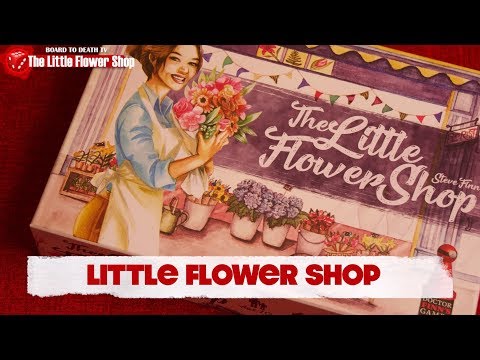
The Little Flower Shop earns consistent praise as a light, aesthetically driven filler game that succeeds at exactly what it sets out to do. Reviewers across Getting Games and Board to Death TV emphasize the pleasurable hand-drafting experience and the thematic integration of its flower-shop setting. The game appeals to players seeking casual, decision-light gameplay over a 20-minute span, where the visual satisfaction of building window displays outweighs strategic complexity. While reviewers appreciate the game for what it is, they generally do not see it as a frequent heavy-rotation title, instead positioning it as an excellent warm-up or wind-down game at game nights.
Core Mechanics That Define The Little Flower Shop
Hand Drafting
The Little Flower Shop uses a classic pick-and-pass drafting system similar to Sushi Go. At the start of each round, players receive a hand of cards, simultaneously select one card to keep, and pass the remaining cards to the next player. This repeats until all cards have been distributed. The card pool includes vases, flowers, money, hanging baskets, and orders, each serving different roles in building your shop window display. According to Getting Games, players enjoy tracking which cards have circulated, though reviewers note this memory layer is entirely optional and the game flows pleasantly without tracking every card.
Storage and End-Round Redraw
A mechanical innovation reviewers highlight is the flexibility to handle unpicked cards. When the last card of a round reaches you, you have the option to spend two dollars to discard it and draw a fresh card from the deck instead. This addresses a common hand-drafting frustration where players feel stuck with undesirable passed cards. Coupled with a limited storage area that holds four cards between rounds, this mechanic gives players meaningful agency over which flowers and vases they work with, balancing the randomness of what other players pass to them.
The Little Flower Shop Experience
Visual and Aesthetic Satisfaction
The strongest aspect of The Little Flower Shop is its aesthetic payoff. As you draft cards, you arrange flowers into vases, place hanging baskets, and build a window display that evolves throughout the game. Reviewers describe the thematic coherence between mechanics and theme: making money to buy beautiful items, storing goods in limited space, and ultimately creating a visually appealing shop front. This creates moments of genuine pleasure that transcend the light ruleset, with players looking down at their completed displays with genuine satisfaction at game's end.
Casual, Smile-Inducing Gameplay
The game fosters a relaxed social atmosphere. Reviewers note that players spend less time agonizing over complex decisions and more time enjoying the tactile, visual experience of assembling their displays. Getting Games describes the play feel as generating smiles around the table as people engage with matching flowers to vases and deciding whether to save cards for future rounds or cash them in for immediate points. The light decision space makes it accessible to newer players while the aesthetic appeal keeps experienced players engaged.
What Makes The Little Flower Shop Stand Out
Thematic Craftsmanship
Unlike many abstract set-collection games, The Little Flower Shop marries its mechanics to its theme with precision. The need to earn money to purchase hanging baskets, the limited storage representing a small shop's space constraints, and the end goal of creating a beautiful display all reinforce the shop-owner fantasy. Board to Death TV emphasizes that this thematic resonance is unusual for the filler category, where theme often feels tacked on. Here, the mechanics directly support the story of running a flower business.
Smart End-Round Flexibility
The two-dollar redraw option at each round's conclusion is a small but meaningful design choice. Rather than forcing players to accept whatever final card comes their way, this mechanic lets players spend resources they've accumulated to improve their options. It transforms the end of the hand-passing sequence from a frustrating inevitability into a moment of player choice, adding a layer of resource planning that multiplies across the three rounds of play.
Potential Drawbacks
Light Complexity May Not Satisfy Everyone
While the simplicity appeals to players seeking casual filler, reviewers acknowledge that The Little Flower Shop offers limited strategic depth. Decisions revolve around which cards to draft and when to spend money on baskets, but the game does not reward deep planning or aggressive play. Players seeking euros or heavy strategy games will find little to engage with beyond the pleasant aesthetic experience.
Optional but Costly Memory Layer
Reviewers note that tracking which specific flowers and vases have been seen and passed around the table can enhance decision-making, but doing so creates cognitive load inappropriate to the game's casual tone. Getting Games emphasizes that you do not need to play with this intensity to enjoy the game, though players who do track cards may feel they have an advantage. For competitive groups, this creates a slight imbalance between casual and attentive players.
If You Enjoy The Little Flower Shop
Players who appreciate The Little Flower Shop often gravitate to Sushi Go, which shares the hand-drafting mechanic and quick playtime, though Sushi Go favors set-building over the thematic aesthetic focus. Those drawn to the shop-building and curation aspect might also enjoy Biblio, another Dr. Finn's Games release by the same designer that similarly combines light mechanics with thematic flavor. For groups seeking other short, beautifully themed fillers, The Little Flower Shop establishes a high bar for aesthetic integration within its duration.
What Reviewers Are Saying
"When you're playing this game and I look around, you're just gonna see a lot of smiles as people are not making crazy hard decisions but just enjoying the experience of putting these vases and these flowers together. At the end of the game you look down and you have this nice window dressing in front of yourself."
— Getting Games
"This game reminds me a lot of Sushi Go with a bit more tactics, and like Sushi Go, this one hits its time target. It doesn't drag and as the box says can be done in 20 minutes."
— Board to Death TV
"The mechanic of the game is hand drafting, so it's kind of similar to Sushi Go in that at the beginning of every round you're gonna draw a certain number of cards and then everybody is gonna simultaneously pick one card and then pass the rest."
— Getting Games