




Magic: The Gathering – Reality Fracture Deep Dive
What the Community Thinks About Magic: The Gathering – Reality Fracture
The reaction to Reality Fracture centers on one idea: the set turns Magic's draft format into a choice about which version of a story you want to tell. Jamie, Stonemaier Games has been playing Magic since 1993, and they came to the set as a fan of alternate timelines. They drafted an eight-person pod with friends, went 2-1 with a mono-red deck, and singled out the paired characters as the feature they enjoyed most. Their follow-up Q&A video carries the same enthusiasm, and they say that while playing the set they were not thinking that Magic shouldn't have made a Magic set.
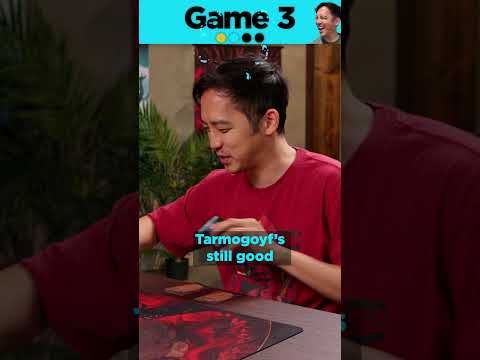
Bad Space Singularity is the most playful of the discussions. The hosts draft in real time, pivoting colors between packs, grabbing removal, and narrating their doubts about where their decks are headed. Their enthusiasm for the planeswalker interactions is clear, and their jokes about how much removal the format rewards come across as affectionate rather than dismissive. Their play-through is also the best window into how the set feels when it is actually being played.
The Command Zone offers a short two-player match rather than extended commentary. It is useful mainly for texture: counters piling onto creatures, planeswalkers being activated in quick succession, and combat decided by a few well-timed tricks. The consensus is positive, with the sharpest criticisms being practical ones about text density and color requirements rather than any complaint about the set's direction.
Core Mechanics That Define Magic: The Gathering – Reality Fracture
Paired Alternate-Reality Cards
The signature mechanic is the pairing of two versions of the same character in one pack. Jamie opened a pack expecting to find duplicates and was surprised that they came as pairs: Edgar Moonlight Sovereign and Edgar Ancient Bloodlord, one a vampire and the other a werewolf, sitting side by side. The two cards are often different colors and different designs, and whichever one a drafter picks defines the path that deck is on. Jamie explained that the other version might still come around the table, but it is unlikely to make it into their story. Because the pairs are placed together, the pack also tends to contain some of the stronger cards, which makes the choice meaningful rather than cosmetic. The tradeoff is that the two halves do not always share a color pair, so Jamie noted that playing both would require a three-color deck.
Empowered Jace
Reality Fracture is built around a recurring Jace planeswalker. Empowering Jace creates a Jace token if none is in play, or adds counters to the Jace already on the battlefield, and the tokens can then be spent on that planeswalker's abilities. Jamie's sharpest observation came from a friend who pointed out that each Empower with one token is effectively worth one third of a card, because three tokens can be spent to draw a card. Jamie described it as a planeswalker that gives players incremental benefits that build up to a full standard benefit. The set also adds cards that modify Jace or other planeswalkers, so a deck that is likely to see some Jace tokens gets extra value from those additions.
The Magic: The Gathering – Reality Fracture Experience
Committing Under the Shadow of the Path Not Taken
Drafting this set feels like making a series of commitments while watching the alternatives drift away. Jamie described how the split-path decision stays with them: choosing one version of a character means that a different story is being spun off in some other deck. The Bad Space Singularity hosts felt a similar pull in real time. Their picks are often hedged, with a third color kept as a maybe, and at one point they reached for a card because it was in their colors rather than because it was exciting. The result is a draft that feels more like an evolving plan than a straight line, and the packs reward players who are willing to pivot.
Planeswalker Swings and Top-Deck Tension
Once the games start, the mood changes to board-state momentum. Bad Space Singularity's match shows creatures receiving counters and combat tricks, a planeswalker that makes a four-four beast when it is activated, and a board wipe that changes the tempo of the game. Late in the match the hosts are in top-deck mode, and the planeswalkers become the thing that keeps a player alive. The hosts' excitement is about this shift from careful setup to decisive turns. As one host put it, they are excited to see how people use planeswalkers after this set against other people.
What Makes Magic: The Gathering – Reality Fracture Stand Out
Prepared Spells Built Into Creatures
Reviewers consistently highlight prepared creatures as a clever design choice. A creature such as Carnivorous Cultivator carries a spell called Enroot, and when the creature is prepared, that spell is available to cast from the card itself. Jamie liked that these are real spells, so cards that trigger off casting still interact with them, and that the preparation is often a one-time event that the game occasionally lets you repeat. The Bad Space Singularity hosts echo the appeal in play, repeatedly preparing creatures for spells such as Blossom, Blessed Angel and Emergency Phytomedic and treating the extra value as part of the fun of the set.
Hybrid Mana and Limited Flexibility
The hybrid cards help the draft feel open. The Bad Space Singularity hosts praised hybrid mana in limited formats because it gives drafters room to adjust their colors late and still cast what they open. That flexibility matters in a format where a pick can pull a player toward a new color. The hosts ended up building a three-color deck through hybrid costs, and their experience suggests that hybrid mana is one of the main reasons a three-color build stays playable in Reality Fracture.
Potential Drawbacks
Dense Card Text and Counterintuitive Designs
The most common criticism is that some cards need a second read. The Bad Space Singularity hosts called one planeswalker a wall of text, and one host admitted that after drafting Root Maze, they realized the card also hurts the player who casts it because it affects their own lands. Several pick decisions were made quickly, and the hosts acknowledged that they had not read every card carefully before committing. For players who prefer clean, simple abilities, the set can feel demanding, and it may reward those who are willing to slow down and read.
Three-Color Commitment for Paired Cards
The paired design has a practical cost. Because the two versions of a character are not always in the same color pair, a drafter who wants both halves of a pair may need a third color. Jamie explained that it is possible to have both cards in the same pack, but playing both would require three colors, and some cards are only one or two colors each. That can strain mana in a deck that already splashes for removal or planeswalkers. The hosts also noted how easily a removal-heavy pool can dominate the format, which makes the color and removal balance of a draft feel more important than it might in a set with less interaction.
If You Enjoy Magic: The Gathering – Reality Fracture
Reviewers point toward the parts of Magic that the set amplifies. Commander came up in Jamie's discussion of why Magic already works as a board game, and players who enjoy Reality Fracture's planeswalker-centric play may find that format appealing for the same reason. Jamie also noted that they have had fun with other Magic worlds, including the Marvel, Teenage Mutant Ninja Turtles, and Lord of the Rings sets, which show how Magic can explore original and borrowed stories in one format. For players drawn to the thrill of opening packs, Jamie compared the anticipation of a pack to receiving a random hand of cards in a board game such as Red Rising or Seven Wonders, which suggests that the appeal of Reality Fracture is the same discovery that makes drafting enjoyable.
What Reviewers Are Saying
"It's this split path element that I love in games. When I make a choice that takes me down a path, and that I know there's a path untaken, I'm focused on this one path."
— Jamie, Stonemaier Games
"I'm so excited to see the way people use planes walkers after this set against other people, not against me."
— Bad Space Singularity
"I thought it was neat to have this ever-present character who could pop in as a Planeswalker. You could even modify the abilities on Jace based on certain other cards. I really liked it."
— Jamie, Stonemaier Games