



Beer Mug Dice Deep Dive
What the Community Thinks About Beer Mug Dice
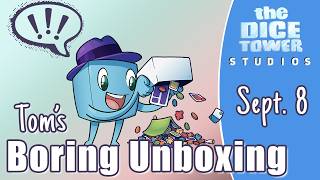
Reviewers describe Beer Mug Dice, published by 25th Century Games, as a light, quick filler with a sharp push-your-luck core. Rolling Dice & Taking Names plays the game with hosts Tony and Marty and comes away with the strongest opinion: the game only works when players are willing to keep rolling. Grant Lyon covers the game in a roundup of new editions, explaining how the game is set up and who it suits. The Dice Tower shows off the keg-shaped dice and the bar-themed box art during an unboxing segment, giving a quick look at the game‘s table presence without playing a full round.
The reviewers who actually explain the game agree on its basic shape. It is a three to six player game that runs about 20 minutes, and both Rolling Dice & Taking Names and Grant Lyon describe it as lightweight. Where they differ is emphasis. Rolling Dice & Taking Names treats the bartender‘s risk-taking as the heart of the fun, while Grant Lyon highlights the guessing game played by the people placing their orders. Neither review raises serious objections to the design, so the consensus is that Beer Mug Dice is an amusing, fast-moving filler rather than a deep strategy experience.
Core Mechanics That Define Beer Mug Dice
The Bartender‘s Push-Your-Luck Roll
One player takes the role of the bartender and shakes a tumbler full of keg-shaped dice. Grant Lyon points out that the game is a dice-rolling game in which there are no traditional dice, only beer mugs to shake and set down on the table. After each roll, kegs that land standing up are set aside, and as Rolling Dice & Taking Names explains, the bartender is then allowed to roll again. The bartender controls when to stop. If the bartender turns the tumbler over and no kegs are standing, the bartender busts, and that uncertainty is what makes each roll tense. Rolling Dice & Taking Names also notes that two special kegs can either double a number or remove numbers, so a roll can change the outcome in unexpected ways.
Secret Drink Orders
While the bartender rolls, every other player secretly places number cards in front of them. Each card represents a drink order the player believes the bartender can fill. Grant Lyon describes these choices as being made in secret, and Rolling Dice & Taking Names notes that players can commit one or two cards. The bartender does not see those orders before rolling, which means the bartender is gambling on the kegs while the guests are gambling on what the bartender can accomplish. When the bartender stops, the round is resolved. If the bartender cannot serve every order, the player who ordered the most becomes the glutton and loses points, and the bartender keeps the leftover beer. Rolling Dice & Taking Names reports that the game is won by the first player to reach 75 points.
The Beer Mug Dice Experience
Tension at the Tumbler
Rolling Dice & Taking Names describes the moment before a roll as the best part of the game. The host imagines having several barrels to roll and wondering whether each one will be standing when the cup is set down, and calls that uncertainty part of the fun. The reviewers agree that a cautious approach drains the game. The hosts go so far as to say that if players do not push their luck, the game becomes boring, so the table has to commit to the gamble for each roll to matter.
Light, Silly, and Quick
The tone of the game is playful. Rolling Dice & Taking Names admits that the premise sounds silly at first, but says the group kept playing because it was fun. The hosts describe a round-based game that finished in eight rounds, even though the score pad allowed for nine, which they took as a sign of how quickly the game moves. Grant Lyon also frames it as a small, easy-to-teach game, which fits the friendly, low-stakes atmosphere reviewers describe.
What Makes Beer Mug Dice Stand Out
Unusual Components in a Familiar Format
Grant Lyon highlights the novelty of the beer mugs as dice. The reviewer notes that the game is a dice-rolling experience without any dice, and says it is fun to have these unique-looking pieces on the table. Combined with the short playtime and the low setup, the components give the game a distinctive identity that makes it easy to recommend as a filler.
Reading the Table
Grant Lyon points to the guessing element as the feature that keeps the game engaging. Because the bartender has no idea what the guests have ordered, and the guests must predict what the bartender can realistically serve, each round rewards players who read the table well. The reviewer says this intrigue is enough to keep the game interesting, even though the rules are simple.
Potential Drawbacks
Luck Can Swing a Round
Rolling Dice & Taking Names points to the two special kegs that can double a number or remove numbers as a source of chaos. The hosts note that these effects can mess up a round, especially when the bartender decides to use them. For players who prefer decisions they can plan around, this unpredictability may feel like too much randomness layered on top of a game that is already driven by the roll.
Pressure Falls Mostly on the Bartender
Rolling Dice & Taking Names suggests that the push-your-luck element sits more with the bartender than with the guests placing orders. The guests make predictions, but the bartender carries the real risk each time the tumbler is shaken. Players who enjoy the bartender role will get the most out of the game, while those seated as guests may find their decisions have less immediate drama.
If You Enjoy Beer Mug Dice
Players who enjoy Beer Mug Dice are likely to be people who like short, lighthearted games that reward a bold decision and a bit of table reading. The bartender‘s roll rewards risk-taking, and the secret orders reward players who can anticipate what others will try. Fans of the push-your-luck tumbler decision will find a close cousin in Can‘t Stop, another game built entirely around deciding when to bank a result and walk away before a bad roll wipes it out. Players who enjoy guessing what the table will do, the way the secret drink orders ask here, may also like Coup, a quick bluffing game built around reading opponents rather than managing resources. Both pair well with Beer Mug Dice as a light opener or a palate-cleanser between longer games.
What Reviewers Are Saying
"It‘s a push your luck game. And to me, if you don‘t push your luck, it‘s a boring game."
— Rolling Dice & Taking Names
"This is a dice-rolling game, but there are not actually dice in it. There are beer mugs."
— Grant Lyon
"So, there‘s a little bit of intrigue in trying to guess what other people are going to do, guess what other people are going to go for."
— Grant Lyon