Good/bad second-edition board games, designing from theme up (guest: designer Ben Rosset) | Ep 141
Games in This Video
3 games are featured in this video — they unlock as you watch.


Transcript
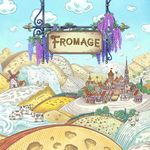
I can't wait to tell our audience today how what how we met our guests cuz it's going to be a funny story o hi everybody Welcome to the going analog podcast in which three board gamers bring a different game and topic to discuss I'm your host Christina ha and we met today's guest as you mentioned uh at a party during Gen Con he proceeded to introduce himself as the Director of HR at Panda game manufacturing which is a fantastic games manufacturer uh so that was neat but eventually he got around to saying he's also a game designer and they were things like between two cities the search for Planet X the search for lost species and Shu and I were just like dumbfounded why would you lead with that at a Gen Con party and not tell us the games you designed first right yeah it's a humble guy I'm the director of HR like oh okay all right I suppose also our guest Ben rosset didn't know that the search for series is my absolute favorite deduction game series but but yes hi Ben hello if I had known that I definitely would have led with it I think being at a panda party I wanted to lead with panda but thank you very much for the kind introduction of course course I think Ben did it more humbly right like he's not going around guess who I am I'm the designer I bragging about being the director of HR I guess right um he's also recently co-designed with Matthew MC Ali First in Flight published by artonic games and the upcoming fromage a midweight simultaneous worker placement game about making cheese which I'm very excited
about published by road to infamy games um so super excited to talk to you about all of these things and your design process and bunch of different topics that we're going to get to real soon so um what's your topic for us today Ben uh my topic today is second editions of games games that are re-released and uh and other types of uh kind of second editions or other types of uh uh uh products you know in the universe of original game yeah because there's quite a variety of how different game Publishers have done that and designers too so interested to break those down and of course everybody's relieved to know shu is here with me today too hi Shu why would people be relieved just have to change my intro to you every every every episode I think I'm supposed to be here yes yeah what's our topic going analog's topic for today so our topic uh Ben's designed some very thematic games uh with mechanics that seemed like we haven't played all your upcoming games uh but they all seem the ones we played like they're very tied to the mechanics in some way so we're curious about just sort of picking your brain and seeing how does Ben the designer kind of go through and tie his themes to his games yeah and because I love the themes that you've picked and have had a really fun time with that um we will start off though by highlighting a recent game um and asking our guests to talk up a game also so we each have a game today um I'll start off with chronolog logic Paris 1920 I do love me a deduction game
as we've discussed and this is a new one from um designed by Fabian gell and Yan levit L designers of touring machine another fascinating deduction thing and they've been going on a tear with this series of like different ways of doing deduction where it will give you that information in different ways um so previously we had also played archaeologic which was more of like deducing where shapes would fit within this Temple and now for chronologic if it reminded me a lot of playing clue um but a much better game than clue so um very light I'd say out of all of the other deduction games that they've played um so you are trying to in one of three scenarios you have several puzzles in each scenario and uh you figure out where people are at certain times of the night um at this Paris Opera by ask posing questions about either a location and the time of night or a person um and their location so as you find out more information by sticking a card in uh behind a cardboard thingy thing uh oh good job job articulate today um official term yeah yeah the thingy thing it will reveal how many times this person has gone through this room or um you know how many people were in this room at a certain time of night so you start uh narrowing things down and you can solve a murder you may need to Trace where a necklace was at the beginning of the night where it got passed off
through the thieves and where it ended up things like that so found it really approachable have showed it to a lot of friends and it's a really good sort of beginners deduction game I think so I enjoyed it yeah and then so we're going to say this and it's not because you're here Ben it's you're here because of what I'm about to say uh the search for Ser search for Planet X search for L species the new one search for Planet U search for um but uh they kind of ruined logic deduction games as a genre for us because uh we like them search for Planet X was just so good I'm like I could not go back to playing any others and then uh so this this is the one that we use as an example like uh to our friends like if you want to play uh a game like this where you're trying to use logic you're trying to deduce things and then try to piece together a puzzle and feel really smart in the process uh this is the shining example that game now once it came out um and we love search for lost species even more now the uh chronologic came out and then now to me it's like oh there's another game that kind of lives up there with me uh or kind of in that same kind of status in terms of I really enjoy it but I I like that they can kind of live side by side because it's it's also very thematic in terms of like who killed the detective or who was alone in a room at when they trying to solve these Mysteries very thematic um but shorter so it's a little bit I think if I was playing with less experienced players I would show them chronologic if
I was playing with Gamers who are like I really want a good puzzle I have an hour uh or so then I would take them to the search for uh Series so uh yeah I like them both very much but yeah chronologic uh is is really excellent because just how easy it is to jump into how streamlined it is and how thematic it is people have a lot to glom on to because it is very clue like you know what happened in this room with this particular character so uh I think there's a lot of you know easy entry into that too I really liked touring machine and you said the same design I haven't played chronologic but is this also does not require an app right like because turning machine didn't need an app you could do everything which is what impressed me like I couldn't even think of how do would I make search for Planet X work without an app but they figured out a way to do it with turning machine I was super impressed so yeah yeah I would I would love to give these these other games a shot as well Yeah we actually had a scorpion uh M on a podcast to kind of go over because we were also like how how you make a game like training machine it's like it's that's everyone's first impression it's just impressively made because it's all all the different Clues you get are done via these cutouts uh and putting different cards that are revealing different bits of information uh and it's just you get a bit of that DNA and chronologic but like this is a much simpler and lighter sort of game uh and yeah they did a fantastic job with it but they're doing a whole series in different settings because there are only like 15 puzzles per game but uh but
it's it's a good time it's perfect it kind of I was gonna say it kind of leads into what my topic is going to be later because said there's two games in the series already um and their Standalone games how how much do they overlap uh would you say it's uh like more than Ticket to Ride Ticket to Ride Europe or search for Planet X search for lost species do those two chronologic and the other share more DNA or are they are they more different I'd say they're pretty different cuz the archaeologic is more like a visual spatial placement of of pieces essentially and that plays very very quickly well I think chronologic feels more like a deduction like murder mystery type of game so for me I I I actually much prefer chronologic but do do you mean between the different chronics I think no I meant AR archeologic chronolog different but they also have quite a bit of difference in in mechanics as well both have like a non-app uh reader that gives you Clues but I'd say the archaeologic one is clunkier it's a little strange got this wheel thing it's like cool thing that one also I think exercises archaeologic exercises a different part of your brain because it's like figuring out uh polyomino pieces and how they fit onto the board so kind of it has that aspect because there a lot of games like that of like okay how do these Tetris pieces all fit on the board and you're getting clues about what's in different rows and
columns so it's a kind of different puzzle but yeah I think out of all the ones we've named including your games Benin uh I think this is probably the easiest for again for like someone newer to the genre to get into but mean but still something like like we played all these we still really enjoy it yeah uh and then we had some friends we introduced chronologic to and they fell in love and then but and then we're like okay the next thing you need to play now is the search for Planet X search for a lost species so there's a kind of gradu natural feeding is laying into that thank you so much for sharing I really appreciate it to the rest aric to pick up for me yeah she also had a different game to talk about today so yeah so normally uh Christine and I as going analog we we bring one game for the podcast to discuss and our guest brings one we're bringing two today uh the one I'm br a sacred Valley from Northstar games then the reason why uh we're doing two games is because we we're we're kind of behind truthfully ter back yeah so these are both uh media copies that we received and we're like we wanted to play them at some point the company sent them to us we're trying to cover them and then we want to get through these but uh sacred Valley so this is a game that takes place in Peru and during the Ina uh civilization time and it's about farming in this Valley uh and they they heed to kind of this tiered almost a semic communal system of farming and you learn actually a lot they have a lot of flavor text in the rule book that you could skip over if
you don't care about kind of stuff but it kind of it gives you a lot of history about what this game is based on so that kind of I I really liked it because it just GES more gives more context for what what you're doing uh but so in sacred Valley what you're doing is it's very simple uh there's this kind of central Farmland that you're all uh planting crops on and then you could take a tile like a potato was potato one actually I should check that um like car uh Chili Peppers like Peppers you plant one tile onto this grid and then in a future turn whether you or another player plants another pepper tile right next to that it grows that crop and then the more it grows the more everyone could benefit from it if you want so it's not a Cooperative game it's not even semi Coop but there's parts of it where like you have to think about do I want to make this crop bigger because it's also going to help other people um and then you can also when you start to harvest bigger and bigger crops you get these Harvest points they could turn in for money the money can be used to either grow different types of crops you can expand the types of crops you can grow or you can start to buy more tiles and then figure out so it's has some slight engine building to it um but what makes this game really appealing to me is I feel like there's sort of like we all acknowledge just Gateway Games right like sort of the games you would introduces someone who hasn't been in our hobby you know they're like they're maybe used to the monopolies of the world or Clues and Unos and they're ready for something better and then you
introduce in the Gateway games like take a to ride or a you know things like that this to me almost fits in that category but just like one step in like okay if they want something uh that's really really simple to get into but it has an extra layer because of the engine building uh this is a great one to have because it's it's super easy to teach it feels really rewarding you in no time you just like oh if I just do this and this I could just get a lot of money instantly cash that out and now I have a ton of money I could buy these things on top of the crops and then the getting new types of crops or getting more crops you can also get special powers from these assistance that gives you asymmetrical little uh bits that either let you break some rules give you endgame points or both uh so and that adds a little bit of an element too so but all of these things like it's like if you're you have a friend like you're ready to teach them agrica or Cerna uh but they want something a little bit like the next step in next step above a ticket to ride or a carcassone uh sacred Valley is is an excellent fit for that also there are alpaka mles so there's that yeah it's it's really cute yeah Dan how does it how does it play sh how does it play with two uh because you know it seems like it might be a little Zero Sum with the two players kind of playing off of each other does it play well at two players that's a good question I've only played it uh three and four uh so I've not played it a two player and then Christina actually you have I don't think You' played it right no why are you gaming without me yeah so yeah so I
don't that's a that's a good question I don't know that but I think because of the uh the uh different powers you get from the helpers right that it starts to kind of Branch off a little bit because now I might be there might be a power that says all seeds only cost one coin uh than there's a scale depending on how deep into the market you want to buy so that might change your tactics and things like that uh but it's a it's it's not very even though you're all building on the same uh amount of land it's not very Cutthroat it's not well I I take that back I did have a couple of moments where my friend could see that I was about to do something big and he did try to block me uh so that is possible but it's not too mean of a game again it's very very approachable uh and I like the very light engine building kind of aspect to this because uh by the end of the game it really starts to ramp up it kind of teaches you these elements like like the engine building uh the the different powers you can get from these assistants and things like that at a very nice Pace but by the end you feel pretty powerful you're like I just made a lot of money not going to spend that money and all these kind of things so yeah very nice light game uh sacred Valley from Northstar games excellent and Ben you brought this game too I did the game I'm gonna talk about is uh is a little bit older it's Century spice Road or Century Gollum Edition and it's not in my uh my reach right now to pick it up and put it in front of the camera but it's a game that I've played
quite a bit and just got back to recently I played it a few weeks ago and remembered how much I liked it and I thought well that might be something interesting to talk about on the podcast and so I dove into it a little bit because there's uh uh in so in Century spice Road uh if somebody hasn't played you are basically a spice Trader you are gaining spices uh from these pools of four different kinds of spices and then you're using cards that you engine building cards that you bring into your hand to trade and upgrade those spices to eventually buy Victory Point cards so then you're just trading in the spices uh on creating recipes on recipe cards and exchanging them for victory points uh player with the most points at the end wins uh and so the game is often compared to splendor very straight engine building type of game um and I dug into the math of it a little bit because I wanted to see kind of how this game works and um you know there's some uh talk online about it um basically each card that you uh have in your hand that you'll buy into into your hand will give you between two and four points of upgrade when you play that card which means that it will increase the value of the gem that it is that is converting the trades that it's making uh between two bumps up in increase in value or three bumps up or four bumps up there is even actually there are five cards in the deck I went
through the entire deck that only give you a one point bump um and this was really interesting because when you actually start to take a look at the cards you can see that a lot of them are strictly better than other cards that you can buy in the game uh so I was interested in this why would happen why would the designer uh do this uh and create cards that are strictly better than others where it's very easy to math out uh how valuable a card is and how many bumps that it's going to give you uh on the increases um the the most common ones are either a twoo or a three-point bump but there are uh eight cards uh that give you a a fourpoint bump um and I think that uh the reason that this works in the game is the economy that's set up and the river of how the cards flow uh uh the upgrade cards that you can buy are in a river the ones that are closest to you are free and then you have to pay a gem for each card uh to buy Cards deeper into the river and so I think this is what allows the economy of the game to work uh because you might see one of those four bump cards uh that's coming down the river and obviously everybody would rather get that card uh but it's a little bit of a game of chicken almost in who's going to pay for it first to go get that card as it's coming down the river so if everybody has played the
game before and kind of knows the math of the game uh there's kind of a an equilibrium point there at which probably you're willing to pay one or two gems for a four bump card you're willing to pay one gem for a three bump card and no gems for a one or a two bump card and so uh the game is kind of uh almost like an Arbitrage situation I think where you're just looking for little opportunities to get one bump or two bumps up on your opponent and so if uh if your opponents have let a valuable card come down the river one bump too far closer to and you can get that four bump card cheaper uh you should grab it right away because every time you play it you're going to get more and more value out of it uh so uh I thought that that was that was interesting kind of how the river um takes care of the math of balancing uh the card that the timing right of when you would buy of when you would buy the more valuable cards um I also looked at the um the victory Point cards in it and uh how those work uh and found that uh if you um there's there's a very straight math to the game where the lowest value gem is worth one Victory point then two then three then the highest value gem or spice if you're playing spice Road or or the gollem Edition is worth four and it's uh it's mathed out exactly that way so uh a
victory point card that cost you four of the fourpoint gems gives you 16 victory points um but there are some cards that give you an additional little bonus bump one or bump two victory points and those are the ones that require three or four different types of gems on the recipe of the card uh so a card that requires one of each gem is going to give you a two point twoo bump even though they're less valuable gems uh than something that requires four of the same gem even if it's the highest value um so I just thought it was I was interesting how the game is all about like almost felt looking at the game and analyzing the math behind it I almost felt like a stock ER you know that are looking for these Arbitrage situations and where they can buy a stock one second before the value changes and get it at at just a just a a couple of pennies uh you know lower than the price should be before the price on the exchange changes uh and uh I felt like Century spice road kind of kind of does this and sets you up as the player to kind of look for these situations where you can jump in and get an extra uh an extra Victory point but um also an engine building game uh and um I think uh that as you were saying uh Shu with the game that you were talking about uh you know your particular strategy your particular engine that you're building will also diverge a little bit into certain cards being a
little more valuable little little less valuable to you as well um so that will kind of break that um you know that straight kind of uh mathematical underpinning of the game um but it was a lot of fun to kind of take a look at it uh dive back into the game and look under the hood a little bit and kind of see see how the game was balanced yeah yeah story like the designer Emerson matsuuchi um we used to play a lot of board game arena games with him and he would just keep rematching me on Splendor over and over and over again and he would just kill me all the time because he hasn't mathed out and I didn't so anyway I hope Emerson's doing well but he's fantastic he also teaches G design and all of that stuff too so yeah he's just a fantastic guy uh and uh and an excellent game designer and I have no doubt that he is excellent at Splendor having design something very similar to it in Centuries by Road this conversation is also making me think that I might never want to play a game with Ben cuz yeah you're looking at games at a very deep level of like I'm like oh man uh I've never really thought to even do that kind of math on that game uh so yeah that might be tough you might do well cuz Christina is pretty good about mathing the stuff out to if I care to but we'll see yeah games like that you know one good thing that they do is they tend to keep the scores very close right so it's gonna
be unlikely that somebody wins by 30 points in Century spice Road right you're probably gonna win by three four five points so uh it's always going to feel like a close game at the end and you're in it exactly good experience yeah yeah I would love to talk about our topic and get into your design process Ben so we were talking about you know your very very thematic games which I always appreciate um obviously we had uh search for Planet X search for lost species I love the biological concept of that by the way because my background's in biology so I was like oh cool and then you have fromage coming out and I think a new addition of Brew Crafters too so you know really thematic games um do you start from theme first and then design is that is that generally your process I do start from theme first and I like to talk about uh games uh in two broad categories one is um systems modeling and the other being World building uh so systems modeling might be a game about viticulture a game about the wine industry and running a winery uh whereas a a World building game might be a game about fantasy Orcs And dwarves and some kind of magical universe that they exist in uh and I always gravitate toward like World building trying to base games on real world Concepts uh and then uh naturally
the theme is the thing that comes through for me first right so I will get um excited about a uh something that I see that's happening in the real world and say oh that's interesting what would a game about that be like and then try to model that in a board game so that's where my my process starts and it is almost always with theme what was your very first game that that that you because I know sometimes you might come up with a game and maybe it's not published first but like what what sort of got you into that first that that sort of theme and then this game sort of started developing from that like the first game that I I kind of modeled based on this is I guess my first well the first game probably ever tried to design was about getting lost in the wilderness and kind of like uh your plane crashing and then getting uh kind of having to survive on your own uh before uh before rescue teams could find you so uh very uh very um uh systems modeling right is a real world situation that could actually happen to you uh my first published game was Mars Needs mechanics which is about a a a a madeup mission to Mars which is would not seem World build uh World building uh excuse me would not seem systems modeling but the the publisher changed the theme on that and it was actually about going to a farmers market uh and uh and trying to get the best prices on Goods at a
farmers market so almost like maybe a century spice road kind of Arbitrage situation right when you go to a farmers market and there's three guys selling Tomatoes there who do you buy the tomatoes from right and how do you decide which tomato you're going to buy there's three vendors right next to each other and the tomatoes look the same so that was my first uh attempt uh to kind of model a system and uh it was about about a farmers market and it somehow turned into a mission to Mars changed the theme but uh yeah that was those are the the first kind of couple games that I tried to uh uh that I tried to model H is there like of the games you've designed and the themes and everything uh you know are there some that are just like oo this is very very personal like I love this thing and this hobby um and that's like cuz I I see a couple games about brewing things at home like what what what what are your interests that have translated into games oh man I think uh well I think my biggest interest if I could talk about one that's gonna be coming up is uh is games of course that is that my my biggest Hobby right now I'm working on a game about board game manufacturing of course I work at Panda board game manufacturer uh and so I had an idea about basically making a game about being Panda and running a board game manufacturing uh company and making board games and so I designed that game about making board games uh which got
picked up by bezier so it's going to be should be out in 2026 uh oh that's so far from here from now you'll learn by playing this game things take a while that's right that is very true that is very true uh so I think that's the one that's most meta most uh you know closest to my heart uh the topic of board game manufacturing um I never brewed my own beer but I used to enjoy going to breweries going to breweries I don't do that as much anymore and that's where I had the idea for brew Crafters was while I was visiting Dogfish Head Brewery in Milton Delaware like 12 13 years ago and I was on their brewery tour and I had an idea about running a Craft brewery and building a Craft Brewery from the ground up as they were talking about how they built their Craft Brewery from the ground up so it's things like that where I'll go oh that's interesting what would a game about that be like and set out to try to try to make it in board game form cool how about fromage which is your upcoming game about making cheap jez yeah the uh the story behind that is actually the Publishers r2i games they were working on a game about whiskey uh and it was just wasn't quite working for them uh the game itself it just wasn't quite coming together and I I was friends with them we lived in the same city and I said hey let me take a shot at this because I've got some ideas for how the Aging could work uh the aging process of whiskey um and I got into the
game and had some ideas but um decided that we my design part and I decided we didn't want to make a game about alcohol uh but we did want to make this game about aging something and so we basically brainstormed what other food products uh or drinks are aged besides things that are alcohol and uh and landed on cheese and not a lot of great games out there about cheese I know sounded like a fun right right so super surprising sounded like a fun topic to uh um to do and so I I guess that breaks my rule a little bit but it wasn't quite theme first because it was the Aging mechanic that we were most interested in and then kind of moved from whiskey to cheese um but uh but it definitely works and I was able to do a little bit of research and um whenever I make games like this I always uh you know encourage other designers who want to make games like this too to to do your research right um you know go to museums if you're making a game about something you know historical go read about this topic read some books on the topic uh I did that with with for First in Flight I read a couple of books um about the right brothers and um and just yeah try to learn about it and put yourself in that in that place in that situation as you eat the whole block of cheese you're like this is justar 60 pounds of cheese later and fromage how do
you can you describe sometimes where okay thematically you really wanted to include something maybe it's like this is a really cool thing in the real world I would love to somehow make it fit in the game but it just doesn't work for the board game and it's something you have to cut do you have a lot of experiences like that sure yes uh always even after being a designer for 15 years I still make the mistake that all new designers make of trying to put too much into the game and having to cut things um and um just this weekend I was uh play testing the new addition of Brew Crafters that I'm working on that's going to come out uh and there's a there's a a building in there called the merch shop where uh you know customers can buy some merch at your Brewery and it just wasn't working it was just an extra piece that was kind of there on the side and it wasn't really integrated very well into the actual game itself uh and it was um complexity for complexity sake and and so you know the right thing to do in those situations is always to cut and to take it the game rather than trying to rather than trying to fix it uh so you know I think I don't know this is attributed to Steve Jobs but I lots of people have probably said right the Your Design is done when there's nothing left to take away and that definitely applies to board games uh so yeah it's almost always the correct answer is to um is to
take something out if it's if it's not working um I'd say um yeah in uh in the the search for for Planet X there was a lot of that right because I kind of started with um the model of Alchemists by cge as as kind of a mechanics model for the game which is another deduction game uh and that uses an app and just strip away strip away strip away strip away till I could get down to what I thought was the core of the deduction system um you know without anything else kind of around it interfering with that and um so that's always happening constantly happening I still try to put way too much into my games and have to cut and have to have to take things out I always think like for very thematic games like to make it work as a game just sometimes things have to give like I love Arc NOA probably one of my current favorite games you're building a zoo and like the other day a friend was saying like you know raccoon is is classified as bear and I was like yeah and they even have a little like you know outtake in the role book about like there were some things we had to recategorize for gameplay and we apologize things like that so um but it is you know if it makes a better game and everybody knows about these things that had to happen it's fine you know I think art side yeah that's the art side of of it's a little bit of a science it's a little bit of an art and you know can take a little bit of thematic license um you know to make the game
work I'm looking forward to we didn't get a chance to play fromage um but we saw it being demoed at Gen Con so I was like it's beautiful art very excited to play it I love cheese so you know it's right like right down my alley yeah we after we saw it jenan like we didn't get again we didn't play it but Christina's like let's go let's get it just uh based on looks and theme alone so we and Ben Ross it so you know oh wow thank you so we went and pledged for it thank you so much thank you so much it's in beta on BGA right now and I would be uh honored to teach you I'd be happy to teach you if if you want to play on BGA sometime oh definitely take you up on that yeah
awesome and we want to save some time for Ben's topic can you remind us what that is today yeah my topic is a second editions of games and this has been on my mind because I am working on a second edition of Brew Crafters right now uh and and so I started thinking about um the different ways that second editions of games uh could be done and came up with a bunch of of categories around the idea of of second edition's ways to do it um and I thought you know maybe I could just run through those a little bit and as I was trying to get my mind around things there's there's so many ways to do alternate versions um maybe second additions of games um you know there's things like anniversary editions right carcassone anniversary Edition pandemic 10th anniversary edition maybe not a full second edition of a game but a way to refresh it um there's essential editions that uh ston Meer and Jamie stegmeier like to do which is kind of taking a base game in an expansion and then putting them together in a new altered standard base game that gets sold right viticulture I think is the model for this uh being successful with this um there's family or kids versions of games I think um agrica recently has come out with an agrica family version which is only four players instead of five players and maybe makes things just a little bit simpler maybe makes the price point just a little bit lower there's also My Little Alchemist coming out from CG I've heard of I've heard
about My Little Alchemist yes I have to get that because it's I don't think it's going to be a kids game I think it's going to be for you know just a simpler version of Alchemist maybe my little Scythe type of situation I'm really interested in that abely thanks for reminding me about that do you know when that's coming out I've got they were talking about it at Gen Con so I'm not it's got to be within the next year but I don't know when exactly yeah I I think I think it's by the end of the year but maybe an Essen we'll see yeah yeah so there's all these different ways that you can do kind of you know next Edition second editions of games and then there's what I think is like a true second edition which is maybe Twi l Imperium 3 versus Twilight Imperium 4 where you really take the game and just update it from more modern mechanics and say no this is the same game but we're intentionally improving it and re-releasing it as a better version of the previous thing that we had and so I think that's kind of the purest form of a second edition of a game I think Eclipse versus Eclipse New Dawn is another good example of that um and also Brew Crafters that I'm doing uh and going to be released probably in 2026 um and so uh you know I started thinking more about this and like what is the purpose of second editions and the definition that I came up with I hope you don't mind that I'm reading the definition I came up with is you know uh
uh the intention to make fundamental improvements to gameplay that update for more modern design sensibilities and so I think that's why you would release an eclipse New Dawn versus an eclipse is uh 5 years later or 10 years later the game gets a little stale because game design has moved forward and moved past some of the mechanics that may have been used in the original game and so the designer wants to go back and update the game for more modern design sensibilities uh and I think that's really the primary reason to do a true second edition of a game from the designer's point of view um I was originally surprised that the community would accept second additions to games um you know it it seems to be something that is happening more and more and consumers seem to be okay with it uh you know I would have thought that maybe they would be upset that oh I already bought this game and now you're asking me to buy this game again or you know there's something wrong with it so you're making it better uh but that doesn't seem to be the case uh the community seems to be pretty accepting of second editions and I started thinking about that and I said well media does this movies get re-released uh and they get updated and people go and spend money to go watch you know the same movie with new actors or you know new special effects that weren't available 20 or 30 years ago and so why not why not go back and you know buy a
new version of a board game that gets updated with better components and better art uh you know and better mechanics than was available five or 10 years ago so um I'm uh I'm thrilled that uh that the consumers and the the industry seems to accept second editions of games um and uh yeah it's a it's it's just a way to um to dive back into something that you love and to and to say hey we can do better now and let's do better and let's re-release this uh and and update it for modern standards uh so yeah it's it's interesting I've been trying to play more second editions of games now as I've been working on uh on Brew crafters and uh you know to see kind of how designers how designers tackle it so it's I think yeah because you know we've definitely backed and played second edition sometimes it's our first introduction to a game so I think there's a natural sort of Rhythm to it in board games because games just go out of print so sometimes that second edition is going to be the way that new players can get an addition that doesn't cost $300 or something um but you know the reception can be very different I think sometimes on some second editions people are like yes this was definitely smoother better and other people are sometimes upset because some of their favorite parts of the second edition uh sorry some of their favorite part of the first edition maybe are no longer there in the second edition and so I think the walking that line can be really difficult for for some designers and Publishers yeah yeah and there are definitely people out there who get
upset that uh uh games being made I don't know if that that is driven by maybe they they think there's like hey my rare first edition is very valuable and it's like hard to yet and not many people have this and now it's going to become available to everyone and they're gatekeeping on some level perhaps um I've definitely SE some people complain uh about new additions and they don't like the art or they don't like this or that uh so um one that I really remember was TMG putting out a newer edition of genes and it was like beautiful like all the components are amazing and I literally saw one post like I like the uglier one better because it's more pure and I was like this this just like what but it was very much a board game geek random person so yeah I think in exercising you can't make everybody happy right some that are going to like the original version and do you think that the that the amount of time that goes by between a first version and a second version is important I think if a publisher tries to release a second version a year a second edition a year after the first edition uh I don't know you're asking people to buy something again a year after they bought it that seems more like an ad that we made a mistake and did something wrong in the first printing of the game and now we're asking you to to pay for us to correct that uh but I think if you get into like four five years or more that maybe feels like an acceptable time frame to kind of release a true second edition of the game yeah I think either like modern
game sensibilities like you're saying sometimes even the designer like they've matured more or they like you know have better ways to realize what they wanted I remember um uh from Red Raven games he put out a second empires of the Void because he just had such a soft spot for the original one but it was like his first game that he published so um made a whole new empires of the Void too so yeah do you to like uh so sometimes some Publishers will release a new version or an updated version and then they'll offer an upgrade pack for owners of the first edition to get certain key things like you won't get the new box necessarily or maybe a new board if it's like hey I'm going to give you new cards or these new things so that you basically have most of the second edition it kind of catches you up do you like that or do you not care is it is it perfectly a fine way to upgrade a game I think it depends on the amount of differences right for like if it's within a few years like Ben was saying and they're they are doing this new addition and there's certain things that are better if they can make that easy for me to catch up I would probably just keep my first edition and update it but if there's significant differences like there is this whole reshape of it then um hopefully that was several years later and then it's a better game and I want a new better game so yeah yeah I think it's going to depend on the scope of the of the changes uh it sometimes
like I I know for brew Crafters it's changing enough where that kind of thing just wouldn't be possible all of the fundamental elements of the game your player board the main boards the mechanics are structurally changing enough where it just you would have to sell the complete new game except fors you know and maybe some cubes if you wanted to sell an upgrade pack so it wouldn't make sense because you'd be buying 80% of the new game anyway uh so yeah if the scope of the changes are small enough that uh it makes sense to to to make it and to ship it um I think that's great and I think that's a great option to give your fan base and to give the people that um that already are inclined to like you and want to keep liking you as a publisher to give them an opportunity not to buy the whole game again if they don't need to is is fantastic um with some games it's just not going to be possible because too much is Chained yeah I I agree I think it's great for the people just those people who will complain about uh hey there's a slightly better version than the one I already paid full price for um you kind of get a chance to appease them at a cheaper cost uh I haven't had a lot of great experiences with that myself to the point where now generally speaking even if it's a small change uh I would prefer i' like you know what it's just almost cleaner to sell the old game and get the new game and just have a clean new this is 100% all the new stuff as
it's meant to be now uh like an example was the battlecon uh indings world games from level 99 games these are uh fighting Gam it's kind of modeled out a video game fighting game like Street Fighter where two combatants are fighting in your playing cards to kind of position yourself and try to attack and parry and position and everything uh they made a new addition they were like we're going to clean up everything release kind of this a sort of their essential Edition two giant boxes everything but they're like if you only want the giant boxes for storage uh we can also sell you an upgrade pack with the cards that you need to get your cards up to the balance which is okay I'll I'll do that cuz I don't need to re everything but they didn't update all the cardboard tokens so all the different characters some of them have tokens to use their different powers like they could lay traps whatever it is they're like they did when they needed to but then when you can easily substitute and just pretend this old token is now this new token uh they would do so and they had a list of things and I'm like ah man I like I wish you would have just given me the I would have paid for these new tokens all so they're not named the right things they're not uh represented graphically as the right things cuz the new cards were represent the new tokens but if you have the old tokens you just have to make that swap uh in your mind and then I was like that left a really bad taste in my mouth so if it's small enough where it truly does just replace it I think that would be good but you never
know right it can be difficult to know if that's actually going to be accomplished yeah Christina mention I see in her nose here you mentioned Mansions of man as a game to come out I think that's actually one of the best examples like there's manions of Madness and then uh the Star Wars one imperial assault Star Wars Imperial assault so these are both uh the previous editions of these games there's one person running the game so in mansions of Madness this is kind of in the cthu universe uh one person is kind of controlling the mansion that the other players or investigators are going in they're trying to uh discover what's going on and they're fighting monsters that are going to be appearing and they're dealing with all these kind of bad things that the game master is sort of running same thing with Star Wars Imperial assault one person's playing the Empire everyone else is playing the rebellion and then uh you're it's just one V all which is a fine way to play I like those game I I kind of like those games I don't like being the game I don't like having to fight everyone and make everyone at the table uh kind of whether they're happy or not it really depends on me but uh the new additions of those games now are driven so then uh you don't have to create the puzzles the app will create the puzzles and now everyone could just play together same thing with imperal ass salt I haven't played the new version of it but now you don't need a person running the game the game will do it automatically and then you could just join with the rest of the group so I think those are significant Improvement because it it fundamentally changes the dynamic of the group itself
and it kind of doesn't put that one person in that position of like I have to balance how mean I am to everybody if I want to win or do I make this miserable for everybody so that I could win and those kind of considerations yeah I think I I think that's great obviously with I'm a fan of inserting apps into games to do uh to do some of that work so you don't have to have a GM running the game so I think opportunities to release second editions that way that sounds like a really good reason to me yeah and then like you know it brought up CU there's some games that are not fully second Editions but sort of re-implementations where they might even change the name and and it's sort of just was bringing to mind that's interesting like if it changes enough is it at that point where you just want to like change the whole property name so that people don't identify it with that original one anymore so um just sort of interesting to think about cuz I was we were recently playing Middle Ages which reimplements Majesty for the realm which is a lighter game also by Mark Andre who designed spund um but they fundamentally changed the drafting um sort of making it more King Domino style rather than just a river of cards it's into tiles now and they changed the whole name for that so I I was interested I mean it looks completely different from what I can tell um but I never played the original game so yeah it's just an interesting choice I think uh if they think it's different enough we're gonna just reskin the whole thing yeah I think that's a great question for Publishers
really to answer is why would you you know should you change the whole name of the game or should you stick with the original name and to me my guess is that's going to be about audience is it the same audience that we think will like this new skin of the game or if it's a different fundamentally different audience that we think is not going to like the new theme better to probably just change the name altogether so uh yeah I'm sure there's marketing a lot of marketing questions that would go into that into that decision um one one last one I'll mention uh because I literally before this podcast recording I was looking at the new Puerto Rico uh special edition remake uh what I don't even know what they officially client it the Super Deluxe Edition from awaken Realms so they previously did this sort of really Ultra high-end production remake of uh the castles the castles of burgundy which is an all-time classic game and they made the best version of it from a production point of view including all the expansions and all this stuff yeah it's a must buy if you like that game although the box is gigantic they're doing the same treatment for Puerto Puerto Rico but this one is based on Puerto Rico 1897 so that was of itself before the special edition Puerto Rico 1897 was a remake of Puerto Rico uh with the specific intent of removing the problematic elements of the original game because the original game involved slavery right uh you were part of the
game was you had to bring in ship in colonists to work on the plantation didn't explicitly yeah reference slavery or say so but you knew that was what was happening and then when I I think in recent years as people were more kind of being sensitive to these kind of problematic issues being more aware of them and talking about it more uh that's one fantastic thing about new additions is uh one basis for it might just be to uh fix some of these like uh mambasa was another problematic game about colonizing uh and then they re themed it to a space theme uh I forgot the name of the new game I played it as well but U uh so I I'm all for this because I love Puerto Rico as a game game like I think it's a fantastic game but we haven't played it in probably a decade because it's you feel bad right it's like I I'm like what do I do with this game I love it I would love to show people show it to people because it's a fantastic game but I don't want to play it it just it feels bad to play and so I'm I'm happy for these kind of changes in the industry as well yeah I'm uh I'm always interested to see now how Publishers are handling that within within the rule book for instance I know Ticket to Ride Legacy last year you know had a little blurb at the beginning of the rule book going uh we know that all this land that you're about to be settling here in the 19th century was not empty and there were a lot of people that died uh you know as this kind of Westward Expansion kicked people off of their land and um so you
know know I think that's a good thing as well to um you know to make note of that whenever whenever possible uh and I'm glad to see Publishers doing more of that yeah for sure brings up a lot of things to consider in the games that you decide to play now absolutely uh so thanks so much for joining us today Ben uh so excited we could talk about all of the stuff and where can people follow you and what you're up to new games all that stuff what's happening in HR maybe not that part but the boring HR part let's talk about we're just talking to Ben the designer today well sure yeah the best way uh to catch up with me is uh to go to uh my website which is www.ben ret. games uh and you can see some of the things that uh that I'm up to there um I post some uh kind of designer advice on that website from time to time uh and also when I have new games coming out uh kind of put an announcement about it uh you can also sign up for my uh newsletter there which I don't even think I've officially sent out one yet I'm kind of waiting for forage to land in stores before I send out my first one so you know maybe once a year or something uh but my my email list is there my substack you can sign up for that there as well awesome you can catch the very first Ben rosset newsletter sign up now that's right get in early get in early uh we hope everybody enjoyed our show today thanks to our super editor Mike Zipkin and don't forget to check out our trivia show the the board game P
show on YouTube we are almost done with season 5 but we've got a little bit more coming so catch up if you haven't watched it already um it's a crazy hard content creator season so you can see how you stack up one funny note real quick was uh when we first asked Ben when we met you at Gen Con and then we wanted to invite you on our show you thought we initially met the quiz show the BG quiz show and then you weren't quite as excited about going on that show than you as you were the podcast so well thank you so much for having me on uh this is this is a great discussion uh it's great to catch up with you again and I'm so glad that we ran into each other uh at at Gen Con and and hope to do it again next year likewise likewise now everybody can stop listening and go play a game bye bye bye