Historical Fiction Chat: Sharpe, Flashman, and the British Empire in India + Afghanistan
Games in This Video
1 game is featured in this video — it unlocks as you watch.
Transcript
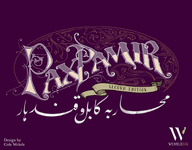
hey Gamers this is Liz Davidson and I'm here to talk about um kind of those moments where gaming and reading coincide so because I love historical games I very frequently end up picking up books about the games that I'm playing or I'll pick up a game based on a book that I've read so this time I played a game first and ended up doing some reading so I uh as you might know love paxmere Second Edition from World League games designed by Cole Worley and I have in the past read DOT rumple's book about the great game in this period in time and it's it's a piece of historical work that I really really enjoyed but sometimes I just want some light reading and I was on Barnes Noble not too long ago and I ended up picking up Flashman this is a bit of historical fiction published in 1969 I think the first volume was um but this is just sitting on the shelf in Barnes Noble I knew what it was because Flashman got mentioned in the rule book for um Past premiere and I just wanted to know what was inside and I ended up enjoying it with some caveats and I think that that's why I felt inspired to make this so the Flashman series is written by George McDonald Frazier and it is about a really just morally reprehensible um named Flashman Harry Flashman and he basically ends up doing things at these momentous times in history and these events that are a huge deal for the British Empire but he himself is generally kind of cowardly and useless um I mean you know he likes to sleep with multiple women he's generally a
coward he's not very honest he really just wants to be lazy and flirt around all the time and that's all he really wants uh he likes to drink as well and so he's not a very honorable person and like he'll tell you the book is written from his point of view that this is the case he's well aware that he's kind of a turd um uh and nonetheless he ends up getting credit for and getting recognition for things that maybe he never did because he's in the right place at the right time all the time he's also pretty useful to the Army because he's great at languages so you know he ends up being all these diplomatically interesting positions because that's his like one actual useful talent in life so the thing about the Flashman series is that Harry Flashman is supposed to be reprehensible um and that's honestly okay like the book is a big rocking adventure story anyway and I can absolutely see why it had and continues to have appeal however the book also has some extreme drawbacks I think unless you know for sure what you're getting into when you start it and that you're okay with it so we're talking this incredibly distracting for me racist language because he uses the n-word to refer to people in India basically anybody who's not a European and it's constant it's like multiple times a page it's extremely dismissive and gross it's the sort of thing that like I'm honestly surprised it was published in 1969 like I get this historical fiction and that it's about a period um you know it's about the first volume happens in about 1842.
um so I get that it's meant to reflect a historical period where people probably really did talk like that but I'm stunned in 1969 people still wanted to read that because I guess times have really changed and maybe for the better um and now I really think that most people with modern sensibilities would not love the language and I'm not saying that you should never read it or that it's bad because I enjoyed it and I might actually read another Flashman book at the same time it really led to some questions for me about like what needs to go in a historical fiction to get the point across because Flashman was so gross that it was just gross as it was as a reading experience um there is also massive content warning everybody for sexual assault um there's a scene in the first book where he uh he rapes a woman and he doesn't feel bad about it at all he's like yeah I had to do it she had attitude and um he then goes on to say that like well I can see why people would enjoy that but like I generally prefer willing partners and I'm just like ew that's so disgusting and I and you know I wasn't super disturbed by it didn't bother me all day as reading content at the same time I did feel gross while I was reading it it made me feel differently about the book and it also really made me think multiple times of whether I would ever recommend this to another person basically I would never just tell somebody I didn't know really well that they should go read Flashman because really their stuff in it that I don't I really don't know how
an average person would respond that I'm assuming pretty negatively actually that said the book is interesting it's about a really interesting time in history the way the historical figures are depicted in the book is really interesting and you know I really did enjoy reading it you know George McDonald Frazier has a really good sense of adventure and of pacing and of silliness and you know there are a lot of things about the book that make me understand completely why it ended up being a huge series and why Flashman ended up being really popular so in many ways it doesn't surprise me at all that it was successful that people still talk about it at the same time you know would I put this on a classroom Shelf with no warning for kids no I don't think I would show this to high schoolers at all um I would absolutely assign something like this to college kids because I sort of feel like at that point you are old enough but I would put warnings on it and then for just pleasure reading you know the thing that really tickled me is that I just picked this up on the Shelf at Barnes no I didn't fully know what it was I assumed I was going to run into some kind of imperialistic perspectives but the back of the book just says Meet Harry Flashman in the wildly funny and historically accurate cult classic that introduced us to History's Greatest Adventurer Randy's Cad and most incorrigible scoundrel the Flashman follows flashy as he lies steals duels and winches his way from 1839 England to India to The Wilds of Afghanistan along the way he survives military incompetence ambushes torture venomous snakes and vengeful women and emerges Against All Odds as a Bonafide hero of the realm and it says like oh splendidly entertaining from Times magazine
and so it's just presented as kind of like a normal book but I kind of feel like the content of the book has aged enough that it's no longer just a normal thing that a normal person would just pick up and then have a normal reading experience and that is like really interesting to me it doesn't mean the book shouldn't be sold uh it doesn't mean they shouldn't read it I actually never think that basically um but it does mean that the marketing is a little weird and so I went around thinking like okay you know what would be an uh counterpart to this that I think is a bit more palatable but still has like that same adventure fun vibe and is still historically accurate and I think maybe the answer to that is something like Bernard Cornwell's sharp Series so I have recently read the first two books I'm about halfway the third of the sharp Series so I read Sharps tiger and I read Sharps Triumph and you know these aren't the first written they're just like the first in Sharps career so I think Sharps tiger was actually written pretty recently but I really enjoyed those books a lot and sharp is you know so the Flashman the first Flashman book covers like the events of 1842's like miserable British retreat from Afghanistan which is why I got mentioned in the Pax premiere Game book um then you know Sharp's career is happening a bit earlier so his first adventure takes place in about 1799 but it's still Brits in India other Europeans in India
different powers fighting for control and so you get some of the same Vibe and some of the same attitudes but the way they're presented in cornwall's book is just really different um the language is a lot more respectful like our people presented as racist in the book yes absolutely our soldiers presented as you know men who purchase prostitutes and do really bad things and drink too much and all yeah absolutely like it's basically what you would expect from of an army that's like looting conquering and also doesn't respect the people that they are conquering um you know there are different there are definitely reflections of status differences between officers so issues of money and privilege and also differences between European people and people who are from India and who have been brought on board in various armies so I would say that Cornwell's work is still in that realm of like yes this is historical fiction it is fun it still presents a lot of historical accuracies but it's also a lot more palatable to read and I just think that there are some interesting questions to kind of approach with that and like this video is not meant to answer everything it's just kind of me thinking about this because I want you to think about it with me too so I guess it leads to the question of when you're doing historical fiction how historically accurate should it be and then where do you allide things to meet modern sensibilities because I think that this is a situation where you know I haven't read a lot of fiction from the actual period where Flashman is
set but I do know it's an alleged like sequel to a book from like eight the 1800s and so I would be really interested to maybe read around a little bit in some of the actual period documents where Flashman set and see if people did talk like this um and how much of that is you know attempt at historical accuracy versus modern interpretation of that setting so I'd want to know that and then I guess the question is even if it is like perfectly historically accurate and I'm sure there's a lot of realism in there in terms of how British people saw the Indian people that they conquered and mistreated um of the British Empire you know how much of that needs to make it into a modern novel that is said in historical period at what point is historical accuracy actually not something that you need to fully have in a novel that's meant to be entertainment and like I wonder about these things a lot as somebody who studies Rome um you know it's really easy to kind of focus on the aspects of the Roman Empire that we like or just a lot of the stuff that we don't like it's not totally clear to us like we don't have enough colloquial language to be sure how Romans all spoke to each other and so you know we're working with limited information we're doing our best we can get a sense of like Roman cultural attitudes I think with these books it's kind of a similar situation of like well except maybe we have more material in a lot of ways um but it makes me wonder like okay how accurate does language need to be should you have somebody speaking in relatively
modern language but reflecting ancient attitudes in your historical fiction um to what amount of accuracy does historical fiction owe to its source material and how much authorial interpretation and modernization should be there for it to be an interesting and entertaining book that's still informative and then what do you lose when you make either of those decisions so I don't really know the answer to that but it's something that I'm thinking about right now and it's also something that I think about when it comes to games about history um I know that you know for example reacting to the Past games deal with historical periods where people said and argue some really disturbing stuff uh but there are ways to acknowledge that in the classroom while also not making students actually make gross historical arguments that are offensive to themselves and their classmates and so I wonder if historical fiction people who are writing it you know are they treading those same lines um and I would be really interested to see more discussions of that and I might start some here um you know I know this is a board game channel but I read these books because I like to play the board games about these historical periods um and also you know it doesn't it's called Beyond solitary there are a lot of things that you can do by yourself such as read a book so uh that's all for now I'm gonna end rant here but if you have any thoughts on this issue I would actually be really interested to hear what you think um I think it's worth discussing like what are we talking about when we talk about history and then what are we doing when we write historical fiction so thanks so much for watching um please like subscribe comment and
most of all happy reading gaming all of it go do it all have a good day guys um foreign