Molly Houses, Queer History, and Identity (w/ Jo Kelly) | Board & Book #4
Games in This Video
1 game is featured in this video — it unlocks as you watch.
Transcript
Hey everybody, this is Liz Davidson from Beyond Solitire and I'm here with Joe Kelly, the designer of Molly House uh to do a board and book. So, we're going to talk about the the cool stuff behind the game. How you doing today, Joe?
Yeah, I'm doing good. How are you, Liz?
I'm doing great. I love an excuse to have you on. Um
I'm I'm happy to be here. This is very exciting. So, uh, for people who do not know what Molly House is, um, could you give them like the highlevel explanation of the board game?
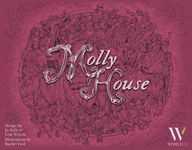
Sure. Yeah. So, um, Molly House is about the queer community in London in the 1720s. Um, so Molly's were a kind of mix of maybe what we might think of today as queer men, um, trans women and, uh, sort of gender non-conforming people who sort of built community together in like the back rooms of, um, ins or uh, coffee houses um, in London. And so in the game, you're playing as Molly's. Um, your aim is to uh get as much joy as possible and uh you do that by collecting cards representing your desires and then playing those into festivities at the Molly Houses where you're going to collectively kind of be making these kind of poker style hands to to score joy. Um, the player with the most joy at the end is going to win, but that's um assuming that no one gets caught by the cops who are obviously after you. um they want to collect evidence against the Molly houses, get them shut down and arrest you. Um and if you get caught, you then have the option to turn traitor, become an informer against the community, feed information to the Society for the Reformation of Manners, which is the horribly named organization that was after uh the Mollies at that time. Um and maybe avoid um the kind of punishments that they would get from from indictments. um
against them uh that way. Um yeah, that's the kind of broad overview.
Excellent. And uh I have you on today because I know you did a lot of very cool historical research um as you as you brought this game into being and um you know it this uh the game success is a long time coming. I remember when it was a Zenobia project. So um what what made you interested in this topic to begin with? like what was something that you kind of started to scratch the surface with and then knew you needed to go deeper?
Um, so it was it was something I'd heard of a while before hearing about the Zenobia Award. Um, so uh it was actually my composition tutor when I was a music student who wrote a piece called Molly House. Um, which introduced me to the concept of what a Molly House was. Um, but I sort of didn't sort of look look into it any further. I think it was quite hard to find information about it at the time. Um, but then it kind of came back to my mind when the Zenobia reward announcement went out and I looked into the history a bit more and um, found a lot more resources online and then sort of that led me down the rabbit hole of like looking into more books on the subject and like journal. um articles and that kind of thing.
Fantastic. So, uh speaking of books on the subject, uh what is your first recommendation for us if we want to go down the same rabbit hole?
Um so, I think the the first one is maybe the most obvious um one to talk about, which is Mother Clap's Molly House. It was it was a long uh RTO Norton. Rita Norton was the author of that one. Um, so sort of the I guess if we're looking at like the older kind of stuff that's been written about Molly Houses. Um, I'll actually I'll talk about um Rand Trump before getting into RTOR Nton. So,
okay,
Rand Trombach uh was maybe sort of one of the pioneers of like looking into the history of Molly Houses. Um [clears throat] so he did lots of archival research like looking into um the records um of the trials mostly. Uh so kind of going into the archives of the old Bailey records, uh the kind of the records of all the the trial documents that were that took place at the old Bailey in in London and um I guess scouring through those uh and finding the ones that were linked to um the kind of appropriate crimes which were things do to do with sodomy which was the kind of name that the law came under when it was sort of talking about um crimes of queer sex, I suppose, uh at at the time. Um and also sort of uh keeping a body house was like if you ran a Molly house, [snorts] that's kind of the the offense that you were committing. Um so he did a lot of research and he wrote uh quite a lot about that. Um a lot of it was in articles in journals and books. Um, so there's a book called Queer Sites, uh, which is the kind of queer history of lots of different cities. Um, I think they're all European cities in the book.
Um, but the, um, he wrote he wrote the article on London and um, [clears throat] sort of explained a lot about the history of Molly Houses in in that um, article. Um but then uh so he was doing that in I think like the 80s and 90s um to start with and then RTOR Norton kind of came along and wrote something more like a popular history of um I' I'd call it a history of like uh gay men in England specifically. Um, so his book is called Mother Claps Mother Claps Molly House. Um, but that's actually only part of what the book is about. So it kind of covers um the history of England from like I think probably like 15th 16th century up to sort of the the 20th century. Um, and obviously Molly houses form quite a big part of that history. Um, so there's definitely references to Molly houses in the 17th century, like the late 17th century. Um, and that's sort of when they start to get policed by this society for the Reformation of Manners. Um, so when you look before that time, the
the laws were still in place. So it's like um the actual like sodomy laws I think were brought in by Henry VIII and then sort of revived by um Elizabeth [clears throat] the first. Uh but actually there's like very few convictions before the late um 17th century. Um before that time there's there's only a few cases and then there's a big spike in this period. um which kind of reaches its peak in the 18th century um or I think it reaches one of its peaks in the 18th century I should say um which is this period around the 1720s which is when motherclap's molly house was raided by constables of the society for the reformation of manners um I think the figure was like something like 40 people were arrested in that raid um most of them were not convicted of anything. Um but um Mother Clap was uh sort of the person who ran this Molly house. Um and she was tried for I think keeping a boardy house cuz she ran the Molly house. Um and then uh I think three other people who were taken in that who were who were sort of mollies who were maybe frequented um mother clubs Molly House
um on the kind of strength of evidence from informers who sort of gave evidence against them. they were tried and sort of convicted of um sodomy which was a which got the death penalty at at the time and uh they were they were hanged at Tyburn um in 1728 I believe um no 1726 um and so this uh this forms like the kind of central part of of the book by Rita Norton Um, I would say the book feels quite dated now in a lot of ways. Um, [clears throat] it was written in the '90s. It's it's very keen to position itself as gay men's history and not um nothing to do with trans history at all. So it kind of one example is it explains away Princess Saraphina who um we can talk a lot about cuz uh she's one of my favorites. Um but she's she's described in Rton Norton's book as um a full-time drag queen.
Um, and he's very, he goes to a lot of lengths to say she was not a trans woman. Um, which I think really tells you where we were in the '9s and maybe where we've got to today where I think it would not really be questioned that she was um, she would probably have considered herself today to be to be a trans woman. She's sort of living full-time um as a woman um and seemingly sort of accepted by the the people in her life and her community even outside the Molly houses as as Princess Saraphina. Um like so the the main kind of evidence that we have again uh about Princess Saraphina comes from when she um accused someone else of having stolen her stuff.
So, she's she's actually the one bringing the complaint against someone else. Um, she complains that someone stole her clothes. Um, I mean, presumably while they were doing something um that uh maybe was not legal at the time, but she's kind of brazenly um bringing this case against someone. um and the people that she brings as sort of witnesses um don't know her by her sort of birth name. They they know her by by the name Princess Saraphina. Um so I have I have mixed feelings about that book is is what I would say. It's like [sighs and gasps] I think it was quite p pioneering in sort of popularizing the history of Molly Houses and maybe bringing it to a wider audience. Um but it also feels quite dated. Um it's both feels quite transphobic and there's also some misogyny in there as well. Um for uh for for an added bonus, I suppose. But um yeah, I think it's it's it's good that it is out there and I think there's I think it's good to good to read it, get that kind of backing. I think Rictor Norton did some good stuff. He made um an online
archive of all of the stuff from the old Bailey records that was relevant to Molly Houses. So, so that it was actually accessible sort of without having to go and physically look at the old Bailey records. Um, but since he's done that, the old Braille records have actually been digitized and anyone can search those. So, if you want to look at the primary sources, they're all available to anyone. Um, which is great.
That's actually amazing. Yeah, you're making me think about how like when we're doing history, like you're doing the best you can to describe what you think happened in the past, but by doing it, you reveal something about yourself, the present, and how you understand the world.
Um, and I feel like, yeah, especially looking at queer histories, I am sure that something from the 90s reads a little funny now.
Yeah.
Um, like movies and TV shows from that era have also not aged well. And so I'm now like at a point where in my lifetime I can look back at things that I thought were normal 20 30 years ago and now I'm like
yeah it's amazing how much has changed in in that time. So yeah
yes despite best efforts. Um so um I uh I wanted to kind of touch on this like you mentioned that the now the these old Bailey records are digitized. Uh, are most records of Molly houses through court cases?
Um, yes. Uh, pretty much all of them. Um, there is one which is um Okay. Yeah. So, it's from a guy called Ned Ward who is an investigative journalist um who wrote about clubs. Yes. It's called Satirical Reflections on Clubs from 1709. Um, and so he wrote about a Molly House. Um, it's called of the Molly's Club, this section. Um, and I think it's it's the only account I remember coming across that wasn't just from a trial record. Um, so he's clearly sort of somehow found his way into a Molly house and wrote about the experience of it. Um, it's full of disdain. Um, obviously he was very very against it, but also sort of writes about I think he went there maybe multiple times as research, so kind of hated it that much.
Um, but it's it reads very much like an exaggeration of what was going on in there. Um, there's I think there's an account of uh I don't know, content warning. Um, scatological stuff. Um, [snorts] so if you're going to read it, there there is an account of that in there. Um, so yeah, I mean everything pretty much everything that's written about the Mollies is kind of from the perspective of people who are against them essentially. Um, so you've got the trial records.
Um, so you've got you've got the written records of what the Molly said in trial, but that's obviously not a good account of like what was actually going on in the Molly houses. So, a lot of it is piecing together what what we think maybe went on based on these kind of um accounts that are not going to be particularly like flattering to to what was going on. Um, yeah, unfortunately there's just no no positive records of them really.
Yeah, that's such a shame. Like we couldn't couldn't have gotten one just really good letter or like bit of a diary, you know? It's it's a bummer.
Yeah. I mean, I think maybe if they'd been sort of the the haunts of the upper classes, maybe there would have been more written records, but um it's generally generally the normal people who are going to the Molly houses.
Yeah. So, kind of on that, um I'm assuming you'd be the person to ask for this. Uh do we have clearer records of um gay men and sort of gender non-conforming people in the upper class? like do we have a better view into their lives than we do of people who were frequenting Wally houses?
Um yes, there is there is some records of this. Um and I don't know if I can remember any specific examples off the top of my head unfortunately. Um there's there's definitely some accounts in um Mother's Molly House. So if you read the Richton Norton book, he does go into sort of some of the upper classes. I think there's some royals in there as well. So you know, um it's happening at all levels of society, just in in different ways. Um I think probably it's just if you're richer, you have more [snorts] access to space and privacy. And uh I think it's just easier to access access that and not have to sort of create these clubs as as safe spaces to to explore sexuality in that way.
Interesting. All right. So, we've talked about a book from the '9s. Uh what is book number two or a piece of media number two?
Um they they are all books. So, uh I actually have this one here. So this is the making of the mon self by drawman. Um so this is a book about identity in the uh in the 18th century. Um, and it's specifically kind of looking at the way that identity changed and sort of people's own conceptions of their identity changed throughout that century. Um, so um it's kind of looking at identity through the lens of the masquerade which is kind of emblematic of of that period. um and [sighs and gasps] the sort of use of of costume and um taking on a different persona um through through the masquerade.
And the way that that is sort of written about suggests, especially at the start of the 18th century, this idea of like fluidity of identity. Um it's almost as if you take on a temporary identity. You it's it's an act of transformation. Um going into costume. Um, and that that maybe sort of changes when you get to the end of the uh 1700s and um there's a more rigid kind of sense of like what different identities mean and whether you can actually change between them in any sort of way or whether they kind of inform a lot like your your identity markers actually just inform who you are and there's they can't they can't be changed. Um and it looks at like a few different aspects of um identity. though looks at gender, it looks at sexuality, um it looks at race, um and the idea that sort of early 18th century there's a lot of ability to to change between those. Um and maybe the intimation that that means
that actually there's less um there's less that separates those kind of identities than like towards the end of the century where they're seen as very different categories of people. Um so um one of the one of the examples of like in the in the realm of gender that is really interesting is uh the idea of what oh I remember yes they're called breaches parts so uh in in drama so in in in the theater um in the early 18th century There were lots of women taking on male parts in plays. Um, and they were called breaches parts. Uh, cuz obviously they were putting on breaches. Um, [clears throat] and it's specifically looking at like theatrical reviews of like uh performances of breaches parts in the early 18th century and that they are sort of written in this very um they're very popular essentially they're like people really love breaches parts and they love this act of transformation and uh there's there's a particular review that says It is it it was as though she threw off her sex like they're very sort of open to the idea that this woman has become a man on
stage
and um that really changes as you get through to the end of the century. They kind of go out of fashion and um [clears throat] the reviews are more like we like it's it's really difficult to believe that this woman was a man. like it's it's uh it's unthinkable that kind of that kind of idea.
So,
going back to you can always tell.
Exactly.
Yeah. It's the 18th century version of of that mindset, I suppose. Um so,
yeah, that's such a shame. So, what like what spurred this change? Like what is happening in the world that makes that happen? because it's such a bummer.
It is. Yeah. Um so a lot of it is like an increased um fixation on sort of rational explanation and like the kind of science that was taking place at that time. Um, I guess if you look at things like phronology, that kind of thing, it's the idea that you something about your body or like um the way you were born has like some kind of um determinism about like what kind of thing you can and can't be. Um, there's this kind of categorization of identity.
um where it's very much like this kind of person is like this and this kind of person is like this. Um so it's kind of you see it in all of these different kind of ranges of identity. So like um a lot of kind of racial theories kind of come into being around this time.
Yeah. So there's like within the masquerades a lot of sort of white English people were dressing up as like different races and kind of uh seeing themselves as kind of coming into that uh coming into that identity for that period of time that they were dressed as that. And like I think we can look at it through a modern lens. That's kind of there's a lot of problematic stuff there. But also
it suggests that people maybe don't see themselves as that different from someone of a different race.
Mhm. Um but when you get towards the end of the 18th century, there's all these kind of theories of like um like the the differences between people physically kind of also inform the the differences like culturally or like in terms of intelligence. like all of these horrible kind of outd like outdated ideas that um kind of come into being in this in this time. Um so like that's that's kind of the explanation as to sort of how this rigidity of identity comes comes into fruition. This is so fascinating too because I feel like when we think about science we and like logic we I think are at least now culturally conditioned to see it as largely a good thing like rationality good. Um and then it generally I would say yeah but then you get to this point where logic is being used almost like as a weapon.
Yeah.
And it's not really real anymore. It's just sort of like a well I'm going to use this to categorize. I'm going to use this to like do something a little bit spurious but like hide it behind rationality. That's a very interesting
kind of moment.
Yeah. Yeah, definitely. And I think it's like I think we we have this idea of like um a constant line of like social progress maybe
um
that actually I it's it's more it's more like peaks and troughs of like
you look at someone like Princess Saraphina back in the kind of early 18th century seemingly being like fairly well respected and like uh there's no record of her ever going to trial or like anything sort of bad happening to her legally um from sort of living openly as a woman um at that time. I think maybe we have this this idea that like queer queer acceptance is a very modern idea and I I mean I wouldn't go so far as to say that there was lots of queer acceptance in the early 18th century but I think it was there was a very live and let live kind of mindset it seems from from most of the public and like
the the actual oppression was coming from this very small group of people who were sort of had the resources to go after people and like send constables out to to do stuff, but they were actually very unpopular at the time. Like people didn't really like the Society for the Reformation of Manners in general. Um, so yeah, I think it's just it's just very um interesting to like look at how queer queerness has been perceived at at different stages of of history and like debunk this idea that we are becoming more and more accepting. I mean looking at the current state of politics in both of our countries, I think we we can see that's not not true. We also talk about a small group with a lot of resources and a axe to grind.
Yeah.
Uh like that nobody really likes and I kind of feel like that's also a you know history repeats. Um um but yeah, it's it's always really interesting to be able to point back. It's like, you know, it's uh there may be prevailing trends historically, but people interacting with each other on an individual basis when you can find kind of evidence for that. Like it's pretty interesting like how flexible you can be with people that you know and like accept as part of your community versus people who are just kind of out there. Like Princess Saraphina, I guess, was a different person to her neighbors and to the person who sold her bread and the person who like sold her clothes
um than she would have been to just some rando who didn't understand.
Yeah. Yeah. Exactly. Um, yeah. And we we the the the things that stand out in history are always going to be the kind of uh the outliers like the the the moments of oppression are the ones that are recorded and we don't have all of these dayto-day interactions really.
Yeah. Although I do like to think that Princess Saraphina would be delighted that we are like talking about her hundreds of years later.
Yeah, definitely. Oh man. Um, okay. So, next book.
Yes. Okay. So, I have this one as well. It's called Confessions of the Fox by Jordi Rosenberg.
That's a great title.
It is. Uh, this is a fictional book. Um, I like this. Uh, it says a zingy romp. The Guardian has described it as a zingy romp.
Okay. [gasps] Maybe I'll have one of those. [gasps]
Um, I mean, they're they're not wrong. Um, so so this is this is a novel. Um, it's quite hard to describe because it's got some meta levels going on. Um, so it's a story about an academic um called Dr. Vth. um who is a transman living in sort of modern times and um he is going through a lot of problems. He's an academic working at a university. There's some bad stuff going on at the university. Um and he claims to come across a manuscript um I think in the university library. I can't remember exactly but somewhere he comes across a manuscript which is the confessions of a notorious thief uh from the early 18th century called Jack Shepard who is a real person in real life. Um and then he begins transcribing this manuscript which forms the majority of the book. Um, so as you read through, um, so Dr. Vos is adding commentary to this. So he's kind of putting in footnotes. Um,
some of which are sort of clarifying about like historical language, that kind of thing. um [clears throat] some of which are just him complaining about what's going on at the university and um all the terrible stuff that's happening. Um but as you as you read through the story of Jack Shepherd, it becomes clear that he is trans mask. Um so he's sort of living as a man in the in the early 18th century. Um and he starts a relationship with Edgeworth Bess who is another real person from history. Um and um he kind of goes through his story. He he interacts with some mollies. Uh there's some mollies in the story. Um, and it becomes this kind of story of an infamous um, thief who's kind of mixed up in the criminal underworld and like a story of kind of queer community as as he kind of makes friends with these mollies. Um, [clears throat] and then eventually he kind of he's being sort of chased by the authorities. Um but he comes across this way of kind of uh creating sort of testosterone essentially and starts sort
of taking testosterone in this in this time period where that uh like as far as I know there's no records of of that happening having happened at the time. Um, but it's it's just like a very uh cool wellframed uh story by someone who's obviously done a lot of research and knows a lot about the period. Um, as the story progresses, we get more of Dr. Vos's story and he comes across this archive of sort of queer history. Um, and the this archive kind of brings into question as we were talking about this this idea that a lot of queer history is written from the side of the oppressor and like there's not actually that many first person accounts and it sort of questions who actually gets to write que history, who gets to tell these stories?
And it kind of then asks the question of like in this queer archive, how much of it has actually been edited by these people who are running the archive, how much of it have they embellished? How many of these stories have they sort of added their own stories into? And then it it raises it raises questions about how much Dr. Vth is embellishing Jack Shepherd's story at the same time. Um yeah, it's uh it's a very cool book.
Okay, I'm going to add this to the TBR like right now. I can't resist a good like meta, you know, historical discussion. Who writes it? Is it real? Is it reliable? That's good. Um u just kind of a question. Is there a lot of historical fiction in general um that involves this period and Molly houses? I've been sort of curious about this. Um I love historical fiction as a way to kind of crack into a period. Uh but only if it's good. So um you know, is that a thing yet? Yeah, there's um I know there are some someone has told me about a a kind of series of novels about a Molly House which I can't remember the name of off the top of my head, but I haven't actually checked those out yet. Um there was one that came out recently, uh I think a year or two ago, maybe a couple years ago. Um, but I didn't rate it very much. So, uh, uh, it's it's called The Betrayal of Thomas True. Um, and for me it's it kind of stepped it stepped outside of what was actually interesting about the period.
Um, in a way it's interesting. It feels it feels like it's about the AIDS epidemic more than it's actually about uh Molly Houses, which is which is an interesting t tact to take, but I feel like it takes a lot of liberties with the history and like I can't step outside of that as someone who's read so much about Molly Houses and it just uh didn't hit for me uh personally. Um, actually I'll I'll see if I can I think I made a note of the book series. So, if I can find that, I'll let you know. Um,
excellent.
Okay. Gentleman's Book of Vices by Jess Everly. I think that's the one. It looks like it's from later. Like the the history is like 1800s.
Yeah.
But looks interesting.
Yeah. Also, um I know it's going to have a happy ending because it's a grumpy sunshine mm story of hate identities and London society. [gasps]
Okay.
Um yeah. Well, I mean, I'm I'm very curious about the place that Molly Houses may or may not have in future historical fiction as well, because one of the books I read this past year was A Gentleman's Gentleman, uh, which is about a trans man who has to get married if he's going to keep his estate.
Oh,
and it's a romance novel. It's not a super depressing high realism, you know, historical book.
[clears throat]
Um, but you know, now that romance is starting to like move in this direction, I'm actually quite curious to see like what could be done.
Yeah. Yeah, me too. I think there's I think there's a rich vein of stuff to draw on. So, I would like to see that. Um, actually, there's there's a TV show I could recommend. Um, I think it's City Advice. Uh, is it is that what it's called? Yeah. City of Vice uh is from 2008 and there is a Molly House episode of that.
Um, which is actually feels very well historically researched. So, I would recommend that. Um, I watched it for free on YouTube at some point. So, if it's still there,
speaking of vices. [gasps] Oh man, that's great. Um, just kind of some thoughts now that we've talked about several sources. Um, you know, one of, again, you know, the first source we brought up in this video was from the 90s, kind of dated. Uh, do you feel that queer history and the way that we're talking about it is getting better, more sensitive?
Yes, definitely. Um, yeah. uh sort of having read um a lot of sort of journals from like articles from journals and stuff like there's [sighs and gasps] there's a lot more nuance in the kind of more modern stuff that I've seen. Um, I also think a there's sort of more trans academics who are actually sort of writing about their own history rather than it being sort of the you you had like 80s and 90s you basically had Rita Norton and Randolph Trumbach who were mainly the ones writing about Molly Houses, but now there's a kind of wider range of people who are kind of looking into this history. Um, so yeah, my sense is that it's getting better and like it's it's still like a relatively new field in in academics.
Like it's it's not been around for very long um in the grand scheme of things. So I feel like it's well fingers crossed it's going to just keep getting better. [snorts]
Let's hope. Uh, and then you know, Molly House, it's fun because I've spoken to you at multiple points now throughout like the process of the game's development throughout its life.
Uh, and now it's like a fullyfledged game. It's out there in the world. It's been a couple shows. Um, how do you feel about, I guess, what people are taking from your game
and the historical message they're getting out of it? Do you feel like it's a message received? Um, that's a really good question. I think I think people who are like fully engaging in the game, I feel like are really getting the message um that we went for. I think for some people it's a high barrier to actually getting there. And um I think a lot of queer people maybe get there quicker. They just see see it more readily in the game.
I've definitely seen people say that they feel the game is very abstract, which is interesting to me because it feels so like we we put so much effort into sort of getting across the the the message of the game. Um, but I think maybe if you see a game that's like a bunch of cards with numbers on them, um, [clears throat] some people are like just playing they're they're like, "We're playing a cooperative poker game together." I don't see what that has to do with sort of uh, queer community. Um, so I think it's a mixed I think it's a mixed bag. I think if people engage with it um especially multiple times, they tend to sort of see what was see what's there and also sort of see what the gaps in in the game are as well and why we left them there and and sort of the ways that those are open to interpretation. Um but I think some people are not getting there and that's It's a shame, but it's it's okay. I think that was um I think we I don't know. I guess it's like any kind of art form. Sometimes there's just
going to be stuff that you have to put some effort into interpreting and like seeing the message that is within it. And some people are willing to put that effort in and some people will look at it and be like, I don't get it. And then move on. And that's okay.
Yeah. I [snorts] mean, that's art for you. But also, as we've learned from earlier in this video, you have to go to the Molly House multiple times before you can write your piece trashing it.
Exactly. Yes.
Don't just go once, you know, you're not going to get the full experience. Uh, but it's also very clear that like, you know, the message is hitting uh in a lot. So, I've heard wonderful things about the game and people had a lot of very moving experiences. I've enjoyed playing it. Um, but also at the time of this recording, so this this will run after we know the results, but at the time of this recording, um, you know, Molly House is up for Diana Jones award.
Yeah.
And I think that's great. Um, how are you, I guess, feeling about that in this moment?
Um, uh, yeah, I want to say I want to say good, but I just like can't really, um, it just kind of came out of nowhere and I was like, uh, I find it hard to latch on to that as a as a reality. So, it's great. I really I'm really I'm really touched like looking at the list of nominees. I think it's a really interesting group of like I mean it's it's hard to say what it is. It's like people and um projects and there's a shop in there. Like it's it's really really interesting and they're all like they all seem like very deserving things. So being included in that list definitely feels like an honor and like uh yeah I don't know awards awards are strange but uh it's it's really it's really nice to feel that recognition.
Good. Uh you absolutely deserve it. Uh, so, uh, if, um, if people are going to come away from looking into Molly Houses with like one thing or is like they're playing your game or reading this history, if you could kind of focus people in on like what is the most important to you, the thing that they come away with, what would that be? Um I think what I would want people to come away with is like
I'd want them to have explored the experience of of being in a community like and all the kind of good and bad that can come with that. So like um the the the creation of this kind of safe space to explore your own like identity and um create these moments of joy that you you are struggling to have elsewhere like but also the the sort of fragility of that community, the importance of like protecting that community as well. Um, [sighs] yeah, I think especially when you're being marginalized you need to make sure your community is resilient that like uh you're going to be under threat from I don't know potentially various um sources and like how do you how do you support each other? How do you protect each other? Um, I think that's kind of the what I see as the main um the main message behind Molly House and what what it's exploring as as a game.
Yeah, that's a really important message now too, I think, in an age of increasing isolation.
Yeah. Um because we now live in an era where people don't really just go walk around the bar or the coffee house or the club of any kind anymore.
Yeah. Yeah. And I mean I think the same is true of digital community as well. Like especially for like a lot I mean there's a lot of trans people in the world who can't be themselves in their day-to-day life. Like it's almost like a modern Molly house might be a Discord community or something like that. Like
somewhere where at least there's somewhere that they can sort of be themselves. So even protecting that kind of community I think is is really important.
Yes, absolutely. Um you know the benefit of the internet is I think we all have the ability to find our people out there somewhere.
Yeah. And um for all the bad that the internet has brought us, I feel like that's pretty pretty damn good.
Yeah. Yeah, I agree.
Um any last thoughts before we uh before we break? What are what are you working on right now for other for people to go check out?
Um so currently my main game project is putting together um copies of Wendy Bucks. So, this is a game that I sort of crowdfunded earlier this year um about lifestyle influencers uh creating content for followers. Um slightly cynical design. Um uh so yeah, I've I think I mean I'm going to be sort of sending out the uh copies to backers probably later this year, but um I will at some point put it out for for people to buy if they didn't sort of back the project. So, um, yeah, I'm I'm sort of doing doing the manual [snorts] labor at the back end of that of like, uh, so they're they're coming in, uh, secondhand VHS boxes. Um, so, one thing I didn't think about when I decided that was that, uh, they might have been sitting in someone's house for 20 or 30 years. Um, so I'm I'm going through every single one and cleaning them um meticulously to make sure that uh they're very very nice for for the people who who uh receive them. Um [snorts] that's that's awesome. Yeah, not something I thought would be part of game design, but uh
here we are.
Life is full of surprises. Um Joe, thank you so much for coming on and talking about this really cool bit of history with us. Of course. Thanks for having me, Liz. Uh, it was an honor and a pleasure to talk to you as always.
All right, everybody out there. Uh, you just like, subscribe, comment, ask questions, but go read a book, play a game, or maybe find your people on Discord, whatever you need to do. [gasps] Bye, everybody.