Tangram City Review, New Quantum-Based Rosenberg Game? Rosenblog June 2024
Games in This Video
1 game is featured in this video — it unlocks as you watch.
Transcript
hello everyone and welcome back to the board gaming doctor my name is Phil and I'll be your board game doctor today I'm really excited for this episode of the Rosen blog for June 2024 we're going to start off with a bit of news and then go into a review of tangram City so first the biggest piece of news in the last month regarding Rosenberg games is the fact that U Rosenberg is developing a game with Germany's federal Ministry of Education and Research with the theme of this new game being focused on Research Laboratories and Quantum technology this is in collaboration with some folks from the Technical University of brag and is slated to be done probably within the next few years the article which I will link below slated it being more widely available in 2027 with early play testing starting next year 2025 so I don't know if in between those times is when a full version of the game will be widely available or Limited to you know people who sign up to play the game or something and I guess it kind of Peaks into how long the process is to create a board game to play test it and to make it just right in the sense of games that are not produced on Kickstarter or have implementations on board game arena for example which allow for some play testing by the masses instead of a focused group now this is an interesting project to me one thematically this is outside of what Rosenberg has done in the past and may be familiar with and so
it'll be interesting to see what he pulls off the focus of this game is meant to be fun and educational according to the article so my guess is that it will land closer to something more lightweight to mediumweight such as AWA which can also be seen as another educational type game and I think the theme of this game can lend itself to Classic Rosenberg mechanisms though for example this I could see this game having worker placement Resource Management be uh a feature or features of this game due to the theme being more perhaps running a research laboratory uh instead of like something a little bit more thematic to science such as games like genotype where you are kind of exploring the science behind uh some of the topics that we discuss in biology and physics and whatnot and utilizing board game mechanisms to do so so I think this game might model hopefully is my guess it'll model games like weather machine or even unconscious mind two of the games that came to mind where the topic of research or study or I guess science or medicine is more developed in this sense that is more big picture in in in scope more management and simulation of managing a research laboratory rather than performing the research on the bench handson and so that's my guess of what is going to happen they have received a lot of money to be able to produce this game there's a lot of collaboration as well to make sure that the science behind this game
is sound and so I'm really excited though because of the pedigree of Rosenberg and games that are both mechanically sound as well as educationally and thematically uh functional as well such as AWA with the concept of training bats and the way that you gain resources in that game is very functional yet thematic in nature and more on that if you go and check my back catalog of podcasts on adwa and so there you go so really excited to see where this game goes and since this launch may not take until you know a few years in the future hopefully this won't hinder any other games that are coming down the line closer to our time frame now such as more games in the adwa trilogy and otherwise I'm excited for black Force this year and supposedly in other news the Danes which is a standalone sequel to A Feast for Odin is slated to come out next year uh there was some talk on board game geek in the forums about how production and illustrations have been nearly set for this game but it did not quite make the uh quota or the um time frame to be released this year so we definitely have black forest coming down the line and hopefully within the last half of 2025 perhaps at Essen is when we will see the Danes this is going to be a standalone sequel to A Feast for Odin it's uh confirmed to not be separated uh similar to how Agricola 15 was released where
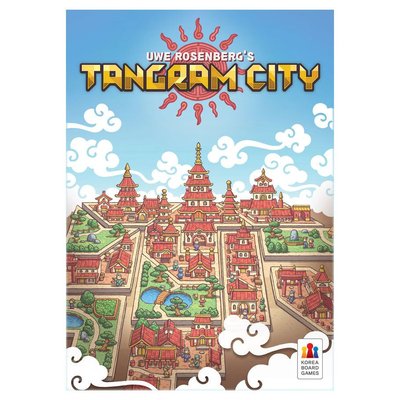
you had the full box with all the base game and expansions included versus just the box right uh two different products at the same release was was done for Agricola 15 that will not be the case for the Danes where it will be a standalone game for all to purchase and so for those who have a feast for Odin already uh perhaps there will be some duplicate components made in this box that you won't be able to use but in any case it is really exciting for some additional content for the highest rated Rosenberg game on Board Game Geek to come out in the near future also perusing the forms for news fur The Big Box Edition uh highly anticipated I'm hoping to see that very soon I thought it would be released around this time this year but unfortunately production has been postponed and will most likely be ready in the first quarter to first half of next year so we have that to Hope hopefully look forward to as well anything more concrete I will mention in the podcast so let's finally get into the review of tangram City this review is highly anticipated for me I did purchase a copy after learning that a local board game store had some Advanced copies of the game I'm pretty sure that this game is now orderable from Capstone games if you are in the states and Via other companies otherwise in other countries but tangram city is a lightweight tile placement game that has players putting
down tangram style pieces on personal boards over six rounds and whoever has the most points wins if you aren't familiar with the tangram style of a puzzle uh these tangram pieces have a lot of diagonal shapes to them they're irregularly shaped they're not squared off such as a domino or a polyomino and so the gimmick if you uh will call it that of this game is the way that these pieces uh are functionally made and how they fit together but anyway uh similar to games let's go over some game highlights here similar to games like Kingdom Builder and my city a deck of shuffled cards is shuffled and then it you reveal cards from that deck and it tells everyone to place a certain tile uh which everyone has a single copy of or a couple of copies of each type of tile that is represented in this deck and they place that revealed card or rather the tile that is depicted on that revealed card onto each person's personal player board the unique feature is that at different player accounts some players will be delt a card face down that only they see or they may share a card with someone sitting next to them and so they are able to know what type of tile piece is going to be eventually put down onto their board there are other cards in the middle that automatically start face up and so everyone gets to know uh what those cards are and those are generally play played first but then you go around the table revealing those face down or shared cards that only one or two people
may actually know about so there is imperfect information and that creates a situation where you will be able to strategize where you want to play some of the forecasted tiles that are available to everyone but also your personal card that you know of is more perfect information for you and you can plan around that card while everyone else has to tactically maneuver around that re in addition to this there is intermediate scoring and at the end of each round you score the area or the width times the height of the largest rectangle in your personal board this promotes a tactical placement of these tiles once again and prevents you from placing tiles in the perfect spots due to the fact that everyone has the same uh number and types of tiles and so theoretically you can place these onto your board in a perfect arrangement to cover it completely there are some bonus points if you do so by the end of the game but this is deterred by the fact that intermittently your base score is primarily based off of how big of a rectangle you can make and maintain throughout the game so tiles don't have to be placed adjacent to previously placed ones hence the idea that you could theoretically just place all of these tiles in a perfect spot but because of the randomness of the shuffled cards and the revealing of these cards as well as this intermittent scoring I think you this basically prevents you from doing that if you want to play well the last highlight and mechanism that I want to talk about is how the end game is scored not only
throughout the intermittent scoring which provides the base score that you have at the end of the game but there is a balance feature and what what I mean by that is that each tile that you place down onto your board is reversible with one sign featuring Greenery and plants and The Other Side featuring uh brown or gray buildings for each complete small square made by each type of tile and it's important that I mention each small square because once again some of these tangram pieces can fit diagonally and fill a triangle's worth of a small square or in other words half of that square and so a lot of the game is trying to fit pieces together to not only fill out these small squares but potentially fill them with the same type of tile the same face of the tile thus completing a full square of that color and by the end of the game you can do this throughout the game as well but by the end of the game you count up how many individual squares that you have of a certain type whether it's the greenery or the buildings and you sum them up and if that sum for both types of tiles is perfectly balanced if you have the same number of both of those by the end of the game or if they're within one then you get 20 points at the end of the game if they are within a couple more you know two through five or so then you get less points like 10 points and so on and so forth and so not only are you having to tactically place the these tiles on and worry about creating the largest triangle or rectangle that you can and also fitting these tiles perfectly to make these squares possible for
potential diagonal pieces only covering half of squares you also need to be cognizant of what face and what direction of these tiles that you're placing whether they are uh gray or green tiles essentially and so a lot of decisions are made in each turn in each card flip to where you place these t thus creating the game and the tough decisions that you may have to take now comparing this game to others I've already mechanically compare this game to Kingdom Builder and my city where the tiles that you place or what have you the cubes I believe in Kingdom Builder are dictated by a flip of the card in which everyone else gets the build onto their personal boards for that piece or whatever is depicted on the card this is I think more so more comparative to my city than the shared Board of Kingdom Builder where everyone is building onto it simultaneously uh another game that comes to mind is Tiny towns it feels very similar uh when you call out a resource or flip over a card in tangram City and call out a resource in tiny towns and everyone else has to put that onto their personal board not only is this mechanism very similar but there's also a sense of strategy when in a variant of tiny towns you get to call out yourself the resource that everyone else has to put down thus you may be able to choose a resource that not only benefits your situation but may be detrimental to someone else depending on how closely you are following that game or their game and in tangram City I guess this is kind of similar to the fact that you can you know share or have
a personal card that only you know of of that in that round and while everyone else does not know and so you can maneuver uh some of the other tiles around to fit the the tile that you know you will be able to place and that everyone else will have to figure out how to place on their own boards the close Rosenberg game that is similar to tangram City in my opinion is Second Chance which is a roll and right game where players choose from two flipped over polyomino depicted uh cards and you have to write that into your personal board and there are other mechanisms in play uh including you know flipping over a third card as like your second chance to hopefully get a shape that fits into your board but in in a sense both games are very similar where each action is depicted by a flipped card that may or may not be known so I guess I'm essentially saying that both tangram City and second chance are both in the realm of a Rolland ride type of game looking at what other people have to say about tangram City going into the peer review a lot of people enjoy this game for how quick it is in solving a interesting puzzle with the new and unique tangram style pieces whether it's at Solo or at five players this game plays essentially at the same rate because everyone will be able to place their tiles simultaneously when a card is flipped in addition to the unique pieces that you get to play onto your board the unique scoring mechanisms in the balance uh scoring at the end of the game as well as the rectangle intermediate scoring keeps this game
feeling fresh and different every time there are some concerns though the longevity of this game is a concern for some people since you do get to play all of your tiles onto the board and but just in a different order and thus decreasing the opportunity to see different tiles be played onto your board the Randomness is essentially in the order of which these tiles come out rather than what is available for some this game because of that is it's not variable enough to Warrant unique or different approaches to each time you play for myself I've played this game a couple of times and solo included and I can say that the speed of the game in my opinion was shorter of course at a solo game not having to stop and explain any rules along the way but it it did not add too much time when I was playing with other people I think it's this game is easy to to learn and to catch on as you start to play and once you kind of understand the way that this game is scored I think for the most part many people Gamers and non-gamers alike will be able to understand this game and be able to roll with it pretty quickly the puzzle itself is unique with the scoring mechanisms and the physical tiles that you get to play around with feeling fresh and unique in the repertoire of games that both Rosenberg and other designers have have done in the past with polyomino tiles I really liked the checks placed into the game to prevent a perfect puzzle from being put together each time particularly with the intermediate scoring and the balance mechanism offering additional complexity
to the decisions made however I do have some concerns that mirror what people have said about the replayability and longevity of this game replayability is a major concern for me because it didn't take too long to get to the point where I'm only missing a tile or two at the end of the game on my Tableau or in other words being able to play the game as perfectly as possible I think the point ceiling isn't too far off from where I currently am with the strategies that I have tried to employ for this game and from the comments of others who have played this game perhaps more times than I have or just smarter than me uh that Pinnacle has been reached pretty quickly as well and there's nowhere else to climb in this game essentially when you think about it in points I think for most players it'll just take a few plays to reach that that you know top Echelon of plays but this this may be different for everyone you know some people are a lot more Adept with a puzzle style of game such as this like tile laying and and perhaps coming from polyomino style games if that is your Forte then this won't be too far off and once you understand how this game scores then creating that puzzle will I think potentially start to feel repetitive and this is also supported by the fact that you get to play all of your your tiles onto your board or potentially play them all but just in a different order so there isn't any hidden tiles or a variable factor that would make every game feel a lot different if that makes sense compared to other tile placement
games like Apple Jack and Patchwork there are some added mechanisms that not only offer replayability in those games but Mastery as well and a higher skill level being able to be attained in those games such as the the fact that in both games the resources that are used to BU FES to place onto your Tableau or also the endgame Victory Point counters as well and so you are constantly trying to figure out how to balance the purchases that you make as well as create a a semi- engine to be able to get more points by the end of the game and in both of those games you you know in for example in Patchwork you do get to see all the tiles uh they are placed in a random order but not all of the tiles will be able to be played by the end of the game for the most part sometimes it just happens to to be that way based off of the order and which tiles are chosen but in in all those games you have multiple options available at you know to you at a time to be able to choose from uh in Apple Jack I I should I should mention that you won't be able to see all the tiles in that game as well but you always have a choice from of at least two tiles to choose from to put onto your board and often times there are more than two that you get to choose from and so the the choices that you have are widely available in that game and in addition to being being able to play those tiles anywhere possible onto your Tableau as it is in tangram City in tangram City you only get to choose from one tile at a time and so uh the choices and the decisions of what to be made are
decreased in comparison to those other Rosenberg games because of what you're able to choose from another comparison and fact about both of these games or these collection of games is that in Apple Jack and and Patchwork the decisions that you make and the tiles that you take are very interactive when you are playing with other people for example the tiles that you take from a patchwork and Applejack uh will be taken from a shared market around the board so that once you do take that it will affect the uh decisions that your opponent will make not only in the fact that they can't take that particular tile that individual tile and place it on their board but also uh whatever is left over and the position of the uh tracker in patch work in particular will affect what kind of choices the next player will have allowed to them and so that isn't a factor in tangram city as well once again due due to the r and right nature of flipping over a card and everyone placing that tile onto their board and then moving on to the next one there's no uh interaction whatsoever uh the only differences I I will say is that each board in tangram City the personal boards that you have are double-sided and they have a starting piece that is in a different spot and so the the puzzle may be slightly different based off of where you do start uh in in addition to the order of which you know tiles are revealed due to the cards that are flipped over but it it does feel a little bit different and more simplistic when compared to the decisions made in
Applejack and Patchwork City overall I really enjoy tangram City I think the tiles and the rules make quite a unique feeling game and in general compared to Rosenberg games it doesn't have the same element of Master and stain power as some of his other titles that follow similar tile laying uh rules such as Patchwork and Applejack and I think that's okay I think tangram city is meant to be a little bit more of a lighter game not in a sense of rules complexity I think the rules are somewhat similar to Apple Jack and Patchwork I think scoring wise Apple Jack is a little bit more complex and mathematical but in a sense of how you play the game it's very simple all three of those games are very simple but the way that you play those games can really vary and the skill ceiling is a lot higher I think in Patchwork and Applejack compared to tangram City and so if you want to play a more casual game I think with with unique tiles and unique scoring mechanisms then tangram City might be interesting to you so those are my thoughts on tangram city as well as some news regarding Rosenberg games thank you for making it this far into the video and thank you for Consulting with me today hope that you schedule an appointment with me real soon and I'll catch you on the next one take care