SOLO Wargames Aren't for LOSERS
Games in This Video
1 game is featured in this video — it unlocks as you watch.
Transcript
In this video, I'll explain why solo war games aren't for losers, as I hear online sometimes, but are actually great to learn and a lot of fun. Generally, one of the big benefits to tabletop gaming when comparing it to something like video gaming, for example, is the the the social aspect. When you're playing on a tabletop, whether it's war games or board games or role- playinging games or collectible card games, you're pretty much always together in like the same place with other people, the people that you're playing with, right? This is one of the things that makes tabletop gaming special. On the other hand, even when you're playing a multiplayer video game with friends, they're still usually not there with you, right? Unless you're at maybe at like a land party, I suppose.
So, tabletop games have a social aspect to them. You you share a space with other people to play. However, that's not always possible, right? Like, so the benefit can sometimes become a bit of a negative. the pandemic of 2020 and onward that made it very difficult to play tabletop games with people in the same room unless you were playing with people in your family or something like that. I suppose for wargaming specifically, the pandemic was kind of actually great for getting people to build and paint models and terrain. And many wargaming companies did really well financially during that time. But playing actual war games during the pandemic that was pretty difficult for most. Now obviously tournament players were thwarted right like because there weren't any big shows like the Las Vegas Open or Adepticon to attend stuff like that. But even most stores weren't having events and tournaments during that time if they were even letting people play in store at all. So it was pretty difficult to get games in. But it's not just a global pandemic that can make playing tabletop war games a difficult thing to get going. Sometimes the complexities of life just get in the way. If you're an adult, which the analytics of this channel tell me that like 99% of you are, then you know that making plans can be difficult sometimes.
Maybe work gets in the way. You might have like more than one job to keep track of, or maybe it's family duties that cause scheduling conflicts. children and spouses and elderly family members are strangely enough higher priority than Space Marines, as difficult as that might be to believe, right? And when you're trying to sync your difficult schedule to another player's difficult schedule, well, you know, the difficulty m multiplies. If you've been a tabletop player for some time, then you probably know this. You've you've experienced it. There's an entire type of meme out there about how difficult it is to schedule an in-person role- playinging game session. A problem which is generally, you know, further multiplied by not just, you know, two schedules, you and opponent, but trying to match, I don't know, like five or six or more schedules all together for a gaming sesh, right? Getting people able to all get together for a game at a certain time is a real problem in tabletop gaming and something that's frequently easier in the video game realm.
With video games, travel time doesn't have to be taken into consideration at all, right? Like you can still be at home but playing with your friends online. And if those friends like live kind of far away from you, then that's that makes it even easier because you didn't have to travel that long distance to go see them. And if you want to play pretty much any kind of multiplayer and you don't really care who you play with or against, you know, whatever, then video gaming is ideal because matchmaking is built into nearly every multiplayer video game pretty much right from the get. However, it does seem that multiplayer video games have recently lost some of their appeal to some folks who actually love video games. A recent survey from a company called Amper Analysis shows that more than half of all video gamers prefer singleplayer games. They got responses from 34,000 gamers from 22 different markets and found that the single player preference has increased 4% over the last four years and that as players get older, they prefer single player even more.
Also, the US has the highest percentage for singleplayer video games at 65% whereas Chinese gamers have the lowest interest in, you know, single player titles at 47%. However, when talk of solo player tabletop games comes up, especially solo tabletop war games, some people laugh, right? But there's a lot of great reasons to play war games solo. One of the biggest ones is one that I've been talking about quite a bit so far in this video. Scheduling. It's very hard to coordinate your free time with another person's free time so that you can play some versus, you know, war game rule sets or whatever. But it's really easy to line up a game with yourself. You're always available to play when you have some free time. Maybe you're a morning person, right? And you like to get up like way before work. It would be a great time to do some solo wargaming.
Or maybe on the other hand, you're a night owl. You could do some solo wargaming after your family is asleep, but while you're still awake and bouncing around or whatever. Solo wargaming has the added benefit that you don't have to finish the entire game in a single play session. When you play with a friend, you usually need to play the game from like start to finish, right? But when you can play solo, you can just play for as long as you have time and then like kind of pause, right? and then pick it back up when you next have time to do so. For me, I like solo wargaming because then I don't feel like I'm inconveniencing anyone else when trying to get a game in. I can play at whatever speed I prefer and I'm not wasting someone else's time. Another great thing about solo war games, it's a great way to learn a game, right? and then it allows you to really get a grasp on the rule set before you eventually teach it to someone else. Most solo war games are also cooperative war games kind of by nature, right? So once you really figure out a game by playing it solo and you're not, you know, annoying anybody else by going back and rereading the rules and doing all that kind of stuff, then you can play it with somebody else once you've taught them how to do it.
Another great reason to play solo, it gives you an incentive to build and paint, right? If you're buying models and terrain, but you don't have anyone to play with, then you're frequently kind of less inclined to actually build and paint the stuff that you've been buying. But if you're working towards a goal, which is having a cool war band to fight against like cool enemies and all that kind of stuff that you painted up on a cool board with cool terrain that you did, then you're more likely to want to build and paint your minis and terrain stuff. A nice set of minis on interesting terrain really helps you to build a story as well. Stories are really where solo games shine. Usually, when you're playing a solo game, you're playing it not as a one-off, but as a campaign game, meaning it's a series of scenarios linked together, and your war band generally like gains new weapons and equipment and skills and stuff like that as you play through the campaign.
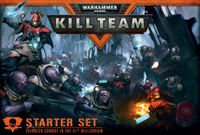
Sometimes bad things, you know, can happen to your soldiers as well, but then it's just an excuse to add more figures to your war band to replace the ones that got croaked. The emergent narrative in campaign games is always fun to watch as it emerges. In fact, solo play campaign games are a great way to kind of dip your toes into the world of wargaming content creation if you, you know, so wanted to. Whether you want to like video record a battle report or maybe tell the story of the battle via like photos and writing and stuff like that like on your blog or Instagram or whatever. It's way easier to record a battle report like however you do it when you're the only person who has to be there for it. Right? Again, you're not inconveniencing another person while you set up your camera and have to re-record certain parts that just screwed up or whatever or change lighting or, you know, all that kind of stuff. There are tons of solo and co-op war games out there these days. Heck, even Games Workshop added a solo and co-op mode to the most recent edition of Kill Team. They're they're not that hard to find, right? But if you'd like me to make a video talking about recent solo war game rule sets and the ones that I really enjoy, then let me know down in the comments below. I haven't made a video listing solo games in like years and years and years and years, and there's a bunch of new ones, right?
Also, if you have a favorite solo war game, then drop that title down there in the comments as well. Solo wargaming isn't for losers. It's for people that enjoy learning new rule sets at their own pace. maybe to teach others or maybe just because it's fun, right? Also, it's for people who love telling a story through emergent narrative uh in a game like that so that they can have that kind of enjoyment as well. Also, you never have to wait for your opponent to show up if and they're never late when you play solo games because it's it's you. Also, they're a great reason to keep you building and painting as well. What do you think of solo wargaming? Do you enjoy it? Are you thinking about checking it out yourself or is it you think not for you? Let us all know again down in the comments below. While you're down there, please engage in some solo depressment of the like button. It helps the channel, helps the video get out to more people, and I appreciate it. And also, lastly, while you're down there, if you'd like, you should click the subscribe button to see more of these types of videos every single Friday.
It's free. Thanks for watching.