How to design a PARTY game *Board Game Design*
Games in This Video
1 game is featured in this video — it unlocks as you watch.
Transcript
I've recently received review copies of P for pizza from Big Potato and chance it from zoc furlag PIFA Pizza is a super simple race between players to call out a word which links a category and a letter on the pizza shaped cards so if the letter is B and the category is TV shows you could shout Baywatch if you're first to shout a correct answer you win the card each round there are three letters and three categories on the table so you can link any letter to any category the cards won by each player are gathered together to create a pizza slice in front of them the first player to create a full Pizza wins Enchanted players are trying to amass Stars each round dice a roll to determine the rewards available players simultaneously reveal whether they are in or out but you really want to be joining the group with the fewest players because smaller groups get greater Rewards or pay discounted costs for actions so the players need to assess the value of the available actions in each round and Lead their opponent's intentions before selecting which group they're going to join in or out in an attempt to maximize their rewards alternatively players can opt to chance it which means that they'll gain greater rewards but they'll be forced to stay in for the subsequent round the first player to gather 20 Stars wins vastly different in their complexity presentation and tone P for pizza and chance it represent two Extremes in the diverse category of party games
I'm Adam Porter I'm a game designer and reviewer and if you like what I do please subscribe comment and share the video on this channel I like to dip into specific genres worker placement polyominos Tableau building Roland rights and try to pinpoint the specific elements frequently used in these games it's a toolbox for you as a game designer which common mechanisms do you want to employ in your own party game which aspects could you subvert and crucially which mechanisms spring to mind which haven't yet been utilized is there space for Innovation here we'll be looking at 12 different considerations for designers of party games but before we do I have a message to share with any designers watching this video is sponsored by launch tabletop a board game manufacturer where you can produce your own professional quality game without breaking the bank via their print-on-demand service launch lab Ian James is a viewer of the channel and he contacted me to let me know he had used launch lab and he was delighted with the results Ian said I ordered from these guys recently after hearing about them here and had a great experience good quality cheap fast with good customer service Ian intends to launch his adult not safe for work word making game curse words on Kickstarter later this year launch lab ships games worldwide and mine have always arrived within two to three weeks which is an incredible turnaround time so if you'd like to make your own game visit launchtabletop.com
and use the discount code Adam in Wales for a 20 discount and now back back to the video it's hard to draw an accurate history of party games they've evolved organically over centuries passed from one culture to another by Travelers and endlessly reworked and adapted to suit the needs of a group it seems a certainty that humans have been playing games ever since the species emerged but why stop there in his 1949 book homo ludens Johan huizinga said play is older than culture for culture however inadequately defined always presupposes human society and animals have not waited for man to teach them to play Animals play just like men we only have to watch Young dogs to see that all the essentials of human play are present in their merry gambles the earliest and simplest games played by the human race would fall into our party game category minimal rules easily learned endlessly adapted and accessible to all ages components are minimal and play accounts can be much more flexible than our standard boxed games in the UK the party game genre took center stage in the Victorian era with wealthy folks filling their extended Leisure Time by retiring to The Parlor to play games many such parlor games have been packaged branded and brought to Market as boxed products and that brings me to number one on my list of a dozen considerations for party game designers are you planning to build
a game from scratch or adapt to traditional activity it's possible to have great success with a packaged edition of a traditional classic but you have to add value why would players choose your boxed Edition when they could play the game for free the added value might come in the form of deluxe components or curated content for example the dictionary game was repackaged and brought to Market as boulder dash in 1984 by Canadian Laura Robinson and Paul toyne and over four decades the game has reportedly sold tens of millions of copies the traditional part of the game had players writing alternative definitions for obscure words selected from the dictionary with one player trying to guess which definition was the real one Balderdash brought in movies where you had to write fake plots for obscure films as well as initials names and dates the boxed Edition also introduced a scoring track but the core gameplay was similar to the traditional game the origins of eat poop you cat are hard to determine in this pen and paper game each player has to draw an image based on the specific word or phrase and then pass their drawing to another player to write a guess regarding what they've drawn the guess is then passed on and the next player draws according to the guests so the chain of images and guesses gets weirder as the sequence continues this public domain game has been packaged and sold in multiple editions telestrations adds value by incorporating a dry white flip book and pens scroll provides a variety of vulgar prompts for a more adult experience a
Disney sketchy Tales does the opposite linking the drawing prompts to beloved Disney characters time's up is another parlor game repackaged the traditional game is known as celebrities or the Hat game and the packaged version is relatively unchanged players describe personalities for teammates to guess initially by speaking freely under time pressure and then in the second round by using a single word and in the third round by a silent mime in the original game all players wrote celebrity names on slips of paper before the game commenced the published Edition provides a huge selection of names to remove this step and get you playing straight out of the box and if you're looking for a not safer work Edition more scroll than telestrations or monikers from publisher Palm Court has you covered there's even an expansion pack of prompts devised by the team at shut up and sit down if you're hoping to go down this route of repackaging a classic you need to follow the example of the above titles and genuinely add value there may be money to be made by slapping your name on a traditional Pastime but it's hardly the Pinnacle of the game design craft and even if this route does interest you you're going to have your work cut out finding a decent parlor game which hasn't already been exploited humor is a massive part of the party game experience it's not a party if everybody's Sullen straight faced eyes down pondering over a strategic objective on a central board party games happen above the table they're all about laughing together I don't think I've
ever finished a game of Balderdash the players fake definitions inevitably get more and more ludicrous as the evening progresses and the game ends with players falling around in fits of Giggles the game Peaks when the entire group just can't hold it together and everybody decides to end on a high the challenge for you as a designer is how do you facilitate an experience like that this is very personal to you and your group for me the biggest belly laughs in a party game come from unexpected behaviors by the other players great auntie Beryl moonwalking across the living room or little cousin Gertie impersonating Donald Trump party games often reveal different sides to the players who knew grumpy Uncle Graham had an encyclopedic knowledge of The Golden Girls and then there's the meaner Edge to these games laughing at other players failing mocking your mates for their terrible drawings in Pictionary ribbing them endlessly because they thought Peru was the capital city of France where's the humor in your game coming from in recent years many games have tried to crank up the laughter by introducing NSFW or not safe for work content Apples to Apples morphed into Cards Against Humanity code names became code names undercover I feel like the richest experiences are where the laughs come from the creativity and personality of the players a bunch of of humorously written cards perhaps some double entendras even blatantly distasteful content might raise laughs on the first
or second playthrough but they become repetitive and predictable with repeated plays relying on the players to provide the laughs can place a heavy burden on them if a game requires creativity from the players you're immediately limiting your audience some players are going to decline to play Balderdash asks a lot of the players everybody has to write fake definitions biographies even movie plots over and over again and while the game doesn't tell you that you have to be funny the social pressure to make everybody laugh is likely to be triggering for Shire folks at the extreme end of the spectrum one of my favorite party games is Ludovic malblanc's Serrano in this game players are competing to write the most original and hilarious poems at the start of each round two cards are revealed which determine the word endings which must form part of a rhyme scheme and a subject matter is revealed too players then simultaneously write four line poems once done they read them out to the other players scoring points for using obscure words in their Rhymes and for creating the best poem it's a weird experience for a party game because most of the play time is taken up with players staring down at their sheets in silence thinking of obscure Rhymes but when the laughs come they are richer and more memorable than any other party game I've played Serrano has a very limited market it asks so much of its players and I never thought it would return to print after the 2010 repost Games edition fell off the radar but it was
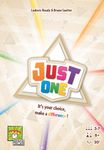
resurrected in 2022 in a French only Edition from Guru games so perhaps it does have legs what demands are you going to put on your players WE Post games that swung to entirely the other end of the Spectrum by 2018 with the release of the spielder's Yaris winning just one a party game that demands so little of the players just a single word this is a game anybody can play no one is put under pressure to be creative and the game has sold an absolute ton of copies as a result would I rather play Serrano absolutely but the market has spoken one area where party games surpass traditional board and card games is that they lend themselves to much higher play accounts where your average board game works well with two to four players with some games stretching to five or six and perhaps squeezing in a Solo mode most party games would be unplayable with fewer than four players and get better the more people you have involved frequently in larger games players will form teams and work together against their opponents team-based play is relatively uncommon in strategic games but when it works well it creates it's a fantastic atmosphere combining the best of Two Worlds competitive and cooperative play it wasn't only the Simplicity of the gameplay that made just one Stand Out Rudy and Suites game was one of the most Innovative of recent years precisely because it utilized cooperative play there were Cooperative party games before just one Cranium Hoopla for
example but they were few and far between just one rode the wave of cooperative strategy games which have been flooding the market since the release of pandemic in 2008 and applied the same principles to the party game genre where it was practically unheard of in each round of just one one player takes the role of guesser and all other players look at a single word which they're going to collectively try to get the guesser to identify they do this by each writing a single related word on their dry wipe stands but before the words are revealed to the guesser any duplicate words are removed from the selection only the remaining words are shown to the guesser and they announce what they think the original word was each player takes a turn as guesser and the group collectively tries to beat a Target score party games lend themselves extremely well to cooperative play in the best examples of the genre scoring is something of an afterthought anyway British TV is saturated with panel game shows a pseudo competition between two teams of comedians essentially playing a party game with an invigilator overseeing and providing a wry commentary on the exercise does anybody care who wins this stuff the entire purpose is to generate laughs the competitive element is entirely redundant that said players are going to expect you to give a little thought to scoring your game even if ultimately those scores are going to be instantly forgotten and ignored players want structure any loose ends are a barrier I recall playing the wonderful party game
concept another classic from reposts for the first time in 2013. despite the Ingenuity of the gameplay the round sequence and scoring were ill-conceived and obviously an afterthought there was even an editor's note in the rule book telling us that the designers had abandoned scoring during development of the game and essentially encouraging us to score the game as we wish scoring variants were shared widely online but I'm sure this was confusing for the Casual purchaser when I was growing up in the 80s and 90s party games always had a score track often you would roll a die or spin a spinner to progress on the track and the space you landed on would dictate the next activity such was the case in games of articulate and Balderdash Pictionary and Trivial Pursuit suit I have no issue with this system it provides the necessary structure for a game but in 2023 it does feel dated modern games tend to make use of other game components to keep score perhaps a massing scoring tokens or awarding players cards from the deck whenever they complete a task is your scoring objective or is it subjective in Trivial Pursuit you either answer a trivia question accurately or you don't in Pictionary you identify the drawing correctly or you fail this is objective scoring there's a correct answer to be found and points are awarded accordingly in Serrano players vote on their favorite poem this is subjective and leaves more scope for bad feeling why
was her poem better than mine many recent party games use a single judge which rotates as the game progresses so in Cards Against Humanity and snake oil at the start of each round one player has declared judge and all other players take turns trying to impress them in Cards Against Humanity they do this by presenting the most offensive card from their hand completing a statement presented by the judge and snake oil players combine two items from their hand to create a surreal new product and then mount a sales pitch to attract the judge to purchase their product instead of their opponents the player who pleases the judge the most is awarded a point usually by collecting a card and another player takes a turn as judge these games are popular largely because of the ease of play but I find them uncomfortable to play the social pressure to be the funniest makes me clam up watching uninspired players trying to force humor out of nothing makes me cringe and the peer pressure to avoid bad feeling by awarding points to even the most painfully unfunny contributions renders the scoring pointless if you hadn't noticed I dislike these games and others in the genre intensely so why is it that Serrano gets a pass well I don't object to the subjective scoring in Serrano because it doesn't fall on one player as judge the points for best poem are awarded by a vote from all other players and the subjective scoring is offset by a secondary objective system whereby players score additional points for using obscure words in their poems which no other
player has used this gives credibility to the scoring it feels like it means something a great strength of the party game genre is the adaptability we've discussed Play account already and the use of house rules to create scoring systems in concept but party games also tend to be adaptable in terms of the physical space required and the duration of the game playing a board game generally requires all players to position themselves around a table and remain there for a long period party games can often be played without leaving the sofa the ultimate accessible exercise for a sleepy family member stuffed after their Christmas lunch you're never gonna get grumpy Uncle Graham off that couch option back to the dining room table but pass them a sheet of paper or hand him a card to read and he might just be willing to join in in a party game your arena is not the tabletop it's the armchair the rug your lap with gameplay no longer restricted to the tabletop party games often feature more physicality than other board games in chicken versus hot dog players take turns to flip a toy and land it safely under a variety of wacky limitations in happy salmon players high five fist bump and switch places with each other in a frantic race to get rid of all their cards in twister players can talk themselves into uncomfortable positions on the large mat on the floor Yogi seems positively reserved by comparison with players positioning cards on the different parts of their bodies and trying not to let them fall off with a party game reluctant Uncle
Graham doesn't have to commit to hours of drawn out strategizing in fact he doesn't even need to commit to finishing the game most party games have a flexible game end you play for as long as you wish there may be a nominal Target score or a standard number of rounds but these are easily adjusted to suit your circumstances party games are rarely bogged down by analysis paralysis players don't drag out their turns they can't because many of these games are played against the clock Doodle Rush is a game which I designed released by brain games the game aims to condense all of the fun of Pictionary into a much shorter time frame and keep all players involved at all times every player has six boards on which they're tasked with drawing six items they have one minute to do so and every other player is doing the same when the timer runs out it's flipped and everybody has one minute to get as many of the other players drawings as they can when you correctly guess a drawing you collect the board for scoring after a minute of guessing you return to drawing then another minute of guessing another round of drawing and one final round of guessing after six minutes of frantic chaotic simultaneous play players count up the boards they've collected and subtract one point for each of their own drawings which remain unguessed and the highest scorer wins is an example of that staple of the party game genre performing and guessing in most of these games one player is the performer and the rest of their team are the guessers in Doodle Rush players take on both roles simultaneously
the classic example of the performer guesser model is the Parlor game charades where one player silently mimes to help their teammates guess a famous person book film or activity gestures adds value by incorporating a timer device which holds four cards as the time passes the uncompleted cards drop into the device so the performer needs to race to communicate words to their teammates before the cards disappear of course the performance can be anything it doesn't have to be mime in articulate players attempt to describe as many words to their teammates as possible under time pressure taboo uses a similar concept but there's a list of words which you cannot use and that makes things more difficult in banned words trap words and scheiben kleister the opposing team devises the list of words you cannot use in Pictionary you communicate through drawn images into calco these are traced from photographs in doodles you communicate by building items out of clay in leg loss you create images from sticks and discs in Imagine You layer acetate cards on top of each other but the core concept is always the same one player performs the other's guess Cranium made a Big Splash in 1998 by combining a variety of these different performer guesser games wordplay is another staple of the party game genre P for pizza is a condensed version of Scattergories in the same sense that Doodle Rush condenses Pictionary players
race to shout out to specific word beginning with a specific letter code names is a variation on the performer getter model one team member is the clue Giver the rest of the team guess what the clue Giver is trying to communicate in this instance a grid of words or pictures depending on the addition are laid out on the table and the clue Giver tries to inform their teammates which items in the grid belong to their team but they can only do this through a single word clue while also indicating how many cards this clue relates to if a team locates all the cards belonging to them without identifying the Assassin card before their opponents then they win the game now code names made a huge Splash in 2016 winning the spielder's Yaris award but it's a very cerebral party game for a significant portion of the game The Clue give us a deep in thought trying to come up with a single clue which will direct their teammates to the most possible words this can result in quite a lot of downtime because there's not a lot for the other players to do the interaction between teammates when trying to guess the correct items can be hugely entertaining but now the clue Giver is left out and so the game is a series of extremely fun moments punctuated by prolonged periods of waiting it's no surprise that other companies have attempted to take the Core Concepts and simplify them to make the game faster easier to grasp and to keep everyone involved at all times cross Clues from blue orange and so Clover from reposts both feel like riffs
on the same basic concept trivia-based games feel like something of an outsider in the party game category they're almost a standalone genre but but the concept of quizzes whether played alone or in teams is extremely familiar to practically everybody on the planet TV game shows have dissected this style of game thoroughly and of course every TV quiz Cashes in with a board game implementation Trivial Pursuit was a major release back in the early 80s and it's still a household name today but the game is feeling a bit dated it's lengthy and heavily reliant on dice rolls and it's extremely punishing for players with limited general knowledge that's not to say that trivia games can't be fun though I love timeline a simple card game where players attempt to rid their hand of cards by placing them in the correct positions in a growing timeline of historic events the Brilliance of the game is that you don't have to know the precise answer you just have to identify whether the event was earlier or later than some other event and often this can be deduced or even guessed outright it's a fast game it's portable and it comes in so many editions you could pick a topic which suits your in interests fauna has more of a traditional board game feel with players guessing the length weight and location of a huge number of different species like timeline though you don't have to be right a ballpark figure can still net you points and widths and wages brings more of the game's show Dynamic to the trivia genre I have a European edition of the game called Gambit 7 but it's essentially the same
system players write down an answer to a question which always requires a numeric value the likelihood is that nobody's going to know the precise answer to these questions so the range of answers are displayed and players place bets on which answer is correct with some wages and Gambit 7 bring an element of gambling into the trivia game format and the two work together perfectly games of chance push your luck or gambling again Sit On The Fringe Of The Party game family often these games feature many of the trappings of a tabletop game decks of cards aboard poker chips dice but the distinction is blurred because of History familiarity and flexibility games of chance include the many activities you might see in a casino High play accounts simple systems house rules and the ability to drop in and drop out resulting in a variable game end perudo is a commercial version of the traditional game liar's dice a variant rule set by Richard Borg won the spielder's yara's award in 1993 under the title Bluff each player rolls a cup full of dice and then looks at the results without telling anyone else what's there the start player for the round makes a public bid as to what they think is showing under all players dice cups for example eight ones or 12 fours the next player in clockwise order must raise the bid or call the previous person because they don't think the dice under the cup supports that bid everyone then raises their cups and the result is
revealed with the last bidder or the caller losing dice based on the outcome if you run out of dice you're out of the game and the last player who has dice wins it's in this category that zoc verlag's chance it sneaks into the party game family despite the handling of cards and tokens the bulk of the gameplay happens above the table with players reading their opponent's intentions pushing their luck and bluffing their way through to Victory bluffing is a feature common to many party games and we can broaden that to include any game Which facilitates social interaction social deduction games are a genre in their own right but many certainly overlap with the party game family the resistance for example is playable by a large number of players in a relatively short time frame with minimal components and no real need to leave your armchair the game sees two teams heroes and villains competing to succeed or fail at missions the good guys don't know who the villains are though and the bad guys want to avoid detection while sabotaging missions and every opportunity it may not be your Classic Party atmosphere but it certainly gets Lively the resistance is essentially a reimagining of werewolf with the advantage that all players are involved at all times while werewolf requires a moderator to oversea events and werewolf was itself an evolution of the classic parlor game wink murder where one player is secretly the murderer killing off opponents by winking at them and trying to go undetected by other players another
common interaction in party games is attempting to match with your opponents or teammates in plucking pairs players allow a selection of random images and then simultaneously form them into pairs using whatever logic they wish when the timer runs out all players reveal their Pairs and if they match with other players they score points a similar concept forms the basis of ravensberger's face cards in wavelength one player has a category which specifies a spectrum for example hot to cold and a position somewhere on that Spectrum for example they might have to describe something slightly colder than average they give a clue to indicate the position on the Spectrum and the other players have to guess from their clue what position on the spectrum they were indicating the closer they get to matching the clue Giver the more points they score in Dixit each round one player is called the Storyteller and they select a card from their hand featuring gorgeous artwork and they give it a title all other players select a card from their own hand which could also potentially have that title The Chosen cards are shuffled and revealed and then all players guess which card was the one chosen by the Storyteller the key twist here is in the scoring the Storyteller scores no points if everybody guesses the right card and no points if nobody guesses the right card so they have to make their clue just cryptic enough that only some of the group guesses it Dixit plays like a pictorial version of boulder dash with slightly less pressure to put on the players to be creative which makes the game more accessible
Ugg Tech is a game where one player communicates to their teammates using a made-up caveman language with certain words and gestures indicating where their teammates should position blocks to complete a specific pattern if they place a block correctly the instructor Taps them once on the head with an inflatable club and if they mess up twice they get tapped twice team 3 falls into the same category with teams of players trying to place blocks in a certain pattern and as with uggtect only one player can see the pattern which needs to be completed however in this game they can only communicate with gestures and the player placing the blocks is blindfolded so their gestures aren't going to help them much but fortunately each team has a third player who interprets the gestures and explains verbally to the Builder where to position the blocks so there you have a dozen recurring features of party games and elements and mechanisms that you might consider for your own designs if you're working in this genre so let's close with a summary a bunch of questions to think about when designing your own party game are you aiming for a totally original concept or are you happy to adapt a well-loved parlor game from Years Gone by and if it's the latter how is your boxed version adding value where does the humor in your game come from are you going to provide humorous content yourself or are you going to let the laughs emerge organically from the behaviors of the players how can you facilitate this how much are you asking of your players do they need to be creative to play or
witty or extremely knowledgeable how can you reduce the burden on the players to make the game as accessible as possible does your game work best as a competitive exercise do players play alone or as teams or could the game be entirely Cooperative how structured is your scoring do you expect players to pay attention to this or is scoring really irrelevant so long as everybody's having fun how are you going to record scores tracks tokens or collect cards is your scoring objective or subjective and if it's the latter is there scope for bad feeling how flexible is your game do players need to sit at a table or can it be played on a couch and how variable is the player count does it play well at all numbers can the duration be adjusted to fit the mood of a group can players drop in and out without disrupting the flow are you going to include any Staples of the genre time pressure drawing miming wordplay trivia and if so how are you going to make your game enjoyable for players who are rubbish at drawing miming wordplay and trivia where does the tension in your game come from could you incorporate an element of bluffing gambling and push your luck to enhance this and what's the main source of interaction in your game is it satisfying does it lead to Positive Vibes and memorable experiences how could you create a game where players quit long before the game tells them to
just because they've laughed so much that they can't continue that is the real Victory condition here if you'd like to see a similar breakdown of another game genre click on one of the links and I'll see you next time until then all the best