Tekhenu Review - Chairman of the Board
Games in This Video
1 game is featured in this video — it unlocks as you watch.
Transcript
hey everybody today i'm talking about taken you which is a one to four player board game by board and dice games uh this one is designed by danielle toshini and david turtsey who happens to be two designers i hide i hold in very high regard it takes about an hour and a half to two hours of play um if you're familiar with those designers then you're probably aware they've made quite a few games so particularly tashini has made games in this vein where they've got these very hard to pronounce names beginning with the letter t and you've got sulkin you've got table terra khan tris magistas are now to kenyu now if i was to put them in a waiting category in terms of how complex they are i would say this one is marginally fractionally more complex than um taywa khan but quite a bit less involved than something like tris magister so second of the kind of fourth or two out of four in terms of its complexity um the or much like two other other of those games as well this one is dice driven so it's a dice drafting game we're going to be taking turns taking a die from a common pool and i'm using them to take actions and so on but the way you're going to be drafting those die is going to be quite different to anything else out there because you've basically got this obelisk on the board and that obelisk is going to be divided into what's going to be stood on a disc and they and that disc is going to be divided into six kind of sections and at any one time um two of those sections are going to be in in the light two of them are going to be in the shadow and two of them are going to be in the shade and the importance of that is because depending on where that light is facing
is going to depend on how the different dice in the game are kind of classified because you've got i think five different colors of dice you've got the black the white the brown the yellow and the gray and um again depending on where they are in that lighting depends on whether they are pure dice they are tainted dice or they are forbidden dice now the forbidden dice are quite simple you're not going to be able to use them at all so they're going to be unobtainable for as long as they are in that type of lighting but the other two is quite important because you've got this most background thought you've got to go through in terms of keeping your tainted and your pure dice balanced because having it the more balanced of the two but by the time it comes to a certain round in the game is going to give you benefits in terms of becoming um first player in the future rounds because obviously in a dice drafting game you want to be the first to take your dice because you know you ought to get the ones that you really want um so yeah that's that's a quite interesting concept because you've got the scale on your own player board and obviously when you're taking a pure dice you're putting it on the light side when you're taking a tasty diet you're going to put it on the dark side additionally if you take too many dark dice or tainted dice at the end of the round you are going to lose points as well so again just more things to think about so the color is important in that regard but also the pit value is important because it can dictate the strength of the actions you can take because in each of those six sections are kind of related to a different god power or a god action you can take and i suppose in in theory they're all kind of these separate mini games that synergize in you know in in ways
throughout the game so you've got one section which is almost like an engine building style section where you have to pay brick resources or blackstone resources in order to place your statues on the board and those statues can go on the different kind of hex spaces on the um on the obelisk wheel and then whenever you or another player takes that action then you'll get a little bonus such as getting a gold which is like a wild resource or or something like that so you can kind of generate a bit of an engine as the game goes on um also you're going to get points for getting more of your statues out in a kind of a set collection style method which is which is um you know another way to get quite a lot of points and you've got another section as well which i think is one of the most dominant sections of the game where you're placing these kind of columns on this grid or a temple i think it's called i think it's a 5x5 grid and you are essentially trying to pay resources take a tile and put it on this grid and whatever kind of grid space you're covering you're going to get the resources of which you're covering and and so on and that can give you points down the road based on how many kind of cross sections you you line up to get points with buildings which corresponds to a different section where you're spending food in order to place one of your buildings from your player board onto that temple um or around the temple and then for them you're going to kind of take every resource depending on the line or column that you're going to you're going to line it up to so you can get like a stone a white stone a black stone a bit of food
and so on which which is quite nice something i should have said as well is when you place these um place those columns onto the board you are trying to or you can adjust them and you're trying to line the colors up to the different borders in order to get more points which is somewhat kind of reminiscent of hail khan by kind of matching up the um matching up the symbols on the pyramid if you're familiar with that game um the this kind of the pit value is somewhat important as well because i said the you're kind of thick or or restricted to certain tiles you can take when you're placing these columns and because you know if you place a five or six you're going to be able to take one type of um of kind of stand to put your column on uh whether it's a three or four it's gonna be another one or a one or two it's gonna be another one but if you're taking these higher pit values you're gonna get more points um in return for doing so um additionally the more bread you pay when you're playing placing a building can put you in the more kind of lucrative spots on the board which is going to give you more potential to line up more more points as the game goes on another region is based on um basically i think it's like a quarry so you've got all this kind of this whole almost like a chart of different resources you can take um but when you are when you pay um happiness which is another kind of currency in the game because you've got like a population track and a happiness track and when you play happiness you are going to take on your buildings and put it on one of these different um rows depending on the pit value you've taken and it's going to give you um a result a resource of one of the types of resources
but it's also going to increase your capacity for holding those resources because and throughout the game on your player board you have got a track of how many different resources you can keep of a certain type so um out of the you know the food the white the white rock the black rock and i think it's papaya paper you can or you know you're limited to how much you can store because at any time you can use any of the dice colors which correspond to a different resources in order to take that many that many resources so for example if i took used a three yellow die um i could use that to get three um papaya paper whereas if um if if my capacity was only two then out of those three pips i could only keep two of them and then the one left over would have to go on my negative side of the scale so being greedy can be punishing in in subtle ways but there's going to be times where you're going to be a bit more free and open to do what you want to do in terms of getting the resources you want and additionally kind of the higher you are up on each of these tracks you're going to kind of get resource up get points at every scoring phase depending on who's kind of got that tiebreaker who's who's got the most buildings on each column and know if it's the same who's got the highest building on each column and that's going to be a way to get a lot of resources um additionally there's going to be a huge card row at the bottom which corresponds to a different god action and you are going to pay um kind of charge yourself papaya in order to take one two or three cards um depending
on the pit value um you know if you use a one or two i think you can take one card from a section of um of of cards um if you pay i think it's i can't how many papaya in order to get two cards or three cards depending if you paid a three or four or five or six dice um and unless you take one two or three cards and the cards are quite interesting you've got kind of action cards or kind of instant cards that you can kind of cash in and do things straight away um you've also got um technology cards which with a lot of tashini games you've got in terms of getting permanent powers throughout the game so you know whenever you take a certain action you might get a few points or another resource or something like that so you can get another bit of an engine going there and finally you've got your um your end game scoring points as well because um obviously as you go on you're going to want to work towards something at the end of the game to get a big bunch of points at the end additionally you've got a um a population track which is somewhat important because i'm not only going to get points for um basically on that population track you've got two different markers you've got a population marker and you've got a happiness marker the popular population marker basically is your your limit to how much happiness you can have but the the happiness marker can get you points depending on how far up the track you get and also dictates how or how many cards are available to you because when you take that card action you are restricted to how far you up how far you are up the um up the happiness track and if you're really far high up then you're gonna get
options of a whole bunch of cars and kind of give you a lot more flexibility a lot more freedom to take the cards you want and need at that time it's somewhat reminiscent of um terra mara if you're familiar with that game where depending on how high how far up the track you are you're gonna have more options available to you and that is essentially essentially the game is balancing all those different things i'm trying to get points in all different ways every second round or every two dice drafts you are going to rotate the obelisk every four dice drafts you are going to have a kind of a preliminary round where you um when you weigh up your scales and a new player order will kind of be determined and then every eight rounds is going to be a scoring round when it's a scoring round you're going to score as i said based on who's got the most um buildings in each quarry you could get three points for each of those you're going to score points based on how many um how many pillars you've got in relation to how many buildings or statutes you've got around the temple and get a lot of points that way you're also going to score points based on how many statues you've got on the board and also as you're placing buildings down you're going to have to bear in mind that the more buildings you place you are going to have to pay a certain food cost um or depending on how many buildings you are down so and if you can't pay those buildings or pay that food cost you're going to lose points so that's something you're going to have to bear in mind with a lot of um cassini games you're going to have to feed your people and which is cool and that's going to be basically how the game's going to play out you're going to play another another eight turns and then it's going to be final scoring where
in addition to scoring those scoring criteria you're also going to score your final um scoring cards so i said it is somewhat of lots of mini games mixing together balancing or kind of managing your resources how you're going to be as efficient as you can with your dice drafts knowing when dice are going to be tainted and when they're going to be pure you've additionally got these um scribe markers which are quite important because they let you manipulate your your die values up or down by up to two um which can also be useful depending on if you want those higher pit values or lower pit values but additionally if you spend two of those scribed markers then you're going to get to take a whole extra bonus time which can be extremely powerful and in addition to that those those dice you draft without or by spending those um scribe tokens are not going to count towards your scales so that you're not gonna have to worry about taking a tainted dice and potentially losing points because it's not going to be taken into consideration which is quite cool but yeah that i suppose in a lot of ways a lot of the separate mechanisms are quite um you know there's nothing overly original there but that whole the whole key concept of being the tainted the pure and the forbidden dice is completely fresh and also that scale mechanism is great as well i really do like that and it just adds an extra wrinkle in terms of what you're thinking about when drafting the certain dice obviously there's lots of meaningful decisions here you know managing your resources can be quite tight you know every or everything's going to
cost resources you've got to be careful about when you take resources not to be greedy because it's going to count towards your negative scales you're going to be increasing your capacities for carrying these resources you want to be getting your statues down i'm not only to get you points but also to get you those bonuses when other people are taking those actions you want to be the first to get the good cards you want to get your happiness up so there's a lot of strategies to take lots of paths of getting points and um and so on so yeah lots of to think about as you'd expect with the tashini game um and you know this one fits that bill very very well so if you're looking for something that's going to give you a lot to think about it's going to stretch you in lots of different directions then you're not going to be disappointed balance of the game as well i mean all the different strategies seem well from my experience there's nothing that's alarming to me i mean they all seem pretty well well balanced there's not going to be a runaway dominant strategy that's going to shaft another player so i do like that mechanically as i said there's some there's some obtuse ways the game plays out i mean a lot of there's quite a lot of rules thrown at you at once and i think i think initially it can be somewhat overwhelming and you're probably gonna need a game or maybe two games to get the the the flow of the game out of your system or or just you know ingrained in you because you know when you're explaining someone every two round the opposite moves every four rounds there's going to be a match phase which when you weigh up your scales every eight rounds there's going to be a scoring phase uh you know it's gonna be somewhat daunting at first but when you get playing the game it's not too bad i mean you're not going to be overwhelmed with
decisions um even though there is a lot to juggle um time investment wise you know it's going to sit in that hour and a half to two hour time frame with a original rules explanation to someone who's not played the game it might go more towards like two hours um but i think it's more than warranted because it is quite a heavy game there's quite a lot going on in it and um you know it's not going to be just a filler game it's going to be your main event of the night so um you know the time investment is quite good um the the only thing is in terms of downtime um i think initially the the housekeeping can be somewhat fiddly and because obviously whenever that um obelisk is moving all the dice are going to adjust in their positions on the on the tainted pure or forbidden scale so once you get the the kind of system around in your head about which which die sits where depending on the shadow or or the shade or the light um it's gonna flow a lot quicker but initially it can be a bit a bit fiddly depending on where they sit but i said you you will get over that quite quickly um in addition i think there's a whole lot of housekeeping to worry about i mean when you when you take cards you refresh them when you when you take these um you know the plinth tiles to put the columns down you're gonna just refresh them and shuffle them down um and yes there's not actually a whole lot of housekeeping to consider other than constantly as i said changing those dice around so downtime isn't too bad and the only other thing is if players do kind of use a main action and then use their bonus
rar action by spending those two to um scribes then you're gonna have to wait a couple of turns before you get your go and obviously if that's a four player game then that could potentially be quite a few goes but um but nothing too too daunting um interaction wise there is some good tension obviously with dice drafting games and there's always going to be tension and getting the dice you want but i think in in comparison to a lot of other dice drafters this one is quite loose it's somewhat forgiving because there there are quite a few dye on or dice on the um on the board at once as the game develops it's going to get somewhat um dwindled down somewhat but still there's going to be options pretty much available most of the time um but they're obviously depending on the player count as well those statue spots are going to be somewhat limited so there is tension to get those spots because not everybody is going to get those bonuses um getting the quarry spots you want is going to be going to be quite tense additionally getting higher up on those quarry spots are going to be important because you're going to get points that way so yeah there is quite a bit of tension and jockeying for position and getting the most lucrative positions not only in the quarry but also the temples also getting your statues down as i said and getting the cards you want so everything is going to be you know indirectly confrontational which is um which is good and what i like in my euro game there's no there's no um destructive player interaction there's nothing like that however there is still good tension throughout the game um replayability wise there's a whole bunch of cards that go in the game um you know you're never going to see the same lineup which is quite good there is um all the different kind of
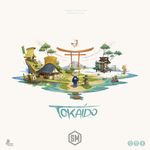
powers the gods give you is going to be messed up because there's variable each game um so yeah there's quite a lot of variability and the setup is not always going to be exactly the same so there's always going to be reasons to go back to it which is always good um aesthetically i really do like the game the way the game looks it's very um very on par with teotihuacan in terms of that macro looking down look you know where you've got the tiny little people walking around you can see the big temples and stuff i do really like that look and aesthetic of the game and it ties in very well with teotihuacan for the series and production wise is is very good as well i mean you've got this big plastic obelisk which i suppose it's somewhat functional in kind of moving the um the light around but it's more just kind of a statement piece in terms of table presence um but yeah quality in general components is top top-notch the only complaint i have is um that the resources are cardboard chips rather than um you know wooden you know wooden resources or anything like that so it would be nice to have you know wooden cubes or something rather than the than the cardboard chips but other than that i'm really happy with the production and i think the aesthetic aesthetically it's um very good looking as well um the the theme of the game again very very dry euro but it works you know the the statement piece of the obelisk is just it just works the whole light dark tainted thing is really cool um you know the the presence of the game develops as it goes on as you've got all
that kind of columns in the in the temple will develop you've got the quad buildings and the quarries that develop so it's got that it has got a kind of a building um civilization kind of feel to it while still being disjointed to that because it's a dry euro um setup and tear down time as well is is more than proportionate there's not too much that goes into it i suppose the biggest obstacle is um setting up your player board but it's still nothing out of the ordinary and nothing too onerous um progression of the game is it's really good to be honest um because you're going to get more of all those technology cards you are going to put more of your statues down so you know your engine is constantly building and when you're placing your columns um you are and when you place a building after that you get a whole bunch of points because you're going to get three points per column you've got when you place a building um so you can really do ramp up in your points as the game goes on um you can work towards those end game cards so there is there is a lot to um a lot of progression in the game it does feel like you're getting better and better as the game goes on and it's not it's not too stagnant um scalability is good because um as i said the spots where you can put your god statues is going to get tighter and tighter and tighter to paint depending on the player count um so there is it's not too loosely goosey you know you can do you are restricted and it doesn't feel like you are not treading on each other's feet you know you're always going to be somewhat interacting with one another um and also obviously dice are taking out take it out of the pool depending on the play account as well um and comparison um yeah it'd be it'd be foolish not to compare this to games
like terrytower khan i'm games like sulkin um not because it's ultra similar but it just has a similar feel to it you know it's got that ancient civilization feel to it um the the way it's kind of dominated by dice is um is you know comparatively similar to that one um but yeah it's it's a it's got familiar tropes of dice drafters but that just initial or additional layer of the scales is makes it unique and also the yellow tainted pure and forbidden bit is is really cool as well but yeah overall i really enjoyed this game um thing wrong don't get me wrong it's not going to be for everybody because it is towards that heavier end of the scale and i think some people are going to be daunted by the rules or initial rules overhead but once you're getting into playing the game i think it flows quite nicely and once you get your head around the round structure and stuff um you know it's not too daunting and it's not too it's not too overwhelming um i like the way how dynamic the dice are you know in terms of when you remove the oblis they're all going to flip which can you know throw a spanner in the works there's still tension there in terms of the dice drafting um you know the the tension of getting your statues out so that is all great loads of ways to score points some of them are um quite obtuse to um just probably more inexperienced players because not everything in this game is ultra intuitive um however i think once you've played it one or two times you're gonna get those kind of or shake those cobwebs off and um you
know it's gonna it's gonna fall more naturally and gonna kind of flow more naturally so yeah it's one of those that's going to reward repeated plays for me um i think out of the four i think initially this one's going to be probably my least favorite of the four however that's that's not a that's not a slight on the game i think it's a really solid game and i'm going to really enjoy um you know sinking my teeth into it and playing it again and again and again because there is so much to try in this game um and you know those other games are amongst my my absolute favorite games of all time so this one still sits way up there but yeah out of the four is the one i'm initially not as enthused about um however i said i think the more i play it the more i'm going to enjoy it i was very much like that with kyoto akan i think initially i was i liked the game but i didn't love the game and now i absolutely love the game so um i'm hoping this one will be in the same vein as that um again yeah just another solid solid design by um tashini and tertsy um always pretty much my most anticipated games of the year when whatever games they um they announce and i've been looking forward to this one since it was announced and i'm not disappointed at all um really enjoyed it um i think it's going to be really um appreciated by players who do like those other games and um yeah they're going to get a lot of value out of it so it's a rock-solid game i'm a solid dice drafter you've got the engine building you've got the kind of mini-game aspect and if all that appeals to you then you are going to love to can you obelisk of the sun um it's going to get a shield of quality for me which is my new grading system
um which you know is a very strong um verdict for me it's about 8 out of 10. um that's you know that's that's way up there for me so it's a really solid game and i don't want it to seem like i'm i'm down playing how good this is because i i prefer the other ones but yeah this one is definitely worth trying if you like this other games if you have enjoyed the review and please hit like and subscribe to my channel and check out my other videos too you can also support me by following me on instagram or backing me on patreon and i'll leave the links below for that one for everyone else i'll see you next time on chairman of the board bye