Veggie Garden Full Playthrough - JonGetsGames
Games in This Video
1 game is featured in this video — it unlocks as you watch.
Transcript
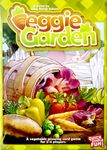
welcome at John gets games today I'll be doing a full 3 player playthrough a veggie garden in this game all players are cultivating the same garden and as they harvest the various vegetables they will also be able to manipulate the locations of these vegetables in the garden so that the vegetables that match the ones that they've taken already are worth the most points and hypothetically the ones that their opponents have are worth the least I'll explain how the game plays while we're actually in it so let's jump in here we have the game fully setup for our three different players when we're playing against the red and blue players although these tokens didn't actually come in the game that's just to help me differentiate between them in this video so one of the first things that you have to do when you actually setup this game is figure out which veggies you're actually going to be playing with you'll see that there are five over here but there are six different options so I decided we're not playing with tomatoes and I went over through and took out all the tomato cards from the deck and then I shuffled it up and put it out on the board here each player in the game started with two random cards as well I have the carrot 2m cabbage they're supposed to be facedown but I'll leave mine face-up so we can kind of remember what we have in our hand and then if you look out to the board there are all these fence posts and these are actually tokens and I shuffled up and put that onto the posts and these will change as the game goes on you'll see there is this bunny over here sitting on this post the bunny's only in the game when you have carrots but we do so they're there and the last thing we have to do for setup is to put this little groundhog token in this is only used if you're playing with the peas which we are and it only goes into the four inner spots in the veggie garden this is known as the compost area so the starting player which is gonna be us before we take our turn we're gonna go ahead and put this down onto one of these spots and I think that this is
probably as good as far as any the game itself will take place over six total turns and the goal of the game is to have the most valuable vegetables when the game ends so let's look at how our first turn is going to go we look over here and this is the harvest and what we do want to turn is we pick one of these four vegetables it will eventually go into our hand at the end of our turn but more importantly it will dictate which of these five actions we get to take on our turn so right now we have potatoes peppers and cabbage sometimes there'll be duplicates so right now we only have three different options available to us in order to figure out what we should do on return we have to know what these actually do so let's take a look at peppers first and if you look down on the bottom it says then we can swap adjacent veggies or fence posts and the groundhog is going to block us so the way that we can know the value of our veggies is these fence posts that go around the outside so at the end of the game for instance if we add one carrot then we would that one carrot card will be worth the value of all the carrots on the board which is equal to the fence posts so that means that the cards in the middle of the compost area are not actually worth any points so right now we see that carrots are worth three points because the only other carrot is in the compost area so things like the pepper let us swap cards around either adjacent will always adjacent by either orthogonal or even diagonal swaps so you can do some pretty big swings like we could use the pepper to move this carrot out over here and move the peppers in and suddenly carrots will be worth 6 points and since we have a carrot and no peppers that might be a reasonable turn for us our next option is cabbage so let's take a look at that one it says that we can shift a row or column of veggies or fence posts but
once again the groundhog is going to block so what that means is the groundhog is right here which means you cannot shift this row or this row and that likewise with the peppers you cannot swap out with the groundhog and this lets you actually slide the whole row and then move the thing that fell off into the other spot and you can do the same thing with the fence posts so obviously you can also swap adjacent fence posts and there are lots of ways to do very big shifts to the overall values of the veggies with simple actions on your turn our last option on this turn is to do a potato action so this one is a little different it says that we exchange a card from our hand with one that is in the garden so this doesn't actually affect or slide around ending the values but it lets us kind of get rid of a card a veggie in our hand that maybe isn't performing too well or we could also put a veggie out into the garden so that that one will score even better and that might make sense if we have a bunch of those in our hand to get one of them to increase a score multiplier for that specific type of veggie all that being said I think let's go ahead and do a pepper action I think we don't really know what we'd want to swap out of our hand with a potato just yet and I just realized that example I said before of swapping the carrots with the peppers would actually not be good because we're gonna have peppers in our hand but we have another really good option available for us this doesn't go into our hand just yet and we can now swap two things around on the board I think that if we take the carrots here and we swap them with these peas which at the moment we don't really care about that is a rather sizable shift in the overall value of the veggies that we have in our and with that our turn is now over so we can put this into our hand pull the next card from the top it is peas and it now
goes over to the red player's turn let's now take a look and see how the peas work so that the red player knows what they can do with it we see that it says they can move the groundhog and then swap any two veggies that are opposite the groundhogs new position so the groundhog always has to st. in the compost section so that means you could move the groundhog to this spot for instance and then you would swap the cabbage with the peas or maybe these peas well not with these peas that does make sense but you can do this cabbage with this pepper over here so it's a nice big swing but of course you have to actually move the groundhog before you can do it they decided they do want to take the peas so that is gonna go into their hand at the end of their turn and they now get to move the groundhog they'll go over here and they're gonna swamp this cabbage with this potato right there with that their turn is now over we can reveal the next card and it's carrots this is the last type of veggies that is present in the game so it goes over to the blue player and let's take a look and see what the carrots can do this says that the bunny is gonna hop to a fence post and then exchange places with it we can see that the bunny randomly started the game on this fence post and they're effectively eating this specific veggie card which means it's not worth any points so by doing a carrot action and jumping the bunny to somewhere else you can swing the points pretty big so you can swap that over here then suddenly these peas would be worth three points and these carrots would lose three points to their overall value after looking at the cards they have in their hand that they've decided they're gonna do a cabbage action so this is the one that lets them shift everything around on the board on a row or a column and they've decided they're gonna shift along the bottom row here that means that this pepper is
going to scoot all the way over to the other end with that their turn is over we draw the next card and it's a cabbage and we now get to take our turn at the moment we don't really care that the bunny is over here eating the peas so the carrot is not too attractive to us I guess carrots are worth quite a bit of points on the board but there are only two carrot cards out on the board so it's gonna be really easy to swing those points away and have the value of carrots go down so I think we look around I guess potatoes there are four of them on the board they're not looking too great at the moment but again just having them out there is pretty good although by doing the potato action we're actually gonna swap something with our hand with something out Laborde and again I'm not sure if I want to lose anything for my hand at the moment so looking at the last two things we have the peppers and we have the cabbage and I think let's just go ahead and do a pepper action and this lets us swap adjacent veggies or fence posts let's go ahead and swap these two fence posts over here so that now this peppers are worth three instead of one and that's pretty nice considering we just grabbed another pepper into our hand it's now time for the red player and we see we have a new peas coming into the harvest row red decides they like look of the cabbage over here so this lets them do a shifting action and they're gonna shift this whole row here over like that for the moments in this cabbage is not worth anything cuz it's next to the bunny but they see that there is a carrot out here in the harvest row at some point this bunny is gonna hop away and this will be worth at least one point which is better than being in the compost at that point it seemed like maybe they just really want to have another cabbage in their hand and that goes to the blue player and we have a new card from the top it's
another potato they decided they're gonna grab these peas right here that lets them move the groundhog they're gonna go right over there and they're gonna do a diagonal swap across the groundhog putting this potato at the 3-point spot and putting the peppers into the compost area it's now come back to us and we see we have carrots and potatoes to choose from it's worth noting that if we ever had for the same type of veggie in the harvest row we would discard all of them and then deal for more out so our options essentially involved at taking a card from our hand and swapping it with one out in the garden or jumping the bunny from one fence post to another I think let's go ahead and do that we'll take a carrot and when we jump the bunny will go over here let's say right now we don't really care about peas so we'll swap out that to for this one over here that's kind of nice for us because we do have a one cabbage right now and without our turns over we can put the carrot into our hand deal out the next card and it's another cabbage and it's now the red player's turn they decided they're gonna take a cabbage action which lets them slide around a row or column of veggies or fence posts and they are going to do this one up here on the top sliding this over just like that so the bunny is now eating some carrots and the peas go over there next up is the blue player's turn and there are some peas on the harvest and they think they want to take some carrots this lets them hop bunny over to new fence post and they're not going to go very far they're just gonna hop right over there we can now pull the top card and see that huh Wow three potatoes and some peas are our options and it's also worth noting that we have now taken three actions and the
game as I mentioned before is only six turns total so we are at the halfway point of the game with this current term I don't see any particularly great groundhog moves so let's go ahead and do a potato action I think this is the first one of the game so this one lets us take a card that is in our hand and swap it with one that is out there on the individual garden and I think that right now peppers are not doing amazing let's go ahead and take this pepper and swap it out for one of these cabbages right here cabbages are doing pretty well although by definition by pulling this back cabbages are not doing as well and now peppers are doing better it's an interesting Evan flow of the value of these specific veggies but I think that's still gonna be pretty much worth it for us we'll put that into our hand we get to add the potato into our hand draw a new card and it's now the red players turn they've also decided they're gonna take a potato action and they're gonna swap in a cabbage for this potato that's out here on the field and now goes over to the blue player we see that there's now two peppers out at the harvest they've decided to grab a bundle of piece from the harvest they then get to do the peas action which involves moving the groundhog over he'll go right there and then do the swap bringing these peppers into the compost pile and the peas out to the two value fence post it's now back to us and we see that we have peas again we now have two turns left and one thing to keep in mind is that when the game is over if you have one of each type of vegetable in your hand then you get a ten-point boniface so this is nice but it also kind of by definition means that you're not going big on one specific type of vegetable and trying to orient the veggie garden
to that one score is really big you can try to go specifically to get big values on a one type of veggie but it could drastically change with one subtle move on the board or you can kind of go wide and I think let's go ahead and do that we have four of the five different types already let's take the peas here and then move the groundhog we are in an interesting spot however because we're mostly taking this for that bonus and we look at our various oxygens on the board the carrots are both at three right now three two and two but using the groundhog we can't quite get either of these cabbages over to the three and already we have carrots on the threes which we are kind of happy with so we're not going to be doing anything drastic with the way we're going to be changing the veggie values with this specific turn I think that what we should probably do is move the groundhog up here and then we're gonna swap the potato for this pepper here and the reason for that is there are a couple peppers out here on the harvest so it's pretty likely that our portents might go ahead and grab them so we're making the pepper a little less good we have one potato and web pepper at the moment so it doesn't really affect us and if another carrot comes out that makes the bunny move and makes the potatoes a little bit better for us but again it's also gonna help our opponents or of course trying to also keep what they've taken in mind with our decisions we can now draw the next one and it's the red player's turn we have a cabbage come out they decide they're gonna take one of these peppers here that lets them swap at two adjacent veggies or a fence posts and they're gonna swap out this carrot it now goes into the bunny's mouth and the potato is now worth three on that
fence post the next card to come out this time for the blue player is another pepper blue decides they want to take a potato action so this is going to allow them to pull a card from their hand and they swap it with one that's out in the veggie garden and they decide they're going to do it with this cabbage right here with that they're done we see the new card is another potato and it is now our last turn of the game but it is worth noting that once we take a turn and both of our opponents do we'll do one last round at the table where each of us gets to draw one card from the harvest but not actually evaluated the action associated with it at the moment we have two carrots and two cabbage and then just one of each of the others and carrots are doing pretty good right now at 6 value each but I think let's go ahead and take one of these peppers right here and we're just gonna swap these back I believe it was the red player who swapped those in the last turn now carrots are worth a lot of points out there there are three of them out on the board and we can output this into our hand and with that we can draw the next card the red player takes their last main board action they decide they're going to take a potato action and with it they're going to take a potato from their hand and swap it out for this carrot right here now we go over to the blue player and we see they have cabbage and peppers as their options with their last action they're gonna take this pepper right here which lets them swap two adjacent veggies or fence posts and they decide that they're gonna swap these two around right here making peas slightly better peppers a little bit worse but they did of course just take a pepper for themselves for the last time in the game we're gonna refill the harvest row and
it comes over to us for our end game card Draft where we're just gonna take one of these cards put it into our hand so we'll have nine cards to score when the game is over but this is fixed in the garden we know the exact values for all the veggies now our options are carrots peppers or cabbage we see that cabbage is worth four we see that carrots are worth six and we see that peppers are only worth one so it's pretty simple we're gonna grab the carrots right here this does not refill it goes over to the red player and well they've decided they're gonna take a cabbage because four is bigger than one and lastly the blue player is going to do the same with that the game is now over we can all show our hands and count up the points first things first it looks like all three of us managed to get one of each of the five different types of vegetables so that's ten points for all of us next up we can score each person's carrots we see that the value of carrots out on the garden is three plus three so six points per carat we're gonna get eighteen points for that the red player is only going to get six and the blue player is also only gonna get six next we have cabbage we look to the board we see that cabbage is worth two plus two so that is four per cabbage so we're gonna get eight points the red player is gonna get twelve points and the blue player is also going to get twelve points now we have peppers they are just worth one point each so we get two red gets two and blue only gets one now we have potatoes they are worth one two three four five six seven each we see that we are only gonna get seven points red is gonna get 14 and so is blue lastly there
are peas these are worth one two three four five points each so we're gonna get five red is gonna get five and blue is going to get ten once we all add up all of our points we find that the red player ends with 49 points we are just ahead of them with 50 but unfortunately the blue player squeaked a win with 53 points with that the game is over and blue victorious I hope you enjoyed this playthrough my main goal with this one was to try and highlight the number of decisions and ramifications that come from all the different things that a player is doing throughout the game even though they're only taking six turns in this surprisingly short game because you're gonna have between two and four different types of vegetables to pick from and even when there's only two it seems like you know if you take a potato well which vegetable do you take from your hand to put out in the middle or if you take the cabbage you know how do you slide all these um the veggies as well as fence posts out on the board and what are the ramifications on the values of the other vegetables the ones that you're not necessarily looking at and also you're constantly thinking about what have my opponents done because they obviously are trying to work things in their favor so if you know you think you know what they're trying to do you can do what you can to work things more in your favor and not accidentally help other people as much as least as you can in this playthrough I did not really mean to have all of the players end up getting the 10 point bonus honestly I was kind of hoping to see what would happen if one went really hard on a specific type of vegetable but it seemed to me while the game was being played that it did make sense to try and take several different types of vegetables mostly to try and get the actions that
those vegetables gave to maximizing that number of points that you got on a given turn but I will admit that I am no veggie garden expert at this point it's somewhat likely that I did not play this game optimally at all but at the end of the day the goal with these playthroughs is just to get to show you how the game feels to be played not necessarily how the game is supposed to be played at a high level and with that I think I've wrapped up all my thoughts on this playthrough as always I'd like to thank everyone who's been supporting this channel through patreon including all of these producer level pledges if you two would like to directly support everything that I do here you can do so at patreon.com slash strong against games and I'd really appreciate it also if you'd like to see more full game playthroughs like this one as well as in depth board game reviews and vlogs please subscribe to the channel thanks for watching