Hellbringer: Bestiary & Forbidden Spells Board Game Review (Don’t Buy Until You Watch This!)
Games in This Video
2 games are featured in this video — they unlock as you watch.

Transcript
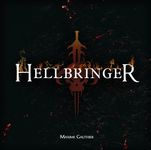
Stop scrolling. If you've ever rolled 20 dice, whiffed all but two, and watched a demon punt your level eight hero into the shadow realm, this episode is for you. Today, we're reviewing Hellbringer, Bestiary, and Forbidden Spells, aka Diablo and Slay the Spire's dice chucking baby. Should you buy it, or should you yeed it back into the tomb of regret? Buckle up. Feelings may be hurt. And if your feelings do get hurt, remember we warned you. We're not here to sugarcoat. We're here to serve piping hot truth with a side of overrot necromancer drama.
Board game critique crew. Welcome back. I'm Eve.
I'm Adam. And we've put Hellbringer through so many runs that the graveyard is basically our summer home.
Real talk, this is not a tutorial. If you want a tutorial, check the link in the description once you're done here. We're focusing on whether it's worth your hard-earned cash.
All right, quick overview so we're all on the same haunted page. Hellbringer is a solo first dark fantasy card and dice rogike for one to four players. You descend through four levels: graveyard, crypt, cave, and tomb of the demon. Smash monsters, grab loot, and eventually face a demon lord with two phases. If you die, you start over. No mercy, no participation trophies,
and it absolutely nails the RPG vibe. Loot falls like confetti at a cursed parade. My paladin once dual wielded. Well, not literally, but ran a wand of fireballs with a shield like some diet Gandalf. And it kind of worked kind of.
Mechanics that matter. First, sight-based combat. Every monster has a sight value. You can only hit stuff if your sight stat meets or beats theirs, but they can always hit you. We learned this the hard way when Eve tried swinging at a cave wraith she couldn't even properly see. It just slapped her back into the crypt like, "Nope,
don't be me. Boost sight early or suffer." And yes, we're giving advice while still keeping it real. The early game basically scripts you into sight and energy or you flounder.
Second, all or nothing damage. You either blast enough to instantly kill, or you do zero. No chipping away. I had 20 dice ready, needed 125 damage, and rolled basically a pile of existential dread. That single whiff ended a 90-minute run. I swore my dog judged me.
Third, energy management. Everything costs energy. Equip, activate, use again. You get one free use when you equip, then you pay. I had a gorgeous suit of enchanted armor and like no battery. It was cosplay at that point.
Fourth, action points per turn. Super tight. You're constantly deciding equip now or save actions to blast that butcher elite that's drooling on your companion. And deck progression is sneaky. Drawing too fast pushes you deeper, buffs monster sight, and suddenly you're in cave territory wearing graveyard pants. Don't do that.
Finally, character progression is delicious. Every kill grants stat points, health, armor, sight, energy, skill slots, hand size. Once your core is online, you can build weird. I once made a tanky sorcerer with stacked armor who bullied elites like a magical linebacker.
Let's talk expansion. Bestiary and forbidden spells. Two new classes, necromancer and alchemist, plus elite monsters, dark energy dice, forbidden spells, and a boatload of new enemies and loot. And yes, the elite cards kick in around level three, and they are legit midame boss fights. It fixes pacing.
My necromancer run was chaos in a good way. Bone shell gives plus 20 armor per companion. I had three rotten pals on the board, so 60 armor plus the bone scythe. I felt invincible until a forbidden spell ricocheted and vaporized my favorite undead buddy. I actually yelped. Dark energy dice are new hotness. Fives, tens, 15s, no blanks, big swings with nasty side effects. I rolled three of them against a hydra elite. Got 45 damage and still eight ate poison. Worth it. Felt amazing. 10 out of 10 would recklessly endanger my party again.
Alchemist, meanwhile, is the potion goblin class. Buffs, consumables, team support. I misplayed unstable concoction and turned myself into a heaving science experiment. It's clever, but you've got to track your energy or you just brew sadness.
Pros time. The reasons this game slapped. Authentic Diablo vibe. Loot Piñata in cardboard form. Any class can use any gear, which leads to hilarious emergent builds. My warrior wielded a wand and suddenly had feelings about spellcraft. Not optimal, very memorable.
Dice combat is satisfying. By the end, you're rolling 15 to 20 dice, counting fives and tens like a deranged accountant. The math is simple. The feeling is big. I dumped a mountain of dice and hit 140 ones. I did a little victory lap around the table.
Character progression is meaningful. The early grind is scripted. Sight and energy, but once you stabilize, creativity flourishes. Replay-ability is excellent. Tons of items, scenarios, classes, random dungeons. No two runs felt the same in our testing.
It's a solo gamer's dream. Fast setup compared to Minnie's heavy crawlers. Decisions matter. And when you die, and you will, you want to hit restart immediately. The one more run itch is real. My Saturday vanished into two necromancer rebuilds. Zero regrets.
The expansion integrates beautifully. Elite monsters fix midame flatness. Dark energy dice add riskreward. And new classes feel distinct without breaking the game. Also, most runs finish under two hours and often much faster if you get deleted by math.
Cons: brace yourselves. The rule book a disaster. I will not mince words. It's confusing, badly organized, and reference during play is pure pain. I needed two tutorials, a FAQ, and a small prayer to understand sight stacking with locations. At this price, it's unacceptable.
Swinginess is extreme. All or nothing means one bad roll can end a long session. The dark energy dice makes swings bigger. If you crave deterministic strategy, you will rage. I'm okay with risk, but even I had nights where variants felt vindictive. Co-op downtime is brutal. When you die, you sit. Resurrection cards are rare. I spent 20 minutes watching Adam fight while I reorganized my tokens by color and reconsidered my life choices. Also, card draw can brick you. Wrong class skills, overcosted items, full skill slots, do nothing turns are intolerable in multiplayer.
Setup tedium is real. You assemble four level stacks, seed combat and story counts by player number, bottom inject locations, shuffle portals if you add other expansions. Coming back after months feels like doing taxes, not the fun kind.
Production quality is okay, not premium. Dry erase boards work but feel cheap. At $65 to $75 Canadian, I expected nicer materials. That plus rulebook chaos makes the price sting.
Learning curve tax. You must unlearn typical card game instincts. Drawing fast accelerates the dungeon and sight requirements. Pull too many cards and you spawn impossible boards. We both rushed to a boss once and got obliterated. Lesson learned. Limited scalability. It supports one to four players, but it loves solo. There's minimal trading, thin player interaction, and difficulty increases faster than your tools. Multiplayer can feel like parallel solitire with shared suffering.
Unpredictable hand quality. You will draw unusable cards. Special refills don't always replace. I had a hand of expensive gear with no energy and two skills for the wrong class. I stared at it like a salad I didn't order.
Quick comparisons. Sanctum is cleaner rules and a smoother ramp, but Hellbringer nails boss tension and loot fantasy better. Mage Knight is deeper strategy. Hellbringer is faster and punchier. Choose your mood. One deck dungeon is quicker and lighter. Hellbringer has way more build depth.
Four Against Darkness is ultra portable DIY fun. Hellbringer feels more modern and structured. Gloom Haven or Jaws is the multiplayer king with deep tactical play, but heavier in rules and time. Hellbringer wins on speed to fun for solo ARPG vibes.
Other expansions, loot and merchant is essential, honestly. Portals to town, spend treasure, break your build in glorious ways. Arcane potential letting you learn a skill from any class. Chef's kiss. Quests and events adds flavor, but randomness can feel unfair. Bestiary and forbidden spells, our focus today, gets a strong thumbs up for pacing and class variety. Buy or skip straight talk. Buy if you love Diablo vibes, mostly play solo or two-player, enjoy build crafting, and can tolerate big dice swings and a rough rule book. If you want that one more run hit with fistfuls of dice, this scratches it hard.
Skip if you want deterministic tactics, clean documentation, polished multiplayer, premium components at this price, or gateway friendliness. If I did nothing this turn makes you see red, keep moving. Power rating 7 and 1 half out of 10. It's a flawed gem. When it works, it's magic. You feel powerful. The bosses land and the expansions elites give the campaign teeth. When it doesn't, you'll want to frisbee the box lid into the sun.
Personal verdict. With bestiary and forbidden spells, plus loot and merchant, I move from cautious maybe to qualified yes for the right player. If you're a solo ARPG fan who loves dice chucking power fantasies, you'll forgive the jank and have a blast. If you want polish and precision, better options exist. All right, that's our unholy union of Diablo DNA and deck dive despair. We said we wouldn't sugarcoat. If you're mad at us, remember, blame the butcher's cleaver.
We'll take the heat. Just don't send the balrog. Thanks for hanging out with Board Game Critique. Bye and see you in the next