




Betrayal at Baldur's Gate Deep Dive
What the Community Thinks About Betrayal at Baldur's Gate
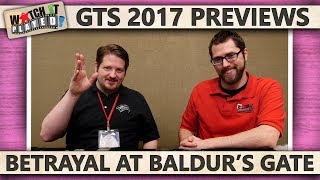
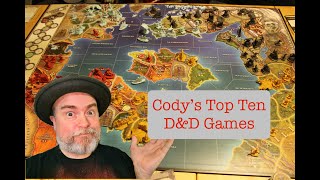
Reviewers land in a mixed-to-positive place on Betrayal at Baldur's Gate, the Dungeons and Dragons reskin of Avalon Hill and Wizards of the Coast's Betrayal at House on the Hill. The 3 Minute Board Games overview describes it as a casual, friendly storytelling machine that keeps the engine of the original, moves the action into the city of Baldur's Gate, and smooths out some of the haunt mechanics so the game is easier to manage. The Discriminating Gamer ranks it among favorite Dungeons and Dragons board games, although the channel still prefers the horror atmosphere of the House on the Hill original. Watch It Played, a live session with a Wizards of the Coast presenter, calls it a fun mix of Dungeons and Dragons and the award-winning House on the Hill. The Board Games UnLocked unboxing is openly eager about a game that combines the two, expecting it to be a lot of fun. That enthusiasm is consistent, but it comes with caveats about pacing and about how much strategic depth the game offers.
Core Mechanics That Define Betrayal at Baldur's Gate
The Traitor Game
The hidden-role structure is the heart of the experience. Heroes explore the upper city and the catacombs together until an omen card and a dice roll trigger the Haunt. The 3 Minute Board Games overview explains that the player who triggered the roll becomes the traitor, reads from a separate book, and works against the rest of the party, which reads its own objectives. Watch It Played shows the handoff in action: the new traitor sets aside quest tokens, places monsters equal to the number of heroes, and takes extra turns during the traitor phase while the surviving adventurers become the heroes. The 3 Minute Board Games reviewer also notes that neither side reveals its win conditions to the other, and calls that secrecy a key to the game. Reviewers consistently say the best moments arrive here, once the betrayal has landed and everyone knows who is working against them.
Tile Placement and Exploration
Every room is a unique tile, and exploration is the puzzle that feeds the traitor machinery. Walking off the map reveals a tile that matches the color of the door you exit through, and the rooms carry item markers, event cards, or omen symbols that stop a character in place. Watch It Played's table pulls red, yellow, and gold door tiles for the street level, then sends a party down through sewer grates into the catacombs. The Discriminating Gamer frames the setting as a narrative game in which a quiet city walk can suddenly turn into a different kind of adventure, which is exactly what the tile layout is designed to produce.
The Betrayal at Baldur's Gate Experience
Social and Laughter-Filled
Reviewers describe the game as a table-talk machine first and a dungeon crawl second. The 3 Minute Board Games overview paints the scene plainly: you take actions, things happen, someone yells that the traitor is cursed, and everyone laughs about the betrayal. The same overview frames the appeal as the experience and silliness of the game, adding that there is not much here for the super serious crowd. Watch It Played's table reflects that mood, with players reacting in real time to a mold outbreak that fills the lungs, a dice check that goes poorly, and a traitor who gleefully hunts the heroes. Sessions are short by design, with the overview putting a typical game at three to six players and roughly an hour once the group knows the rules.
Surprising and Swingy
The Haunt is where the variance lives. The 3 Minute Board Games reviewer points to the storybook's range of scenarios as the reason every session should feel different and surprising, since the win conditions stay hidden until the traitor is revealed. Watch It Played shows that swing in practice, with heroes rolling poorly in combat, a traitor's monsters pushing the party back up to the city level, and a single round of dice reshaping the whole session. Combat is resolved with dice pools tied to Might, Speed, and Sanity, so one good roll can flip a fight that looked lost.
What Makes Betrayal at Baldur's Gate Stand Out
A Storybook Built for Replay
The 3 Minute Board Games overview highlights the storybook as the reason to keep coming back. Because the scenario rules change the traitor's goals, the heroes' objectives, and even how monsters behave, repeat sessions rarely feel the same. The Discriminating Gamer calls it a very narrative game, one where a familiar city exploration gives way to a fresh quest once the haunt begins. Together, those qualities give reviewers a clear reason to return to the box rather than shelving it after one night.
A Smoother Haunt Under a Dungeons and Dragons Skin
The clearest praise is for the engineering underneath the theme. The 3 Minute Board Games overview says the design takes the engine of Betrayal at House on the Hill and smooths out some of the haunt rules so the game is easier to manage than the original. The Dungeons and Dragons setting adds fantasy monsters and a city full of familiar adventuring flavor, which Watch It Played's presenter frames as a natural pairing with the traitor concept. Board Games UnLocked was openly excited about how the Dungeons and Dragons reskin would play out, which suggests the theme itself is a selling point before a single tile is turned.
Potential Drawbacks
A Slow Opening Before the Haunt
The most consistent complaint is pacing. The 3 Minute Board Games overview says the best thing about the game is when the haunt is finally underway, while the first half is mostly filler. Moving, flipping tiles, and random things happening are described as a bit meaningless until the omen total finally starts the betrayal. Watch It Played's early rounds show that rhythm, with a long stretch of movement and event resolution before the omen roll lands. Players who want tension from the first turn may find the opening tedious, and the reviewers agree that patience is part of the bargain.
Rules Friction and Scenario Exceptions
Live play exposes the cost of scenario-specific rules. In the Watch It Played session, the table pauses to check how monsters move, whether a monster can stop partway through its movement, and how physical damage is applied, while the traitor's special book overrides the usual rules. Dice swings add to the friction, since a single bad roll can send a hero back to the city level and interrupt the flow of play. The 3 Minute Board Games overview also cautions that the game is aimed at casual groups, so players who want deep strategy will find less here than they might hope.
If You Enjoy Betrayal at Baldur's Gate
Reviewers point fans toward Betrayal at House on the Hill as the source of the design. The Discriminating Gamer still prefers the original, citing the horror theme and the haunted-house tone, while the 3 Minute Board Games overview treats the Baldur's Gate version as the friendlier, easier-to-manage take on the same engine. Players who want a darker atmosphere and the classic haunt should start with the original, while players who want the Dungeons and Dragons flavor and a smoother haunt should choose the reskin.
For a different kind of Dungeons and Dragons board game, the 3 Minute Board Games overview recommends Tyrants of the Underdark. The Discriminating Gamer also enjoys it, praising the way deck building feeds into area control and the variety that comes from changing enemy and character decks between games.
What Reviewers Are Saying
"the best thing about this game is when the haunt is finally underway"
— 3 Minute Board Games
"betrayal at baldur's gate is a really fun mix of D&D and the award winning game betrayal a house on the hill"
— Watch It Played
"It's a very narrative game, but it's it's it's a lot of fun."
— The Discriminating Gamer