/pic4285717.jpg)
/pic7229993.jpg)
/pic3464108.jpg)
/pic5932932.png)
/pic4285717.jpg)
/pic7275398.jpg)



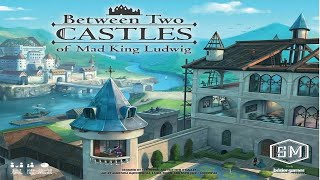
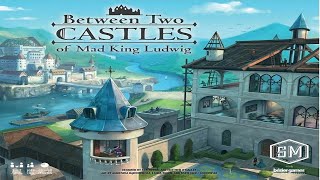























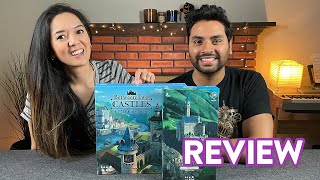
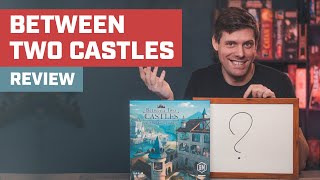




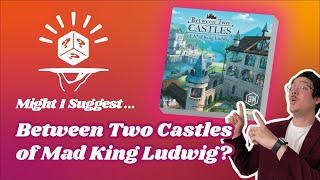
Between Two Castles of Mad King Ludwig Deep Dive
What the Community Thinks About Between Two Castles of Mad King Ludwig
Between Two Castles of Mad King Ludwig stands out as one of the most underrated tile placement games in the hobby. Reviewers consistently praise it as a masterful mashup of its two parent games that proves better than the sum of its parts. The game has earned recognition for combining the semi-cooperative spirit of Between Two Cities with the intricate tile-placement puzzle of Castles of Mad King Ludwig, while avoiding the fiddliness that plagued the latter. Players appreciate how the game creates a uniquely positive gaming experience where building together feels collaborative, even when competition ultimately determines the winner.
Core Mechanics That Define Between Two Castles of Mad King Ludwig
Drafting and Tile Placement
At its heart, Between Two Castles revolves around simultaneous drafting. Each round, players draw nine random room tiles and secretly select two to keep, one for the castle on their left and one for the castle on their right. The remaining tiles pass to the next player in a wheel. This creates the unique situation where every player is building two separate castles with different partners, each unaware of what the other will choose during the silent drafting phase. Once tiles are revealed, players discuss placement with their respective castle partners before permanently adding the tiles to the growing structures. This interplay between silent selection and collaborative placement generates natural tension and clever moments of synchronicity.
Seven Room Types and Cascading Bonuses
The 147 unique room tiles fall into seven color-coded categories, each scoring points through different mechanisms. Food rooms score points for adjacent rooms of specific types. Living rooms reward surrounding rooms and grant royal attendants that provide bonuses. Utility rooms score for connected chains of matching tiles. Outdoor rooms grant points for any matching room type anywhere in the castle but cannot be built upon. Sleeping rooms provide four points only if you have all six different room types in your castle, otherwise just one point. Downstairs rooms score for vertical connections above or below them. Corridors score for walls matching specific decorative symbols. Placing a third tile of any type triggers a special bonus, from drawing new tiles to gaining specialty rooms like fountains, towers, and grand foyers that multiply strategic depth.
The Between Two Castles of Mad King Ludwig Experience
A Uniquely Collaborative Feeling
What makes this game special is how it manages to feel cooperative without actually being one. Players work together with their neighbors to build castles they share, discussing strategy and celebrating smart placements together. Yet ultimately only one player wins, determined by whoever has the highest score in their lowest-scoring castle. This creates a fascinating dynamic where cooperation and competition coexist naturally. The game encourages players to treat both castles equally, making it impossible to hoard good tiles for a single castle. Even when players lose, they find satisfaction in the unique creations they helped build with their partners, appreciating the shape and specialization of their castle's design.
Accessibility and Inviting Presentation
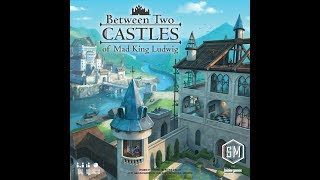
The production quality immediately communicates that care went into this game. Two ergonomic trays organize tiles by type, making the game easy to teach and set up. The gorgeous baroque artwork on the tiles is both visually stunning and thematically rich, depicting everything from kitchens to dungeons across actual German castle designs. The rulebook comes bound in a distinctive canvas-like vinyl material. This beautiful presentation, combined with straightforward rules that can be explained in five minutes, makes the game accessible to newcomers while remaining engaging for experienced players. The simultaneous action pace means that even with seven players, downtime stays minimal since everyone is taking turns at once.
What Makes Between Two Castles of Mad King Ludwig Stand Out
A Strategic Game That Plays at Any Player Count
Many games bog down with higher player counts, but Between Two Castles shines at three to seven players. The simultaneous drafting and placement mean that gameplay speed remains consistent regardless of player count. This makes it one of the best modern successors to games like Sushi Go and Seven Wonders as a gateway-plus game that works wonderfully for large gaming groups. The expansion adds an eighth throne room, enabling even larger tables. Whether playing with three, seven, or any count in between, the game maintains its engaging pace and decision complexity.
The Two-Player Variant Changes Everything
The included two-player variant introduces a third dummy player named Ludwig that transforms the game into something entirely different. One player controls Ludwig in round one, the other in round two. Rather than the peaceful cooperation of multiplayer games, two-player transforms into a devious duel where players strategically dump terrible tiles into Ludwig's shared castles to sabotage their opponent's scoring. This creates intense, competitive gameplay where players reap what they sow. In rare cases, Ludwig himself can win if both players focused so much on attacking each other that they neglected their own castle. This variant proves that a well-designed two-player rule can feel like a completely different, equally rewarding experience rather than a compromise.
Potential Drawbacks
Small Icons and Endgame Scoring Complexity
The detailed baroque artwork is a double-edged sword. While beautiful, the intricate illustrations cause room icons and scoring symbols to sometimes become difficult to read. First-time players may find the learning curve steeper because they cannot quickly identify tile functions by sight. Additionally, endgame scoring can feel lengthy, as players must calculate points across multiple room types, bonuses, and special tiles. Some groups solve this with third-party apps that scan the castle and calculate totals automatically, which dramatically speeds up the process. Without such tools, scoring can occasionally feel like it takes as long as the actual gameplay, particularly with new players carefully checking every detail.
Tile Shuffling Tedium and Limited Thematic Storytelling
With 147 tiles in the base game plus additional tiles from the expansion, shuffling the tiles for each round becomes one of the most time-consuming setup tasks. Players must ensure adequate randomization to guarantee variety across games. Additionally, while the game excels mechanically, it does not feature deep narrative or dramatic moments. The experience remains fundamentally about optimizing tile placement and scoring rather than unfolding a story. Players seeking games with emergent narrative or surprising twists may find the gameplay loop repetitive over many plays, even though the tile combinations ensure good replayability.
If You Enjoy Between Two Castles of Mad King Ludwig
Consider exploring other games that balance accessibility with strategic depth. Sushi Go offers a lighter drafting experience without the complexity of tile placement. Carcassonne provides similar tile-laying mechanics with a more abstract, less thematic approach. Seven Wonders delivers card drafting at scale for large groups. Between Two Cities, its parent game, strips away the room bonuses for a lighter experience. Castles of Mad King Ludwig offers the auction and tile-placement depth without the cooperative element. The Crew provides collaborative trick-taking at lower player counts. Wonders and Wingspan deliver beautiful production with engaging engines.
What Reviewers Are Saying
"Between two castles is such a wonderful game perfectly suited to keep a full table engaged for the swift 45-ish minute play time which remains consistent at each player count"
— The Cardboard Herald
"It's a stellar tile placement game I think it's better than either of its respective parents being between two cities or castles of mad king ludwig"
— The Cardboard Herald
"Between two castles took everything I loved about its two parent games the wacky floor plan puzzle of castles of mad king ludwig and the semi-cooperative player interaction of between two cities and smashed them into one awesome game that I can't stop playing"
— Might I Suggest A Game