/pic3728149.jpg)
/pic4166667.jpg)
/pic5055378.jpg)
/pic3728149.jpg)
















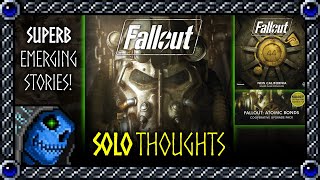



Fallout Deep Dive
What the Community Thinks About Fallout
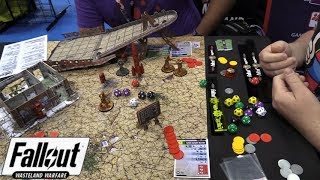
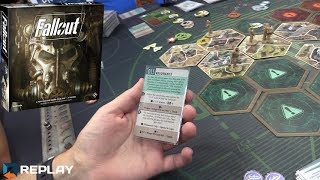
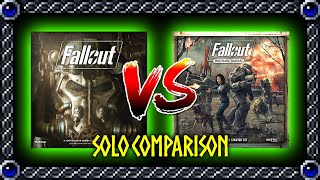
Fallout stands as a fascinating case study in board game adaptation. The base game receives mixed responses from reviewers, with some finding it merely functional and others recognizing its potential when the right expansion arrives. The consensus centers on one critical truth: Fallout transforms dramatically depending on how players choose to approach it. This post-apocalyptic expedition succeeds most when groups embrace the cooperative experience rather than the competitive one, shifting the game from a rough diamond into something genuinely compelling.
Core Mechanics That Define Fallout
Exploration and Quest Completion
At its heart, Fallout is a game about survival and discovery in a hostile world. Players walk across unexplored landscapes, encounter threats, and pursue quests that define their journey. The quest system forms the backbone of progression, though reviewers note that the base game's quest design can feel disconnected or unconventional. The addition of proper cooperative quests reshapes this entirely, creating meaningful narrative moments rather than arbitrary point-gathering exercises.
Combat and Character Development
Engaging enemies and developing survivor skills anchor the core loop. Players fight mutants and other foes while building their characters into capable survivors. The combat mechanics, when supported by cooperative expansions, become more tactical and satisfying. Character progression through items and skill development mirrors the video game's RPG sensibilities, allowing each player to forge a distinct identity within the group.
The Fallout Experience
Solo Play: A Surprisingly Strong Fit
Despite being designed as a multiplayer game, Fallout works remarkably well as a solo experience. The exploration and quest elements translate smoothly to single-player campaigns, where the narrative tension of survival feels intimate. Reviewers specifically highlighted that solo play captures the post-apocalyptic atmosphere of the video games, with players genuinely feeling like lone survivors navigating danger and uncertainty. This versatility makes Fallout accessible to different play patterns and group sizes.
Cooperative Play: Where the Game Shines
The true revelation comes when players add the cooperative expansion. Transforming from a competitive, free-for-all experience into a coordinated team effort fundamentally changes the game's identity. With proper cooperative rules, factions emerge as meaningful forces on the board, combat becomes tactical rather than arbitrary, and the quest system gains purpose. Reviewers describe this version as "truly great," with the same sense of humor, tension, and thematic resonance that makes the Fallout video games compelling.
What Makes Fallout Stand Out
Thematic Authenticity
Fallout benefits enormously from the strength of its source material. The video game franchise has established a rich aesthetic and world-building that translates to the board. Items, factions, and the overall tone feel genuinely connected to the IP. The post-apocalyptic setting, with its blend of dark humor and serious survival stakes, creates an atmosphere that few board games achieve. Players familiar with the video games find the thematic resonance rewarding.
Flexibility Across Play Modes
Few games excel equally at solo and cooperative play, but Fallout manages both effectively. This flexibility allows groups to choose their preferred mode of engagement. Solo players get a tense survival experience, while groups seeking cooperation get faction-driven storytelling and coordinated tactics. The game's willingness to accommodate different preferences suggests thoughtful design.
Potential Drawbacks
Base Game Limitations
Without the cooperative expansion, Fallout suffers from significant mechanical issues. Reviewers consistently note that the base game's winning condition is problematic, with one describing it as "absolute garbage." The competitive structure creates an awkward dynamic where players struggle for individual advantage rather than engaging with a compelling goal. The quest system in isolation feels disconnected and fails to drive compelling decisions. This limitation is not cosmetic—it fundamentally undermines the experience for groups unwilling or unable to invest in the expansion.
Edge Cases and Incomplete Design
Even with the Atomic Bonds cooperative expansion, edge cases exist that weren't fully addressed in design. Certain winning conditions and specific scenarios create confusion or unintended interactions. While these issues don't break the game outright, they signal that not every scenario was thoroughly tested or refined. Groups prone to rules disputes may find these moments frustrating.
If You Enjoy Fallout
Fans of Fallout should explore Diablo: The Board Game and The Witcher: Board Game, which share the blend of dark fantasy adventure, character progression, and tactical combat. For cooperative experiences with thematic depth, This War of Mine offers similarly heavy narrative weight and tough survival decisions. Players seeking exploration-heavy games might also enjoy Gloomhaven or Kingdom Death Monster, both of which feature discovery-driven campaigns with meaningful character development.
What Reviewers Are Saying
"The basic version of board game is pretty bad. Well, not pretty bad. It's average at best because you play each for themselves. But when you get the co-op expansion, you all play as team and then it makes sense. There's different factions like in the video game and you have great combat and you develop your character, get items. There's that same sense of humor. There is just a great video game adaptation into board game form if you have the co-op expansion."
— Board Game Hangover
"Fallout is not necessarily a solo game but when you play solo it works perfectly fine. There's nobody else there it feels like there's a story even though it's not a game you would necessarily call a story-driven game but there's quite a bit of story and since I'm a big fan of the video games as well I felt it translates very well."
— Board Game Hangover
"Without the expansions this would be like a C at least maybe even like a D right because like the game itself is cool but the ending and the winning condition is absolute garbage. But if you have the atomic bonds expansion which makes the game with just a few rules and a few cards it makes it Cooperative it's a really cool game."
— Sir Thecos