Beyond Solitaire Podcast 232: Esther Wright on Rockstar Games and American History
Games in This Video
7 games are featured in this video — they unlock as you watch.





Transcript
It's ad break time. I'm proud to announce that the Beyond Solitire podcast is sponsored by Central Michigan University's Center for Learning through Games and Simulations. I'm personally very excited because CLGS has a springtime crowdfunding project on the way. They'll be publishing a revised edition of Jason Morning Stars the blue way which you can hear about in episode 224 of this podcast. But for now, let's get on with the show. Hey gamers, this is Liz Davidson Beyond Solitire. This week on the podcast, I have a very special guest. This is Dr. Esther Wright. She is a senior lecturer in digital history at the University of Cardiff. How you doing today, Esther?
I'm good, thank you. Thanks so much for having me.
Thanks so much for coming on. So um what does digital history essentially mean in the context of teaching at University of Cardiff? What are you working on?
Um it means a lot uh in the context of what my my job is. So on any given kind of module level or teaching level, I can be teaching things from digital methods. Um thinking about the digitization of of primary source materials are kind of like the lifeblood of historical research. So how do we get something from an archive into a kind of digital online database or archive? Um I also sort of teach like broadly thinking about what has changed in terms of what has transformed historical research when we're in this kind of very digitally enabled age and kind of um surrounded by all different kinds of tools and technologies. Um but the thing that aligns more closely with my research is that I also do teach students um so history undergraduate students for the most part about historical video games.
So contemporary video games that represent or depict different periods and geographies and and people and events in the past. So that's um where I love to kind of do my research teaching. Um, I have a third-year specialist module on the history BA program where it's it's called kind of digital games and the practice of history. And it just encourages history students to think, you know, you're not just going to become a historian when you take this degree. You have these kind of research skills. You have this subject matter interest and expertise that you've been developing. What could it look like if you were to think about communicating that in a game format? Um, so yeah, that's the the very broad range of things that I do um with the digital um in my teaching my teaching capacity at Cardiff anyway at the very least.
Fantastic. We'll get to research, but I just have one more teaching question. I've always wondered about this. When you teach video game history, I guess reception studies through video games. Um, how much of it involves students actually playing the games and how do you actually mediate that for a class? It's it's hard work actually. Um so different universities do this in lots of different ways. Um Cardiff University has a really good policy of you know we don't expect students to have to buy any books that they are like essential reading for their course but I haven't been kind of successful in translating that necessarily into games and sort of digital software in that sense. So on a kind of initial practical level, I don't expect and I say to students in kind of the the the module or the course sort of like promotional material that I don't necessarily expect them to be like hardcore gamers, whatever that looks like. I'm not expecting them to go out and like buy a PS5 or an Xbox and buy all of these games. An interest in games is really what I'm what I'm interested in and the kind of thing I'm interested in engaging students with. But what it does mean is that in the classroom setting, I am very often kind of lugging my PS4 in or lugging in my Switch um my Nintendo Switch that is or or other kinds of consoles so that I sort of set up a session that you know we have a bit of discussion, we think about broad themes and then we look at a case study
together. And I think the attraction really of playing together um as a as a group. I do this on a lot of different modules actually where they might be a week where we just look at games in detail rather than my my sort of whole module structure. Um but sort of the the blend in the classroom of people who might have played a game before, people who haven't played the game but are sort of familiar with games and then people who don't play games at all. getting those kind of students together and seeing how they respond and how they react to what games are doing is just yeah it always kind of opens up really really interesting questions. So it's not without challenge, right? Like if you think of the implications of a class size of I don't know 35 to 40 students, you can't give them all like a piece of hardware necessarily. You can't these things are kind of prohibitively expensive, especially in the context of humanities education, right? Where it's not very well resourced. So um it's challenging, but there are some fun and interesting ways that you can kind of you can you can bring that into the classroom, bring these games into the classroom.
That's awesome. when you are assessing which games to bring into the classroom, uh what's kind of in your cannon of things that you use to teach uh games in history and how do you I guess select for new titles that you might want to bring in?
Oh wow. I mean the the sort of selection criteria is often um because so many games are so big now to be honest. It's what can I pick that can kind of give students like a flavor of something that we're talking about in in you know in a week's topic or something if that makes sense. So, for example, um when I talk about um the the idea of like the player as historian or the player as kind of um investigator in in a kind of historical space, I might um bring in my switch and show students like the the first 45 minutes or so of something like Return of the Ordin, right, where it's just puts you straight into it and asks you um it kind of hails you in a very historian-like way of, you know, you will not have decisive information. you just need to kind of look around and and put things together and you can get a really quick sense very very you know off the bat of what this game is asking you to do. Um I sort of I haven't quite really got to the point I think of bringing like a big AAA game into the classroom to get students to look at even though they're all for some reason all my students in the last two years have now suddenly become obsessed with Red Dead Redemption 2. It wasn't like that a few years ago. they were clearly at like the age point when it came out where they had the sort of time to to to play it. I've used maybe like select clips of like game play and engage them because it's with these bigger games it's often like you're looking for maybe like a specific moment that you want them to think about and and the specific
way that something plays that you wouldn't get if you had to like load up the game and then you just like watch this extended. You wouldn't have necessarily the time in the teaching schedule to do that if that if that kind of makes sense. So the sort of it's a lot usually tends to be a lot more like in independent games or smaller in scale games. Um so not quite independent but another one that I am really interested in and I've used to teach more recently is something like um pentiment when you're talking about kind of how games um yeah it's one of my favorite games too, right? like how games sort of really sort of like mimic and pay tribute to the the artistic culture and style. Um, and how they do this kind of micro history work. Um, I I also try and recommend students a lot of free-to-play games as well because again I don't want them going out and spending all their money unless they they really really want to on games. So um another kind of good one for that is um the histori games is like black haven and again like so doing something quite interesting with historical memory in the present but again it's something quite quick you can get into and get a sense of this is how this game works this is what this game is asking you to do and then they themselves like the students can go off and explore these in much more detail if if they want to. So, um, yeah, because I don't teach, I think it would be maybe slightly different if I sort of taught, you know, um, a specific module that was just on like American history and games or the medieval period in games where you might spend more time looking at like, you know, a different kind of range of games in more detail. But
because I teach almost like at a higher level of like what games do to history and what we could do with history through games, I draw a huge variety of and try to kind of like capture students interests across time periods and geographies as well um in choosing like what I introduce them to and and how can I practically fit that into a two-hour workshop session every week.
Yeah, that makes a lot of sense. Uh so you mentioned clips. Uh, one thing I was also wondering about this is do things like let's plays play a role in your syllabus building and in your assignments and also because that's always injected with commentary and like YouTubers themselves inject their personality into their let's plays and that's part of why people watch them. How do you select for what material of that nature
uh is a better fit for class than maybe somebody else doing a play of the same game? Yeah, I tend to so I I will have students who are like, you know, I'm really interested in this game and I want to write about it, but you know, I don't have the so many hundred hours to play it or I, you know, I don't have this console or even for older games as well where you can't it's not easy to access and play them. I I do sort of recommend well, you know, there's this this wealth of let's plays um on YouTube that you can have a look at. And when when they're doing it for kind of analysis, I sort of recommend to them find one that doesn't have that kind of commentary. find one that is almost presenting as this is a playthrough, but still be mindful of this is not a representative of everyone's experience playthrough. But if you're trying to get like the texture of how something feels or looks or the the overarching kind of maybe narrative structure or something like that is fine. Um, but yeah, I mean I'm aware that students do engage with with people who like have particular personalities and they bring that into the way that they do let's plays and they'll kind of talk about that. So it's an interesting thing that I try to encourage them to think about these think about the explicit kind of like parextual framing of these sources like think about the fact that you're not just seeing like the game you are seeing how the game is being framed and engaged with and talked about by someone who you know very often isn't like part of the company or um isn't always authorized in that sense to to do so. But to think
about how like to be quite critical about how they engage with that. Like what is it making you think about? Like what is this person emphasizing and not emphasizing about their gameplay experience and what does that tell us about the kind of variety of ways that people might engage with these kind of these media and what they might mean?
So we're going to get way further into that. Uh but um I I I have one more kind of question about just playing games as part of your research. So you teach um what you do like you are an expert at looking at video games and assessing sort of like what they and their companies are saying about themselves how those things relate to history. So in your own research um how much gaming are you doing versus looking at text and parex?
I mean I think my some of my students might have this impression that I'm I'm doing a lot of gaming but actually between between teaching and actually like turning research into writing and doing admin like the amount of gaming that I do now is very minimal. Um, so obviously like if I'm going to write about a game, I will have I will have played it and that can that can look differently. So a lot of the games that I I have written about I've played I probably played when I was much younger before I did this and that is a completely different experience to now playing it again as a researcher and trying to kind of like look at in a different way. But there was that kind of already familiarity. Um, but yeah, I would say that I just purely on a on a kind of a time basis, but also what I'm really interested in.
I I spend as much time trying to get a sense of like the promotional surround, the way these kind of games are branded and talked about. Um, and actually weirdly, it can kind of that can lead into my experience of playing the game. So I I'll mention kind of pentiment again. when that game was coming out and being marketed, I sort of immediately noticed it as like, wow, okay, this is a really interesting game, but also being promoted in some really interesting ways. And I was like, well, of course, I now have to play this. So, I did and and I ended up writing an article about it. Um, but more recently, you know, I've I've published an article on for the Fallout franchise, and that is entirely um kind of analysis of and discussion of the the outer edges of the the game and how that series has been branded and promoted over, you know, nearly 30 years.
But I absolutely love Fallout. It's one of my favorite franchises and I've played those games to death, right? But I didn't like kind of go back to them in that sense to write that article because that's not what it was about. So it really sort of it really varies. Um but I yeah I would say it sort of came out of my PhD where I I spent a lot of time when I was starting out like playing through um Rockstars games and then I just kind of got a lot more interested in oh hang on there's all this kind of stuff around the edges. I kind of find that fascinating and I don't think people are really paying as much attention to that as they should be. So maybe I maybe I should do that and that's what now takes most of my time. So yeah
and uh so I take it uh this is the publication of your thesis Rockstar Games in American history.
It is. Yeah. That came out of yeah the PhD that I did at University of War um finished in 2019. So yeah.
Beautiful. So um I guess for people who hopefully will read it, it's actually not too expensive on Amazon right now. It's like 20 bucks um
now after several years. Yeah.
Well, I mean Brills Brill's books will always be $300. Um but uh so what is the what is I guess the overview of that project for people who are curious and
then I'll ask you some more questions about how you feel about it now been too long since we published.
Yeah. Um so the the kind of you know the sorry words just like how do I explain this project? Um the the title the way that I thought about the title of that book because my thesis itself was just called Rockstar Games in American history. Um but when it came to publishing the book, I sort of thought about that is what this book is about at the highest possible level. It is about Rockstar Games and how they are mediating and how they are kind of performing the function of being historians of America. Um, but the sort of the bit after the the colon, you know, promotional materials and the construction of authenticity, that I think is what the argument really is, like what the the point of that book is.
Um, so yeah, like I said, while it's a book about Rockstar, the thing that I was trying to I realized sort of maybe halfway through the PhD project is that what I was trying to tease out is what are promotional materials doing? like what are companies trying to sell through various kinds of mostly born digital material um on their websites, through trailers, through different kinds of um digital spaces. What are they trying to say about their games? And more specifically, how are they trying to kind of construct expectations that their games are historically authentic? And again, like what what does that mean? Um you know, I think I think a lot about this idea of authenticity and and I have been since my my PhD and probably probably before that. and just the fact that it means so many different things to different people. Um, you know, academics who work in historical game studies, um, they use those terms in specific but also conflicting ways. Obviously, reviewers, players, people who, you know, make these games and market them. Like, there are so many different understandings of what this means. So what I became very interested in was well what were Rockstar trying to tell players that it means and how were they trying to kind of prefigure um the experience that a player might have if they were to kind of buy their games. Um, so the the project, yeah, it started with this very big idea of like I'm interested in how video games represent American history. Um, and I should say like US history. Um, really.
Um, and to be honest, when I had to like narrow that down into a feasible PhD project, there's no company that really suits that better than than thinking about Rockstar. um for for various reasons like no commercial company that is right who've been kind of very much committed to the idea of representing America over again like nearly um nearly three decades now. So, um, I I ended up focusing in really the two main case studies are, um, 2010's Red Dead Redemption, um, and LA Noir, um, from 2011. And then they kind of I I talk a little bit about Grand Theft Auto throughout because you can't really talk about Rockstar without talking about Grand Theft Auto. Um, and they those games are also kind of very sort of like historically um, informed um, in some interesting ways. Um, and then towards the end because Red Dead 2 came out pretty much as I was finishing up writing the thesis. I was like, "Oh, great." Um, so now I get to spend two weeks just playing this game so I can write about it somewhere. And that is kind of in in in the epilogue. Um, but what I think is really interesting and why I sort of chose the first Red Dead and LA Noir is that they come out within a year of each other. And what I talk about sort of through the the different examples and the different sources I look at in the book is that they were promoted in some really interesting and kind of time specific ways um by like very very similar ways as well. Um there was some real kind of work in between sort of like 2009 and 2011 to position these games in some really specific ways against specific kinds of historical knowledge and ideas about the the
periods of the American Western history that they were representing but also position them in a like a wider context of previous cultural and genre representations as well. Um, so a lot of, yeah, most of the book sort of looks at the mechanics really of like what they were doing and why they were doing it. And then the sort of latter half of it looks at the implications of that for the way that they were actually representing American history and specifically the way they were representing certain kinds of people. Um, and so I have like major case studies on the way that like gender works in these games where that's kind of a very clear contrast of here's what the marketing was sort of saying or pushing or positioning and here's the kind of game analysis of what this translates to in the game. Um, and then I look at kind of um, race and ethnicity as well um, in these spaces. And all of this stuff is kind of so bound up with the history of the American West, but also with the the history of the popular culture of the American West. So there's all these kind of different entanglements with history and and pop culture and that that runs throughout the book. Um yeah.
Yeah. That's that's really interesting. Um God, authenticity is such an interesting word because authenticity and accuracy are not the same. Um, so, uh, when we when we think about authenticity, I guess like what sorts of touchstones, um, are people gravitating towards in order to determine the authenticity of something even if they have no way to verify its accuracy.
Yeah. Um, this this is yeah, it's such a good question and it's one that like a lot of people in sort of historical game studies have been been grappling with really for a long time. It's so much more um about a sense of feeling. Um one of the interesting things I do with my students actually is um quite early on I get them I ask them like I want you to write a definition for historical accuracy and I want you to write a definition for historical authenticity and also one for realism. And they get into such trouble trying to distinguish these things and and you know end up using like accuracy to define authenticity. I'm like no no you have to like think of them separately but they're they're not right. They're really right. But yeah, um authenticity is so much more about something that yeah feels right. It has a kind of I think in the case of of Rockstar, but also um other other commercial games and different kinds of games, it's like how far does this feel right based on what I already know and what I think something already looks like or feels like or sounds like. A lot of it is just kind of reproduction and repetition. Um, and that's I think kind of where you can get into this sort of tricky territory of um, you know, repeating things that are very traditional, very conservative because they surely that's authentic, right? Like we we know this to be true, but how do we know this to be true? Um, and when it comes to, you know, a game that is about the American West, like the the shorthand way of creating this authentic experience, you're saying,
well, this looks and feels and plays like these Western films that even if you haven't watched them, go and watch them because then you'll be kind of primed for the experience. You know, how do you make a game about Los Angeles in the 1940s without it being about film noir, right? like you you wouldn't well a commercial gaming company I don't think who want to make lots of money wouldn't necessarily do that because there's no there's no benefit in trying to disrupt expectations when it's so easy to set up those expectations in shorthand using like a couple of blog posts and a lot of like very vivid imagery that people will recognize right when you make a game that is kind of a mashup between LA Confidential and Chinatown right you don't really want to disrupt expectations too much that that's sort of what it's going to fulfill.
Yeah, this is such a fascinating thing to say to in the context of talking about Rockstar because they really like to market themselves in part as a sort of destructive rebellious force. Um, especially during the Grand Theft Auto era, but I think that has like they they want to be like a little bit naughty. Um, but they also are sort of bound by conventions to sell their games, especially as they grow as a company.
Um, And so I guess how does that negotiation between, you know, oh, we're outsiders, we're outlaws, and then like, oh, we're establishment, like how do those things start to kind of interplay in the way that they're presenting themselves and or I mean, do they just give you both messages and people just go with it?
I Yeah, I find this so fascinating. I I am really kind of fascinated with Rockstar's branding and how that's changed um you know over over a couple of decades um to the extent that um in in the thesis like the PhD thesis version I had a whole chapter on like the history of their branding and I kind of I sort of condensed it down to almost like a few paragraphs in the introduction of the book with this idea that one day I will write this book on Rockstar and their brand because it's exactly that. always this like it's always been intention um where it's always yeah we are the kind of problem child of the games industry like we are the the innovators like the disruptors you know we're doing something different but they are absolutely at the center of the games industry like they are the status quo like they are part of the like hegemony of the kind of global commercial games industry um and I think it's really interesting that while It's undoubted it's not it's not kind of in question that they have people follow them. They are industry leaders. Um and in a sense like they they do do things that are innovative and lead to kind of change and and people sort of look to them as like a kind of guiding light. the fact that they're still um they have this this you know even calling themselves rockstar right it's such a like antiqu I'm not not saying they're obviously not gonna change their name or like their whole brand identity at this point but it's like it's almost sort of trying to kind of keep crystallized something that
they they probably were when they started out or they had this idea they wanted to be when they started out but they're absolutely not this kind of rebellious outsider anymore and yet this idea of them being the kind of outsider is so important important to the way that their games are perceived. Like if we think about the way that Grand Theft Auto has been perceived, the fact that they're sort of perceived as like this originally British company um and kind of with Scottish/ of wide British origins that is seen as really important to the fact that they're able to offer these like satirical kind of big critiques of American capitalism and American excess, whatever sort of period they they choose to to make their games in. Um but you know they they are like a transnational company. Their headquarters is in New York. They have studios across the US and like their their co-founders, you know, are thoroughly sort of like naturalized Americans and so inspired by American culture. So yeah, the the kind of the branding of it is really is really interesting. Um and yeah, I it's always this kind of contradiction at the heart of the way that they try and articulate themselves. And I think it'll be really interesting with We're seeing it now with the expectations and the kind of hype around um Grand Theft Auto 6. Um I think they have kind of set themselves up for like an impossible task in making this game so perfect because the expectations are so high
for them to do something that is so gamechanging. I don't know how you live up to those expectations when they have to make so much money or or else I don't know. I don't know what happens if it's not a massive success, right? It's a game that's been how many years in the making. So, yeah.
Yeah, that's a terrifying thing to comp contemplate for them, I guess. But, uh, you know, you kind of started to touch on this. One thing also sort of just sort of interesting about Rockstar is that, you know, yeah, like the main branch is in Edinburgh, uh, but they're going for authenticity and like kind of like an authoritative voice about American
pop culture and history. Um, and you know, you also you grew up in the UK, educated there. Uh, what why are you so obsessed with us? No, I'm kidding. No, Americans are allowed and we take up a lot of air. like it. But um but uh you know did that present any particular like interesting challenges as you were doing the project sort of like focusing out on your very loud sibling. Yeah, it's an interesting question and and something that um I've I've been um doing some work at the moment with my colleague um Ian Donald um from Edinburgh University who we've been looking at the kind of the weird contradictions at the heart of the the kind of branding of Rockstar as this British company but also you know this originally Scottish company and the different kind of inflection of very much what is accepted as like British humor that finds its way into these games. So yeah, they're all about America, led by American kind of popular culture and influences, but it's very easy or like what's often kind of commented on is this like very British inflection to yeah, the humor or the the kind of the style of critique and all of that, but actually when you think about that, it's sort of very hedgemonic idea again of Britishness, right? and British as having this very collapsed identity that basically just means Englishness when realistically you can also read these kind of very specific Scottish cultural
references and a kind of Scottish humor into it and all of that. So even within thinking about how that works, it's quite complicated. Um but yeah, again it's it's not just this outsider sort of like um or rather the the outsider persona of Rockstar is um is tied to that idea that they are not American. Um and the fact that yeah that that is sort of seen to be the thing that gives them the the platform to offer this critique that is um you know so supposedly successful. But yeah, again like as as a as a Brit, you know, a Welsh and British kind of researcher sort of coming at this and working from working on this from from the UK, again, it's kind of trying to situate situate Rockstar in in a thinking about what like the kind of the global resonances of these these games are, right? Like you talk about, you know, American culture as a kind of global culture and the exporting of sort of Hollywood. And it's no secret why a British company that wants to do things about America is relying on these kind of very dominant genres that already have this like huge amount of purchase throughout the world.
Um, and have people who kind of instinctively know it when they see it that like this is a western or or this is a a film noir. So the kind of yeah the the national identities and how there's like these different registers at play is is really interesting and would I think be it would be a different kind of critique if I was maybe like working out of the US writing on this or coming from like an American background or even like a European background you know then yeah it's interesting
uh the other thing that's kind of come up a lot is interested in cinema and you know calling on cinematic tropes to kind of ground perceived authenticity of the games. Um, how far did your research take you into cinema studies
and um how is that field progressing in comparison to game studies right now? Um yeah so quite far um you know someone who comes from I come from a history background um in in sort of in education my my BA and and my masters and maybe my PhD was in a history department but actually the project itself and and the way that I was required to read was was really interdicciplinary um and I think like that's something that you can't really avoid if you're doing sort of like games and media studies but also it's something that's quite hard like it it is a a challenge especially when you you don't necessarily have like the skills and training to to enter into those fields with a kind of understanding of oh here's like the main contours of of of what this means. Um so yeah I I had to read quite a lot about um film studies particularly the sort of the way that that film study scholars have have dealt with um the idea of genre just just in in general. Um but also obviously there's more specifically the western and film noir and these these are not kind of genres these are not fields of research that have a very small amount of work right they have literatures that go back like half a century or or more in many cases so yeah it's it's the kind of the interdicciplinary researchers problem of feeling like you you have to kind of be an expert in a lot of things but you
can't really ever reach the level you you feel like you can't really reach the level of expert um that that you want to because you're almost going into you're going into reading about um you know what the western is and how it's developed over over a century with a very specific idea of like I need to understand this to understand this game. Um so it kind of forces you to be more kind of like um pinpointing a little bit more kind of laser focus in what you're you're bringing out. You're not just there to to offer your own kind of like critique on on on film. Um but yeah, I and I think like there's been a lot of um game scholarship over uh or kind of over 20 years now really about the relationship between film and games and how you know there there is a lot of hesitancy or has been historically hesitancy within game studies to just say oh let's just use the same let's just use this method that comes exactly from film studies and apply it to games because like that that doesn't work right like we do need to understand medium specificity but it's not as if we need to like throw the baby out with a bath water because it's not about necessarily this. You would analyze a film in the same way as you would analyze a game. But there are a lot of things that you sort of need to understand about film to understand what games are doing with exactly the same kind of especially like historical and kind of wider cultural and social ideas.
Like they are these sort of mutually reinforcing media. they they increasingly and always have borrowed from each other and you like I said earlier you know you wouldn't get these kind of games from rockstar if these big sort of genres did not exist. Um and I think yeah there there's a lot that game studies has obviously taken I mean I have other people have historical game studies has taken a lot from studies of of film and of historical film um more more specifically um I think that film there's a lot that film studies could could take away from that and probably will take away from that field as well as there is this kind of greater sort of blending and sort of like um intermingling of um of games and film.
Um, and I mean in the sense that I think I don't think it's super controversial anymore to sort of call games the kind of defining art form or media form or whatever you want to call it of of our kind of 21st century. And I think that, you know, even in the sort of the narrative style and and the the yeah, the sort of storytelling film people who make films are increasingly interested in the way that games do things. And we can see this um also, you know, thinking about television as well, right? Like one of the things that um Jonathan Nolan and Lisa Joy talked about um in kind of promoting Westworld like the TV series reboot of the film um you know Michael Kryton's Westworld film is how in how inspired they were by the first Red Dead Redemption when making that TV series and then now you have Jonathan Nolan and Lisa Joy making the fall you know being showrunners for the Fallout TV series right so there's there's a lot of stuff kind of going on in these fields that probably should be a lot more crossover um in terms of the way that we approach these media that are kind of collapsing in on each other at a rate that is quite fast.
Yes. Um, this actually also makes me think, so a couple of times now we've talked about, oh yeah, these franchises have been active for almost 30 years. Uh, not only does this make me feel old, um, but um, but I think that it, uh, I think that because we think or at least I often find myself thinking of video games as kind of like recent or like for the young, that is distinctly no longer true. like distinctly all the young rebels who were doing like coin operated stuff and early Atari like they're old and you know we're getting there but like um how has I guess scholarship on games kind of responded to this change of video games slowly becoming like an established thing that normal adults have spent a significant amount of time with throughout a lifetime now or is academia still catching up to that and not taking games seriously enough.
Yeah, I mean I I think it's it's there's definitely a lot of the latter. Um I think increasingly there's a lot of discovery of games or waking up to oh may maybe we should take games seriously when as you say like they have their own long and complex history and people have been sort of taking that seriously. You know, we have a whole field of scholarship that is around like the history of games like wellestablished conferences, people who are who are experts in in this and and yeah, like games as a a form of media that is, you know, rapidly approaching a hundred years old, right? Like dig digital games that is, right? Um but yeah I um I think what's interesting in in the context of the research that I do so I don't I would always kind of explain to or try to explain what I do to people when they would kind of ask me oh so you look at historical games like do you look at Pac-Man right no it's not that it's very like contemporary games that are about history but even in saying that you know doing the classic historian thing of contemporary, meaning the last 50 years or whatever. But the the games I look at, the the franchises, the the companies I look at, increasingly, they have their own long and complex history.
So, you're not even just talking about um the way that history is represented in in in one or two games from the 2010s. you're having to think about like a a chronology of almost 30 years of a company that has made lots of other games and all of the like the way that they make games is the reason that this game in the 2010s is the way that it is. So all of these like big blockbuster franchises like you know Call of Duty things like Fallout um you like Battlefield, the Assassin's Creed even, right? They all have huge sort of um back catalogs of of games that are all kind of similar and have a a brand consistency but are all different in in their own ways. So, I think one of the things that I'm I'm trying to kind of like grapple with in in my own research now is and and and what people have been arguing for um for for a while is the fact that the history of games and history in games, they're not separate.
They're just not separate things. Um that poses though a particular challenge um for for researchers like me when I'm mostly looking at um like born digital material. So a lot of this kind of promotional material um parextual stuff ephemera um as we would kind of traditionally understand it in sort of historical research terms um a lot of that is is just is born digital and is not being preserved really in in any kind of um methodical way like there's not really much consensus about how we should be preserving this material. So I'm purely lucky actually with Rockstar that even though their website changed format like three times during the course of my three and a half years of doing a PhD which meant things moved around and you know new games are coming out all that. Um the the blog the newswire part of their website where I get a lot of like the the content that I was writing about the sources I was writing about and the promotional material they've just left that stuff there. it's still on their website to to access. It's it's not the case with lots of other games. So, in in me writing about you're trying to write about Fallout, for example, you know, a game that has been through, you know, a series of games that's been through like several different companies um and and identities and makers, it's not as straightforward to just like say, okay, how was this game being promoted in 1998 or um 2008 even? Um, you know,
even when I was looking at Red Dead Redemption and I started, you know, it came out in 2010. I started my PhD in 2015, you know, even at that point, the stuff I was looking at that was preserved on Rox's website. It had like link rot. It didn't look the same way. I could kind of get a like a sense of like the texture of what it looked like, but I knew I wasn't looking at it exactly as it was when it was first published in 2009. That's only five or six years later. Um, so there's a kind of there's a there's a real like methodological challenge where actually part of what you are I'm aware very very aware of in trying to do this kind of parextual research um even 10 less than 10 years removed is that really you're looking at kind of more absence than presence in terms of the source material that's left behind and how do we kind of do a sort of jigsaw puzzle with huge gaps to try and get a sense of how these games were being marketed like what is left of of this kind of this this kind of online discourse for us to piece together to make sense of what was being done. Um it's it's a really big challenge and we're only really starting to have conversations in the last couple years about how do we preserve games? Like we haven't actually got on to the conversation about what about all the other stuff that isn't hardware and software. Um and it's really really hard.
Yeah. Yeah. I mean so it sounds like the citations that you used for your thesis that became your first monograph are still there. Um, but
yeah,
it does make me think like, you know, my favorite way of learning about something is finding a book that's at least tangentially related and ripping out the bibliography.
And how will people do that when all the links are?
Yeah.
Yeah. I mean even you know when I was kind of reading things like published academic work that was citing oh this interview with I don't know Dan Hower or one one of the houses or someone who was like senior executive in Rockstar and then oh right you know me me hand typing the link out of this book bibliography in a book because you can't copy and paste from a physical book onto like a website you know a web browser rather um oh it's dead okay does the does the way back machine have it no okay right so how am I going to And there was there was they were links there were they were um interviews that I was referencing that within the span of my PhD like the website would be gone and I kind of learned the hard way. Oh yeah, I really should be caching this stuff on the way back machine like as as I'm going and like I still forget to do that sometimes and then you think oh my god why you know because that is at the moment the kind of closest approximation we can get to like take a snapshot of this but it doesn't work perfectly for all different kinds of websites. It's a very imperfect tool as as much as it is amazing for being able to do that.
Yeah.
But yeah, you know, you're you're right like what is the stable format for these things? Like I don't it's imperfect.
Yeah. I do not know either. But um I mean
lots of folders of PDFs, lots and lots of folders of PDFs of websites that I have saved myself out of fear. Um, but again like that doesn't mean that anyone else anyone else can access them, right? So,
yeah. No, that's true. Yeah. I have a a deep dark Google Drive folder called my dark past. It's just a bunch of things kind of safe. Um, uh, but you know, so you've worked a lot on Rockstar. You know, you've you've been writing about Fallout. Uh, but, um, it's forthcoming. Uh, you've also been working on an edited volume called Writing Game Histories. Uh, so could you tell us about that because I feel like just from my impression, you started specific and you're like building out and like helping other people talk about game history in general. Is that a correct impression and like where are we going?
It is. Yeah, I'm I'm pleased that that is your impression. Um because actually that book um that I've co-edited with my my colleagues um Professor Nick Weber at Birmingham City University and and Dr. Ian Donald who I mentioned earlier. I'm from Edinburgh AP University. Um and it's it's a project that very much came out of um the other thing that the three of us do together which is the historical games network. Um and the fact that we started that in um when we we first kind of all we met in 2020 just before the pandemic um at a conference that I ran at Warick and kind of having this realization that um we were actually the three three of a very small handful of people in the UK that had kind of permanent academic jobs um like protected academic jobs and were doing this research and I had just got my job at Cardiff at at that time and having this realization that like the the field of historical game studies was constantly having these moments of like reinvention and sort of rediscovery and it was building all this momentum and then it would kind of go away. And that was partly just due to the landscape of higher education and the kind of like the job crisis and the funding crisis but also the fact that because this is such an interdiciplinary field and because in general at that point a lot of people were just not really paying attention to games. How do we create like a more visible platform for this work, but also for its kind of wider, you know, the people who actually make games who have something to say about this? People who work in kind of museums
and cultural heritage who have something to say about this. It's not just for for academics, right? So, how do we create a space where we can, you know, build a platform, build a field um that is kind of collaborative and inclusive of lots of different voices. So, that's the kind of the very long history. Um but this book is very much pitched as a here is a place to start if you want to get into doing this research. Um so writing game histories is published um it's part of the the longrunning Bloomsbury series which is called writing history which is very much um it's aimed at kind of almost like a student market but not just students really like an entry level very kind of open accessible here's a starting point series of essays. Um so we ran a workshop to try and bring different people different different kind of perspectives together in a kind of very methodology focused way about what is the kind of current state of historical games research. Um that was at the the Digra digital games um research association conference in 2023 in Seville. Um and from that that became the the series of essays um in the book.
So we we have everything from the starting point of like what is the interdicciplinary toolbox of of historical video games. Um what are the different kind of methods and approaches? What does it mean to like look at parexts um in in relation to games? We have chapters on um gender postcolonialism thinking about like economic histories um mythology. We have specific chapters on um board games and how they make arguments as well. It's not just about digital games. Yeah. Um board games in the classroom for kind of pedagogy reasons. Um how you can kind of bring historical theory into game design. And then the kind of the the collection ends with um like a roundt discussion between four different um people who um um are professional game designers or professional historians who've worked in kind of game and narrative design thinking about like what does it mean to write history with games. So it's yeah it's very much sort of pitched at this um entry level here's here's where it starts here's where you start. Um, the introduction that the three of us kind of co-wrote is here's where we are and here's where we could be going and this is how you can use this book if you're interested in getting to this point. Um, so yeah, I'm I'm really excited about it. It's it's yeah, it's something that I'm really proud of.
That's awesome. Uh, so you mentioned I was going to ask so you started my question we're in sync. Uh, so there are a couple chapters about board games. Um, I guess my question is where you know you work mostly with video games. Um, but what is the presence of board game study like within your part of academia? And are we slowly catching up to video games? More of a presence? Um, or do those feel like mostly separate fields still right now? I'm sort of curious. I think they they have um they were for a long time kind of separate or maybe um analog games, board games were sort of they were treated a little bit separately even in like the main kind of journals um like um game studies journal which is like one of the the big journals for funnily enough game studies. Um it almost took you know a few years ago a kind of like um a statement by the editor to sort of say like we also are interested in in board games in in analog games. Um analog game studies is a wellestablished field actually even though it's been maybe treated a little bit more peripherally than people who study video games. And I don't know whether that's because you know in terms of kind of presence video games are a little bit kind of splashier. They're a little bit more not not a little bit more mainstream, but I don't know. There's there's a little bit easier kind of shortorthhand to talk about video games just because of like the historic association of like the image of the gamer like in the basement.
But I don't know why that's the case because obviously you have like tabletop role playing games as well as board games. And I wonder the extent to which things like um Stranger Things has arrived, you know, a kind of um like uh generated more of this interest and kind of like memory of the fact that Dn D is a massively prevalent thing that is really important to lots of people and people have also been studying that for a long time. So yeah, I think for for a long time they've almost been running peripherally and there have been kind of like increasing sort of emphasis on we need to remember actually that analog game studies does exist and and a lot of the things that people are saying about board games, they are different, but there's a huge amount of overlap with the way that like games in general make arguments like how they um how they kind of structure stories. Yes, they do things in different ways, but we should probably be be crossing over again in terms of the way that we we use different bits, different kind of approaches to to to different game styles to to make sense of of games in general. Um, and that's sort of really why, you know, we we wanted to have these kind of like defined chapters in in the book like that that look at um, you know, board games and historical rhetoric and like and again from a from an academic but also an academic who's a designer perspective. So Morris Suckling's chapter, right, who has made games um but is also kind of writes about games. Yeah. um having a chapter on sort of um specifically like the application of of board games in the classroom from someone like um Robert Horton like how in his experience of um
using you know people of there's a lot of like evangelism about oh video games surely they will like change education but actually like it's as I've already said like it's quite hard sometimes to bring games or quite often it's quite hard to bring games into the classroom but people have been doing this very very successfully with lots of different kinds of non-digital games for for a long time. So yeah, it was really important to sort of have those perspectives in the book to kind of recognize that this is a thing that like exists and has a huge literature and is established practice and all of that. Yeah, I'll be very curious to see what the future holds, but we're kind of coming up on an hour. I we could go on, but um I'm going to ask you one more sort of serious question, a couple windout questions. So,
I feel like it's it's all well and good to sort of talk about like all the history of everything you're teaching your students. For people who are listening to this podcast, if they're playing a video game that has some sort of historical setting, what are some things that you can pay attention to or do while playing to enrich that experience for yourself and maybe see more than you maybe thought you could?
Yeah. I mean to be honest like these are principles like you don't have to be a a you know fully established researcher to have these kind of principles and actually when I when I talk to my students I sort of say like you don't have to ruin your experience of games just to kind of think a bit more critically about what it is that you're seeing. Um so bearing in mind like who whose perspectives are you actually seeing and could there be more to it than this? Right? like historians like we know that history is always more complicated. You always have to kind of like pick a perspective and interpretation and you know selectivity in your sources and all of that, right? But I think like not taking the fact that a game is showing you absolutely everything even though like the the marketing might claim to be or you know not even necessarily the marketing might claim but the game by putting you in this like very immersive kind of you know audiovisisual kind of richly detailed world which is very impressive.
The only reason that you know a game company, any game company's able to do that is because they've had to kind of adopt creative license and their own sort of like liberties with interpretation. And that's absolutely fine because you couldn't make a game that had just like these random gaps because we don't know this or we don't know that, right? There has to be a level even historians make these kind of interpretive leaps um all of the time, right? Based on the evidence that they have. But I think yeah just just being kind of mindful or sort of asking yourself like okay who who is the character that I'm playing and playing as who are the other you know non-player characters or what what are the kind of environments that I'm interacting with and what kind of impression of this this period or this place is is this giving me and is that the whole story? I think a lot of it boils down to that, right?
Is that the whole story? Is it the complete history? Um, and if a game like makes you super interested in a historical topic, then that's that's amazing and that's great. And like they are very often a lot of people's initial entry points into into history. And I I genuinely think that's not something to be like snubbed. Um, it's important, but again, like not treating games as the final word. Um, especially not kind of commercial games. And actually I think yeah paying attention to like who is making a game? What other games have they made? Is there a particular reason why they might be showing you they might be allowing you to have a certain kind of experience? Like would there be a different experience if you were playing a game made by a different company or that had a different kind of main character? Um, like so one of the one of the things I talk a little bit about in the um like the the kind of epilogue of of my book and I and I wrote a little bit about in a chapter that I wrote for another edited collection on Red Dead Redemption is like imagining the end of Red Dead Redemption 2 where you don't just go back to playing as as John Maren and I know why you go back to playing as John Mar in the kind of epilog of Red Dead 2, right? I understand.
But imagine that you played as like Sadi Adler, this character who has a huge amount of time and energy sort of like put into her story. Imagine, you know, what would actually look different about what it is that you're doing other than like methodically building the house and like hammering the nails in or whatever that it takes 20 minutes to do in that epilogue. What could what the possibilities of like adopting a different perspective could have been and how that would have that could have maybe changed the perspective that was being offered. So, a lot of this is about perspective and again like thinking critically where have they got their information? Are they talking about it? What are they trying to say to you in like promotional materials or even on like if you have like the physical box or any of the kind of the way that this game is being talked about? What are you being told? Um, and is there something that you could be missing?
Nice. All right, everybody, go try it. Uh, but now you get your softy questions. Uh, so Esther, I know that you're busy and it's hard to game when you're like a fully active scholar, but have you played anything recently that really excited you or brought you some joy?
I have. Um, so one of the things that I played um I actually I went to a conference um in in Copenhagen back in August which was on um it's called otherworldly entertainment and it was on kind of the horror and gothic and kind of otherworldly elements in in games
and um I yeah it was it was it's not normally the kind of research that that I do of know like obviously horror and gaming is a hugely established kind of field of research and it was just amazing to like listen to all these presentations and like have these kind of games almost like you kind of almost been recommended games, right, while you're listening to people talk about their research on games. And one of the things that I ended up playing um because of that is um Alan Wake and Alan Wake 2. Um and so I I had I think my brother might have had the first Alan Wake for the Xbox 360, but for some reason I never played it and I don't understand why because it was exactly my kind of game. Um, so I played the remaster for the first time and um then and I'd already played Control a couple years ago because it was like for free on the PlayStation and I loved that game and it's part of like the remedy extended universe. So, but there's this bit in Control which is clearly like Yuri in Alan Wake too and I was like really confused. So, it was sort of one of these games that was like, "Oh, I probably should play this at one point."
And I played the remaster of Alan Wake and I sort of Yeah, it was it was fine. And I thought it was it was probably much more interesting in 2008 or whenever when it came out, but I need to play this to get to Alan Wake 2. But then in in in playing Alan Wake 2, I have not played a game like that for a long time. It was just like it it was it kind of it gripped me. Um and I I don't get to play a lot of games for not research, but that one I I did like it absolutely consumed all of my evenings. Um, I quite like kind of horror media for being scared, but it was it was there were there are genuinely terrifying moments of that game, but it just it was Yeah, it was great and it was such an interesting kind of play on the like the Nordic noir, the kind of detective sort of genre of games. Um, and has like a what like 20 30 minute musical interlude in the middle of it, right? It's just brilliant. like I you just I the smile on my face as I was playing through that whole section of the game um was just huge. Yeah, I I still think about it and it's not a perfect game by any stretch of the imagination. Like it's it's not it's not I'm not talk I'm not kind of like recommending it in terms of like this is the best game ever, but the way that it made me feel when playing it is an experience that I haven't had for quite a long time. So yeah, it's good.
That's going on the wish list. Um Oh man. Uh I'm just being basic right now playing Pokemon Popia. Um
amazing.
It's I love it because it's a game where that nobody's ever really in danger and everybody is so nice
and it's just very relaxing in the world we're in right now. So
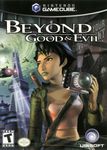
yeah. No, I I get that and and that's that's kind of necessary too, right? I mean, I have a like I have a Switch and it goes kind of criminally sort of underplayed. Um, to be honest, at the moment, one of the the the last things that I played like for fun um is the the remaster of the remaster of the remaster of Beyond Good and Evil, which is absolutely like my favorite game of all time, and I sort of it was again released for Switch, so I played it again. But yeah, um you know, what I mostly used my Switch for was playing huge amounts of Animal Cross Animal Crossing, sorry, in during the pandemic. and then kind of burning myself out with that and then playing huge amounts of Stardew Valley and then burning myself out with that and then playing huge amounts of Disney Dreamlight Valley because they're basically in the same game and just again getting that experience of like I just need something that's slightly mindless but wholesome but
allows me to play a game because I do actually despite my job love playing games and I always have but
it's now it's it's rare to find a game that doesn't just immediately put me into work mode. So, that's yeah, that's what these games are doing for me.
Fair enough. Uh, and then the last softy question for you is if people want to follow your work online, where do you like to be found?
Um, Blue Sky is the best place to be honest since I have abandoned um Twitter or X. Um, so I am writ that's that's where I am on Blue Sky. Um but um I'd also recommend um checking out the the historical games work which words I'll go back and do that again. Um but I'd also recommend checking out the um historical games network which is um historicalgames.net and we're also on blue sky. Um not so much for my work actually but also just for like a huge our blog is is is a great kind of resource um for for lots of different people taking um amazing and interesting approaches to to history and games of all kinds. you know, not just digital games, lots of work on analog games and and other kinds of kind of tabletop games over there. So, um, yeah.
Excellent. Um, so Esther, I want to thank you so much for taking the time to come on this podcast to talk to us about your work. It's really exciting and I I'm curious to see where it'll go next.
Thank you. I've had a great time talking to you.
All right, everybody. I can be found everywhere online as Beyond Solitire. Um and uh once again, thank you Esther and everybody. Please like, subscribe, comment, ask questions, and most of all, happy game.