
Each player plays a character who starts the game as a teenager and then must choose the cards that will make his life take shape. He can repeat a school year and get new friends, start smoking, take part in a Bible discussion group and have his first sexual intercourse during Oktoberfest – all very realistic. Every event in the life of a character has some effect on his main characteristics - tobacco addiction, alcohol addiction, drug addiction, wealth, health, sadness, spirituality and wisdom. Excess comes at a price, though, and when a characteristic gets too high, it cancels another one – if you smoke too much, you get thin; if you get too fat, you must stop drinking; if you drink too much you lose your wisdom, and so on – once more, very realistic. During game, you can get friends, and often more, with other player’s characters. This is an important feature in the game, since what happens to you usually affects, in good or bad, your friends, and this is one of the main interaction aspects of the game.
Description from Bruno Faidutti's ideal game library.
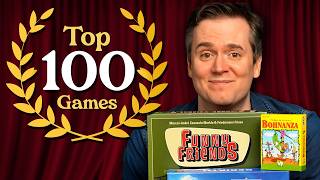
- Dark and humorous theme
- Player interaction and relationships are central
- Solid underlying game mechanics (co-designed by Power Grid designer)
- Creates a unique story each game
- Deserves to be back in print
- Publisher hesitation likely due to mature/dark theme
- Host wishes it was in a smaller format (card game)
- Living life, making friends, adult version of The Game of Life
Mechanics (from transcript analysis)
- Auction — the way you get these cards is an auction you have these tokens which represent the time in your life so you have to sort of decide how much time am I going to invest to this thing over someone else.
- Goal-Oriented Play — you're trying to complete these life goals that are represented by cards.
- Resource Management — it's basically sort of a balancing thing of trying to get the resources you need to then pay for other things to meet the goals that you want.
- Social Deduction — you can be friends with other players in the game so you each have tokens for each other's players and you will create friendships you could even be married to to another player in the game.
- Variable player powers — you each play as a character and you have this board that represents different aspects of your life so how much are you smoking and drinking and taking drugs how much money do you have how ill are you how unhappy are you.
Video topics + discussion points
Quotes (from this video)
- These are not the best board games I would recommend to you
- This is a very personal list that I've honed over the years
- Luxa... I think has been unfairly overlooked because of how it looks but it's also one that's quite tricky to describe using mechanisms from other games because it's quite unlike other games and that's what makes it so interesting
- the way you collect them is this tricky coordination so to move in the game you play a movement card and you've got a hand of five movement cards but you can only ever play from the outer edges
- Funny Friends... it's the Game of Life the adult version because it's got a really dark sense of humor to it
- underneath it all it is a solid game because it's co-designed by freedom and Frieza who designed power grid so it's not like I've kept this game only for the theme
- Bonanza is so much better than it looks.
- it's a very pure form of trading
- I love how big of an experience you can get in such a Tiny Box.