



Kachina Deep Dive
What the Community Thinks About Kachina
Kachina is a two-player game that reviewers keep describing as underrated. On its list of the top ten underrated two-player games, Chairman of the Board placed it at number one, framing the choice around the gap between the game's quality and its standing. The channel pointed out that its BoardGameGeek ranking sits far down in the 5000s, well below where it personally rates it, and called it wildly underrated. Returning to the game in a separate episode, the same channel described it as fiercely underrated and recommended it to anyone who enjoys tense two-player games.
Collectors also keep it on their radar. On Matthew answers the internet, the host lists Kachina among their grail games, describing it as a small box card game they want badly while admitting to remembering little about it beyond that desire. The remark says more about how difficult the game is to track down than about how it plays, but it fits the broader sense from reviewers that Kachina has never built the following its design deserves.
Core Mechanics That Define Kachina
Card Drafting From Shared Columns
The central system in Kachina, the Bucephalus Games design, is a drafting structure built on columns of cards laid out during setup. On a turn, a player can draft the top card of a column into their hand, and that act reveals the next card in the column to the opponent, who can jump in and take it. Chairman of the Board describes the result as an opportunity cost in every decision, because each pick hands something to the other player. Reviewers treat this as the engine of the game's tension, since taking one card always makes the next one available to someone else.
Cash Management Through Multiplication
The second mechanic is the economy that runs alongside the drafting. Matching-colored cards can be multiplied together to collect money from the bank, but drafting a card costs money in the first place, so players are constantly weighing income against purchasing power. Reviewers describe this as a tight economy that rewards careful balancing of funds, because money dries up quickly. A player who runs short can be left out of pocket while an opponent with cash secures the cards they want, which is why cash flow decisions feel as important as the card choices themselves.
The Kachina Experience
A Silent, Ferocious Table
Reviewers describe Kachina as a game that quiets the room. Chairman of the Board says the table tends to go completely silent because nobody wants to make a single mistake, calling the play ferocious even while praising its elegance. The intensity comes from the small margin for error in the drafting and the economy rather than from a loud or aggressive theme.
A Jeopardy-Style Give and Take
The second feeling is a constant sense of give and take. Chairman of the Board describes the drafting as carrying a Jeopardy feeling, where if you do something, your opponent gets something as well. Players are rarely just building their own position, because each decision also shapes what the other player can do next. That keeps the two-player back and forth active throughout the game and makes it feel more like a contest of anticipation than a solo efficiency puzzle.
What Makes Kachina Stand Out
An Elegant, Tight Economy
Reviewers praise Kachina for doing a great deal with a simple rule set. Chairman of the Board calls the game elegant and points to how money and drafting interlock so that every purchase carries a consequence. Rather than adding layers, the design keeps players focused on a handful of choices with clear trade-offs, which is why the channel regards it as far more distinctive than its low ranking suggests.
Teaching Math and Evergreen Potential
The game also earns praise as an educational tool. Chairman of the Board describes it as a nice game for teaching math to younger family members, going further to suggest that Kachina could become an evergreen if it were reprinted and better known, because the design is strong enough to hold interest over time.
Potential Drawbacks
Money That Runs Out Quickly
The most consistent concern is the economy itself. Reviewers say money dries up quickly, and a tight cash supply punishes even small misjudgments. Reviewers present this pressure as part of the tension rather than a flaw, but it is a demanding part of the experience, and players who prefer more room to recover from a poor turn may find the cash flow unforgiving.
Presentation and Visibility
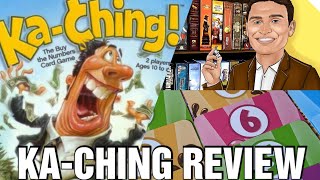
Reviewers also acknowledge that the game does not sell itself on first glance. Chairman of the Board says it sounds pretty boring on paper and that the box artwork is a bit ridiculous, while also adding that the art is quirky at the same time. Combined with the modest following the game has, that can make it easy to overlook on a shelf or in a list of options, even for players who would enjoy its tension once they sit down to play.
If You Enjoy Kachina
Players drawn to Kachina's tense two-player drafting and its opportunity cost will find similar pleasures in other titles that Chairman of the Board recommends for related reasons. The closest match in spirit is District Noir, which the channel describes as a set collection game in which taking the last cards of a central row forces players to weigh what they hand over, and in which luring an opponent into a trap is part of the plan. Seven Wonders Duel, which the same reviewer calls a phenomenal two-player game, also rewards players for weighing what each choice gives away.
- District Noir: drafting from a shared row where every take hands something to your opponent.
- Seven Wonders Duel: opportunity cost and careful management of what you leave open for your opponent.
What Reviewers Are Saying
"It's definitely one of those games where everything just goes completely silent because you don't want to make a single mistake, but it is a very enjoyable game and kind of a nice one to teach math to your maybe younger family members."
— Chairman of the Board
"You have to balance your funds very carefully because you can quickly run out of money. If you don't and your opponent does, they're probably going to have a much better choice of getting the cards they want and can leave you out of pocket."
— Chairman of the Board
"I really want it and I don't remember much about it other than really wanting it."
— Matthew answers the internet