/pic2073821.jpg)
/pic5212622.jpg)
/pic2073821.jpg)













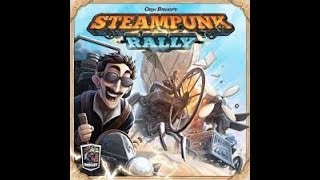















Steampunk Rally Deep Dive
What the Community Thinks About Steampunk Rally
Steampunk Rally has captured the hearts of board gamers with its blend of whimsical chaos and satisfying engine building. The game combines the quirky appeal of a steampunk aesthetic with genuinely interesting mechanical depth, making it a favorite among both casual players and enthusiasts seeking something distinctive. Channels like Getting Games and Our Family Plays Games consistently praise it for its creative freedom, accessible learning curve once you get past the initial teach, and the remarkable replayability it offers through its large roster of historical inventors.
Core Mechanics That Define Steampunk Rally
Card Drafting and Machine Construction
At its heart, Steampunk Rally is a card-drafting game where each turn players draw one card from four different stacks and simultaneously choose which card to keep. These cards represent machine parts that can be added to your contraption, or alternatively discarded for the resources shown on them. The genius of this system lies in giving players multiple meaningful paths forward: build for the future, grab resources immediately, or trade any card for cogs. This creates short-term versus long-term decision-making that keeps every draft engaging. Players can rearrange their entire machine at any time, allowing complete redesigns mid-game as long as the connections remain valid.
Engine Building Through Dice Manipulation
The racing phase showcases the true engine-building experience. Players roll all their available dice and place them into specific slots on their machine parts to activate different effects. The clever design choice here is that both high and low rolls can be valuable. Some machine parts want the biggest numbers to multiply them and generate more movement, while others activate once regardless of the die value and prefer the smallest numbers to minimize wasted resources. This ensures that no player is ever simply punished for rolling poorly if they have built their machine thoughtfully. Cogs serve as a powerful resource for re-rolling, adding pips to dice, or removing stuck dice from your engine, giving players meaningful ways to mitigate bad luck. Roxley Games designed the whole loop around turning randomness into a puzzle.
The Steampunk Rally Experience
Simultaneous Action and Pacing
What makes Steampunk Rally remarkable is how much of the game happens simultaneously. The entire racing phase resolves with all players rolling and placing dice at the same time. This creates a buzzing sense of kinetic energy as machines trundle forward, fall apart, and shed parts in a chaotic cascade. The game maintains excellent pacing despite supporting up to eight players because everyone is thinking and acting together. Once players understand the flow, turns move briskly without the downtime that plagues many larger games.
Machines as Living, Evolving Contraptions
Your invention is never static. As you take damage, pieces get ripped off. As you draft new cards, you rebuild and reorganize. As turns progress, your once-glorious engine might become a tiny, scrappy contraption. This constant flux means the game never feels repetitive. Even the same machine part in a different configuration can create entirely different synergies. The tactile experience of physically reconstructing your machine adds real satisfaction to the gameplay.
What Makes Steampunk Rally Stand Out
Thematic Coherence and Historical Flavor
The game's choice to feature real historical inventors like Nikola Tesla, Thomas Edison, George Washington Carver, and Marie Curie adds genuine flavor alongside the entertainment. Each inventor comes with unique asymmetric powers that reflect something about their historical legacy. The whimsical, cartoonish visual presentation ensures the game never takes itself too seriously, even as players engage in serious strategic decisions about machine optimization and risk management.
Remarkable Replayability and Asymmetry
With a sizable roster of historical pilots, each with unique powers, the game offers substantial variety from play to play. Although two pilots with similar abilities might feel comparable, subtle differences in how they generate resources or trigger special abilities shift how you approach drafting and machine-building. Combined with the large number of cards in the pools, particularly in the events deck where real variety emerges, no two games feel identical.
Potential Drawbacks
Teaching Complexity and First-Turn Awkwardness
New players frequently struggle with initial comprehension. The interaction between drafting, venting dice, and racing creates conceptual friction that takes several turns to resolve. Experienced teachers have found success teaching the racing phase first through a mock round, then backfilling the draft and vent mechanics. This non-intuitive teaching order speaks to a genuine learning curve. Even after explanation, the first one or two turns often feel clunky as players grasp what they are doing and why.
Limited Direct Player Interaction
Hand drafting provides some indirect interaction as players choose what to pass to neighbors, and occasionally a card gets burned specifically to deny an opponent. However, most of the time players simply take what they need most, giving the draft a multiplayer-solitaire feel. The racing itself involves no collision or direct combat. Machines occupy their own lanes, and while someone might forge ahead, nobody is actively interfering. This suits players who enjoy engine building without negotiation or direct conflict, but others expecting more direct competition should be aware.
If You Enjoy Steampunk Rally
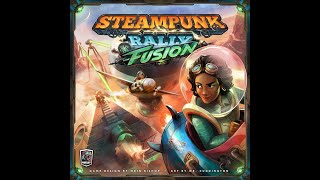
Players drawn to Steampunk Rally might enjoy other dice-heavy engine builders and racing games. King of Tokyo offers simultaneous dice rolling and resource management, though with direct combat and monster mayhem. Splendor provides engine-building satisfaction through card tableau development. Wingspan features tableau building with chain reactions similar to Steampunk Rally's machine interactions. For those who love the racing theme specifically, Heat: Pedal to the Metal delivers strategic racing with meaningful choices, and the standalone follow-up Steampunk Rally Fusion offers new mechanics while staying true to the original.
What Reviewers Are Saying
"You really feel like you're assembling this crazy contraption, from a thematic perspective but also from a mechanical one, because what you're often looking to do is create systems within the parts of your invention that feed into each other. I just really love the way you can assemble these combos with the cards."
— Getting Games
"It's fun, it's another game where you get a chance to have education in it, because they talk about the historical people, the inventors who make their own little vehicles to be in this rally. George Washington Carver's in the game, and there's just so much value to it."
— Our Family Plays Games
"All in all it's a really fun game. It's a bit chaotic but it still has some euro engine building. It's got randomness, but the randomness can be mitigated. There's all sorts of really good stuff in this box, and I've had a really good time playing it, so I would definitely recommend it."
— Getting Games