

The Tale of Ord Deep Dive
What the Community Thinks About The Tale of Ord
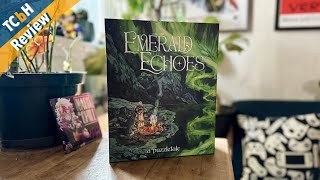
Reviewers who write about The Tale of Ord, the 2018 narrative puzzle game from Post Curious, tend to frame it as a high point for the escape room in a box genre. The Cardboard Herald includes it among its favorite games of 2018, describing it as a narrative puzzle adventure with some of the most cryptic and rewarding puzzles the reviewer has ever solved. When the same channel reviewed the sequel, Emerald Echoes, it returned to Ord as the benchmark, comparing the sequel's finale to the climactic moments of the original. Board Game Dad does not discuss the game directly, so the praise on this page comes from the Cardboard Herald coverage.
Core Mechanics That Define The Tale of Ord
Cryptic puzzles that reward persistence
The puzzles sit at the center of the experience. The reviewer calls them some of the most cryptic and rewarding puzzles encountered, and the difficulty is part of the appeal. These puzzles are tied to a story that unfolds both on and beyond the table, so solving them moves the mystery forward rather than acting as isolated brain teasers.
Handmade components and the online hint system
Ord splits its play between physical pieces and online support. The reviewer promises that some of the handmade physical components will astonish players, while avoiding specifics to protect the surprises. The online hint system is described as fantastic and as the element that keeps a group on track. Because the puzzles are so cryptic, that hint system is presented as the thing that keeps a session moving rather than a last resort. The Emerald Echoes review describes the same style of hint integration as naturally baked into the sequel's system, which suggests the publisher treats hints as part of the design.
The Tale of Ord Experience
Playing it together
The Cardboard Herald reviewer played Ord across a run of sessions with a spouse, and the reviewer describes the result as one of the most memorable gaming experiences the pair has shared. That personal account frames the game as a shared activity rather than a solo puzzle hunt, and it sets expectations that the game rewards conversation, debate, and patience at the table.
A story that extends past the table
Reviewers single out the writing. The story draws on symbology, astrology, archaeology, technology, and a long list of other ologies, and the Cardboard Herald calls it really, really well written. Because the narrative unfolds both on and beyond the table, the mystery continues outside the physical components, which gives the puzzles a reason to matter beyond the next answer.
What Makes The Tale of Ord Stand Out
Pushing the escape room in a box genre
The clearest praise in the coverage is that Ord showed how far the escape room in a box genre could go. Reviewers describe a narrative puzzle adventure built around physical objects, online hints, and a story that works across both. The Emerald Echoes review, which places the sequel among the publisher's bigger box releases, measures the new game against the original and finds the finale on par with the climactic moments of Ord, a sign that the original set a high standard for the format.
Narrative and puzzles woven together
What separates this kind of game from a stack of puzzles is how closely the story and the solving are linked. The Emerald Echoes review describes the hint system as sitting naturally inside the sequel's design and enhancing the storytelling, and it notes that the quality of the puzzles and writing stays consistent throughout. That praise is aimed at the sequel, but the channel's continued comparisons back to Ord suggest the same interlocking approach defined the publisher's line from the start.
Potential Drawbacks
Puzzles that lean on hints
Ord's puzzles are cryptic enough that the hint system is a central support rather than an optional extra. The Emerald Echoes review makes the point directly for the sequel: the reviewers admit they are not puzzle masters and need healthy helpings of clues to conquer these narrative mystery boxes. Players who want to solve everything unaided should expect to reach for the online help regularly, and groups who enjoy a steady challenge may find that the hints shape the rhythm of play more than they expected.
Less open-ended than the publisher's sandbox work
Compared with Emerald Echoes, which the reviewer calls the most linear title from Post Curious, Ord sits closer to the open-ended, sandbox-style puzzle tales the reviewer hopes the publisher will keep producing. Players who enjoy freeform exploration and working on more than one thread at a time will appreciate that difference. Groups who prefer a clear, sequential path may find the original's looser structure less guided than the sequel's.
If You Enjoy The Tale of Ord
Players who enjoy Ord's blend of cryptic puzzles and a story that reaches past the table should look at Emerald Echoes. The Cardboard Herald calls the sequel a fantastic entry point for anyone who has always wanted to try this style of puzzle tale, even though it continues directly from The Emerald Flame. The reviewer also compares its narrative to the heights of The Light in the Mist, so fans of narrative mystery boxes may find it a natural next step after the original.
Readers who want a different kind of challenge should consider On Mars. Board Game Dad recommends it as the complex game for players who want a lot of rules and time spent weighing each turn. It is a very different experience from Ord, but it appeals to the same kind of player who enjoys thinking hard, planning ahead, and working through a dense system.
What Reviewers Are Saying
"Starting with The Tale of Ord, which blew my mind in how far the escape room in a box genre could go"
— The Cardboard Herald
"the result was one of the most memorable gaming experiences of our lives"
— The Cardboard Herald
"some of the most cryptic and rewarding puzzles I've ever solved"
— The Cardboard Herald