


The Unseen World Deep Dive
What the Community Thinks About The Unseen World
The Unseen World stands as a standout solo RPG that has earned consistent praise from the board gaming community for its thematic authenticity and engaging mechanics. Players who discover this game often express genuine affection for how it delivers on its central promise, a paranormal investigation adventure rooted respectfully in Japanese culture and folklore. The game earned recognition as one of the best titles of 2024 among serious solo RPG enthusiasts, a distinction that speaks to its quality and lasting appeal. What reviewers celebrate is not merely the rules or mechanics, but the complete experience, the atmosphere, and the stories that emerge from play. The Unseen World excels at creating an emotionally engaging experience where investigation feels natural and the world feels alive.
Core Mechanics That Define The Unseen World
The Check and Push Card Resolution System
At the heart of The Unseen World lies an elegant card-based conflict resolution system built from a standard deck of playing cards. Players construct a subdeck of normal playing cards that grows stronger as their character progresses. When attempting an action, players draw a card from their deck and apply relevant modifiers to determine success. The system includes a push mechanic that adds tactical depth, allowing players to optionally play an additional card from the top of their deck to try for better results, mirroring the risk and reward of investigation work. As characters gain experience and resources, they can upgrade their subdeck by including stronger cards, creating a tangible sense of progression. This streamlined approach avoids complex math while maintaining meaningful choices throughout play. The card system feels thematic because physical playing cards are something an amateur investigator might actually use, grounding the mechanics in the game's paranormal investigation fantasy.
Procedural Town Generation and Campaign Investigation
The Unseen World excels at generating nearly endless replay value through procedural generation of towns and haunts. Players roll up random Japanese towns, each with distinct characteristics such as seaside, mountain, industrial, or farming settings. Each town contains randomized locations and haunted sites that drive the investigation forward. Throughout the campaign, players interact with different NPCs, purchase equipment and supplies from local merchants, and learn clues that inform their understanding of each haunt. Once players identify the main mystery haunting a town, they encounter investigation tables and charts that determine how they uncover the truth about the supernatural entity. The campaigns follow a structure that typically concludes at a central castle location where a final confrontation resolves the campaign arc. This approach grants significant agency while maintaining narrative coherence, as the randomized elements still coalesce into complete, satisfying stories. The procedural nature means each campaign feels fresh despite using the same underlying tables and mechanics.
The Unseen World Experience
A Creepy and Atmospheric Horror Journey
The Unseen World delivers genuine horror atmosphere without relying on graphic descriptions or forced scares. Instead, reviewers note that the game creates an environment where creepiness naturally emerges through the combination of mechanics, setting, and imagination. The ghost hunting premise invokes familiar J horror tropes, drawing spiritual kinship with video games like Fatal Frame and Persona, films like The Grudge and Ringu, and the broader tradition of Japanese paranormal folklore. What makes this horror effective is that it never overwhelms the player, nor does it devolve into parody. The tone remains grounded in investigation and discovery, allowing tension to build naturally as clues accumulate and mysteries deepen. Players report that the game successfully creates horror stories that feel believable within the context of modern Japan, balancing supernatural elements with everyday slice-of-life moments. This balance prevents the horror from becoming exhausting while maintaining an underlying current of unease throughout play.
Respectful Cultural Integration and Authenticity
The Unseen World stands apart among paranormal investigation games for how thoughtfully it engages with Japanese spirituality and folklore. Reviewers consistently note that the game feels respectful rather than appropriative, treating Japanese culture and mythology with genuine reverence. The designer's apparent deep knowledge of Japanese occult traditions, spirituality, and folklore shines through in the thematic details, the writing, and the procedural systems. The game does not use Japan as mere window dressing for Western supernatural tropes, but rather centers Japanese perspectives on the spiritual world. This commitment to cultural authenticity elevates the entire experience, making players feel they are participating in something grounded in real tradition rather than stereotypes. The setting in small rural Japanese towns adds layers of atmosphere unavailable to Western-focused paranormal games. This respectful approach does not feel like a restriction, but rather an enrichment that gives the game its distinctive identity and emotional resonance.
What Makes The Unseen World Stand Out
The Publishing and Monetization System
Unique to The Unseen World is its elegant post-investigation monetization layer. After solving a paranormal mystery, players return to their home base and decide how to publicize their findings. They can publish blog articles for modest income, write chapters of a book for more substantial returns, or produce documentary films for premium payouts. These publishing decisions carry weight not just mechanically but narratively, as players invest earned money back into better equipment, supplies, and resources for future investigations. The system transforms what could be a simple experience loop into something resembling a career progression for an amateur paranormal researcher. Reviewers express particular enthusiasm for this publishing aspect, noting it adds remarkable depth and thematic coherence to the economic simulation. The fact that players need to fund their investigations creates meaningful resource management alongside exploration and discovery. While reviewers acknowledge that this system remains relatively simple, they also express desire for it to receive further development, suggesting that each publishing mini-game could expand into its own standalone experience.
Procedural Generation for Infinite Replayability
The procedural generation systems underlying The Unseen World ensure that no two campaigns feel identical. Towns roll randomly with different environmental contexts and NPC populations. Haunts and mysteries are randomized within each town, drawing from comprehensive tables of possible supernatural phenomena. The procedural approach grants designers the confidence to make the core rulebook relatively compact, knowing that random tables will generate the complexity and variety. This design philosophy emphasizes making the game feel like an infinite mystery rather than a finite scenario box. Players praise how this randomization creates surprising moments and compelling stories without requiring the game to include dozens of pre-written scenarios. The system respects the player's imagination and ability to interpret results, avoiding excessive flavor text that would constrain narrative possibilities. Each campaign becomes a unique paranormal case rather than a replay of a predetermined structure.
Potential Drawbacks
The Learning Curve and Flow State
While reviewers generally praise The Unseen World's complexity level as moderate, they note that players should expect an adjustment period before the game's flow becomes intuitive. The character creation process is relatively simple compared to many RPGs, yet the game contains enough moving parts that new players may find themselves consulting the rulebook frequently during early sessions. Learning how the random tables interconnect and how to navigate the investigation charts takes time. However, reviewers consistently report that once this initial learning phase concludes, play accelerates dramatically. The game moves quickly once players understand the underlying logic. This initial friction exists not because the system is poorly designed but because the game genuinely delivers more depth than it appears on first inspection. Players willing to push through the setup phase are rewarded with increasingly smooth sessions.
Appetite for Expansion and Fleshed-Out Systems
Reviewers who love The Unseen World almost universally express a desire for the game to receive expanded rules and additional content. While the core game succeeds brilliantly, some players hunger for more variety in encounters, more detailed rules for certain situations, and particularly, more development of the publishing system. The suggestion is not that the base game fails to deliver, but rather that its foundations are so solid that players want more of what works. The publishing mechanics, in particular, strike reviewers as ripe for expansion into fuller mini-games with their own mechanical depth. An additional supplement exploring resource management, equipment specialization, or expanding the procedural tables would likely be enthusiastically received. This appetite for more content reflects the game's success rather than its failure, indicating that The Unseen World has earned its place in players' collections and imaginations.
If You Enjoy The Unseen World
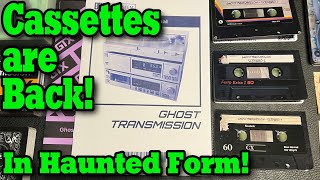
Players drawn to The Unseen World's paranormal investigation theme should explore similar video games that inspired its design. Persona, particularly the earlier entries in the series, shares The Unseen World's blend of slice-of-life storytelling with supernatural investigation. Fatal Frame offers comparable J horror sensibilities and paranormal research mechanics. For board games, Little Town presents a similar investigation framework set in Twin Peaks inspired mystery towns, and Runebound (second edition) shares the campaign structure and resource management elements. Players seeking horror media that matches The Unseen World's cultural grounding should watch The Grudge and Ringu, which define the contemporary J horror aesthetic the game evokes. While The Ring and Silent Hill approach horror through different traditions, they share paranormal investigation elements and unsettling atmospheres. For those interested in the cultural and folkloric dimension, exploring Japanese spirituality and yokai traditions through essays and documentaries complements the game's thematic depth. Finally, for players wanting another board game that combines paranormal investigation with procedural generation, Ghost Transmission offers a journaling-based alternative exploring similar themes through physical media nostalgia.
What Reviewers Are Saying
"As of the time of recording this August 2024 this is still my favorite game that I have played this year. I love this game. I would love to see more, I would love to see especially those publishing aspects greatly expanded. I think each one of these could be a really cool mini-game."
— The Dungeon Dive
"I love the setting and the Slice of Life aspects. I love how this game blends the mundane with the Supernatural. I kind of enjoy that aspect of the Japanese culture that this game is focusing on and I think this game does a really good job of paying respect to that kind of culture. It doesn't feel like it is appropriating Japanese culture, or it doesn't feel like it is using this kind of Japanese culture in a disrespectful way."
— The Dungeon Dive
"If you like horror games and if you like games that that that have a definitive goal, definitely check out The Unseen World."
— The Dungeon Dive