/pic3941484.jpg)
/pic544780.jpg)
/pic837358.jpg)
/pic1196537.jpg)
/pic1647385.jpg)
/pic1683747.jpg)
/pic1888624.jpg)
/pic3941484.jpg)




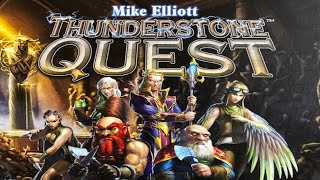
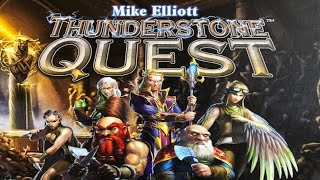














Thunderstone Quest Deep Dive
What the Community Thinks About Thunderstone Quest
Among experienced tabletop gamers, Thunderstone Quest occupies a distinctive niche: a meaty deck-building game with genuine fantasy campaign depth. Reviewers consistently praise its mechanical complexity and thematic coherence, though opinions diverge on whether the substantial setup and component management justify the experience for their particular tables. The game generates passionate discussion around the balance between elegant systems and table-occupying footprint.
Core Mechanics That Define Thunderstone Quest
Deck Building with Genuine Progression
Thunderstone Quest executes deck building through a lens of intentional character development. Players start with zero-level adventurers and basic equipment, then gradually recruit heroes and purchase gear to construct increasingly powerful decks. The progression feels earned and visible. Each purchase directly shapes the available cards for future turns, creating satisfying engine-building moments where early choices compound into late-game power. The system avoids the pitfall of meaningless card acquisition by tying growth to both immediate utility and long-term deck composition.
Dual-Mode Turns and Strategic Choice
The village-versus-dungeon decision structure provides strategic flexibility. On each turn, a player either visits the village to recruit heroes, purchase equipment, and heal wounds, or ventures into the dungeon to face monsters with their assembled party. This choice creates tension between present action and future capacity building. The dungeon path offers immediate rewards but demands well-equipped adventurers to succeed in combat. The village path builds strength gradually. Experienced players describe this mechanic as providing genuine decision weight without overwhelming complexity.
The Thunderstone Quest Experience
A Fantasy Campaign That Feels Personal
Reviewers emphasize the atmospheric design quality. The artwork on heroes particularly sells the fantasy vibe. When a modest level-one adventurer transforms into a powerful level-three champion through accumulated experience and gear, the visual progression reinforces mechanical advancement. The quest-based campaign structure gives sessions narrative shape beyond raw mechanics, creating moments where the team composition and equipment choices matter to how the story unfolds. This thematic coherence distinguishes Thunderstone Quest from purely mechanical deck builders.
Component Quality and Iconography
Helper text baked into player boards and main boards makes learning and remembering actions straightforward. The card quality is solid, reducing wear concerns during extended campaigns. Iconography is thoughtful enough that players learn symbol meanings relatively quickly. However, the game's magnitude means setup occupies significant table real estate. Multiple massive boxes and the necessity of organizing numerous card piles, monster tokens, and quest markers creates a definable physical footprint that extends beyond playing time considerations.
What Makes Thunderstone Quest Stand Out
Iterative Design That Refined a Legacy System
Thunderstone Quest represents the third iteration of AEG's Thunderstone line, and the design maturation shows. Previous versions suffered from pacing issues and mechanical friction. This version streamlined the experience while preserving the fantasy atmosphere. Designers managed to preserve depth without creating unnecessary complexity, striking a balance that appeals to players seeking both mechanical engagement and straightforward turn structure. The refinement suggests publisher investment in learning from earlier installments.
Scalable Complexity Through Modular Design
The game accommodates different group preferences through its quest system and multiple difficulty approaches. Different dungeon modules can be mixed or kept separate, and the sequence of boss encounters can be adjusted based on group preference. This modularity allows experienced players to increase challenge while keeping entry barriers manageable for newcomers. The campaign structure naturally accommodates player availability variability, since quest completion creates natural stopping points.
Potential Drawbacks
Substantial Physical and Temporal Investment
The game's size presents a genuine commitment barrier. Setup involves sorting numerous card types, populating the village market, arranging dungeon threats, and organizing treasure piles. Component organization matters enough that careless setup undermines the experience. The box footprint alone may prohibit regular play for groups with limited table space. Players with smaller collections report feeling the weight of Thunderstone Quest's shelf claims.
Campaign Commitment and Variable Engagement
The campaign structure requires group commitment across multiple sessions. While individual quests resolve in reasonable time, full campaigns stretch across multiple plays. Groups with inconsistent attendance or gaming frequency may struggle to maintain momentum. The learning curve, while not steep, does mean earlier quests represent the experience more than later ones, since mastery compounds as play continues.
If You Enjoy Thunderstone Quest
Players who love the experience often gravitate toward Gloomhaven for its campaign scale and personal character progression, or Pathfinder Adventure Card Game for similar deck-building foundations applied to exploration. Ascension and Aeon's End offer lighter deck-building experiences without the campaign layer. Mansions of Madness shares the cooperative investigation atmosphere and horror theme scaling. Dead Reckoning combines deck building with board presence and crew management in a pirate-themed package.
What Reviewers Are Saying
"Thunderstone Quest is a big thematic fantasy deck building game where your cards let you either gear up in town or charge into the dungeon to bash monsters and collect loot. The theme is a classic dungeon crawler, and the sense of progression is real. You start weak, clunky, and by the end, you're loaded up with epic gear and heroes."
— JestaThaRogue
"If you like the sound of a meaty deck builder with a fantasy RPG vibe, Thunderstone Quest is definitely for you. The components and artwork are mostly solid. The card quality is good, and the artwork on the heroes in particular really sells a fantasy vibe."
— JestaThaRogue
"The theme is a classic dungeon crawler, and the sense of progression is real. Setup though, it's a table hog. With all the cards and expansions packed into two or more massive boxes, just getting everything sorted and onto the table can take some time."
— JestaThaRogue