




UNO Flip! Deep Dive
What the Community Thinks About UNO Flip!
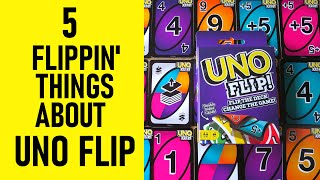
Reviewers treat UNO Flip! as a deliberate reinvention of the classic Uno formula rather than a simple reskin. The overall picture is enthusiasm for the game's volatility paired with real doubts about whether that volatility suits every table. Board Game Sanctuary sees the game as a distinct experience built on the original's rules but turned up to a much harsher setting. The reviewer concludes that it suits players who enjoy tactical, aggressive card play, and urges buyers to understand how mean it can be before they commit.
No Rolls Barred approaches the game as a playful group experience. Its hosts found the constant flipping entertaining and felt the game was more fun than standard Uno, even though the table often had little sense of control over how a round unfolded. Shelfside is far less forgiving. Its reviewer praises the willingness to try something new but argues that the execution is "extremely fiddly in practice," with frequent flips and visual clutter making the game harder to follow than it should be. The shared view is that UNO Flip! is memorable and loud, while the disagreement centers on whether that chaos is a feature or a burden.
Core Mechanics That Define UNO Flip!
Double-Sided Cards and the Flip
The defining system is that every card has a light side and a dark side. Players begin on the light side, and when a Flip card is played, the draw pile, the discard pile, and every player's hand all turn over to the other side at once. Board Game Sanctuary explains that the light side keeps milder effects such as Draw One and Draw Two, while the dark side replaces them with Draw Five and Skip Everyone. The reviewer describes the dark side as the classic game pushed far past its original intensity, because a single flip can change the terms of every hand at the table. Shelfside notes that Flip cards are ordinary cards to play, so they appear often, and sometimes the only legal response to one flip is another Flip card.
Multi-Use Cards
Each card in UNO Flip! does double duty, because the face showing determines what it can do, and every play forces a choice between using the card now and holding it for a better moment. That opportunity-cost tension is where reviewers locate much of the game's tactical depth. Board Game Sanctuary describes holding back a Flip card when an opponent's card back reveals a Draw Five, waiting for that player to discard it before flipping the table so that the player's remaining cards can be played to advantage. Shelfside takes a more skeptical view of the same dynamic, arguing that a flip can remove agency, since a player may have no real option but to answer with a Flip card after someone else flips.
The UNO Flip! Experience
Surprising and Swingy
Playing UNO Flip! feels like a table riding a series of sudden reversals. Board Game Sanctuary describes the dark side as "absolutely insane" and warns that the game can feel incredibly punishing, since forced draws and skipped turns arrive quickly and often. No Rolls Barred captures the emotional texture of that unpredictability most vividly. Its players described a round that could turn on a single color change or forced draw, leaving them feeling that the cards, rather than the people at the table, were making the decisions. That loss of control is exactly what makes the game dramatic, and it is also why some players find it wearing over a longer session.
Interactive and Dynamic
Because the card backs show, players can read each other's hands and respond to them. Board Game Sanctuary notes that seeing an opponent's dark-side cards lets a player plan before forcing a flip, and it argues that this open information is powerful enough that players should use it to win. Challenges add another layer of direct interaction. The Wild Draw Color card can only be played on the dark side when a player has no matching card, and the remaining players can challenge the active player to test whether the card was played legitimately. The result is a table in constant conversation about what is likely to come next, which keeps everyone engaged even when they are not the active player.
What Makes UNO Flip! Stand Out
Open Information From the Card Backs
The feature reviewers praise most is the way double-sided cards make information visible. Board Game Sanctuary calls it "a really cool openness in the mechanism," because the flip lets players see the cards that opponents hold on the other side. The same reviewer points out that the card composition is knowable, since each action appears in a fixed number of copies on each side, so a careful player can narrow down what remains in the draw pile as the game goes on. That combination of visible hands and predictable composition gives the game a planning layer that most casual card games do not offer.
A Range of Tactical Choices
Reviewers also appreciate that the action cards on both sides give players several lines of play to explore. Board Game Sanctuary says there is a variety of different actions that players can explore through different tactical choices, and it credits the flip with making the game feel like a new experience rather than a remix of the original. The choice between holding a card and playing it is the main source of skill in the reviewer's account, which makes the game most rewarding for players who enjoy careful planning. Shelfside also grants that trying something new deserves credit, even though its own verdict on the execution was harsh.
Potential Drawbacks
A Punishing Dark Side
The most consistent criticism is that the dark side is harsher than many casual players expect. Board Game Sanctuary warns buyers about what it calls a very elevated level of meanness, noting that a Draw Five can force the next player to lose a turn and that Skip Everyone can stall the entire table. The same reviewer doubts that the design is a genuine improvement on the original. In the reviewer's view, the game is closer to trying to fit two different games into one box, which can be satisfying for players who already enjoy that style but less appealing to anyone who wants a lighter session.
Fiddly Flips and Missing Card Backs
Shelfside is the sharpest critic of the physical execution. Its reviewer found the flips frequent enough that rounds could become messy, and objected that the double-sided design leaves no conventional card back to help players tell the draw pile from the discard pile in the late game. Holding cards in a hand also hides the relevant side from view, which makes it difficult to see what other players are holding. No Rolls Barred raises a related frustration in its own session, where unexpected flips left players feeling they had less control than they wanted. Together, these comments suggest that the flipping system rewards players who enjoy managing complexity and frustrates those who prefer a clean, predictable table.
If You Enjoy UNO Flip!
Players who enjoy UNO Flip!'s flipping mechanic and its sudden reversals will find the most direct comparison in the original Uno. The base game uses the same color and number matching and the same penalty for failing to call Uno, but without the dark side it stays at a gentler intensity. Shelfside argues that the base formula is simple enough to remain enjoyable for many groups, which makes it a natural step back for players who find the flips too punishing.
Players who like the idea of a random event that reshapes the whole table may also want to try Uno Spin. Its spinner brings a similar element of unpredictability to the discard pile, and Shelfside acknowledges that the spinning itself can be fun. The reviewer nevertheless found the spinner results mostly unhelpful and the overall experience a poor fit for most adults, so Uno Spin suits players who specifically want that gimmick rather than a balanced game.
What Reviewers Are Saying
"The actions on the dark side are absolutely insane. Think of the dark side as Uno on turbo mode."
— Board Game Sanctuary
"Do you not feel like you're not in control of what's happening? It's like Uno but you're not in control."
— No Rolls Barred
"I would say this game is not a bad idea, but just extremely fiddly in practice. There's lots of rounds where you have multiple people playing cards to flip things."
— Shelfside