


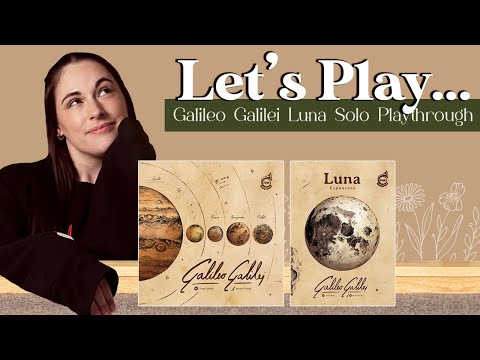






Galileo Galilei: Luna Exp Deep Dive
What the Community Thinks About Galileo Galilei: Luna Exp
The Luna Exp expansion for Galileo Galilei has earned consistent praise from reviewers who recognize it as a substantial and thoughtful enhancement to an already excellent base game. Reviewers consistently describe it as a solid expansion that respects both existing fans and newcomers. The expansion manages to add meaningful new mechanics without overwhelming the core experience, striking a balance that many expansions struggle to achieve. Multiple reviewers highlight that while the expansion is optional, its additions are compelling enough to justify adding it to future sessions, particularly for experienced players seeking fresh strategic challenges.
Core Mechanics That Define Galileo Galilei: Luna Exp
Unique Player Powers
The expansion introduces new asymmetrical characters that provide genuinely distinct decision-making opportunities at the table. Rather than offering marginal tweaks to existing abilities, each new character brings a completely different interaction with the game systems. Reviewers were particularly impressed by the variety and thematic coherence of these new powers, noting that designers put considerable effort into differentiating each character's special tiles and abilities. The inclusion of historical figures like Maria Cunitz, Elizabeth Hevelius, and Sophie Brahe adds narrative richness while ensuring each character functions as a genuinely unique strategic option. This approach to character design means mastery of the game involves learning how your character operates within the same ruleset that others are playing slightly differently.
Moon Observation Mechanism
The moon board represents the expansion's centerpiece, offering a new axis of strategic development alongside the established star and constellation systems. Players begin observing the moon by spending three colored dice, significantly more costly than most other observations. As subsequent players discover lunar features, the pip value requirement escalates from five all the way to thirteen, creating a dynamic cost curve that rewards early exploration while preventing trivial access later in the game. Each discovered moon tile awards both immediate rewards and endgame scoring bonuses, with the twist that other players gain reduced versions of these bonuses. The moon board reveals new tiles as the game progresses through its three phases, ensuring that moon observation remains tactically relevant throughout play.
The Galileo Galilei: Luna Exp Experience
Thematic Depth Without Rules Burden
Reviewers consistently emphasized that the expansion enhances the thematic atmosphere of astronomical discovery without burdening players with excessive new rules. The inclusion of Grand Inquisitors maintains the historical pressure that makes Galileo Galilei distinctive among euro games, the tension between pursuing knowledge and managing religious opposition. New cards and components reinforce the game's existing aesthetic without requiring fundamental relearning. Players can integrate the moon board seamlessly into existing sessions, and those seeking to ease into the expansion can adopt just the new character powers while setting the moon module aside for future plays.
Strategic Complexity With Elegant Scaling
The expansion scales difficulty and complexity elegantly through its Grand Inquisitors mechanic and expanded solo mode options. These special inquisitor tokens double the penalties of standard inquisitors, creating a higher-stakes risk-reward axis for players pursuing the inquisitor strategy. Successfully converting Grand Inquisitors yields substantially larger benefits than standard inquisitors, making them attractive targets for aggressive players. The solo mode receives new movement tiles calibrated to specific difficulty levels, allowing solo enthusiasts to modulate challenge independently from the multiplayer experience. This design respects player agency: those seeking additional complexity have it readily available, while players content with the base game's challenge level can ignore these additions without negative consequences.
What Makes Galileo Galilei: Luna Exp Stand Out
Asymmetrical Character Design That Respects Existing Skills
Rather than rendering existing character knowledge obsolete, the expansion allows players to bring their mastery forward while offering entirely fresh decision spaces. Each new character introduces mechanics that didn't exist in the base game: separate tile placement games, eclipse tokens that grant phase-dependent bonuses, and specialized tracks that reward entirely different strategic priorities. Reviewers noted that this approach exemplifies thoughtful expansion design, the game remains recognizable to those who have internalized its existing rules, yet offers enough novelty to justify the purchase for experienced players seeking new strategic territory.
Optional Integration With Mechanical Integrity
The moon module can be added or omitted without compromising game balance or requiring elaborate setup exceptions. Players can mix the new characters with the base game and forgo the moon entirely, or adopt the moon while using the original character roster. This modularity respects different play groups' preferences while ensuring that neither the moon mechanic nor the new characters feels like dead weight if left aside. The inclusion of a blocking tile for solo play with reduced player counts shows designers anticipated how various groups would integrate these components, removing friction points before they could emerge.
Potential Drawbacks
Moon Mechanism May Skew Toward Experienced Players
While the base game remains accessible to medium-weight euro enthusiasts, the moon board introduces complexity and planning requirements that tilt advantage toward players with significant Galileo Galilei experience. The scoring system ties moon discoveries to prior actions, players benefit from upgrades they've accumulated and book tokens they've advanced, meaning early-game moon exploration can feel suboptimal until you understand how to structure your development to maximize lunar bonuses. New players playing the expansion for their first time may find the moon module feels like an optional side pursuit rather than an integrated strategic axis, potentially diminishing its appeal during early sessions with the expansion.
Tracking Overhead in Solo Mode
The solo mode receives notable enhancements through new movement tiles and the Grand Inquisitor system, but these additions increase the number of state elements requiring attention. Solo players must manage more tile progression, track Grand Inquisitor positioning and penalties separately from standard inquisitors, and monitor which movement tiles remain in the solo deck across extended play sessions. While manageable for experienced solitaire gamers, this additional overhead could make the solo experience less zen and more administratively demanding than some may prefer.
If You Enjoy Galileo Galilei: Luna Exp
Players who gravitate toward Galileo Galilei: Luna Exp typically appreciate games where dice manipulation creates meaningful strategic choice without overwhelming luck. The expansion particularly appeals to those who value asymmetrical player powers, finding satisfaction in mastering unique abilities and adapting their approach across different characters. Fans of the risk-reward tension inherent in Stefon Feld's design philosophy will find the Grand Inquisitor system especially rewarding. Those drawn to astronomical and historical themes grounded in rigorous historical research will appreciate the expansion's use of actual historical figures and accurate constellation references. Players seeking games where solo play receives genuine development attention beyond perfunctory automation should explore what the expanded solo mode offers.
What Reviewers Are Saying
"When we're observing things, usually you're observing the major and minor objects in space, we can now observe the moon. The moon is on the other side of all of these big tiles as we observe it. Usually you need to mix two colors to see a major object. You need to mix three colors to go and look at the moon."
— slickerdrips
"The new characters that came in the expansion have some really cool things to them and some really cool, like asymmetric things which I am excited for. There's like one that you're doing like a complete separate little tile placement game off on your own. There is one where you have this like separate track that you're going up and they like really put a lot into the different characters in the expansion which is cool."
— The Board Game Garden
"If you do manage to convert them, then they actually give you some bigger benefits as well. So it's like a higher risk, higher reward when you're bringing in the grand inquisitors. Yeah, that's an interesting aspect to the original game. The Inquisitors, it's like in a Stefon Feld game where you have to like suffer the penalties or an UVA game where you have to pay for the inquisitor strategy is hard, but this uh with Luna, you have a whole new way of scoring points too."
— Man vs Meeple