












Riftbound: The League of Legends Trading Card Game Deep Dive
What the Community Thinks About Riftbound
The tabletop gaming community has embraced Riftbound with genuine enthusiasm. Rob from Rob's Tabletop World calls it "a solid fun game" and observes that he now understands why the game is so hot and people are losing their minds over it. Reviewers across multiple channels express consistent appreciation for the game's design, accessibility, and execution. Becca Scott from Good Time Society highlights a particularly compelling aspect of the game's appeal: being in on the ground floor of a new trading card game means watching its evolution unfold. "That's the beauty of being in on the ground floor of a new TCG. You get to see the evolution of it," she notes. For Grant Lyon, the verdict after a single play was clear: he enjoyed it and wanted to play more. The consensus is that Riftbound offers both casual accessibility and depth worth revisiting.
Core Mechanics That Define Riftbound
Deck Building and Champion Identity
At Riftbound's heart lies asymmetric champion-based deck building. Players construct decks built around characters from the League of Legends universe, and every champion plays distinctly differently. Grant Lyon emphasizes this design choice: each character plays pretty asymmetrically, so there's really an opportunity to get to know the character and get to know its fighting style. This means players don't just build generic decks; they commit to learning a champion's unique mechanics and strategy. Pre-constructed starter decks allow newcomers to jump in immediately, while deeper players can build their own decks and craft synergies around their chosen champion's abilities. UVS Games, the publisher, licenses the League of Legends IP under agreement with Riot Games, giving the game thematic depth that resonates with both TCG players and fans of the video game.
Rune Resource Management and Simultaneous Combat
Riftbound uses a color-coded rune system to fuel card abilities and actions. Players manage and strategically exhaust runes to cast units, play spells, and activate effects. The elegance of Riftbound emerges in its combat system: all combat resolves simultaneously, not sequentially. Rob from Rob's Tabletop World explains the tactical flow: everything is fueled by runes in different colors that get moved and exhausted, and combat is simultaneous, with any abilities figured in before totaling attack values that can be split up any way a player wants. This simultaneous resolution creates meaningful decision-making and prevents feel-bad moments where a player's turn is negated before they even act.
The Riftbound Experience
Fast, Accessible Gameplay That Rewards Strategy
Riftbound delivers a remarkably clean learning curve. Rob notes it feels very old school and is just a lot of fun to play, emphasizing that the game's structure makes sense immediately. The ABCD phase system (Awakening, Beginning, Channel, Done) is brilliant in its simplicity and memorability. Games play in 20 minutes to an hour depending on player count and experience, making Riftbound approachable for a lunch-break game while still offering tactical depth. The simultaneous action system creates tension without downtime, keeping all players engaged throughout.
Beautiful Presentation and High Production Value
The League of Legends license shines in Riftbound's card design and artwork. Multiple reviewers comment on the visual quality of the cards and how fantastic the way it plays feels. The game's production, from card stock to layout, demonstrates care in execution. The visual feedback is immediate and clear, from rune placement to battlefield positioning, supporting the game's strategic systems without slowing play.
What Makes Riftbound Stand Out
Fresh Resource System That Avoids Draw Inconsistency
Unlike traditional TCGs where players live and die by what they draw, Riftbound includes a mechanic that Grant Lyon highlights as particularly elegant: instead of relying on drawing the right cards from a deck, players can keep adding resources to play more cards each round, and those resources help pay for increasingly powerful cards as the game goes on. This ensures that as the game progresses, players consistently have access to increasingly powerful plays, creating a natural escalation of excitement and reducing the frustration of a bad draw sequence.
Ground-Floor Entry into an Evolving TCG
Reviewers recognize Riftbound's position as a maturing trading card game still in its early sets. Becca Scott expresses the unique appeal of the newest set representing the next level up, describing the beauty of being in on the ground floor of a new TCG and getting to watch its evolution as a fun ride. This contrasts with joining established TCGs where years of cards and balance decisions have calcified the format. Early adopters of Riftbound experience the game's design philosophy directly, watching the designers refine mechanics and expand the card pool with each set.
Potential Drawbacks
Card Quality and Production Concerns
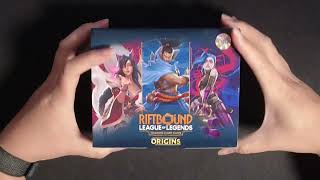
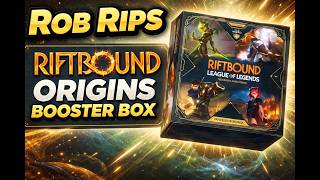
During an unboxing, one reviewer noted that the card cuts are inconsistent and not very smooth, even on the more rare cards, which show the same quality issue. This production issue, while not game-breaking, stands in contrast to the otherwise premium presentation and may concern players who value immaculate physical components or plan to invest in competitive play with expensive card sleeves.
Limited as a Solo Experience
Although Riftbound supports multiple players and includes team modes, its design leans heavily toward head-to-head gameplay. Grant Lyon notes that it is mostly meant to be a head-to-head card battle game, with two players being the core experience even though other play modes exist. For players seeking deep cooperative experiences or solo play, Riftbound's interactive, competitive focus may feel limiting compared to TCGs with established self-play formats.
If You Enjoy Riftbound
If Riftbound resonates with a player, other modern trading card games share similar traits worth exploring. Grant Lyon references Magic: The Gathering, Flesh and Blood, and Star Wars Unlimited as games in the same competitive TCG family. However, Riftbound's resource-driven system and simultaneous combat set it apart from traditional card-draw dependent games. The game's accessible entry point and active evolution make it ideal for players who want a TCG with a fresh design philosophy and an active, growing community.
What Reviewers Are Saying
"I now understand why this game is so hot and people are losing their minds over it. Definitely go out, check it out. This is a fantastic fun game."
— Rob's Tabletop World
"That's the beauty of being in on the ground floor of a new TCG. You get to see the evolution of it, and this was a really fun game to watch. It's such a great game that's leveling up along with players as we come along for the ride."
— Becca Scott, Good Time Society
"I did have a chance to play this one once and I enjoyed it and I would like to play it more. Each character is going to play pretty asymmetrically, so there's really an opportunity to get to know the character and get to know its fighting style and things."
— Grant Lyon