







Shug Deep Dive
What the Community Thinks About Shug
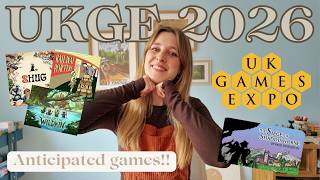
Shug is a party-inspired adventure game set in a mad version of old England, and early coverage is mostly excited. Nearly all of it comes before a retail release. No Rolls Barred played an early prototype it had been playtesting. The Brothers Murph video was sponsored by Wandering Games, the company the pair say Shug is from. Meeple University's quick start tutorial links to the project page. Crimsonboardgames first flagged it as a UK Games Expo game to watch, then played it at the show and came away saying the game shines in multiplayer as a party adventure. A monthly hotness list was more guarded, calling it Talisman with a party game added and placing it cautiously in the middle of its ranking. Sources also differ on the publisher: No Rolls Barred introduces it as designed and published by Studio Gruff. All of these verdicts are early impressions, not reviews of a finished product.
Core Mechanics That Define Shug
Roll, Move and Race to the Pub
Meeple University describes Shug as a game for one to six players with competitive, cooperative and solo modes. In the competitive game, each turn has three steps: draw a treasure, journey and, optionally, battle. To journey, a player rolls the dice, adds any movement bonuses from equipped items and moves along the paths. Doubles allow a second roll, and landing on an inn lets a player start a fresh movement with a new roll. Walking along the paths is safe, as the Brothers Murph explain, and X spaces hand out extra treasure. Stepping off the path ends the journey immediately and forces a monster draw. Fire spaces reveal chaos cards, which change the rules for everyone until the next one arrives, or permanently in the case of infinite chaos. Seven legend cards, Shug among them, hide under face-down runestones. Carrying Shug alone into the pub wins, and a rival waiting there forces a duel for the game. The alternative is to defeat King Charles the Cursed, whose strength of 100 Meeple University calls extremely difficult. A cooperative mode sets the table against the king as he marches toward the pub, and solo play uses those cooperative rules.
Befriend or Slay
Monsters are where Shug turns into a party game. Each one can be slain by meeting its attack value with equipped items and friends, or befriended by completing a real-world challenge printed on the card. Meeple University's examples include naming 13 non-green vegetables in a minute and identifying an object someone hands over. The Brothers Murph faced a monster that asks the player to hold their breath and nose for one minute. A befriended monster adds its attack strength and ability to the player's tableau. Failing both options means death: the player returns to the village and loses treasures and legends, although friends stay loyal. No Rolls Barred compares the treasure system of permanent equipment and one-shot boosts to Munchkin.
The Shug Experience
Silly Challenges at the Table
Meeple University is blunt about the game's nature: "Yes, Shug is a party game and it's not going to fully play out on the board. In-person challenges are common." Treasure cards spill off the board too. One card makes an opponent hold their breath, and their turn ends when they breathe again. Crimsonboardgames drew an imaginary friend whose artwork was simply an empty black card. To befriend it, the player had to give the friend a name and a backstory out loud to the group. Another monster in that game required a player to call stop at exactly 22 seconds. Crimsonboardgames summed these moments up as whimsical and nonsensical but "so thematically on point."
Chaos Keeps Rewriting the Rules
Chaos cards stack more mayhem on top. In the Brothers Murph playthrough, one chaos card made the player gather every peasant, shut their eyes, spin around and drop the pieces back onto the map wherever they landed. Another, Let Chaos Reign, turned every future chaos draw into a draw three, choose one. Meeple University notes a chaos card banning phones at the table and agrees with the designers on that one. Treasure cards can even change how a duel is settled. The Brothers Murph ended their game with a staring contest instead of a comparison of strength, and called the finish "climactically anticlimactic."
What Makes Shug Stand Out
Hand-Drawn Art With a Backstory
The Brothers Murph introduce Shug as a passion project that started when its creators were children, who are now artists and animators who did all the hand-drawn art for the game. That art is the first thing Crimsonboardgames noticed in a pre-convention preview, calling it wild and saying the box design alone suggested there was no way the game was not fun and whimsical. After playing at the expo, the channel still described the artwork as crazy, meant as praise.
A Party Game Grafted Onto an Adventure
Shug layers a roll-and-move fantasy adventure, with treasures, legends and a tyrant to topple, under a party game full of timed challenges and staring contests. The hotness list host described it as taking Talisman and adding a party game. The result is a table where a monster fight might be settled by storytelling, a yawning contest or holding water in the mouth for 30 seconds while everyone else tries to cause laughter. No Rolls Barred's table finished with the players calling it a very good game and asking whether it could be bought yet.
Potential Drawbacks
Early Coverage, With Ties to the Creators
Every source here predates a finished retail copy. No Rolls Barred played an early prototype, the Brothers Murph video was a sponsored playthrough, and Meeple University's tutorial points viewers to the project page. The Crimsonboardgames impressions come from a single convention play and a preview based on the product description. Buyers should treat the enthusiasm as early and watch for reviews of the final game.
Needs the Right Table
Shug depends heavily on players who want to perform silly challenges. Crimsonboardgames thinks it shines in the multiplayer and does not expect to get it to the table very often. Meeple University also notes that unclear rules are meant to be settled in Shug court, where the table decides by majority vote. That suits a relaxed group, but it will frustrate players who want tight rules. The hotness list host liked the brave design but admitted being scared of how the mix of mechanisms would play, placing the game only in the middle of that month's list.
If You Enjoy Shug
The hotness list host frames Shug as Talisman with a party game added, so fans of that roll-and-move fantasy adventure who want more laughter at the table have an obvious comparison. No Rolls Barred compares its treasure system, with permanent equipment and one-time boosts in battle, to Munchkin, which makes Shug a natural next stop for groups that enjoy gearing up with Munchkin's item cards.
What Reviewers Are Saying
"That was absolutely incredible. Not a game that I will probably get to the table very often because you can play it solo, but I think it shines in the multiplayer because it's more like a party adventure type game, like a party game."
— Crimsonboardgames
"I love these brave game designs where you have this wild theme with mix of mechanisms that shouldn't work but sometimes do. So, I'm going to cautiously place it somewhere in the middle. I'd really like to play it, but I'm scared."
— Watch Review
"I can't decide that ending was climactic or anticlimactic. I feel like it was very shoog."
— The Brothers Murph