







Kaosball: The Fantasy Sport of Total Domination Deep Dive
What the Community Thinks About Kaosball: The Fantasy Sport of Total Domination
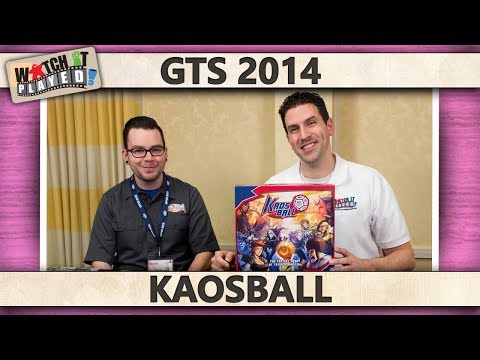
Kaosball inspires enthusiasm tempered by a core design tension that reviewers consistently identify. The game succeeds brilliantly as a brutal, fast-paced miniatures experience with surprising strategic depth. Reviewers praise the sense of competitive chaos, the quality of the components, and the sheer fun of team-based mayhem. However, some reviewers note a fundamental conflict: despite being marketed as a sports game, the mechanics reward combat and elimination over ball possession and scoring. This divergence between theme and mechanic doesn't ruin the game for most players, but it shapes how they experience it. Watch It Played and Rolling Dice & Taking Names both celebrate the game's execution and energy, while JestaThaRogue's assessment captures the feeling that the game works best when players stop expecting traditional sports dynamics and embrace the fantasy combat focus instead.
Core Mechanics That Define Kaosball: The Fantasy Sport of Total Domination
Card-Based Resolution with Tactical Depth
Unlike pure dice-rolling games, Kaosball relies on a hand of numbered cards that players play face-down to resolve contests. Each player has access to cards ranging from weak (single point) to powerful (up to six points when cheating), and the strategic choice of which card to play in which situation becomes central to gameplay. Watch It Played's Rodney Smith emphasizes that this system introduces multiple layers of decision-making: do you play a strong card early and risk having nothing for later, or hold back and hope your opponent miscalculates? The cards themselves include special types like the "Upset" card, which auto-wins by three points if the opponent plays a card of four or higher, adding surprise and tension to each resolution. When both players play identical values, a tie-break die resolves the outcome. This hybrid system, as described by Rolling Dice & Taking Names, gives Kaosball "layers of depth" while keeping the game accessible to new players. Designer Eric Lang crafted a system where the card mechanics govern not just combat but also the timing of plays, the management of special cheat cards, and the strategic economy of purchasing team upgrades and ringer characters before each match.
Area Movement and Board Control
The board is divided into irregular zones that teams navigate during their turns. Teams comprise two types of players: Runners, who handle the ball and can score, and Bruisers, who excel at tackling and fighting. Movement is constrained to adjacent zones, making positional strategy central to controlling the ball and accessing scoring opportunities. Special ringer characters, purchased at game start through an auction-like system, can perform both roles and often possess unique abilities that break standard movement rules. The Barbarians, for instance, grow stronger when injured, while the Warlocks can transform opponents into frogs. This area-control structure, as reviewers note, creates tactical moments where placing your pieces strategically becomes as important as winning individual contests.
The Kaosball: The Fantasy Sport of Total Domination Experience
Hilarious, Chaotic Combat
Reviewers consistently describe Kaosball as a game that embraces absurdity and physical comedy. Rolling Dice & Taking Names calls it "hilarious and surprising," capturing the sense that unexpected moments emerge naturally from gameplay. The miniatures themselves reinforce this tone: Board to Death TV notes that the art style "takes pop culture images and turns them into like fantasy versions," resulting in teams like the Vampires rendered as rock stars and the Ogres as 1970s wrestlers. When you eliminate an opponent's player or turn them into a frog through tactical brilliance, the victory feels earned but also inherently funny. This tonal coherence means that winning and losing both generate memorable moments rather than frustration.
Fast-Paced, Urgent Gameplay
Multiple reviewers praise the game's speed. Board to Death TV emphasizes it is "really fast-paced," while JestaThaRogue echoes the assessment that matches move quickly. This pacing emerges from the period structure: each period ends after players collectively play nine cards total, meaning aggressive play accelerates the clock. If you want to shut out your opponent before they score, you can burn through cards quickly to trigger the period end while you hold an advantage. This creates constant tension and forces meaningful decisions about when to engage and when to conserve resources. Matches resolve in approximately 60 minutes, making multiple games feasible in a single session.
What Makes Kaosball: The Fantasy Sport of Total Domination Stand Out
An Economy of Strategic Choices
Watch It Played highlights the "huge economy" built into the pre-game draft phase. Before the first match, players spend shared currency to acquire ringer characters, purchase team upgrades that boost stats or provide special abilities, and bribe officials with remaining funds to avoid foul penalties. This creates genuine strategic diversity: one player might buy powerful ringer characters, another might stack team upgrades, and a third might speculate on having extra cash to pay off fouls from aggressive cheat plays. No single strategy dominates. As Watch It Played explains, this economy layered atop the simple sports game premise gives Kaosball "subtle depth" characteristic of designer Eric Lang's work. Each team configuration plays differently, and every decision in the draft ripples through the entire match.
Accessible Yet Rewarding Miniatures Experience
Board to Death TV encapsulates the appeal for players new to miniatures gaming: the rules are "very quick and easy to learn" and can be picked up "in a few minutes," yet the game remains "a ton of fun" and contains "a lot of layers to it." The card resolution system bypasses the need for complex stat blocks and combat tables; instead, you add a card value to a stat and resolve immediately. The miniatures themselves are beautifully painted and remain the visual centerpiece of play, but they never require painting or assembly before play, making the game friendly to players intimidated by hobby miniatures. This balance allows Kaosball to serve as both a standalone board game and an entry point for players curious about miniatures play.
Potential Drawbacks
Sports Theme at Odds with Mechanics
JestaThaRogue identifies the core tension: Kaosball is marketed as a sports game, but the mechanics make it "didn't quite work" as a pure sports experience. The reviewer notes that "the ball isn't really the focus" because most teams earn more victory points by defeating opponents than by scoring. While bonus points reward aggressive play and eliminating enemy players, the ball becomes secondary to combat success. For players expecting rugby-like teamwork or American football-inspired strategies centered on ball movement, this shift in priority can feel thematic misalignment rather than mechanical elegance. Reviewers who embrace the game tend to reframe it mentally: not as a sports game with combat, but as a fantasy combat game that happens to involve a ball.
Overwhelming Expansion and Option Paralysis
JestaThaRogue flags the volume of additional content as a concern. The game ships with four base teams, but CMON released numerous expansion teams and special ringer packs. While this variety excites some players, it can overwhelm newcomers during setup or purchasing decisions. The reviewer notes that early Cool Mini or Not Kickstarters, including Kaosball, shipped with "boxes and boxes of stuff that you didn't necessarily need," and suggests a streamlined edition would better serve casual players who want the core experience without confronting an avalanche of optional content.
If You Enjoy Kaosball: The Fantasy Sport of Total Domination
Players drawn to Kaosball's unique blend of mechanics and tone may find satisfaction in Blood Bowl, the classic fantasy sports miniatures game that inspired similar designs. Both pit teams against each other in a sports framework where combat and strategy intertwine, though Blood Bowl leans more heavily into sport simulation and uses dice for most resolution rather than cards. Kaosball refines the formula with its card-based system and faster pacing.
For those captivated by Eric Lang's design philosophy and the game's strategic economy, Arcadia Quest offers a similar sense of hidden depth and player-driven customization, though in a dungeon-crawling rather than sports setting. Lang's work across both games demonstrates mastery of cascading strategic options that reward thoughtful play without overwhelming newcomers.
What Reviewers Are Saying
"you get bonus points for like not just you know tackling and getting points no you just wipe those guys off the board yeah if you if you want to kill the other team you can do that because I mean it's the meanest game in the world everything goes."
— Watch It Played
"the game super cool it's this like brutal fantasy sports game that plays kind of like a first-person shooter where you're dominating each other killing each other and holding down control points while also scoring with the ball stealing you know and you know playing almost like rugby right so it's a really great fast-paced game."
— Rolling Dice & Taking Names
"It is a very cool sports fantasy game that is brutal and violent and has this awesome unique art style with these kind of like almost pop fantasy. It takes pop culture images and turns them into like fantasy versions."
— Board to Death TV