



Deth Wizards Deep Dive
What the Community Thinks About Deth Wizards
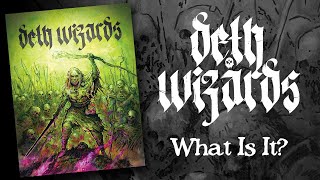
Deth Wizards has struck a chord with the tabletop gaming community by offering something that feels genuinely fresh within the skirmish wargame space. Tabletop Minions, the primary channel reviewing this game, has highlighted its appeal as a cleanly designed system that doesn't bog players down with dense rules. The strongest sentiment across viewer responses is enthusiasm around the miniature-agnostic design itself. Players who already own collections of undead models from Heroquest, Frostgrave, Zombicide Black Plague, and Rangers of Shadow Deep have found immediate value in having a dedicated framework to use them. There is clear appreciation for a game that respects existing hobby investments rather than demanding players purchase a specific product line.
The central appeal appears to be thematic: players are attracted to the role reversal of commanding undead necromancer forces against villages and heroes. Reviewers compare the design philosophy to Dungeon Keeper and related games where the player occupies the villain role, leading to a narrative that feels distinct from hero-centric dungeon crawlers. Solo and cooperative modes are frequently mentioned as important features, reflecting a broader community shift toward wanting games that accommodate multiple play patterns without compromising core mechanics.
Core Mechanics That Define Deth Wizards
Necromancer Progression and Army Building
At the mechanical heart of Deth Wizards lies a campaign structure where the chosen necromancer grows in power across scenarios. The game offers six different necromancer archetypes, the Dreadhold Master, War Reaper, Controller, Monster Master, Spirit Caller, and Stitcher, each offering distinct playstyle options. Rather than a traditional roster-based army system, players build their undead hordes from available minion types: skeletons, zombies, ghouls, and others. As the campaign progresses, the necromancer gains new abilities, enhanced stats, and dark special powers, transforming into something increasingly powerful. This creates a persistent sense of progression that keeps players invested in their individual character rather than treating the campaign as a series of disconnected skirmishes.
Scenario-Driven Asymmetrical Play
Deth Wizards structures its campaign through discrete scenarios that feel narratively distinct. Rather than generic battlefield encounters, players raid villages, assault graveyards, and steal from arcane colleges. Each scenario presents a specific objective tied to the necromancer's revenge fantasy. The game supports three play modes, solo against automated village defenders and heroes, cooperative teaming with fellow necromancers, and direct player-versus-player competition where rival necromancers clash. This flexibility means the same core rules engine serves dramatically different play experiences depending on the table's preference, without requiring separate rulebooks or diluted mechanics.
The Deth Wizards Experience
The Thrill of Playing the Villain
What reviewers keep returning to is the cathartic appeal of role reversal. In most fantasy games, the player commands noble heroes defending civilization. Deth Wizards flips this script entirely: the player is the dark force descending upon villages, and heroes and paladins are obstacles to eliminate. This reversal isn't cynical or grim; reviewers describe a sense of fun and permission to embrace the villain fantasy without moral handwringing. The theme deeply informs why certain players gravitated to this game over conventional skirmish alternatives. The opening narrative establishes this clearly: a necromancer returning to take vengeance on the land that exiled them. Every mechanic and scenario reinforces this power fantasy of commanding an undead army.
Freedom Through Miniature Agnosticism
The miniature-agnostic design creates a liberating play experience that reviewers explicitly praise. Players report immediately pulling out collections they've owned for years, Heroquest figures, Frostgrave models, Zombicide Black Plague zombies, even Games Workshop undead, and discovering they work perfectly. This isn't a marketing convenience; it's a mechanical philosophy that respects player investment and removes gatekeeping. The game doesn't demand ownership of the "right" miniatures or pressure players into purchasing a specific product line. Someone with a painted Heroquest undead warband can sit down immediately. Someone with 3D-printed goblins or old Reaper bones can improvise. The system trusts players to proxy and customize, creating an inclusive entry point that larger manufacturers often neglect.
What Makes Deth Wizards Stand Out
Confident Minimalism in Design
Reviewers consistently note that Deth Wizards respects their time. The rules are clean and approachable without sacrificing tactical depth. Unlike some skirmish games that demand dense rulebooks and nested subsystems, Deth Wizards delivers core mechanics that players can grasp quickly and then explore through play. This is particularly important for solo and cooperative play, where excessive bookkeeping can grind the experience to a halt. The game was designed by Adam Ler and Vince Venturella of Snarling Badger Studios, who have built a reputation for straightforward, elegant game design. Deth Wizards feels like a natural expression of that philosophy applied to undead-themed skirmish combat.
Multiple Play Patterns in One System
The decision to fully support solo, cooperative, and competitive play within the same ruleset distinguishes Deth Wizards from many contemporaries. Reviewers mention valuing this emphasis on solo and cooperative options, a growing priority across the hobby as players seek flexibility in how they engage with their games. Rather than solo rules feeling like an afterthought bolted onto a competitive game, the system appears designed from the ground up to function across all three modes. A player can run a solo necromancer campaign during the week and then bring that same necromancer to the table for a competitive match against friends without relearning mechanics or encountering inconsistencies.
Potential Drawbacks
Limited Discussion of Long-Term Campaign Replayability
While reviewers express enthusiasm about the campaign experience, few have yet logged extended playtime with the system. The scenarios themselves appear distinct and well-designed, but whether the core mechanics sustain engagement across dozens of games remains an open question. Skirmish games with light mechanics sometimes hit a ceiling where players exhaust the strategic space quickly. Early reviewers haven't raised this as a concern, but the limited player feedback base means this hasn't been stress-tested at the level some communities demand.
Dependence on Player Investment in Miniatures
While miniature agnosticism is a strength, it simultaneously means the game's appeal is narrowly focused on wargaming hobbyists who already own or are willing to acquire undead figures. Unlike board games that include all components, Deth Wizards asks players to provide the models themselves. This is a feature for the core audience but a potential barrier for newcomers to the hobby who don't already have a painted collection. The game also requires terrain, which adds another layer of commitment. For veterans with existing collections, this is zero friction; for someone entirely new to tabletop gaming, it represents a real hurdle despite the designers' best efforts to make miniatures agnostic.
If You Enjoy Deth Wizards
The most natural recommendation based on what reviewers actually mention is Frostgrave, a skirmish game that shares Deth Wizards' commitment to small-scale campaigns and miniature flexibility; reviewers note that Frostgrave miniatures work directly in Deth Wizards, and both games emphasize personal narrative progression for a commander figure. Rangers of Shadow Deep similarly offers solo-friendly skirmish play with a focus on small warbands rather than armies, appealing to players who want intimate tactical challenges. For players specifically drawn to the villain theme, Keep the Heroes Out, a board game with a nearly identical premise of defending a lair against heroes, captures similar thematic appeal, though with completely different mechanics. Those interested in other Snarling Badger titles should explore Majestic 13 (alien conspiracy skirmish) and Space Station Zero (sci-fi crew exploration), which share the clean design philosophy and miniature-agnostic approach.
What Reviewers Are Saying
"I really enjoy the mini agnostic aspect of these games, such a great idea. For the most part it's basically what we're focusing on because it's a lot of fun, and it just allows you to do whatever you want with your miniatures and also use miniatures you might already have so you don't have to go out and buy new ones if you don't want to."
— Tabletop Minions
"Loving Deth Wizards, it has that seventies to eighties vibe missing from a lot of modern fantasy."
— Tabletop Minions
"This game has given the flop of Cursed City minis a new life. I've got my copy of Deth Wizards, love the premise of the game, I'll be trying it out this week using my Heroquest minis to proxy."
— Tabletop Minions