





Park Life: People Deep Dive
What the Community Thinks About Park Life: People
Park Life: People has captivated board game reviewers with its disarming charm and mechanical cleverness. The game, from Charming Games Collective, arrived at Gen Con 2024 as one of the most anticipated releases, with community members describing it as "adorable" and highlighting how it succeeds in delivering a cozy outdoor experience through card play. Reviewers consistently praise the game's simplicity paired with surprising tactical depth, making it accessible to newcomers while offering engaging decisions for every player count.
The two-player cooperative experience has garnered particular enthusiasm, with multiple channels noting how well Park Life: People plays at this count despite its 1-4 player range. The game's reversal of traditional trick-taking conventions, where winning tricks actually costs you cards, creates a tension that keeps play engaging and forces meaningful choices throughout.
Core Mechanics That Define Park Life: People
Trick-Taking with Inverted Win Conditions
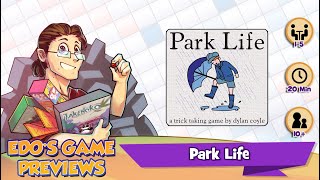
At its heart, Park Life: People is a trick-taking game, but with a fundamental twist that distinguishes it from classics like Spades or Hearts. In traditional trick-taking, you want the highest card to win the trick. Here, the lowest number of the led suit wins instead. This single inversion immediately changes strategy: players cannot simply play high cards to dominate. The player who leads sets the suit by playing first, and others may choose not to follow suit, introducing an additional layer of bluff and misdirection.
Each card you win also displays a house icon indicating how many cards you must discard from your hand. This creates a genuine cost-benefit decision: winning a high-value card might be worth 7 points, but it forces you to discard 4 cards from your hand, potentially leaving you without options in future rounds. As one reviewer noted, "choosing when to strategically lose one of them to save your resources is kind of essential." This mechanic forces players to balance short-term scoring against hand preservation, a tension that defines the game's strategic core.
Shifting Hand Sizes and Set Collection Through Play
Beyond the core trick-taking, Park Life: People incorporates dynamic hand management that creates cascading tactical layers. As cards are discarded, the number of cards available to each player shifts, changing who has information and control. A player running low on cards might become predictable, or conversely, might have the advantage of playing last and knowing exactly what card will win.
The second core mechanic involves collecting cards that score based on suit combinations. Some cards in the People edition are worth points equal to how many cards of the same color you have collected. Others reward you for matching cards your neighbors possess, encouraging a form of competitive set collection during play. The zero card acts as a wild, counting toward all suits, creating potential for surprise scoring and punishing those who build too narrowly.
The Park Life: People Experience
Approachable Charm and Outdoor Ambiance
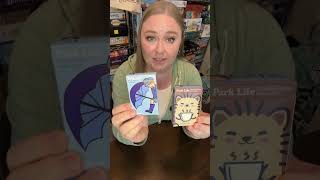
Park Life: People wraps its mechanics in a genuinely charming presentation. The game's theme, park visitors enjoying a day out through clever card play, gives the experience a light, social feel. Reviewers describe the aesthetic as inviting and note the beautiful artwork throughout. The game comes in a small, portable format and even offers a plush hedgehog storage option, where the card decks actually fit inside a cute zipper pouch. This attention to experience matters; the game *feels* like something you want to play.
The social dynamic at the table remains positive even during competitive play. The quick pace (three rounds for the People edition) keeps momentum high and prevents analysis paralysis. Despite the tactical decisions, turns resolve briskly, and the overall tone stays light and celebratory rather than heavy.
Clever, Bite-Sized Tactical Play
Beneath the cozy exterior lies genuine tactical engagement. The game consistently presents interesting decisions without overwhelming players. Do you win this trick to secure points, knowing you'll lose key cards? Do you intentionally lose to stay in the game longer? What does your opponent's choice to break suit tell you about their hand? Each decision cascades into the next, creating what one reviewer called "really interesting cooperative little two-player trick-taking game."
The solo mode requires playing open-handed with two hands, trying to get both to score equally. This transforms the game into a pure puzzle, accessible to solo players while preserving the decision-making that makes multiplayer engaging.
What Makes Park Life: People Stand Out
Inverting the Trick-Taking Convention
Most players know the rule: highest card wins. Park Life: People breaks this immediately, and that break is its greatest strength. One reviewer stated the design "turns it on its head," and indeed, this single twist ripples through every decision. It means new players feel the surprise of familiar mechanics working differently, while experienced trick-takers must unlearn habits. The game is inclusive without being dumbed down.
The Cost of Victory
Making players discard cards when they win tricks is a bold mechanical choice that few games attempt. It transforms winning from pure gain into a gamble: you get points, but you sacrifice hand flexibility. This mechanic alone makes Park Life: People feel distinctive. The shifting hand sizes it creates become strategic territory; running out of cards doesn't mean you stop playing, but it does mean opponents can predict you more easily, or you get to play last and control the outcome. The game acknowledges this with a specific rule: if you're the last player with cards, high-value cards become advantages since their discard costs matter less.
Potential Drawbacks
The Cozy Theme Feeling Underdeveloped
While the game's park aesthetic is pleasant, one experienced reviewer questioned whether the "cozy" marketing fully delivers on its promise. The card play itself doesn't evoke coziness so much as clever competition. If you're seeking a deeply thematic, atmospheric experience that immerses you in a park day, you may find Park Life: People feels more like a clever mechanism wearing a park-themed wrapper than a game designed from cozy feeling outward. The theme serves the game rather than the reverse.
Limited Strategic Depth for Trick-Taking Enthusiasts
For players deeply invested in trick-taking games, Park Life: People's simplicity might feel constraining. One reviewer noted that "advanced trick-taking players are going to feel that there's a limited amount of choices." The game's lightness is intentional and part of its charm, but it means experienced players may exhaust its strategic possibilities faster than they would from heavier trick-taking designs. The game excels at being an entry point and a quick play, but not as a cerebral, deep-play experience.
If You Enjoy Park Life: People
Fans of Park Life: People should explore Spades and Hearts, the classic trick-taking games that form the genre's foundation. Park Life: People remixes these familiar structures, so understanding how it differs from and improves upon classics enhances appreciation for the design. Both teach the fundamental pattern of trick-taking, which Park Life: People then inverts.
The Park Life series itself deserves attention. A base game titled Park Life: Hedgehog exists as a companion title with the same designer but different cards and slightly different rules. Rather than a "sequel," think of it as two versions of the same design philosophy: trick-taking reimagined for lightness and accessibility. Both can be played solo, both use the lowest-card-wins inversion, and both feature the hand-depletion cost mechanic. Owning both gives you variety without heavy rules overhead.
What Reviewers Are Saying
These are two really cool trick-taking games that kind of take the traditional trick taking of you must play on suit and the highest card wins, turns it on its head, and you actually have to discard cards when you win tricks.
— Tabletoptiktok
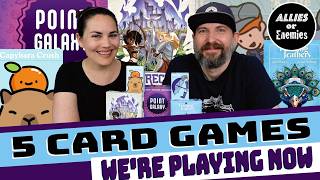
This surprisingly works well at two players. I was surprised just how well this works at two players because you're really playing that, you know, I get points for every one of your orange. I dare you to try and win an orange. And that it's great. It's a really interesting game.
— Allies or Enemies
It's the cutest thing ever. Ensure a cozy day at the park by trick-taking. Are you freaking kidding me, it's like the best game for me ever.
— The Board Game Garden