Spirit Island Designer Eric Reuss Shares Top Game Design Secrets
Games in This Video
5 games are featured in this video — they unlock as you watch.


Transcript
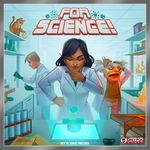
Setup for Science, a game that I was very upset that I had to mail the prototype out.
Uh, so giving the the quick overview in case there's anybody here not familiar with it. It's a real time cooperative dexterity game where you build cures to deadly diseases using uh wooden blocks, kind of like you might, you know, play with when you were a kid. the uh gameplay is fairly I don't know strategic doesn't give the right connotation but it's um there's a lot of player agency and that you are in fact designing the very things which you're going to build uh you're not just being handed a picture and say okay replicate this picture you are instead trying to lay down cards to meet constraints on different diseases and then once you've uh designed a cure then you build whatever it is you've pictured that lets you then earn master cure tiles which you puzzle together in sort of a layout puzzle to try and come up with a universal vaccine for all these diseases and win in 15 minutes.
All right, since you know so much about the game and and you're well well more well way way ah well more wellspoken than me. That was a terrible sentence and phrase. Uh I will try to do my best to describe it as well. You're matching sequences in order to stack towers of blocks like you did when you were like 10 years old in a frustratingly complicated pattern that ends up confounding you by the end of it. Uh, and you find out that you've gone 3 minutes over the designated time and you're horribly lost. Uh, one of the things we talked about when you first presented for Science, it it really is a hard game to talk to people about, which is one of the reasons we did gameplay of it on the channel. it it doesn't come across as interesting as it is until you sit down and start playing with it. And I think one of those core elements that we talked about when we talked about the game design process was the fact that you're building the sequences that you're then solving the problems for.
Um, and now that I've experienced the game and had a chance to kind of frustrate myself, I'd love to hear about that design process. What went into figuring out that kind of problem and how you found a solution to it in the game? Uh that was the original core motivation for the game actually was all the DEX games I'd played were all like here do this fairly rigorously well- definfined thing. Uh now keep in mind this was a long time ago. I started work on for science in I believe 2010 or 2011. Uh it's it's been a long road. The more on that later the uh so you know there are many uh there's some options out there for which that is less true. uh like what is the there's one I'm blanking on the name but like a construction uh themed dexterity game um not cooperative but uh it has a little bit more it has some more dynamism and do a couple of others but so figuring out how to make a challenge where you were both designing things and then having to build them and forcing the players to design things which weren't trivially easy uh was literally the very first problem I tackled uh it was so I came up with this idea of like, okay, so I I built some interesting block structures. I'm like, all right, now how could I represent this in a sort of peacemeal format for the players um and kind of sat there and sketched out, okay, all right, like maybe I could divide this up into uh different sections and then you can be okay, you have to connect these, but you
can't connect these. uh actual like pictures which you needed to put together could have worked but you get sort of limited variation and you might end up with totally impossible like unreher structures.
Sure.
So instead I went for just a more logical representation basic sort of a graph mathematically where it's just you know you show you know where there are connected edges and where there aren't connected edges. Um the first iteration failed because I was using just random pieces of blocks which I was scrging from around my house. Some of which were regularly shaped, others of which were sort of like, you know, maybe it would be something like this. And this is kind of a rectangle. Yeah.
If it's like this, but if it's like this, it's not a rectangle.
It also looks delicious, just for the record.
Oh, yeah. I made lemon squares for the first time ever. Family recipe.
Um, the So,
oh, we have dogs barking.
Yeah.
Sorry. Apologies for that. I have three great Pyrenees that live at the house I've moved to, so
I should not have held up food. Um the uh so I had all these block pieces, some of which were like I think the most obscurely shaped ones were prop ammo packs for a semil liveaction paranoia game I was running. Uh and they were but they're interestingly colored and interestingly shaped. So wanted to try it out and my first round of testing was this core concept is solid, but the blocks absolutely have to be easy to work with individually because blocks which by themselves are incredibly hard to balance and have irregular facets, stacking additional things on top of them just doesn't work well. Uh even like if you look at uh junk art, which has all these really like strange shaped blocks, all of them have like you can put a thing on top of them. They all have flat surfaces. They all have parallel planes. Uh there may be one or two exceptions, but you know the if you have something which are just all oblique angles and there's no flat planes and no parallel surfaces, stacking it to any reasonable height just becomes untenable. So
you have some shapes there that are like have curved on some of the edges and Jan and I had had a specific moment that I remember where we discovered we could flip it sideways and it was then flat. Uh that was that was quite a challenge that the the simplest things seem to confound us which is why we perpetually lose.
Also also you're working off a a draft rule book like the final rule book is going to make a point of showing like you can use the triangles and half moon pieces sideways because that is the most common thing that players don't realize and which can result in the game being literally an order of magnitude harder.
So building building into that idea of everything needing to be kind of mathematically fit together. How did you start getting to the shapes that you actually arrived to? Because we built some puzzles during our play testing that didn't seem like they should work until both of us looked at them and then figured out that like with a little bit of leaning and tilting something the right way, there was a way to get or the orange brick three stories high to connect with the blue one but not touch anything else. But it was really hard.
It's it's pretty impressive actually. One of um Ted Vess who who is a fellow game designer and who we play test stuff together. He was a lead developer for Spirit Island. But he and I think he has before the hypothesis that um there there are either no or vanishingly few truly impossible builds for science. Um but some of them may be beyond the can of most people.
Someone's going to find one. You know that's the case.
Oh I actually like there used to definitely be some but but like probably threearters of them were the fault of one design card. Uh, and so like I ended up cutting that design card and abruptly impossible builds started uh stopped showing up nearly so regularly. Now it just gets to the point where it's like I think this is theoretically possible but practically speaking I'm not going to be able to do it without spending half an hour.
For sure. So starting back all all the way back with that core concept, the idea of wanting to design a dexterity game that made me build the problem I had to like get frustrated with. What was that design process like? uh what was kind of the last I guess it's been about 10 years now that you've been working on it.
What's that what's that been like? What are some of the key moments over that course of time?
So the initial game came so the core design mechanism and build mechanism came together extremely quickly. So playing design cards out uh having some sort of constraint on them in terms of number of design cards you need to have and some limitations on what had to be pictured on them. And then once you're done with that, building a block structure using the connection rules as they currently are, those snapped together super fast. The what I'll call the initial incarnation, although it was really N plus1 or N plus2. Uh but the first uh version, which I brought to conventions,
Mhm. then had a third system of manufacturing where each of the design cards had one or two colored symbols along the side and you then needed to take you had a limited number of factories which were you know one of these five different colors and you had to lay them out. uh the very early prototypes before I went to cons involved like on a free form hex grid. Some of them were directional where the factories would point to each other and you had to make a layout okay where you know one factory would lead to another and the idea is you then have this design you need to build the blocks and you also need to manufacture the stuff along the side and you need to have a sequence of uh factories. So if the sequence of colors along the edge of the goes like you know purple blue pink purple then you needed a sequence of factories you know purple blue pink purple following the arrows. Um, or in later versions there were no arrows. It was just you're on a grid and you kind of move back.
I'm gonna go I'm going to go stop those dogs just for a sec if everyone doesn't mind.
Oh,
while we're waiting for him to get back, I see there's a question. I'll grab uh uh for uh in for science which of the blocks represents bleach or disinfectants as a cure.
I am uh I am back in a perpetual mess. So sorry to
That's all right. You've gotten back quickly enough that I was unable to answer a question first. U the uh so the individual blocks do not represent specific compounds. Uh I consider going that far, but if I at some point I had to abstract out and getting back to your original thought which was like how did I decide what blocks to use? Starting off, I assumed that the wooden blocks, those components would be the core limiting factor in physical production of the game.
And for that reason, and also for my own prototyping sanity, because I didn't uh uh want to have to build out a custom set of wooden blocks only to be told, "No, those aren't feasible." I went to Amazon and I'm like, okay, what is the, you know, least expensive set of wooden blocks I can get to play with, which are also blocks and actually share dimensions in common.
Uh, and there's a wildly popular kids set of blocks by Melissa and Doug, uh, which were available for like, you know, $20 minus discount became like $15. And so I did some back of the envelope math. I'm like, okay, all right. like worst case if it ends up in feasible to include actual wooden blocks in the game, you could actually like run a game like here's all the components except the blocks for as a $30 game and then you can go buy the blocks for $20. Um, now as it turns out, the wood cost is much less cost prohibitive than I had originally anticipated. Um, which is why Gray Fox is able to offer as a as a Kickstarter thing this getting a second set of wooden blocks like in the universe
I actually really like
in the universe my headsp space was in. I I that would have been totally impossible. So it works out. Um I also it is also uh plausible like you know the the manufacturing specs for kids blocks versus these blocks might be different. I don't know. Uh that is one or two degrees removed from me. I I was really excited when I went to the Kickstarter page and I saw that the second set of wooden blocks is kind of these just generic uh non-coled versions because it let it it it raises the complexity in a in a different way.
And I think that's interesting. One of the
I saw people talking about on the Kickstarter page, especially in response to the video that we did, um I was curious about getting your response to this inquiry. I've heard a lot of people uh like possibly frustrated by the fact that you continue running the clock when you're securing or when you're double-checking other people's builds.
Oh yeah.
Um I've heard that I saw that comment pop up two or three times possibly from the same person. It might have just been from Jan repeatedly. Uh and I was curious what your take on that would be. Should you potentially pause that clock or is it built into it that like within that time you should be able to solve the problem that you're facing? Oh, it's totally built in. Uh, one of the skills of the game is learning to translate back and forth between designs on cards and physical structures. And you do that in one direction when you're building structure. You look at the cards and then you build the structure. And you kind of do it in the other direction when you're verifying a structure. You look at a structure and you make sure it matches the cards.
Uh, that is part of the skill of the game. Doing it under time pressure is part of the pressure of the game. Uh, now is there an incentive? you know, uh, something which has come up in play testing is one or two people are like, you know, well, you know, I feel like when I'm verifying somebody else's structure and I see something which isn't quite right, I just like, you know, I feel like maybe if I just let it slide, then we'll win. And it's like, well, yes, you can cheat. Like, you know, that's an option in any game. And in real time games, that's doubly true. Like if you're playing Escape Curse of the Lost Temple, like you could roll a dieice which is black, has the the black sigil on its face and which you're supposed to leave locked and just like pick it up and hope that nobody notices and kind of like go with it.
I've never once rolled any of those.
Uh and uh yes, you know, you can totally cheat in a real time game. You shouldn't because you will undercut your own fun. Um, if you if the concept of doing verification under real time stresses you out, then I'd say play the game once or twice using the untimed variant so you become a little more comfortable doing it. Uh, but the games the game has a momentum to it. The game is real time and it's real time for a reason. Um, and that's to create a particular atmosphere during play. And if you hit pause every time somebody needs to verify, especially in a larger game, like if you have five people, then somebody, you know, somebody verifying a build, that's one out of five people. The other four people are all doing stuff while that verification is taking place. And so, like, you don't want to just like crash the game to a halt every time somebody verifies something. Like, if there's somebody slamming through workshop builds very quickly, that could literally be like, "Play for 10 to 15 seconds, stop. Play for 10 to 15 seconds, stop." Like, no. That's just terrible. Um, so, uh, you know, so people want to experiment with that to get into to get comfortable with the verification. Sure. But like honestly, that's what part of the clock is there for. The very first iteration game only ran 10 minutes, uh, not 15.
Oh, interesting.
It's been expanded out
and we needed a version that ran at least 20.
When it when it comes to that that play dynamic as well, what were some of the what were some of the biggest challenges you had in terms of getting the game to the stage that it's at? Uh, could you be a little more specific with that
across kind of play testing and things? What were some of the areas that in earlier versions of the game you either had to trim out or cut out in order to get the game to the point where it runs and flows? You mentioned that it originally was a 10 minutes that was potentially maybe too hard for the majority of players. Where was that like balance point?
So, what it was was so that if there were a single story to this game, it would be the story of system number three. I've said that the design and the build worked very early on and then there was this manufacturing piece that was the third system and the game needed a third system right off the bat for two reasons. One is that not all of the design cards are equal equally challenging to build. There's some which are just easier than others. Uh let me see like you know I got some prototype cards here. These colors are not going to match the ones you see in the Kickstarter because I I painted my own blocks before I knew what color scheme Grey Fox was going to be using. Um, so like this card here on the video, you know, there's four interconnected intertwining blocks and then there's this card which is a single cylinder.
I like that.
One of these things is easier than the other. Uh, and so the game needed some way to account for that so that players don't just blitz through the design deck looking for the easiest cards. Now, there's a lot of different solutions to that problem. One is to make blitzing through the design deck painful. And uh, different iterations of the game have done that in different ways. But the other is like in the earlier versions this was much easier to manufact this uh the hard card was easier to manufacture than the easy card. Um so the third system was needed for that. The other reason that a third system was needed beyond design and build was in order to let the game scale to six players because if you have six of each block piece and uh you have a reasonable number of diseases to be working on. Some versions have one per player but once it goes beyond like three disease pieces being worked on at once it becomes a little too chaotic, too much table space. Um you if you have three diseases out there and a finite block pool once you go above four players people start and start running out of things to do because all the blocks are in use and there's nothing productive to design. Uh so you need some other part of the game that players can focus on in order to accommodate six players.
Uh
well and that that secondary puzzle is actually really difficult as well. Like it it seems like the first few times we played it it wasn't a focus. It wasn't a thing that we thought was going to be challenging. Yeah. But but trying to sitting down and trying to solve these other elements, they're actually just as complex as your main feature, which is frustrating.
They they it is I am immensely pleased with how the master cure system has turned out because it is so one of the many troubles with system number three. The early iterations in manufacturing, the problem was that it didn't demand enough attention. It was a puzzle but it was something which you usually could either like there was either it was trivial to solve or it was impossible and the band where it was interesting and where spending time on it would be rewarding in terms of winning the game uh was extremely narrow far too narrow. Um so the fact that like you know if you spend time you know you can get a better you you can you know earn more insight in uh for science by uh designing and building more cures or you can do it by messing around with the master cure and time spent on that is it's not like oh spend 30 seconds and you'll get all the points you ever could. It's okay if you spend 15 seconds you'll be able to get the easy points. If you spend a minute you'll be able to get a lot of the medium hard. And if you like, you know, in five or six player games, it's not unusual to have at least one person focusing full time on the magic cure starting about four or five minutes in.
Uh because you know it's just like no tossing them pieces saying put it together. You need to win the game
and they're like okay incremental incremental. They're like wait a second. Okay, call a quick team meeting. Okay, I need to break this all apart because I see a way which I can make it just much better. Pull it back together again. Okay, abruptly score jumps by five and we win. Like you know it's uh you can do amazing things. Now, one of the elements I think there's two main things I want to focus on and then I'll start bridging into some of the questions people had had put up in the comment because I don't want to I don't want people make too I don't want to make people wait too long to get there. First off, when we talked uh when I came up and visited a few months back, you mentioned that in Spirit Island, you designed a game around not having someone be the director of everyone else playing, right? There's so much going on that you just you can't What's that?
You just cut out. What's that minmax term called where you where you're controlling other players?
Oh. Uh, some people call it alphaing, others quarterbacking. Uh,
yeah. Yeah. So, so part of Spirit Island's designed was solving that type of problem. And I I saw the same element even though they're completely different games. Saw the same element here in in science uh in for science.
Yeah.
The dynamic of making sure that you weren't able to control what any other player was really doing when it comes to the game state. Um, was that on your mind in terms of development or I mean pay attention to?
It was in so far as it's something which should be on the mind of anybody who's designing a co-op, but given the real-time nature, I figured it would mostly take care of itself and that is mostly true. Uh, I have heard from exactly one group where somebody apparently managed to alpha regardless of the time pressure. Uh, and so I created a um one role which you know if it's if if it like if anybody else manages to replicate this astounding feat then um uh I believe it ended up being a stretch goal but I believe it has been unlocked. It's the A32 semi semi-centient synthesis unit. Um and uh it has a very good it has a higher than average hand size and a very good workshop. Um but it cannot communicate using words. Uh, so it can only it can make noises, you know. Uh, so it can do the R2-D2 thing, but
uh, so you know, if somebody's really trying to alpha and getting in your way, give them that role.
That's actually that's actually really fascinating, though. I hadn't seen that role pop up. That'd be frustrating for someone that uh, wants to alpha to have to play with, but it'd be an interesting challenge.
The other thing you can
Nope. Go. Another thing you can do honestly is uh like in in a two or three player game, somebody trying to direct you what to do could be frustrating. But there's actually in five or six player games, having somebody just do
Yeah. just being a director, just doing management and like, no, no, no, don't do that because they're going to be working on two diseases really soon and that's going to suck up all the blocks. Especially here, look, there's going to be like out of the two of them, they're going to use all the cylinders. So don't go planning to be doing that in 2 minutes. like you can actually end up with systemic efficiency for somebody just running coordination.
Yeah, two players, we never ran into an extreme limit on the resources we had on hand, but I could totally see that with four or five players, especially getting up. The other big thing that I wanted to touch on before I start going through some of these questions is at what point did the theme start tying into the game? Um, at at what point did that connect? because so much of the design of the game feels right in line with that kind of you know molec molecular structures piecing together and and building chains and solving these these patterns.
Uh so early on like I brainstormed theme early on and sort of that sort of molecule building seemed to be the best fit. So I went in that direction. I did a sort of sanity check on that partway through uh because my initial concept had been to pitch this to Zman as like pandemic the lab uh because like hey this is what's happening in pandemic you know in all of those uh uh research centers but then pandemic in the lab came out like two years into my development of this so I'm like oh well there goes that idea um the uh so I did a sort of you know middle uh middle development thinking, okay, like am I going with this because it's a default or is it really the best theme?
Did a bunch of brainstorming and talked to a bunch of people and came up with, no, this actually really does appear to be the best theme. Like it's evocative. The the physical mechanisms of the game are evocative of this theme. So, you know, great, got it on the first try.
Nice. That's that's convenient, but it also I think that's part of the reason why the design feels so integrated into the theme is that it was there from kind of the very beginning. Um, I'd love to hear uh to whatever degree you were able to a discussion about I know it was named differently before the uh the the kind of Kickstarter launched. I I even saw some media creators had posted with the old name in ours. In fact, I did an edit where I don't actually say the name at the very start of the video. Instead, you just see nice B-roll of the cover because we used science or die to start, but then it had transitioned to for science through the the part, you know, process of developing that media. What was the decision on the name there?
So, originally I just referred to it as the lab, which was nicely generic. Eventually I wanted to we then got the working title response lab alpha uh because I'm like okay alpha you know that kind of implies unfinishedness.
Uh then we went to to brainstorm actual names. We brainstormed a whole bunch and some you know there were a variety and science or die seemed like you know okay all right that has punch like it grabs people's attention. Um it uses science as a verb. uh which is sort of a a thing which happens a little more you know stand back not stand back I'm good to do science that's still using as a noun but you know you know I'm going to science uh is is sort of something which is uh entering pop nomenclature sometimes so it's like okay great let's go with that and it also conveyed well um I've said several times that if the title panic lab hadn't already been used that I might have gone with that but there's already a game called that or something very close to it and recently enough that I didn't want to rep duplicate it uh and It gave that sense of like urgency because that's one of the things about the game like there's this sense of sure
you're on the clock, you're urgent, there's only so much time and uh either in a larger game it's like there's lots of chaos because lots of people doing all sorts of different things or in a smaller game you have five different things you really want to deal with but you can only deal with one at a time. Um, so, uh, so that seemed good and then
an actual pandemic happened and I'm like, you know, like, you know, around January, I'm like, okay,
you know, reached out to Gray Fox. I'm like, if this name proves impolitic, why don't we start thinking of other names? They're like, yeah, that's a good idea. So, uh, we ended up doing, um, brainstorming, uh, and they reached out sort of online for people to brainstorm. Uh, I don't actually know or remember who came up with for science as whether it was part of the public brainstorming or it was something they came up with. Um, but, uh, once I saw it, I'm like, "Oh, yeah, that's great. That's fantastic." especially especially with sort of the the uh the way that the the the cover art is done. Um yeah, so
I love I love what they've done with the the design of the game cuz all I'd seen at your apartment was some of their like rough prototypes and like a few blocks going together and I genuinely didn't entirely understand what you were talking about until I sat down and played it. Uh and it was fantastic. Like it's such a cool game. Again, I was upset that I had to send the prototype off. Jan was genuinely uh Jan genuinely was going to add the prototype to his like board game shelf as like part.
Oh, I cut out there for a second.
My my mic keeps cutting into my computer audio and then back to me, which is annoying, but I will figure it out again. This is the first time we've done one of these. Exciting, but also full of problems.
Uh that's all right. This is this is still in prototype. We're not published or on Kickstarter yet. So that's
right. Uh, as far as fan questions, let's go ahead and start going through some of these. I'll try to organize them in uh for science to start with and then more general game design and then we'll go towards kind of Spirit Island and your thoughts around that.
Starting with the most important question of them all from Sky Tile. Uh, he said, "Please ask him if you will be my friend. He would very much like that."
Uh, I am happy to have many, many, many friends. That would be great. Uh, I'm a parent though, so like, you know, don't expect to drop by visit anytime soon.
Okay, great. But officially established as Sky Tile's friend. I I'm glad we bridge that gap. He was really concerned about it. He's been nervous for for me to pose the question. So,
okay. All right. No, I I don't do like um uh Weird Yanovic has, you know, his fan club, his close personal friends of Al. Like, I should do that.
That'd be fun. I like that. Uh let's see here. So, one of the first questions I see here is there a particular takeaway you learned from designing for science that you think will be especially helpful in refining your future designs and this is from Iron Eye. Uh there's probably several. The one the one which leaps to mind because it is part of the sort of like the largest story of of the game's development is uh to always keep interest curves in mind. Are you familiar with the concept of an interest curve?
Probably not. I assume I'm not familiar with most things that sound intelligent.
Okay. So the idea is that for anything which you're engaging with which uh uh be it a movie or a board game or a novel or whatever at any given instant there's some amount of interest some amount of it drawing you in.
Okay.
Uh and in general there are certain patterns of interest which tend to be more pleasing to people. Uh starting off with a little bit of a boom is is kind of nice. It grabs people's attention. It gets them curious enough to continue forward. And after that um you tend to want to have escalation but also some periods where the escalation backs off a little bit. So you end up with this sort of rising interest r which could be also rephrased as rising tension in plot. Uh you can also you know there's a lot of different places theories that it keys into. Um, but you know the idea that you kind of want to get up and maybe relax a little up and relax a little up and relax a little and then kind of reach this big crescendo followed by a very sort of a denim which is not too long and mostly ended.
Mhm. Um, and the trouble and the reason that I went through empty bazillion iterations of system number three for for uh for science was that the interest of building the block tower to build the cure just couldn't end up being topped. Anything which was necessary to cure a disease uh after building a blocks was always an antilimax no matter what it was. Uh so it took me way too long to realize that. Um and then uh the secondary lesson would be once I realized that I'm like oh okay so if there's a third step it has to come either before or concurrent with the build and so I experimented in that direction and I found some things which worked okay but what ended up being the actual solution was no
curing one disease is just those two steps. It has a really good arc already. It's just that then that feeds into a different system
that starts to be some of those hills that you have that you're climbing throughout the course of the game, but it's not the crescendo.
Exactly. Rather than trying to cram a third step into the interest curve for a single disease, instead you just let that be what it is because it was already working. Great. Don't mess with something which working and instead you have the results of that interest curve for that disease feed into a larger scale thing. The interest curve for the master cure. Um, and that starts off, you know, a single disease gives you a little bump in the master cure. So you can cure disease after disease and it rises over time. So instead of trying to take one and stretch it out artificially, leave one short and use it as part of a bigger one. I like that a lot and I can totally as you're describing through that, I'm familiar with the concept of it, just not the official term. And and you can totally feel that throughout the course of the game play. The reason the end either win or loss feels so impactful at the end of that 15 minutes or in our case 18 minutes. Still disgruntled about that.
Uh we actually got to the end and then checked the time and realized we'd we'd lost, which was [snorts] horrible, but also really fun.
When you hit the 15minute mark in in the video, I'm like, "Huh, okay. I guess they either didn't start playing until 3 minutes in or maybe they're just playing to 18 because in the final version like one of the ways you can modify difficulty is to change how much time you give yourself. And uh the you know that's one of the the sort of the sanctioned difficulty variants because you actually end up with a very different feeling game if you play it 8 minutes long versus playing it for 20 minutes long.
Um you know 15 is a nice sweet middle spot like it's like okay this has enough for a good arc. Uh, but you can try a blitz game. In that case, your special powers aren't going to amp us up as much, but you can do it. Or if uh, especially in a smaller game, you can go for longer. And then there's there's a little more pacing. There's a little more, okay, we have time. Just make sure not to get hung up on one of those 10-minute builds uh, and uh, you're all good.
So, a question from the obtrusively loud goose that happens to roam about our uh, our Discord server. Uh, he can see some uh, abstractions based on real world tools like DNA sequencing. Is there any other real world processes that you're you're transcribing into board game form?
Um any other ideas you're playing? So in for science, this one actually I guess bridges outside of for science slightly. I should have read the question better. Um but he sees he sees in for science like actual properties that exist in the real world transcribed into a game that you can play. Are there any other ideas or concepts you're exploring that bring realworld experience into kind of a game state? Uh, let's see at this.
And
can you give any of them away?
Um, so a lot of my attention these days is on Spirit Island and for science because those are both in the middle of, you know, development cycles. Uh, and also, as it turns out, real world pandemics are really distracting. Uh, especially when you have two kids at home.
Sure.
That being said, let me take a moment. I'm going to turn my back on the camera to look at my big shelf of prototypes and see what springs to mind.
Perfectly fine. I'll go yell at the dogs while you're uh or read through these comments and find what questions I need to ask.
Um there's one of them. Um the problem is all the ones I can think of are ones I don't necessarily want to talk about. Like because it's like this is what the truism in in board game design is like don't hide your designs because like nobody's going to steal them and if they do people won't buy them. I tend to
love yours. They're really good. I tend to to on the side of being conservative only because it takes me so long to get through designs due to the constraints of my life that it's entirely plausible I could mention something another designer could hear it think oh that's interesting forget that they ever heard it a year and a half down the road go oh think of it think of it as completely their own idea goodness knows I've done that um and then noodle around with it for a year or two pitch it and have it be published before I ever start working on it
yeah before yours is fully developed I know. So, so the ideas which I have already put in some work on I tend to be a little more closed mouthed about if I haven't put work on it then I'm like sure whatever like if somebody else scoops me that's great it's another game it's like somebody else made a cool game using a neat idea that I may have also had um but then I get to see how it turns out without me having to put in all the work which is great
means you actually get to play it
exactly um so no uh let's see other things um there was a prototype recently I was messing around with is is sufficiently big. It's a collaboration I'm doing with another designer. Um, and I was talking to some friends about history and archaeology. Um, there is at least one game I've done where I had had to do like literature surveys. Uh, there's two two prototypes I have where it's not huing to a real world thing, but to a literary genre. Um, where it's a particular where where so it's not trying to be true to fact, it's trying to be true to fiction. Um,
interesting. So, uh, that is what else? There's that one. Um,
so while you're hunting, Successful Geek left a comment that I I find kind of interesting. He said, "The game is secretly training for uh improved multitasking." Uh, are you an advocate of multitasking or is uh is that because the interesting thing about multitasking as a core, which you even described in the gameplay experience,
multitasking isn't usually the most effective way to approach a problem. actually piecing it out and solving a thing one at a time. But Labyrinth Games and Puzzles up in Washington DC does a lot of stuff in classrooms around the district. Uh that's that's one of their biggest projects is actually bringing board games into an educational environment. And I don't know if you've explored the concept that this actually teaches sort of like most dexterity games to some degree, but teaches patience and purposefulness and and like zeroing in on a problem and and actually would be a great problem-solving tool for groups that are trying to figure out how to collaborate together. Um because you're not only building but then also solving and failing.
Yes. Yeah. I'd say I'd say more than multitasking, it's a uh it definitely trains up communication. If you play with the same group multiple times, then you start learning like, oh, these are the sorts of things that people kind of want to know about, like these are the useful communications. These are things we can all lied over. Um, so there's that. It does teach you that trying to pay attention. It also, I guess, it teaches useful lessons about multitasking. It teaches you if you try and pay attention to too many things at once, then you're not going to be able to pay attention to any of them. Um the way that you we as humans do multitask is we context switch very rapidly and in if that's done well ideally what you do is like you like there's this one thing and you focus on it and while you're focused on it everything else kind of fades away and you like get it done and you aren't distracted by other stuff and you just have this tiny little awareness in the back of your head. Don't spend too long on this because you need to go work on something else
and then you finish up here and then you go work on that other thing and you're able to give each thing like sort of dedicated focus come out, dedicated focus come out and uh so multitasking is really about fast context switching and doing so in a way which is effective instead of uh flailing. Um and it definitely helps you practice with that. Um no question.
So I see I see two or three more questions here for four science and then we'll we'll get to some of the game design ones. Uh again that that noisy kind of obtrusive goose that happens to waddle around our our Discord server says you spoke of complexities in determining unfeasible structures. Uh was there some type of matrix developed to determine the structural integrity uh from the very onset?
No. Uh the initial design cards were all made by I built interesting structures and then broke them down into cards.
So actually the other way.
Yeah. Um absolutely. Uh and in fact I've run in Yeah. So, I've occasionally run into to trouble when I design design cards purely on paper and then start playing with them. Uh, it is a little too easy to design things which are look interesting on paper but end up not actually working so well in in practice.
Okay. I have a professional Hooter. Now, I haven't fully read this question, so we'll see where it goes. Uh, I have super shaky hands. Uh, so he doesn't think he'll be able to properly play this. Uh, but he's definitely going to have fun watching people play it on YouTube. Is there for anyone that does have dexterity problems or way that you approach? I know the blocks are fairly well sized, but you do have to stack them up in a tower. Have you thought around kind of that that element of the game? Is there ways to mediate for that?
If you're playing with two or more players or especially three or more players, you can play the entire game without ever touching a block. Uh
yeah, and we we talked about that.
Yeah. And there's roles which support that. Uh you know, there's the uh uh quality assurance one who who does lots of verifying. Uh, and if you're doing all the verifying at the table, especially in a big game, you may not have time to build. Uh, you know, if if you, uh, and you're helping your team, you're doing great things, you can design, you can do master cure. Uh, not being able to mess around with the blocks is much harder in a two-player game and just flatly doesn't work in a one-player game.
Uh, one thing you could do is say all block like if you uh, you say all blocks may touch the table. M
so build it across a flat surface instead of having to to stack it up.
So you're still solving the same sequences but you don't necessarily have to deal with maybe an element that just physically wouldn't be possible.
There was actually a role for a while which had that as a role power uh where you could let you could have one block scaling with yellow uh which could one additional block could touch the table. The problem was that most of the time one or two blocks wasn't really relevant and being able to do it for large numbers of blocks just made the dexterity an order of magnitude easier. Uh and in this case that's what's warranted. So like I have some familiarity with how it changes things. Um so uh so you know for for uh I have um uh I have a friend who I can't remember what the name of it is but it's sort of you know it's like tremors um and and the more he focuses the worse they get. So, uh, the for this, you know, that would totally, you know, just say, okay, all right, when I'm doing builds, I can put them flat on the table because for me, that's as challenging as a regular build is for somebody else.
Mhm. Yep. That totally makes sense. So, a few more uh design questions. No, I think I think that's an interesting answer. Uh, so Skyile, how many games do you currently have in a phase where you've started play testing with other people? What's what's your current development on?
So, that depends. Can I play them?
It depends on where you draw the cutoff. For example, there is a game um called Insane Alchemy which I first developed I think in 2007. Play tested it heavily around 2008 to 2009. Uh I back burnered it, brought it out again briefly around 2012. haven't touched it. Like I might have brought it to a con once since then, but I know I'm going to get back to it someday because people who played it back 12 years ago keep bugging me about it and saying, "When are you going to do that game?"
So, I haven't worked on it anytime recently, but it's definitely something I'm going to work on. Does that count? There's another game I've had where I have prototyped the initial concept with other people. the core like it's not action selection but it's a simultaneous sort of action selection resource division mechanism. It's one of the core driving ways you do things in the game. Uh I've prototyped that with other players but not the full game. M
um
one of the things that people may not reference is part of your game design process is actually breaking down larger concepts into bite-sized pieces that you can then develop and figure out how they operate and then putting them back into a structure. Uh that's something we had in the longer conversation we talked about.
Go into that a little bit because I found that element of our conversation, it really stuck with me.
Sure. Yeah. Like if there's a if there's a if there's a a mechanic which a game hinges around or or any any system really but especially ones which are sort of centerpieces to a game which are going to be core to it uh like building is for for science then I want to test that first because if it doesn't work then the whole idea falls down and if it needs to change everything else in the game will need to change around it.
So uh I want to verify it first because in general like one of the big rules of game design is iterate as much as you can. the more you iterate, the more you'll get to the more you'll understand your game, the more you'll be able to fix things wrong with your game. And the and because of that, anything which gets in the way of fast iteration is is sort of an enemy. Um, this includes doing artwork too soon. It includes like uh any number of things, but one of them can be don't test an entire game when testing one system will do. So, like there's a like the collaboration I'm doing right now, the core system for that collaboration, I pulled out and then I just slapped this completely generic train game on top of it. Like literally banged it out on my computer in like two two and a half hours uh and brought it to a game night and we tested it and people were like, "Huh, well, the game as a whole is eh me, but this part of it pointing at the central system I was trying to test that was fascinating and I'm like great success." You know,
that's all I was running. Yeah, that was the game. the rest was just a test harness for it.
And one of the interesting things I can speak towards when it comes to your prototyping or comes to your game design process, the early versions of like Spirit Island and even the early versions of Force Science that were welldeveloped by the by the point I actually got to see them were still,
you know, rough and just enough to get them functioning and get them on the table and let people see them. like you didn't spend an immaculate amount on the correct artwork first or any of those like upgraded components, things that I think possibly get in the way of just the core game design itself.
Uh, and so if any designers are listening trying to like gauge how they should go through the process of designing their own game, you don't have to spend piles of money on on fancy components and upgrades and mechanics. Like make sure your core game is good and someone will pick it up and bring it to the table and you'll have an audience fall in love with it. And I think that's true. I mean, that's certainly true for Spirit Island, and I think people are going to uh absolutely love For Science when they get it to the table. Um, another question here from uh Nifled. Not sure. I'm not sure what it is. Nav, what is the next game or expansion likely to be? Anything on the horizon that you're willing to to shout about?
I don't know. I have too many things too far. like Spirit Island and For Science were my most advanced games when I had kids and so I focused all my efforts on them and as a result my pipeline is on the dry side. I have started replenishing it since Spirit Island first came out a few years ago, but uh then Jagged Earth happened and For Science continued and so sort of having two successful games, you know, in process is great, but it also means I've had less time. I have gone through one, two, I've probably play tested or personal play tested or run partial concept tests on around a dozen probably like 12 to 15 different games since Spirit since I finished with Spirit Island in 2015. Handed off files to Greater Than Games. Uh, but are any of them pitchable right now?
Yeah, like it really depends on on on where things go with certain projects. Like if I get things to and where publishers go in terms of like I'm interested and sure, let's go with this versus I'm interested, but please do a few more iterations and come back to me. You know,
sure,
the the first could mean something fasttracks and comes out very soon. Um, but in all like I so honestly the the real answer is it's probably too soon to tell and the next thing you'll see from me like odds are pretty good that it's going to be an expansion for either Spirit Island or for Science
in in the in the two lines that you're already kind of building off of.
Exactly.
Interesting. Well, we will we will be following along and I'm sure Quackaloupe will be covering whatever whatever you have coming down the line. Uh, so far I'm a big fan of you successful geek. Uh, as a designer, how often do you get to play just for fun and not try to break down the systems and see how they could be improved or whether or not you could redo them or
uh Oh, my own games, you mean? Uh,
so you can kind of look at that. Uh I actually it's it's one of my criteria for when I lo I I log plays on board gamegeeek
and I don't log play tests
uh for my own games for other players games I as well but for my own designs I don't log play tests because it will kind of you know clut clutter up all my logs and so I only log plays of Spirit Island which I do mostly for fun. There might be a play test element sort of buried in there a little bit but mostly I'm just having a good time with my friends. Uh and the answer is before a game comes out sometimes but not super often. And the earlier stage a game is the less often it happens because you know you're sitting down and playing a game for fun when it's half broken doesn't really work. But there is a relief which happens with sending like handing off files to a publisher. It's like oh great like I cannot make decisions anymore.
You know it is done. Um, I will often then pause on playing it until it comes out because if I'm playing with the prototype materials, part of my brain doesn't get that message. And so half my brain is like, "Oo, we could just tweak this thing." And the other half is like, "No, we can't do that anymore." Uh, so uh, like Spirit Island, after I handed it off to Greater Than Games, I took a bit of a hiatus from it. But then when it came out, it became my most played game of the following year. I think I played it like 50 times for fun in the following year or something. I can't maybe not that many. But um
now outside of your own titles, are there any games you you find yourself coming back to kind of to that degree? And do you ever have a similar problem in terms of sitting down to play a brand new game and analyzing or breaking it down or thinking like, "Oh, this this isn't my design, but if they tweaked it here or there, it might it might be better." And you don't have to say any names, but
uh looking at games with the designer brain is something which is uh an intrinsic part of playing games. Uh, and it's part of the fun of playing games, too. Honestly, the um I I have occasionally thought about like starting up a big list of of uh like a geek list on BG saying like, "Hey, here are games I've played and what I've learned from each of them because like I virtually any game I play, I'll learn something about game design from." Even if it's just like, "Oh, that's a neat mechanic." Or, "Oh, when these two things exist in the same game, this is how they work together. This is the dynamic between the two." uh to don't use this font in your rulebook. You know, like there there's many possible lessons to be learned.
That's a good lesson to be learned. Now, something for instance like Force Science when you started developing that game. Now, this is going to be a question coming from uh Magato. He he's wondering did you play other games in that line or in that genre to try to both learn lessons but also see what was already out in the market, what was in the field before you start developed your own?
Uh yes and no. I do try and like I try and play lots of games just so I can stay a breast of the market, stay a breast of the field.
Since I started developing for science, when I hear about a dexterity game, I will tend to go try it just to see like what the comparison is because people will invariably be like, "Oh, it's a dexterity game. How does it compare
to Junk Art? How does it compare to uh The problem is I always forget the names." Um
I'm terrible at names as well. the one where you're sliding the random things down the the list. How does it uh compare to that balancing things on the pirate ship game? How does it compare to the men at work, you know, construction site game? You know, how does it compare to all of these things? And that way I can go, oh yeah, so it's, you know, it may be a little bit like in this way. And usually thus far, the answer has been it's not really the same. They're both dexterity games. That's about it. Um,
now another
so I generally try and stay a breast of things but for a given game I might do a web search on similar games to make sure I don't reinvent the wheel but at this point I am more immersed in like the number of new board games I play per year is probably higher than 90% of people who play hobby board games. You know there's certainly a core of dedicated people who are as into it as I am and don't have kids.
How many do you think you play? new ones do you t do you table a year?
I think on average about a hundred. Um
okay.
Uh I may be wrong on that. I can look at anybody can look it up. If you look
that's a good number
bg stats then then you can figure it out. Um but I I think it's in that rough order. Um it's certainly not fewer than 40 to 50. It's certainly not more than 150. Um so the uh so I figure like sure I might I might miss something. Especially these days, so many games come out, nobody can keep up with all of them. So, the best you can do is just have sort of a a light sampling of the field and keep your ear out for the super popular titles and be aware of that. But to jump back other games, which I want to dive deep on because I do a lot of surveying like play them once or twice just to get a feel and learn from it and then if it doesn't call to me, don't go back to it. But there are a few games I'm actually wearing a shirt for one of them. Argent Consortion done by Trey Chambers. Um
uh the uh yeah, this is Argent University. Um, and uh, so that's one which I really love and have played like 20 plus times. Uh, and just, you know, keep bringing back back to the table. I really enjoy it. Uh, there's a few others, but I don't get as much time to play games as I did before having kids. So, you know, that is part of the process. I think a lot of
I think a lot of people listening can relate to that.
Yeah.
Keep switching from my road to my computer, which I'm gonna have to solve after this is over.
Uh, another question.
My kids are now playing games with me. We've been playing a lot of for sale recently, which is uh nice.
Hadn't played recently, but they're really taking two.
Another question from uh Maggato. Uh do you put theme, player experience, or game play first when it comes to game design?
Um I think that's a uh the phrasing of that question belies the underlying reality.
Um in that there's two pieces to it. There's initial inspiration and that I can give a firm answer. Usually my initial inspiration comes from two out of three things. A neat mechanic, a moment of play, like envisioning like one player like moving a piece and doing a thing and sort of the mood at the table. Um or an interesting theme to to explore. And I'll usually get two of those three things. Um, and two of those things will combine and come up with a game idea. Then there's process. Once you have the initial idea, what do you prioritize? Um, and there it's overall about experience, but the way that you create experience is by mechanics and theme and other things, too. So, it's kind of hard to answer that. I'll ping pong between mechanics and theme frequently if I'm if I'm designing a thematic game. Um but overall like I had the realization like there sometimes uh uh people say like you know it's sort of a recent realization in the industry like you know design for the user experience of playing a game um and then somebody else was t asking a question like uh uh you know why does Jamie Stegmire keep making you know more on every successive Kickstarter um and it's because he has realized that um prioritize user experience doesn't just apply to playing the game. It also
applies to other aspects of the game like owning or acquiring the game um or being in the Kickstarter for the game. Uh and he's really good at that. Um he makes it he makes it enjoyable and fun and rewarding to be involved. So uh anyhow that's a long rambly way to answer. Uh player experience is paramount but is composed of other things. So, you can't say that you only focus on it to the exclusion of other things because it incorporates those other things.
So, a question coming in from Successful Geek. Uh, are there any games out there that have mechanics that you don't usually enjoy but that you absolutely love?
Um, why don't you ask me another question while I take a quick look at my top rated games to see
to answer that question. And I think one of the reasons he's asking that question is because dexterity games aren't usually games he gets to the table quite as often, but he said he's going to be really compelled to to try out and certainly watch uh people play for science. Um let's see, where's another question here? Uh what is the most common Oh, this is a spirit island one. So let's
let's see. I think I've covered at least the first first half section of game design. So, let's touch on a few Spirit Island questions here while we think back through it because they're sort of tied together, right?
Uh, here from from Iron Eye, what is the most common mistake you see people making when designing custom content for Spirit Island? Or or to put it in a more positive spin on it, if you could give any tips on folks who are making custom custom spirits or adversaries, what would it be? Uh well, if I want to cheat, I'll say um the most common thing is um players is people not having read Ted's uh develop Ted Vessimus' development uh notion of a development stack where some parts of a spirit are more core to them than others, which means both that you should make sure that those represent the more thematic aspects of the spirit. Uh this is uh by the I think the lowest level is like special rules followed closely by innate powers followed by unique power cards. Uh and then on top of that I can't remember his ordering but like presence tracks and growth are all on top of that. Um but the idea is that uh first of all the spirit's theme should be reflected in the things which are most active and innate powers will tend to fire more often than unique power cards get used. Special rules will tend to be active all the time. And second of all that in addition to having the most thematic parts there that you want to develop try and pin down those parts first like focus your testing there first because if those change everything needs to change. It's kind of uh kind of like before when I was talking about systems testing, testing, you know, isolated concepts like if you have a
spirit um uh Ian Zang, great guy, he has a spirit um like shades of sun and moon, something along those lines. I can't remember the exact name, which is posted on BG. And it has a a central conceit of uh the spirit has a sun moon a token which flips between sunside up and moonside up and what it can do, what its powers do depends on which is up, which is a really neat central conceit. Um uh and but it's a a different one enough that that like if you're making a spirit like that, make sure that's the first thing you test because if that doesn't work and you need to change it, the rest of the spirit is going to need to change. Um so uh you know fi find that post uh which uh Ted made about the development stack and he did is is that's kind of cheating because it's actually consolidates a huge amount of advice into one concept. But that would
so someone someone find the post and and like stick it in a chat room or something and we'll pin it for people to reference. Uh cuz I'd like to check that out as well. So I have it I have it bookmarked so I can if you if you let me
Oh cool. Yeah. If you want to if you want to send it to us that'd be fantastic as well. Another question following that line from Iron Eye which will actually tie back to to the game design more or less.
Uh mechanics of Spirit Island and Force Science both produce gameplay experiences that are not particularly well represented among popular games. Uh, contrast that with many examples of engine heavy or deck builders or dungeon crawlers, etc. Are there any gameplay n
you just cut out right before the question?
Are there any gameplay niches that you think are tragically underexplored?
Uh, sure. I don't know what all of them are, but I know that there's some. I feel like um one one which I always mention whenever somebody asks me something even tangentially related to this is um victory like for a long time all of our games which we had out were nearly all single winner everybody else loses or maybe team versus team then uh cooperative games more recently have people have gone oh wait like people like cooperative games okay so now we have co-ops um but there's a lot of other possible victory structures. Uh
poker.
Yeah, you can have one person lose and everybody else win. You can have uh games where and I'd love to see more games like this because like if you're talking about modeling real world systems like in the real world usually you end up with entities competing, collaborating, whatevering, interacting in environments which are not purely zero sum where whether one person or one entity wins is not a function like it's not required that everybody else lose for one to win. But there may be competition over scarce resources or other things. So it may be that there's indirect when when entity X wins, entity Y tends to lose, but it's not required. So you could have games where it's like, oh, okay, each player can win or lose individually or games with dynamically formed teams or games
reminds me of of sort of the vagabond route where there is a alternative win condition where you can join with the lowest level. I've never seen it utilized, but it is a unique approach to changing the victory condition for a game that could be run away with. Yeah.
Yeah. And that that was something which I that is one of the things I really enjoy about Root is that um the uh so playing around with like different victory conditions is one of them. Uh other underserved niches, I mean I'd like to see more games which deal with colonialism in a critical perspective. I am uh sad that there are so few. It is an area in which I I I would like Spirit Island to be noted as perhaps you know not groundbreaking. There are others before it but uh trailblazing and that there were not many others before it. Um but I would like there to be many other more recent ones which have their own takes and ways of of saying things. And and some insight I have again from a previous conversation that we had around Spirit Island, which is something that I've seen echoed in the community is because you're playing with spirits, you're not you're not taking control of remind me the the population base.
Uh the dhan
Yeah, the tatan. But you have expressed interest in figuring out a way to actually make them a functioning part of that experience, right? Like that's something that's compelling to you, whether it's in Spirit Island itself or in a different type of game. um utilizing them as as sort of a core a core player agency is something that you're looking at.
Oh, absolutely. I just need to make sure to go out and find out if this is something which the people that they who who might see themselves as represented by the Dhan are okay with and if so, what they would want out of it. Um so that's not something I can do on my own. That's that's something that's going to
require other people. But it is but it is an element that you'd like to see explored more and you'd like to see sort of and I think I think we're seeing in a lot of different areas of media. Those those parts of kind of cultural conversations are coming into play a lot a lot heavier now. So
I'd like to see more diversity in game design both in terms of uh like who the people are but also who's represented uh and what types of things are represented. um you know it doesn't need to all be tra trading in the Mediterranean uh or or if it is you can zero in on specific things uh and make games which may have uh uh less common themes um out of the box stuff where like uh in vast the fact that one of the players is the cave that's lovely
so any other underserved
yeah so oh go ahead
so tying to that back to sort of successful's question there have you have you been able to find any games that deal with mechanics that aren't your favorite mechanics, but they do them in a way that actually make you kind of love the game.
So, this is that's actually something I've been trying to glance over in the background, but it requires more thought that I can manage while listening to questions.
Of course,
there are um so in general there, one of the things I tend to like in my games is strategic control. Uh I like having player agency. Uh oh, here's actually a good one. Um, I like having a certain amount of player agency, which means that I'm I don't tend to enjoy as much games which are I call them uh see what happens games, you know, like uh with the penal limit example being like Candylander Shoots and Ladders where like you you don't have decisions. You're just literally running the thing and seeing what happens. Um, and there is joy to that. It's just that I've played enough of those games that I have exhausted my joy at most of those games. But every now and then there's an exception. Uh, for example, Hexhex from Smirk and Dagger Games is a take that see what happens game
and those are neither of those is usually in my wheelhouse. Um, but Hex Hacks manages to be this particular flavor of I don't know slightly mad cap chaos. Now admittedly I do play with varants like it's a game where you have an uh you're basically hurling hexes at each other and deflecting them at other people. and have taken out like a third of these simple deflect left, deflect right, deflect across cards in favor of the slightly weirder ones. There's still some of the basic ones, but a lower ratio. And instead of just get delta hand of five cards and play, I do a draft. So, you know, a little bit of what's out there, which, you know, gets me my little dose of strategic control. Um, but after that, honestly, it's like, oh, I'm going to throw this at you and I have no idea what's going to happen. Oh, look, you split it in two and threw it back at me. Well, there we go then. Um, so yeah. So, there's one.
That's cool. I I'll have to check out all these games that you're listing. I need someone to collect them in a sheet so I can go through and uh and actually dig into because there's like well over half of them I haven't even heard of, let alone played. Um which is great because it gives me insight into things that maybe I should I should not only table bring to the channel down the road.
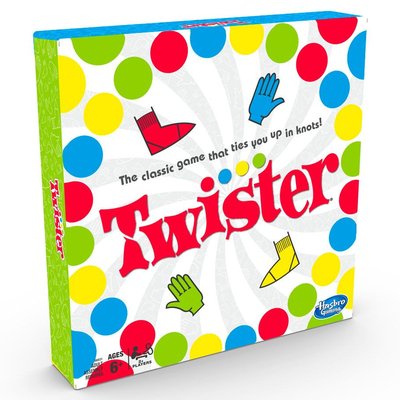
I'm also super fond of Twister, I'll say, but uh that's that's not something which most board gamers go for despite the fact it's a dexterity game, just a very big
I have been trying to talk Jen to bring Twister to the channel for for ages now. We'll get him one day. Uh maybe I will do a Twister game. Absolutely.
Sounds good.
As a guest,
next uh next convention we have
UI and Jan are going to be doing like a whole rundown of Twister. That sounds like something that has to happen. Uh a question from the collector. Uh uh ask him what idea for Spirit Island really excites him, but he just can't figure out how to make it work thematically or mechanically.
Ah,
and don't give too much away.
Yep. So, let's see. Well, there's one I can I can answer easily because right now I literally can't do it.
Uh, [clears throat] which is um there's a thing I'd like there's a there's a design space I'd like to play with in Spirit Island, but can't because of how things are currently phrased. Like, if it ever happens, it would have to be in a second edition or something. Um, where
is that a confirmed second edition?
Oh god, no, no, no. That's
just picking on you.
Yeah. Um but um
we need we need like all the news sites to say like guacal breaking news.
No. Um but like uh vital strength of the earth has this innate power gift of strength which lets you repeat a power. Um what it really ought to do is amplify a power but there isn't a good mechanism for that in game. And I've realized, oh, like if we had been a little more careful about what we specified as numbers and what we speci and what we used as English words on cards, then maybe I could have explored some design space around, you know, add plus one to any number on a card or something like that where uh maybe even keyword it, you know, uh so that would be really neat, but sadly it is just not possible. Uh uh I am super excited to possibly make the Dan as a playable faction, but that is something which I cannot know is plausible first until I talk to a bunch of people and then even if it pans out there until I do a bunch of uh mechanical experimentation. Um let's see. Uh can't give that one away. Can't give that one away. Um I feel like there were other things. No, that's a few of them. There's probably if any others crop to mind, I'll jump in with them later.
Cool. Uh, another general game design question. We've got into some of the questions that people have been asking while we've been talking. Uh, Jakari asks, "How do you approach making mechanics that are not only functional and thematic, but also widely fun and engaging?
Watch play testers, uh, is is is the off the the top of my head answer. Um, or if I'm in the middle of designing them, try to imagine what players are going to do with it. Although, like the difference between I'm sitting at my computer imagining what it would be like to play the game and typing something and I draw that same card while actually play testing and in a real non-hypothetical situation and evaluating its functionality. Like, it's astonishing. Even after decades of making games, I still end up with substantial like what was I thinking when I made this card. There's no way that this is fun slash is balanced slash will work. Um how to make things that are broadly fun.
Yeah. Like see what excites people. See what
you can't go purely by looks because some people when they get really engrossed in something will look bored out of their mind. Like you know in some Spirit Island games people have like shut down. It's like all the affect drains from their face. But if you ask them afterwards, it's because they're incredibly engaged with the mental puzzle,
you know. Uh so you need to to to check in. But you can also sometimes tell like, you know, if somebody um gives specific feedback uh early on in Spirit Island, uh there was a friend Kate Hersfield who who tested um who uh you know you know she co-op games aren't usually her jam, but she was just playing. She's like this, that, the other thing. It was incredibly early. She's like, "This was rough. That was rough." But I'll say this, the major powers, like they don't suck. Uh, and so I'm like, "Okay, great." Like she had a very visceral reaction to that. Like she drew them and she was like, "Whoa." Like she sat up um and and had this like these are amazing, you know? And that was clearly a very positive experience for her. And so like, okay, mental note to self, major powers should be like moment of awesome when you look at them.
So a question uh coming in from Sky Tile again. Is game designing your full-time job? And are you rich? You look here's here's the why here's the reason I'm asking this question because
I didn't know much about the game design industry or publishing or creators before I was actually starting to do reviews and actually and interacting with people who are part of this production.
I do find it really fascinating that whether it's you with Spirit Island or Elizabeth Hargrave with Wingspan that create games that are known across the I mean the depths of the industry as some of the best out there. I'll let you answer the question now. are has it led to your resounding wealth and and ability to do this perpetually?
So, Spirit Island is doing well enough that if I were single, living on my own in a oneperson apartment, then I could, you know, Spirit Island would have let me focus on designing other games or Spirit Island expansions and living off of the proceeds during that time. It has not been sufficient. you know, we we have a mortgage and two kids. Um, but uh I have never I was full-time full-time game designer. It's kind of weird. It depends on how much how much time you spend on it. Um, it's not like I'm doing time sheets, so I don't know like 40 hours a week, you know, plus or minus. Uh, for Spirit Island particular, for most of its development and design, I was also a stay-at-home dad. I was getting probably 15 to 20 hours a week of game design work time during that time which was mostly Spirit Island work. Um which I managed to get like mostly by virtue of having family nearby and hiring babysitters. Now hiring babysitters at going rates for babysitters to do game design work that is not a way to make money. That is a way to lose money. But it was also recreation and and like a time for a break and also following a passion. So, it was still worth it for me. The fact that it actually did end up paying off is not something that anybody, including myself, can rely on
besides the point. Yeah. And a lot of games that get launched or get created, whether no matter how great those games are and what the kind of the core fan base is, won't end up being what Spirit Island has been. There's, you know, a perpetual amount of factors beyond just it being an incredible game. like that was the starting rope and then so many other factors go into where it you know the community that's adopted it and where it is now. Um it is an interesting thing about this
uh this this small little community that we have. Um
so to to answer the other half of the question uh I want to preface it with something which is that uh uh rich is a word which nobody's nobody agrees on a definition of it. Uh and if you use it it's it's an incredibly fraught word. you know, it's it's like nobody ever wants to call themselves upper class or lower class. It's always like upper middle class, lower middle class, what have you. Um uh I am trying to buck this trend. So, I will say, you know, yes, we're rich. We're not ultra rich. We don't have a yacht. We don't have a second home, but we like we have a mortgage and we own our home and that's in the Boston area. Um you know, my wife and I both worked in tech and that is why I say like, okay, yes, we we are we we are reasonably well off financially. I'm not rich because of Spirit Island. I'm rich because my wife uh worked at Google and I worked in the tech industry. And while we were doing so, we were thrifty and saved a bunch of our money rather than, you know, uh uh spending it all on vacations or something. Um and so we were able to, you know, bootstrap our way up. This is the second house we've had. So like it's a little bit nicer than our previous house and so forth and so on. And so like, you know, we're not living in in uh a life of of like we're not like, you know, like Bruce Wayne rich, you know, ultra rich, I'll call it. Um but if you look at our income or our savings then like you know we are you know we're substantially above the median in America we're pro uh we are probably in the middle of like the upper third um you know so probably like 80th 90th percentile I'd guess I don't know um and I feel like it's probably a good thing if we can start calling
letting using the word rich for people like me. So, because right now, like if you call somebody, if you say, "Oh, yeah, you're kind of rich." People be like, "No, no, no." Partly because they don't feel that way because like you have to deal with financial pressures regardless. And partly because that brings out shades of you are part of the 1%. You are part of this immense problem. Um, and nobody likes feeling bad like that. Which means that we can't have a dialogue about it all because, you know, if everybody is just called, you know, middle class, then you can't talk about actual divisions between like, well, we own a house a house, but some of our friends can't afford one. Um, so, you know,
I I appreciate the honesty in your answer. Um,
sorry for the soap box there. So, uh, uh, do not design a game in an attempt to be rich. Um but uh uh Rob Davio gave a great talk at a recent convention during which he mentioned that like for financial stability he really wants to have eight games on the tail of still earning residuals. Um so that's a more re that's a more realistic thing.
Yeah. If you're going to be a full-time game designer, that's kind of the point of production you need to be in order to maintain it for him. And it's always going to come down to the context. Yeah,
it's Yeah, it's a good So it's a good gauge. Yes. Uh, another question from Nifle Dave. Uh, I hope I'm saying that right. I assume I'm not. Can you comment on what uh if any of the expansion uh design space for for for science looks like? Uh, any thought around kind of where the game might go um from this stage?
I have thoughts, but I haven't talked to Gray Fox about whether it's okay to rather air on the side of reticence.
Yeah, that's totally fair. Uh, let's see. I'm gonna let my mic pop back in there. All right. Uh, when you play Spirit Island with an experienced with an experience group,
yeah, that doesn't need explanation. Uh, or by yourself for fun. Is there a setting or difficulty you tend to favor? Uh, a default, as it were.
Uh, yeah, I'll often go for like difficulty eight games. Um, difficulty six to seven if I'm in the mood for something more relaxing. Um uh but with some tension. Uh once I get to five and below, I tend to find it a like it'll work fine if I'm looking to run something through its paces just to see how it behaves. But for actual like playing a game, it tends to be light unless I'm playing if I'm playing with new players. That's totally not true because, you know, new players will in a variety of ways they aren't even aware of like accidentally drop a number of balls that they don't even know exist. Um, and so what I what I'll tend to do there is I'll be like, "Oh, okay. All right, so let's play on like difficulty two or maybe one." And then I will focus on helping them keep their boards clear and let my own board go to hell. Um, because uh that provides a nice challenge for me and then everybody gets to go, "Whoa, look at that big problem there." Go and uh and jump in on it uh without them having feeling like it's their fault or something, which it's not. like they're learning the game and I've thrown them in over their heads by put playing it on non-zero difficulty.
So, I I own that decision and I help them out and then uh we come back to clean up the mess in my backyard. So, I think that's the majority of the uh the questions. If anyone else has one they want to throw in real quick, um it's up in the general section there. Uh the last thing I want to I want to pose to you first off, thank you for the time you've taken to come hang out and and spend some time and talk about games that I like a lot. uh what is the best way for people to uh interact with you connect with you follow along and and kind of stay uh stay connected so they can see what you're doing next or or kind of ask you questions things like that
right now the best way is on board gamegeeek I'm username darker there and uh you can either you know start forum questions about spirit island or if you need to geek mail me directly that sort of thing uh I am present on Reddit and very occasionally the greater than games forums. Um, but just not as much. BGG is sort of my primary board gaming home online. I am in the middle of working to set up both a sort of professional website of my own uh and some and uh I do maintain a an email list of like if you would like to be notified when I have a new game which is coming out then I will send a message to this list. Like I did one message to that list when the Kickstarter for for science went live. uh and I will do so similarly for future expansions or or games. It's extremely low bandwidth. Um so I'm that is currently maintained manually by me. So like drop me an email uh at ocegmail.com uh or message me at boardgamegeeek. Make sure to give me an email address. I've had a couple people like please add me to the email list. I'm like okay what do you want me to add? Um so you can do that. I'm also hopefully once I get my own website up and running have a way to just add yourself and do subscription management uh there. Um so yeah,
very cool. I I appreciate the time. This is all going to be recorded hopefully both audio and video, but I know we got the audio feed, so I will I will be posting it um up here in the Discord server and sharing it out and stuff like that. Uh so greater greater than can get a hand hold of it and and have people um see your thoughts behind the game design process.
Great. Thank you so much for for having me online. Uh oh, can I give the the the three pitches for the things which are currently active.
Yeah.
So, Four Science is on Kickstarter uh by Grayf Fox Games. Uh if you uh go to Grayfox uh website or or Kickstarter, you can find it. Uh Jagged Earth uh the expansion for Spirit Island is I believe still uh pre-orderable via backer kit. Uh if not, then it will be uh or rather but I believe it will be closing on the Sooner side. So, you should be able to do that by hitting up the Kickstarter or the Greater the Games website. And the digital version of Spirit Island is being done by Handelabra. And just this last week went into early access on Steam. It is early access, so there's a lot of parts which are still rough, but overall it's working. It's good. Uh I have enjoyed it. The times I've gotten to play it, although since the force uh since Forescience started on Kickstarter, that has been fewer than I would like.
I I believe I've seen some screenshots already in the Discord when it when it first went up. So, yep. I know some people have played Spirit Island. I'm not sure if they've I'm not sure if it was through that specifically.
It's pretty neat. They've they have both an original game 2D view, a 3D view, and now I think they've just added like a hybrid 3D but original game flat untextured terrain sort of view. So, yeah, they're doing lots of good stuff with it. Yeah, it's neat. Yeah, we'll have to we'll have to check it out whenever you have uh you actually have more time, which
seems uh unlikely in the in the next month or so, but considering all the chaos going on. Uh I will also make sure I email you Jan's address so you can just send the prototype copy of Fors Science back in our direction sooner than later. We'll just
Yep. So,
all right. I'm going to go ahead and disconnect from uh from the Discord. Okay, have a good one everyone.