Unfathomable VS The Thing VS Dead Of Winter - BUY THIS, NOT THAT (surprising...)
Games in This Video
3 games are featured in this video — they unlock as you watch.

Transcript
During the holidays, we played Unfathomable, The Thing, and Dead of Winter back to back. And honestly, the which one should you buy question keeps coming up because all three are hidden trader games, but they're wildly different in execution.
Yeah, we started with The Thing, thinking it'd be the slam dunk, and then it just fell apart. But before we dive into the chaos, let's talk about what we've actually been playing here and why this comparison matters so much.
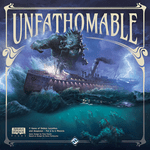
So, quick context. Unfathomable came out in 2021 from Fantasy Flight Games. It's set on a steamship during a Lovecraft horror story, plays three to six players, and our games usually run between 2 and 3 hours. Then you've got The Thing, also 2021, from Aerys Games, set in Antarctica during an alien outbreak. One to eight players on paper, but that's misleading. And games vary wildly depending on the alien player skill. Dead of Winter is the oldest of the bunch, 2014 from Plaid Hat Games, Zombie Apocalypse Survival, two to five players, and our sessions have been consistently 90 minutes to 2 hours. The reason we're comparing all three is that they're all competing for the same shelf space in the hidden trader game category, but the experience you get from each is completely different.
Yeah, and that's what makes this so interesting. When we started our comparative sessions, we thought we'd find a clear winner, but honestly, the answer depends entirely on what you're looking for. Like, we played a four-player unfathomable session one night, then switched to a four-player The thing session the next night, and it was like night and day in terms of how the games actually functioned. Let's get into the mechanics because that's where things get really fascinating. Unfathomable uses this skill check system where every time a crisis happens, all players secretly contribute cards face down. Then we shuffle them together and reveal. So if a card asks for eight strength points, we're all adding cards to this pool and it gets shuffled and then we see if there was enough. The thing that makes this brilliant is that traders have to constantly decide, do I sabotage this specific check or save my nastier cards for later? In our games, you'd see someone hesitate before committing to a card, and everyone would immediately suspect them,
right? And that creates this constant paranoia across the whole game. We played one unfathomable session where I was the hybrid, the sabotur, and I had to do this careful dance of helping sometimes to maintain cover and then striking when it mattered. The mechanic pushes you into these micro decisions every single turn, which is exhausting, but in a good way. Compare that to the thing where the leader shuffles everyone's action cards together and then distributes them. You hand over your repair card, but the leader might assign it somewhere else entirely. You have no guarantee that the action you intended will actually happen. And that's where The Thing immediately lost us because it removes a lot of player agency.
Yeah. And The Thing compounds this by making the alien player skill the entire determining factor of whether the game is fun. We played three games of the thing and in two of them the alien revealed in round two because they were trying too hard to sabotage. Once they reveal the game becomes this weaker hideand seek where the alien has a limited pool of strength tokens and the humans just avoid those locations. It felt like the whole thing sagged as soon as that reveal happened.
Exactly. The rule book even warns you that the game's enjoyment hinges heavily on the skill level of the alien player. That's not a tiny little caveat. That's a big design red flag. And then we discovered the FAQ, pages of clarifications to the base rule book. I started reading it and just kept thinking, we played this game wrong for three sessions because the rule book contradicted itself.
The cooperation bonus rule, where you play characters together, was written so confusingly that we had to dig through Arata to figure out which character actually lays down. Dead of Winter doesn't have that problem because the rules are straightforward. You roll dice for actions. You secretly contribute items to crises. And the crossroads cards create narrative moments. In one game, we got a crossroads card where we had to decide whether to give medicine to a wounded officer or take gear and leave them. That single card created this table discussion about what our colony represented. And that's something neither unfathomable nor The thing delivered in the same way. That's the thing about Dead of Winter. It's not trying to be a pure traitor game. It's using hidden roles as a vehicle for emotional storytelling. And honestly, after playing all three backto-back, that approach feels more sustainable for long-term engagement. We got tired of Unfathomable's abstract skill checks after a bunch of plays because once you master the optimal strategies, the mystery evaporates a bit. The thing fell apart mechanically, but Dead of Winter kept surprising us because every game generated different moral dilemmas through the crossroads system.
Now, let's talk about the complexity because this is crucial depending on your group. Unfathomable has this elegance where the rules are intuitive, but the decisions are deep. When we taught a new player, they understood the concept in 5 minutes. Contribute cards to checks, resolve outcomes. But understanding when to sabotage took them a couple of games to really grasp. The game rewards mastery without overwhelming newcomers. Compare that to The Thing where a teaching the game requires explaining the weather die, fuel management, location mechanics, contagion tokens, the leader role in action assignment, infection chains where players can secretly become aliens, blood tests, sanitation tracking, a freezing track if the boiler breaks, and then this whole different rule set if you're playing the solo mode. Our first game of the thing lasted about four hours because we kept bouncing back to the rule book. Our first unfathomable was around 3 hours, but it felt tighter because the rules moved faster even though there were more moving parts.
Dead of Winter sits between them. The base rules are simple. Roll dice, take actions, contribute to crisis. But the complexity emerges from managing multiple survivors, tracking resources, and timing when to pursue your personal objective versus helping the group. And here's the thing that really stood out. Dead of Winter worked at two players. We played a two-player session where it felt genuinely tense and the crisis contributions stayed secret because we shuffled junk cards in with the real ones. Unfathomable at two players would feel empty. The thing explicitly states it needs four players minimum for the base mode and the low player count variant just didn't feel worth it for us.
Oh man, the player count scaling. This was our biggest discovery playing all three. We tested each game at different counts and the differences were stark. unfathomable at three or four players feels constrained because the loyalty mix is leaner and the player pool is small and the really wild stuff like having that extra weird faction only really clicks when you start hitting the higher counts. You don't get that same social swirl you get at the big table.
Yeah, we had this one fourplayer unfathomable game where my role gave me a completely different angle on who I wanted to win and when I wanted the game to end. And it created this bizarre situation where I was helping sometimes and sabotaging other times. Nobody could figure out my allegiance because my strategy didn't match any single obvious faction. As soon as we bumped up the player count, that sort of layered agenda felt way more interesting.
The thing at four players was basically a mess. We looked at the missions and realized that most of them require everyone to pitch in, which means there's almost no room for the alien to hide. Everyone's constantly helping each other manage the base because there's no slack in the system. The game clearly wants six, seven, or eight players to create the kind of social uncertainty where an alien can actually blend in and slowly corrupt things. Dead of Winter genuinely worked at every player count we tried. Two players was tense, three was balanced, four felt like a sweet spot, five was playable, but turns definitely took longer. We never had that feeling of, "Oh, this breaks at this number." It just scaled naturally because the action dice scale with survivor count and the crisis requirements adjust with player count.
The other thing that became super clear was how differently the games handle player interaction. Unfathomable creates confrontation through the skill check system. When someone obviously didn't contribute the cards needed for a check to succeed, the suspicion is immediate and direct. You're accusing people right there at the table. The thing has this weird indirect interaction where the alien is secretly planning where to strike with strength tokens and how to use the action deck, but because of the shuffling and some of the randomness, you're often not sure whether something was sabotage or just the system doing its thing.
And Dead of Winter creates paranoia through personal objectives clashing with group goals. So, people look suspicious just for holding on to resources they might reasonably want for themselves. We had this dead of winter game where someone was hoarding fuel for their personal objective. They needed three fuel cards in hand at the end and nobody could figure out if they were the betrayer or just playing to win their own goal. That ambiguity is brilliant for creating table tension because it persists even when there's no confirmed trader. But if you want pure trader deduction, Unfathomable does it better because the skill checks create mechanical accountability that you can argue about every round. Okay, let's talk about the actual strategic depth versus rules overhead because this matters for different groups.
Unfathomable's learning curve is steep because you have multiple skill decks, a mythos deck, travel progress, deep one attacks, and all these conditional abilities based on which character you chose. But once you learn it, the decision space is enormous. You're constantly evaluating, do I push the travel track or try to manage the ritual track? Do I attack deep ones or rescue passengers? Do I reveal as a trader now or maintain cover? Our more experienced players were making moves several rounds ahead.
Yeah, but the thing is not every group is going to want to put in the reps to get there. We played a lot of Unfathomable before the strategy started to feel familiar. And then we realized we were mostly repeating patterns. Dead of Winter kept generating new strategic situations because the crossroads cards change every game and the survivor combinations are different each time. We ended up playing Dead of Winter more times than the other two put together because each session felt different enough to be worth the setup. And the thing's strategic depth is completely dependent on the alien player understanding when to stay hidden, when to reveal, and how to use their strength and infection options. If the alien doesn't know how to play that role well, the entire experience tanks. We had one game where the alien basically announced themselves through clumsy play and the rest of the game turned into a slog of humans just trying to avoid them and not freeze the death.
Right. And that brings us to component quality because after weeks of playing these, we have opinions. Unfathomables production is solid. Thicker card stock, detailed character art, good player aids that actually help you understand the game. The miniature deep ones are a nice touch. There's nothing about the components that suggests cutting corners. The board is clear. The tokens are functional. The overall package feels premium without being overproduced. The things components are strange because the deluxe version throws in things like a neoprene mat. But the retail version is more restrained. The plastic miniatures look decent. The board art is fine, but then you bump into issues like the transparent contagion tokens where in some copies you can literally make out which is which if you hold them up in the wrong light. That is the exact part of the game that should not be visually compromised. Dead of Winter uses cardboard standies instead of miniatures, which is clearly a budget conscious call, but the design is clean and it works. The real standout is the exposure die. When you move survivors, you roll this custom die, and getting that tooth symbol means instant death.
It creates this visceral moment of tension that abstract systems just don't give you. And the Crossroads cards are nicely illustrated and thematically on point, which reinforces the emotional storytelling the game leans into. Honestly, component-wise, Unfathomable feels premium. The thing feels ambitious but uneven, and Dead of Winter feels purposeful. None of them is physically cheap, but only Unfathomable feels like it's been tuned so you don't have to fight the physical design to enjoy the game.
Let's talk about play time because this was a shock to us. Unfathomable's box says 2 to 3 hours, but our average was closer to 245 and we had one game that hit 4 hours with a full table and lots of discussion. The thing varies wildly. We had a shorter game where the alien revealed super early and things spiraled quickly and another that dragged because everyone was second-guessing the rules. Dead of Winter consistently ran 90 to 110 minutes with five players pushing 2 hours. The consistency alone made Dead of Winter feel better for regular game nights because we could actually predict our schedule.
Yeah, and this matters more than people think. If you're planning a game night, you want predictability. With Unfathomable, we had to block three hours, even if the game might wrap faster. With The Thing, we blocked four because we never knew how long rules questions would slow us down. Dead of Winter, 90 minutes most times, and we were able to slot it in between other stuff without stress. Now, the theme integration, Unfathomable, is thematically solid in the sense that the art and story do a lot of work, but the skill checks are pretty abstract. You're throwing cards into a pile labeled lore and strength more than feeling like you're personally hauling passengers around or wrestling deep ones. The thing drips theme, the freezing track, the fuel, the blood tests, the quarantine feel, but the mechanical execution trips over its own rules.
Dead of Winter's theme comes out through the crossroads cards, through those decisions about whether to abandon someone or share resources, and that's where it really shines. Dead of Winter's theme actually helps you remember the rules. The exposure die makes sense. Moving through zombieinfested streets is risky. The crisis cards make sense. You need food or people starve. With Unfathomable, the theme is strong, but the mechanical connection is more Euro style. And with The Thing, the theme is so thick that it sometimes obscures how the systems are supposed to work.
Okay, here's where it gets real. The fun factor and who each game is actually for. Unfathomable is for players who love hidden role deduction as a pure mechanical puzzle. If you want to play mind games, read the table, and engage in psychological warfare wrapped in this big production, Unfathomable delivers that, but it demands a specific group. You need people who are comfortable lying, who enjoy direct suspicion, and who are fine with a multi-hour commitment where that pressure doesn't really let up. The Thing is for John Carpenter fans who really, really want to sit inside that movie for a few hours and are willing to wrestle with the rules to do it. The paranoia is there in the premise. And when things line up just right, you do get flickers of that vibe. The problem is that for us, it took too much work to get the game to that point. And even then, it felt like a brittle experience. Dead of Winter is for groups that want that social tension, but also want story. The crossroads system gives you gut punch moments that aren't about calling someone a liar. They're about making hard choices under pressure. Your traitor, when there is one, feels like someone whose personal agenda is slowly grinding against the colony's needs instead of a cartoon villain. We had friends who bounced off unfathomable because they hated the idea of lying to each other, but they loved Dead of Winter because the anxiety came more from the situation than from deception.
We also noticed that unfathomable rewards ruthless play. The thing rewards rules mastery and alien experience and dead of winter rewards talking things through. If your group likes big table debates about what to do next, Dead of Winter is your game. If your group likes tight, suspicious silence and intense reads, unfathomable wins. If your group just wants to cooperate against a system without doing social deduction, honestly, The Thing probably isn't the best choice anyway, given everything you have to fix or house rule.
Yeah, our rulebook experiences were telling. Unfathomable. Read it once, clarified a couple of edge cases, and we were good. Dead of Winter, read it once, and we only hit the FAQ for corner stuff. The thing read it, got confused, checked the FAQ, changed how we thought some phases worked, and still ended up uncertain about a few interactions. That alone is a big quality difference if you value your time.
Okay, so here's the verdict. After all this, we've played each game multiple times, taught them to different groups, and tested them at various player counts. If you're asking which one should I buy, the answer really does depend on your situation, but we can still give you a clear recommendation. Buy Dead of Winter for most groups. It's flexible on player count, the rules are clear enough, the thematic experience is strong, and it generates those emotional moments that you end up talking about afterward. In terms of getting to the table and actually finishing games, it just worked the most reliably.
But here's where we need nuance. If you have a regular group of five or six players who love confrontational deduction games and don't mind longer, heavier sessions, Unfathomable is the strongest pick. The skill check system gives you more sophisticated trader dynamics than Dead of Winter's personal objectives. You get a modern take on that big box trader experience that feels rewarding when everyone leans into it. If your player count bounces between two and four, if you want rules you can teach in a single sitting, if you prefer a mix of story and strategy rather than pure suspicion, Dead of Winter is the better buy. We're keeping Dead of Winter as our default hidden role adjacent game. Unfathomable is the one we bring out for those bigger committed nights.
And the thing, this is where we're blunt. We can't recommend it over the other two. The rule book is rough enough that you basically have to study an FAQ to play it correctly. The game only really feels at home at the higher player counts that many groups can't hit consistently. And the whole experience leans too hard on the alien player knowing exactly how to play their role. For the same or less money, Dead of Winter and Unfathomable both do what the thing is trying to do in more stable ways. We'd grab Unfathomable if we had that reliable five or six player crew that craves long, thinky trader games. We'd grab Dead of Winter if our group size changes a lot and we want big stories and tough choices without needing to parse a giant rule book. We'd leave the thing on the shelf unless we were specifically collecting it for the theme and were willing to put in the