Beyond Solitaire Podcast 233: Waleed Ma'arouf on Design at Asmodee
Games in This Video
5 games are featured in this video — they unlock as you watch.



Transcript
It's ad break time. I'm proud to announce that the Beyond Solitire podcast is sponsored by Central Michigan University's Center for Learning through Games and Simulations. I'm personally very excited because CLGs has a springtime crowdfunding project on the way. They'll be publishing a revised edition of Jason Morning Stars the Blue Way, which you can hear about in episode 224 of this podcast. But for now, let's get on with the show. Hey gamers, this is Liz Davidson from Beyond Solitire. This week I'm a part of a very special guest. This is Wed Maru. He is a game designer at Studio Big, a studio over at Asbay. How you doing today?
Oh, doing pretty good. Liz, how are you?
I'm good. I'm super happy to have you on the podcast. Uh, so I feel like working at a large studio at Asma day, it's hard to know. I don't know what you're allowed to talk about, but what are you working on right now and what have you worked on that you can tell us about? Sure. Yeah. So, um, originally I got hired in at Fantasy Flight Games to work on Arkham Horror the card game. Uh, so I worked on Arkham Horror the card game for about two years. Uh, and then I shifted over to Studio Big and now at Studio Big I, uh, just recently we were we announced Citadel Stool. So, I was the main developer on that game. Uh, I worked on that for about, you know, eight eight months or so. And then, uh, uh, in the future, you'll might see my name pop up on a couple of Love Letters that we release. So, I'm technically in charge of the the Love Letter branch.
Oh, that's awesome. It's like a weird interesting uh little little card game that uh challenges since there's like so many variants of Love Letter. It's always like a big challenge on uh like what to tweak, where to tweak it, and how to be like true to the IP or whatever we assign to it uh to make the game feel more like it. So,
yeah,
it's been pretty cool.
That is cool. Yeah, you know, actually somewhere on my computer in my files, uh, I have a translation of Love Loader into Latin.
Oh.
That I used in my classroom.
That's so funny. But also, who's that for?
Latin students.
Oh, perfect. So, you were using you were using Love Letter as a way to teach Latin.
Yeah,
that's pretty great. Yeah. No, I also come from a world of uh education. Uh before I got hired at Fantasy Flight Games, um I went and studied uh games and education at Indiana University and uh basically figured out the best way to teach using games. Uh which my time there I spent um I made a really really great game about cultural imperialism. Uh that was like not fun which was the point. Uh so I I'm very near and dear to using games uh as educational tools. That actually makes me really happy.
Yeah. No, this this whole conversation made me really happy. Okay. So since you brought it up, let's actually start with the education because we're going through your life here. Um so
uh what what made you decide to pursue games education? Like were you planning to be a teacher or have you?
No. No, no, no. So, funny enough, I um so in my undergrad, I studied psychology and philosophy. Uh I've always been like really interested with how people think and how things work together and culture and all of these things. Uh so I studied those two uh mostly because my dad was like, "Hey, you can't go study music, so you need to study something that makes music or that makes money." So I studied philosophy. Um but basically uh I studied those things and then after when I was graduating I was like okay cool what's the next step you know with psychology you often need to go to grad school. I've always been really interested in uh using those kind of fields practically right like philosophy is great but if you're just sitting in a room talking you're not actively applying it to the world and you're not actively uh helping in any way. So, um I've always try I was trying to figure out how to Okay, cool. I have this skill set, this kind of skill set from grad or from undergrad. What can I do with it?
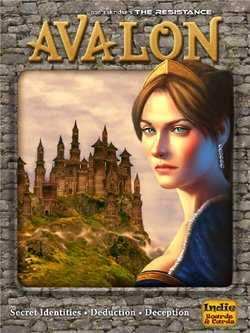
Uh I landed on school psychology, which put me in the realm of education. Um so I was I was like, "Cool, I'm going to go study school psychology. It's going to be great." Uh I'm going to help some kids. Um I got accepted into the program. I started the program and quickly found out, oh, this is like a very rigid structure, right? Um, and we're going to put a pause on that right there and then kind of I've you I've used like the vast before times of this experience. I have always been playing games. I've always been using games like every birthday party I would have, I'd be like, "Let's do a land party of Halo or whatever." Like we would have people, right? we would like have people in and uh like it was always like a really communal experience. And even during undergrad, I would have people over to my house and we would be playing Resistance Avalon like until 3:00 in the morning just bonding and and uh interacting. And so games were always like near and dear to my heart on how to connect. Uh fast forward, I'm in grad school, I realize this isn't for me. Um, and I look around in the school of education, which I've already been accepted to, and I'm like, okay, what what's the pivot? What's the move here? Uh, because this is not it.
This is too rigid. This is too structured. There's too much pressure on like, oh, you give a diagnosis when you're to a to a kid who's 6 years old and now they live with that diagnosis. Um, and I found something called learning sciences. So learning sciences is basically uh you enter the fields, you study uh the basics of education um and you try to figure out what uh the best way to educate is given your passion. So I got in and uh I was like, "Oh, games are a great way to learn, right?" like they are super connective like I've said, but they're also a really great way to immerse yourself and a really great way to to yeah like immerse yourself with the content. So um so I start I just start uh studying games and studying interaction design and studying like how how play more than games how play can um help us learn.
Uh so I do that for a bit. Uh I make some unfun games. I make some educational games. Uh unfun and like purposefully unfun, right? So being playful being playful with serious topics uh in order to uh help the player connect with what's happening uh or the the learn the lesson that I've that I've decided to teach. So yeah, I study that for two years. Uh, I graduate. I float around in jobs because surprisingly there's not like a uh there's not a there's not a undergrad to grad to learning sciences games and education pipeline that I can go do. So I float around and I work in higher education for a bit. Um I like am I'm a at risk mentor for a high school. And so while I'm there I'm like okay let's flex those game muscles. And um I you know design kind of like an RPG scaffolding that I can use to get these kids who don't want to be there slightly interested in being there as well as like developing a community with one another.
Yeah.
Um Yeah. And then I bounce around and then I uh realized during the pandemic, hey, I'm really passionate about games. Uh let's make really cool experiences. uh applied to a bunch of jobs and then Fantasy Flight was was like, "Yeah, we'll take you." So, yeah, that was that's my that's my backstory.
That's a great that's a great story. All right, I have
I have so many questions. I'm going to pick one and then I'll remember to circle on. So, um the first thing I just want to poke because I can't help it. Like, you talked about making like unfun games.
Yeah. Yeah. Yeah.
I want to like unpack that because
I' I'm always thinking about this as well. Like, you know, people try to call it serious games or like
is it, you know, just games about intense topics? Are we going to just call it engaging and not fun?
I think I've just had to accept myself that I do think that stuff is fun.
Even upset.
Yeah. You think like you think like Yeah. Uh restrictive uh like rule sets that remove autonomy and stuff like that. You just love that stuff. I mean, if it's making a point and I'm reading the message of the game, then I can enjoy it, if that makes sense.
Yeah. Yes. So, there's this game that like really blew me away. And it was like this flash game, this flash video game, right? It's not even a board game. It's a flash video game that you like load on your browser and play. And I think it's called Passage. I believe it's called Passage. Um, and the whole like the whole controller scheme is you hit the right arrow and you go right and you hit the up arrow, you go up, and then you hit the down arrow and you go down. That's the whole there's no left. So that's the whole the whole premise. And the game really messed me up, man. I'm g be honest with you. It really got to me. The whole concept is when you go right, it scrolls with you, right? You're always in the center of the of the screen,
right?
And it scrolls with you and there's obstacles that you can't see off the screen and there's no left button. You can't go back.
And so as you are going right and like going up and down and like avoiding things and like having story events happen that are like your character grows older. your character grows older and older and older, they can find a spouse, like a partner, and they partner up, and now you have this person following you. They can like lose some resources. They can they can uh walk into walls. There's no going back and then at the very end, you just die. Like, you just get to the point where you get so old and you die, right? So, like game mechanics, those aren't really engaging. That's those are three buttons that you can hit. Um, and then there's some some nar like there's not there's no words or anything. So, it's just like visual storytelling. Uh, and that game is un like that game's not fun. Nobody nobody wants to like sit there and just just like, oh yeah, I just scored high score on pass. Like nobody's nobody's like playing it. It's it's crazy how not uh playful like not it is playful but how just unattractive the premise is but it's so impactful like even like 10 years later I'm still like thinking about it and I'm just like that was art right like that's that's why I'm in the
games field that made me feel something that made me learn something and so that's what I mean when I'm like oh yeah it's an unfun game like it's it's it's not naturally bringing fun, but it is bringing I kind of think of it as like going to watch a movie and knowing that the movie is the saddest movie in the world,
right?
Yeah.
You are not going to laugh, but you are going to walk away and be like, "Oh god,
I got to re I got to rethink some stuff, right?" So,
yeah. Do you think it's fair after experience like that to say that you've been entertained or does that feel like dirty to you, too?
Entertained. That's a tricky one because entertainment like naturally bring it has to bring engagement like you have to be engaged to be entertained. Entertained. Uh I think that I think that I would say that like I was entertained
because it was thoughtprovoking. It was I did engage with it and it made me have an experience that I'm never going to forget. So, I definitely think entertainment works. It's not like in the flashy like when I think entertainment, I often think of like the flashy like Las Vegas lights and the the the noises and the like buttons that you could press and whatever like on a on a casino on a casino machine. What are they called?
No. Yeah. Yeah. Yeah. Yeah. Slot machine. No, just a casino machine. One of them casino machines. But uh yeah, like that's what I think of when I think of entertainment often and that's just not what it is. So yeah, I would say it's entertainment. I would say that fits the bill.
Yeah. No, I'm always I I really like having these conversations because I felt like I one time jokingly referred to a historical game as a toy or said that like I make toys or something like that and somebody got very upset at me.
No, but like it is.
Yeah, they're toys, man. They are toys. Like
it's like that that that remember like that that makes me think of like people who had G.I. Joe action figures and they were like it's not a doll. Like no that's clearly just a doll. Like it is what it is. It it it's a to like it's playful. It's how you use it. I don't know man.
Yeah. I I just really enjoy kind of like poking at that because I think it's I just find it fun. There's there's absolutely some underlying like toxic masculinity there that the dude's like, "War games aren't toys." Like, "This is war." And no, it's a You're playing a game, man. You're good. You'll be all right. You'll be all right. You'll be chill.
Uh oh, yeah. You know, and of course I I do love a good naval gazing like intellectually serious game. Like I just absolutely love that [ __ ] But um
and I like thinking about it after and I like talking about it. Uh, but yeah, it is still
also fun.
Oh, 100%.
Yeah.
Oh, 100%. That that brings me like so when I was in grad school, I made this game called Unwoven um with my partner Britney. What's up, Britney? Uh, if you're out there, dog, what's up? Um, but, uh, I made this game called Unwoven, and you were basically this was the cultural imperialism game that like people hated playing. Uh, and I was very proud of it and I was uh I like was very happy that people hated playing it because you however member however many players there were uh each member each player would uh represent a member like a pillar of the society, right? So, pillar of education, um, like pillar of finance, pillar of whatever, like pillar of cultures, pillar of customs. Um, so each member would represent a pillar. And then basically I created like an AI deck of just, uh, white imperialists coming in and being like, hey, uh, we'll give you these resources, but we're going to take away this, uh, culture. And you had to make a choice, right? throughout the game you have to make really really hard decisions. Uh and people just got really pissed at me because they were like this game like this feels like you're just stripping away you know like what what we're trying to do and I'm like yeah that's the point like that's the point is like yeah right like and so every single time somebody would be like this sucks I'd be like go yes like perfect
now you understand that's the lesson thanks have a good day. Um, I don't remember how I got there, but yeah, that was just one of that I loved working on that game.
That's delightful. Uh, and then before we get to like talking about Fantasy Flight, u I want to know a little bit more about this RPG that you made to engage cranky students who didn't want to be at school because I'm just so curious.
Yeah. So, uh, like being an atrisisk mentor was like the hardest job I ever did, right? like you hear some really messed up things like
there are kids who are having a way harder life than I'll ever have
and so what I wanted to do was I wanted to you know put a little carrot right obviously just be like oh if you come to classes and do your homework then you get little rewards or whatever but also um I also just wanted them to be playful and then to have fun and them to like I wanted to provide them a safe space to to pretend and to imagine.
And so what I did was I talked the school into giving me they had like something called
I don't remember what it was called, but it was basically like a 30 45 minute um home room. It was like a home room, right? So you just go and you you'd hang out and you do your homework and stuff. I talked the people into the people in charge, the people that be uh to give me my own home room full of my students on my case load. Um and so we would just have uh everybody that I worked with just all together, right? Like the ruffians of the school and the people that were the troublemakers and whatever. And then I basically created like a because I'm a huge This might surprise you. I'm a huge nerd.
So yeah, believe it or not, dude.
I Yeah. Uh for those at home, you can't see, but there's a thousand board games behind my head right now. Uh but anyways, I'm a huge nerd. So like I was like, "What can I do?" And I'm like, "Oh, cool. I'm going to make a fantasy light system." Like, right? like we're going to flirt with with uh fantasy. And so I made them make a guild together. I was like, "Listen, you guys sit down. Diplomacy rules. Like I need a crust from you and I need a name from you." Uh, and so like they got pretty into it and um they like made a name and they like made a a crest and they were like uh deciding which colors what what's going to be on the crest whatever. Uh and then I was like cool.
So every single time you come to home room right which you have to do if you come to school. So, every single time you get you come to home room, you're going to get some experience. And every single time uh you turn in your homework, you're going to get some experience. And every single time, sorry, this it wasn't like a really deep or elegant system, but it was like uh click button, get point, whatever. Um and so with that experience, they could just like uh they would be able to buy things that they wanted. And by that I mean uh my whole role in that school was like having kids come to my office and just like hang out and tell me how they were doing. And usually it would be like once a week or once a month or something with more experience they could just come and hang out and I could just give them like a half hour break or something like that, right? and just like kick feet up or like I would buy them like candy or whatever, you know, like some some really silly like mean system or like a really basic uh system of just like reward that just like encouraged them to get in good habits. But I think what was most impactful so like that worked okay, right? Like it's it's you have to buy in in order for the system to even work slightly. But I think what really helped was the sense of community that I that I gave them was just basically like you guys are under this banner now. Like congratulations, you're a guild together. Uh that was that was so that was like the main crux of it. Uh I didn't stay at
that job for two like I was there for two years, but this was like in the in the twilight years in the Twilight years in the twilight year of me being there. Um, so I didn't really get to see the long term, the longevity of it, but I really enjoyed just, you know, like this kid that everybody thought was like the biggest troublemaker in the world just being like, "Yo, we're we're uh I don't know, like we're the merchants of of Washington." Like some [ __ ] like that, right? Like it really made my heart sing.
Yeah. I'm getting like secondhand good vibes from that. Yeah. Nice.
Yeah. Um, yeah. No, I mean people uh people don't always I think appreciate like exactly how playful kids are even when they want to act tough. Like I'm I'm an adult and I still want to play.
Yeah.
Um like kids trying to act like adults also want to play. Uh I one of my favorite things about my seniors who would humor me in my like last couple years of of being in the classroom myself was that you know we kind of reached this point in the year where they knew they didn't really have to do anything but they could still be tempted to do things if they were fun enough. So, I adapted a reacting to the past game about like the Cataline conspiracy and
like I had these seniors arguing about like land bills and whether they should forgive senators who'd been kicked out of the Senate or like their sons, but because you you just assign the roles, right? So it's people who get a little competitive heat between them
and then suddenly you have this complete blowout into like
weird role playing because of the subtext of the kids and like they all want to play
and like you could people will do anything if you make it fun enough.
That's I mean that's what that's what drew me into the learning sciences, right? I was just like look man you can study like the best way to learn uh to teach a a certain age group or whatever but play is universal. Play is as universal as music is in my opinion. I mean music is play which is another a whole another topic but
but like play is play is so universal and
uh especially with like at risk mentor or at risk kids like
these kids are of the mindset that they need to shift into adulthood way too early or they need to take things way too serious or they can't be vulnerable. Right? And so that's why I was just like, "Oh, no. It's okay. This is this is a safe area in order to like express yourself playfully." I mean, and and you're talking about like, "Yeah, you love to play and you're adult." Yeah. Like this is something that I've been thinking about a lot is whimsy, right? I've I'm I I'm on this resurgence of whimsy train where I'm really trying to embed like playfulness and whimsy in my life because for some reason adulthood kind of at least adulthood in America
kind of squeezes it out of you. It's kind of like stop pretending that this stick is a sword uh energy and it it doesn't need to be like that.
Sticks should always be swords if you want them to be. You know what I mean?
Yeah, I really do. Especially like I mean you know look we're in the Twin Cities world's been crazy
and I kind of feel like there's this
it's like a weird instinct of like because things are bad I need to be so serious right now because if I have fun I'm like not taking the bad things outside seriously enough
and I actually think that if you don't have fun you are way closer to losing your spirit than
you realize
thousand a thousand% like why carry create weight all the time. You should just put it down for a little bit and just be and even be playful with the weight. Throw it around. I don't know. I It's easier said than done, but yeah, it's it's been super hard cuz I'm also in the Twin Cities, right? So like when this is when this all kicked up, I mean it's not it didn't just kick up overnight, but uh not to get too political or anything, but uh like yeah, a lot of people were just, you know, shifted in this mode of like seriousness.
Yeah. And uh I agree wholeheartedly that that to have play in your heart is to keep yourself light and to keep yourself like motivated and engaged and uh not be uh weighed down by the seriousness of the world because I think that's that's the system that kind of beats the whimsy out of you when you're a kid just amplified is like the traumas of the world right now. And I don't know, just just I don't know how to find that play. Like I'm not an expert, but like lean into community, lean into smiles, lean into laugh, and like
Yeah.
Yeah. I agree. Whole it. It's Yeah. It's such a powerful tool and it's it's something that my life is built around. So yeah, you and I could not be more in accordance there.
So uh this is something I went through when I decided to take a job at the game industry. How did you kind of interpret your career to date when you applied to work at Fantasy Flight? I mean, I feel like there's no there's so many ways to games and so it's not like
Yeah.
Oh, what made you qualified? Because like you're making games.
So, I guess like how did you pitch yourself to them? Uh because it clearly worked.
Yeah. So, this is something that I think about often because I remember in the interview they were like, "Hey, would you want to work on this IP?" And I was like, "Nah, not really." They were like, "Oh, cool. What about this IP?" And not really. So I was I was way too honest in the interview first and foremost. Uh no, I'm just kidding. Uh but like uh so my path from education and always harboring that like that love for community building and connection in my heart. Um I think it's I I mean I clearly played way too many games. I clearly had too many games. So the the general skill of like understanding what's out there, understanding what is on the forefront, understanding the design philosophies out there and the the vibes. I think that really helped me and that kind of shined. But I mean up to that point I had one failed Kickstarter, man. Like I had I had one failed Kickstarter on an educational game of all things, right?
which is which is my own fault cuz I was like, you know what, the kids on Kickstarter really want is a fun kids spelling game. Like it was my bad, but I I you know, I had come up with these ideas. I had gone to a con or two and met some some people. Um and so I was a I was an outsider. I was I was alien. Uh, which I think it's it's tough to say because I truly believe in my heart of hearts that everybody can be a game designer if they have any interest in it and it's just as simple as like grabbing a piece of paper and you know um making a rule set. It's it's it's that's side note that's why I love like games is because of the accessibility like um my core design philosophy is accessibility inclusivity and uh um there's another one that I'm blanking which is really great if it's your core design philosophy. Uh but um yeah, nailed it.
Busy living talk about it that's all.
Yeah. Right. Yeah. Yeah. Yeah. Right. Uh but like um so I was just a just a kid trying to make games in my free time, trying to make the like indie dream happen. And I think in the interview, um, I just remember being so excited at the prospects of working in games and being able to like weave together impactful narratives and um, mechanics that would like change people's lives. Like people would have eyes on it and people would be able to play it. It's kind of like when you're writing music and like you want to tell your own tale, but like you also want to tell a tale that will resonate well with uh with people because like at the end of the day, I think in my opinion, we make art to connect with people and we make art to help people. Um and so like the I was so floored by how excited I was. Um and I think that kind of oozed out of me. Uh, and I think like and my emphasis on inclusivity, my emphasis on like universalism in games, like they should just everybody should be welcome at the table. Everybody, right? Like unless you're actively spouting out hateful [ __ ] like you should be more than welcome at the table. Um, and I think that really kind of perked their ears. And then so that moved me on
from like the interview phase to they had like a little a little uh redesign phase
and then yeah so they basically like presented me with an IP and a uh and like an a choice of old games like generic old games, right? Like so um and they were like hey marry the two. And so they were looking at how like I could use the thematics and the vibe from one IP to influence uh much like I do in Love Letter now, like use the IP to to influence the game design from the from a core. And so um I remember doing that and feeling really great about it. I don't know if this is good. like I'm usually not a confident person. So I but I felt really great about it. But then I turned it in. I didn't hear anything for like 3 or 4 months. Uh
way to go asthma. Sorry my friends on the hiring uh process. But um I didn't hear about it forever. So I just kind of dismissed it. You know, like at this point in my life, I had I was working like a basically a a job where I was a glorified PowerPoint maker. And so I was like applying to like I applied to like 40 or 50 jobs uh for games.
Yeah.
Um just anything I could I could get my hands on. And so I applied and uh
yeah I didn't think anything of it and then they contacted me and I was like hey you guys know that this is Wed, right? Like you know are you sure you're reaching out to the right person? Um because there's a lot of really really insanely talented people in the industry and industry jobs are like uh big corp industry jobs as much as it pains me to say that are really rare. Uh and so I I just was exceedingly lucky. And so they hired me as a board game designer and I came on and I was like cool what board game am I working on am I working on? And they were like well that's the funny part. uh you're going to be working on Arkham Horror the card game and I was like oh that board game that's not a that's not a board game cool but it kind of is. Um so yeah I got assigned to Arkham and before then like my only ever only my only experience with Arkham was one time me and next partner were just uh I bought it for her. I bought her like the the the the core at the time it was like the little two two-player core box.
Yeah. And um we played it and I didn't understand the rules at all and so we played it once and I was like that was pretty fun and then I never looked at it again. Uh so I get hired and I think at this time like I don't know man there's so many cards, right? There's like 2,00 2,500 cards designed like they're just like welcome to the party will uh get playing. And so I have I think at the time like seven campaigns that I have to eat up and like 2,000 cards or whatever. Uh but I think I was really eager to it to do it because uh the the weight in the the card game world that Arkham pulls is is it's so heavy, right? like people respect the [ __ ] out of that game and people um so in the industry now like I I think in in Asma day we call it lifestyle games now
um
which is just like the game people people people play that game right like you can play other games that's cool but like you are following this game you are online talking about this game you are making content about this game uh it is it is part of your life uh style And so I don't take that lightly. And in fact, I took it very seriously. And when I got hired, I had a lot of imposter syndrome because the team that I was working with uh there were two other designers on it. And one came from being on a podcast about the game. Uh and the other and the other came from literally playing it since the core set released for the very first time and has like made it their, you know, life's goal to work on this game. And I just like walk in and I'm just like, "Hey guys, like what what are we doing? Are we what what's going on?" Uh, and so I was very, you know, yeah, the imposter syndrome was very loud. Um, but I also was really excited because I could bring a different perspective to the card game that that uh
that might not have been there. Um, but yeah, the the people who play that game are and I've met many of people and they are the loveliest folks I've ever met in my life. Like these people are passionate about this product, yes, but they're also so bought into the community and they're also so bought into like helping each other and it's a it's a cooperative game so it's not competitive. So there's no like there's no like uh really hyper competitive people out there like making other people's experience worse. Like it's just all about like the journey, the narrative. Like even for a dark uh kind of grungy IP that it is, it the the the people who love it are so wonderful. And so like I can't thank them enough for like warmly accepting me. I had a chat after chat after chat with them to be like why do you like this game? Like let let's get in the mindset of why you like this game. Um so I talked to them pretty uh frequently just about like their vibes for the game and stuff. Um but yeah, I got hired on Arkham and worked on it for two years and um it was a really crazy experience.
Yeah. How do you um how do you divide up work on a team like that? like I I I there's it feels like there's so much going on um that there are multiple releases to plan for that there are multiple people to juggle like what does that even look like?
Yeah. So, we had a lead designer and so the lead designer uh I guess there there's there's two different philosophies or approaches to it. Um, and I have my favorite and uh there's the other one. But, um, so there's three of us on a team. We're there are so many SKs, right? Like there's there's a there's big boxes happening and there's small campaigns happening and there's investigator cards happening. So, um, what we would do is basically on a specific product, right? So, like let's say I'm making an investigator box. Uh, which, uh, for those that don't know Arkham, an investigator box is like there's two sides of Arkham. There's like the game that you're playing against, and then there's your, uh, your player cards, right? Think of it like a a but like a you're building your own deck to play against the machine. Um, and so that's what an investigator box is. is it's full of these these player cards that uh as well as like the characters that you are uh playing. And so uh let's say I'm working on this investigator box and uh we're having a good time. We're whatevering. And how it works is I will come up with like the base design of each card and then we'll have like a little uh group get together where we talk about um
we'll just like sit and talk through each card and kind of what it could do and what you know how cool the design is and whatever the design space is. I'll get feedback from that. I'll take that. I'll play test it a bunch. Uh, I'll I'll I'll make some edits, I'll make some tweaks, I may change the cards as a whole. Um, and then we'll come back. Uh, and and that's kind of the the the cyclical process for working on the team. And so, everybody's doing this, right? Like, not only am I working on my own my own box, but I'm also helping with another box or whatever. Um, but we work so intimately together like we would have a meeting every day where we just sat down and talked about cards that like their designs became my designs became their designs, right? So like everybody's design sense was built into these cards. Uh we also had like a wonderful wonderful manager and we had an amazing project manager and so without that I think we would lose our heads because there are so many cards and so many like SKs that uh yeah we would have been very confused otherwise. But uh but so that's one one philosophy. The other philosophy is um basically like a collaboration together.
So we all will tackle the project together. We'll sit down and we'll make the initial pass. Um we'll make the initial designs together and then one person will get assigned the development which is where you the basically we'll go and play test it and then see what works come back report what didn't work what did work and then we'll collaborate collaborate again. So that's that's how the Arkham team handled it was uh those two methods. We were trying to find our footing with the team just because I was like newer so we were trying to see how I slot it in.
So
interesting.
Yeah. I um I really love to codees
so I'm always like very curious about how do other people do it and then how does it happen in these like very formalized environments.
Yeah. Um, yeah.
I think I'm I think I'm of the mindset when co-designing. I'm of the mindset of just being like, "Hey, let's get together and let's just jam, right?" Like that's that's a word that we use often is jamming where we will just sit down together and just chat. We'll just chitchat about what we want, what are some ideas that might work, and like at the end of the chitchat, a kind of thing will happen. And then we'll go prototype it, play test it, and be like, "This sucked, but this was great." and then we'll jam on it more. Um, that's how my current studio works and because I'm also on a team of three, but the the thing about our current studio is I'm not working on one project line. Um, studio big works on like way like way too many project like we have we have so many projects and there's three of us in office and so what'll happen is we will become the lead on a project and then we might just work on it work on it work on it play test it with the others but if we really need help we're like we call like a jam session and we're like guys please help me I am stuck and so like that codeesign come kind of naturally does come out of it um to where We shape games extensively. Even if we're like within an arms reach of it, we're still actively like shaping the game. Yeah.
Which I really which I really really enjoy.
And it's like the team's the team's really chill. Like everybody's like everybody should get flowers, which is something that I'm I'm pretty passionate about. your work should be in like your work should be uh highlighted if you if you helped with the design process you should be attributed as a designer. So um yeah so that's it's been really cool like both both team uh both Fantasy Flight and Studio Big have been a trip in the world of game design for me. So
yeah that's amazing. All right, I have to ask a selfish question. So, Arkham Arkham LCG is as of last year the number four most beloved solo game.
Oh my god.
Uh on the People's Choice top 200 on board game geek. It's one it's like a thing the one player guild does every year. Um but you yourself are not a big solo gamer. Um
yeah,
I guess like how do you feel about that? And like were there any considerations given to the fact that a lot of people are playing the game that way or do you all just like do it co-op and not worry about it and we're making it happen over here? Yeah, that's a so that's a really great question because uh so how do I feel about it personally? That's awesome. Uh I felt like that's uh solo game might not be my thing, but that's just because I like I like chatting with people and like solving puzzles together. Um and I like just doing an experience together. Uh I think I had the revelation the other day. I was like I don't know if I'm like as obsessed with games as I thought I was. I think I'm obsessed with the interactions I get from games. Uh, and so that was just like a weird weird thought, but I was like, "Oh, yeah." So, like people people really dig in the game solo. Like, that's amazing. I'm really happy that I could work on something that uh I mean the top like the number four, that's ridiculous that I worked on that. That means a lot. Um, when designing, I might not be the biggest solo, but I was always the biggest solo player advocate because our play testers were like 50% groups, 50% solo.
And so, yeah. Yeah. So, we always are testing were testing um the interaction that how the game would feel at a at a single player and making sure it wouldn't break and making sure it was possible and making sure it wasn't too hard. I mean, some people like the difficulty. That's why you like Arkham sometimes. Um, but, uh, so we would always test for that. Um, something that I really wanted to do was I kind of wanted to set aside cuz the thing about Arkham is, um, for those who haven't played, it's you're kind of exploring a map, but the map is made of cards and more cards are being added that you can move around on. Uh, and so it's very, and movement is one of the actions that you can do on your turn, right? You have a limited amount of actions on your turn. And one of them is move, one of them is like play a card, one of them is interact, whatever, blah blah blah blah. So, um, it's been a year since I played Arkham, so I'm just like I'm like, "Oh, I hope I don't mess it up because that'll sound ridiculous."
Um, but, uh, so movement is so core to the game as a whole because it isn't because it is like a it is an exploration game at the end of the day. Um, and it and movement is one of the uh core mechanics. So, something that I was really advocate like really advocating for and I don't know if they're doing anything about it now. Um, but I really hope if if anybody's out there listening and they're trying to play Arkham um solo, I highly encourage you just to give yourself one or two free movements on your turn because uh limiting that movement plus action u management is really really difficult.
Um, so that's something that I hope they come out with. Um I uh I hope that they they announce like come out with a with a mode soon that's just kind or like a variant that's like if you're playing solo, you know, here's some stuff. Um but yeah, we're always thinking about they were always we were always thinking about it. Always thinking about the solo players and respected them significantly. That's like even before I moved over I or I don't even know where I was going with that. But basically um the solo like yeah I'm not a solo player but it was always really really uh important to me to consider how the solo player would experience Arkham.
Yeah I think yeah
well the community clearly appreciates it. So excellent work. Um,
thanks.
Uh, do you miss Arkham now that you are at Studio Big or did you like need a new challenge?
Yeah, so I definitely need a new challenge. Um, I'm a pretty diverse designer and like I said, when I got welcomed to the Arkham team, I hadn't been playing it. Um, like so I wasn't, you know, we talk about lifestyle games. Um, it wasn't my lifestyle. My lifestyle does not include Arkham. Um, it's a little too uh, like I said, I'm pretty I'm pretty nerdy. I love my fantasy. It's a little too realistic and a little too grim for me at times. Like I I think that the stories that you can tell within the Arkham universe are so impactful, so important.
Um, but they just sometimes didn't vibe with me. And so when I was working on it for two years, um I think I would often fall into the habit of like wanting to tell stories that I just couldn't within the system. U and so sometimes I would feel limited u just from the system because you're you're basically developing a game after what eight nine years now. uh like it's it's an old game that has a lot of history and uh so you're developing it whereas like at Studio Big I'm uh more on the design side.
Yeah.
So I'm I'm helping to create games from the ground up,
right? And I am still quote unquote developing a game line like Love Letter or the new stuff that I'm working on, but um the approach is much different, right? I can mess with the game mechanics. I can mess with uh the stories that are occurring and be be weird with them. So, uh the move to Studio Big, while it was super heavy and hard for me to do because uh I loved working for Fantasy Flight, I think it's a better fit for me. I'm also just not as serious as a a person as like I feel like I should have been on Arkham uh oftentimes. So, we would have this the like fan-made like this is how awesome the fans are is like the fan-made con would be run and I would be sitting there on a panel and they'd be like, "Yeah, what's your favorite horror book?" And I'd be like, "Oh, yeah. I don't really like horror, but what I do like is Terry Patchet's Discworld." Uh, like that's my favorite.
And so, they'd be like, "Oh, tonally not the same." Uh, and so, um, yeah. So working not in that IP uh has kind of given me uh uh more comfortable stories to tell for for somebody like me uh who's yeah we were talking about whimsy earlier like I love a whimsy and Arkham while beautiful and while very very entertaining
uh yeah not not as whimsical as it could be.
I mean that's fair enough. All right, we could talk about this forever, but I'm trying to respect our time and I also need to talk about one more thing, which is you do a lot of mentoring.
Um, and I want to know more about that.
Sure. Yeah. So, um,
on a professional level, uh, I mean, I mentioned actually in this program how important it is that like games are accessible.
Yeah.
Game game design as a whole should be accessible. Um, everybody should be making games and unless you're uh the worst, then don't make a game. We don't need you. But, um, everybody else should be making games. And that's like something that I'm very passionate about, right? Is is games are tools of play that can engage people in really unique and beautiful ways. And if it's just the same people making the same like making the same vibe of games, then that's, you know, we're going to get stale. Um, and so the more diverse voices we have in games, the better the the the better the um the the better the industry will be because uh that will bring a new approach to what a mechanic could be or a new approach to like a story beat that could happen in a game. Uh, so as like a quote unquote game designer, I don't know why I'm quote unquote.
Yeah, it's like it's it's weird because it's so intangible. The the the job feels so intangible. It's just like, oh, we get to play all day and then like people give us money for that. That's weird. But now that I'm a professional game designer, I have the like I've been in the industry for three years professionally. I've been making games for like 11 years now. Um I have the energy and I have the insight because I've just been working on it full-time for three years of like, "Oh, cool. You want to make a game? Sick. Tell me about the story you want to tell." Right? like tell me about tell me about the cool mechanic you want to explore, tell me about what you want to do, like what do you want to play.
Yeah. Um, and so through that process, um, I've been really really fortunate to be able to go talk to, um, uh, for this, this was the second year that I did this, but I went and talked to third graders, third and fourth graders, and I think sixth and seventh graders, uh, about game design at like a game design workshop summit thing. And I tell you what, uh, we're game design professionals, but these kids, gh, their ideas are way good. Way better than any ideas I've ever had, man. They're so creative, so unhindered with like, uh, you got to have this many resources and this rule set has to work this way.
Like these kids are just like pure imagination, passion coming out. And so like working with them actually really fills my creative cup because I'm like, "Oh yeah, cool." And it's not like like you will get the the people who are just like you roll dice, you move. Like a roll and move. That's that that's a game. But like there are some really beautiful and entertaining games. Like I think like one that really blew my mind was I gave them pawns and I gave them dice and they constructed like an air hockey table and they were using the pawns to hit the dice, right? And this is not a new game. It's it was amazing. Like this is not a new game. They didn't quote unquote make a new game with rules or whatever, but like they constructed this amazing thing in 45 minutes that like was a very playful amaz like is so unbelievable. Um, and so that's why I really really am passionate about mentorship as a whole. Um uh and so yeah, it it's it's that's probably my biggest highlight of working in the games industry now is like I'm able to go and mentor people who like they don't even know games
game design is a job, right? Like
I didn't even know it was a job until I was like 28 and I was like, "Oh, I could do that." Um so it's a really really powerful thing that I don't take for granted. like I'm very very passionate about like providing whatever help I can. Um, in my current job, we had like a mentorship role for college kids. And boy, I tell you what, working with uh working with a mentor or working with a mentee, working with an intern, I guess is what their technical title was, um was amazing because we got to interview a lot of really passionate people about game design who just are like trying to find their way into the field, right?
We're all we were all there at once. Like you have to respect the journey. And it was so beautiful to like see them be really passionate. Uh and so like we did end up taking on one intern. But what was really important to to to me was to make sure that we didn't sever the connection that we made through those applications. And so we actually brought them in and fed them food and play tested games with them and like gave them all of our contact information for anything that like they would need in the future if they if they hope to pursue games. Um, and it's just it's really I really feel fortunate to be able to provide like that kind of guidance to people. Um, and to offer my like time as a mentor. Uh, I've done Unpublished, Unpub. Um, Unpub, if you're if you're not aware and you're trying to get into game design, Unpub is like really rad. Uh, I mentored two people in Unpub. Um, that was amazing. Uh, I saw one at Pax Unplugged the other day selling selling her game and I was like, "Yes, like this is amaz."
So, it's I don't know. That's the kind of stuff like every time I meet anybody who's like, "Oh, game design. That's interesting. You can do that." And I'm like, "Yeah, you should do that. Here's my card. reach out to me if you need like let's talk. So yeah. Yeah, mentoring is a very near and dear to my heart.
That's awesome. Um yeah, I think uh the thing I miss the most about being a teacher and being in education is having like a constant stream of like kids to interact with and like watch grow and kind of help the process.
Um currently I'm just filling that gap by uh once a month I go play games with teenagers at the Shore View Library. That's still sick though. That's awesome.
Uh yeah, I started to see prototypes that they make and I'm like, "Oh, hell yeah."
Right.
I'm gonna give this feedback as if you were pitching it to me
and it we meant it. Let's do it. Like,
yeah,
maybe we will mean it.
Oh, it's so cool. And then that like that I mean that opportunity. We've talked kind of off off camera, I guess, off mic, but you know, I hope to loop you into that too and we can go and like expand our uh game design workshop. Uh, I think that would be amazing. Uh, because it's it's just so not only is it like selfishly rewarding. Um, but it's it's so impactful to the field.
Yeah.
You know, like games is a weird field that has been around forever, but really saw an explosion and I feel like there's like game philosophies, right? Like games that were made 15 years ago show their age and are creaky and old and games that are made today look refined. But like in 15 years from now when we're when you know maybe a kid that we aspired to is making like the next big hit. I don't know. It's just so cool to be part of the system. Um and to to push it forward, push the industry forward by like investing in the f investing in the future.
Yeah. Yeah, I will say like
Yeah, I will say like the biggest thing about mentoring uh for me is and I talked really briefly about it at the front of the at the at the top of the hour, but is is uh imposttor syndrome like to be a me to be a mentor is to assign yourself uh assign yourself authority uh over the field and I think games are such a wild wild field that it's hard to do that Because nobody is like there are so many different types of games that nobody has an authority over games. You know, you might be really good like Liz, you're really good at like developing and designing single player like right that's your that's your wheelhouse, but like
I like to think so. Yeah, but I have that too,
right? You have imposter syndrome. And that's the thing anybody listening to this podcast if you have imposter syndrome don't
join the club though. Like you're just normal. It's a normal. It just means you really care about your work and you are worried about it the way any creative person would be.
Exactly. So, in and of itself, imposter syndrome is cool kind of, but also get lost nerd. Like, we don't need you.
Yeah.
Um, well, some people need you because otherwise they're they would go unchecked and that's not okay. But, but yeah, for the most part, like
I don't know. So mentoring is this is this really really special thing and but it's also had me face like when I'm working with like a a third grader I feel relatively um relatively comfortable
talking to them about like game design because it's like okay cool like yeah I got this but I was uh doing my UNPUB mentorship
and uh somebody shed like said like a shedding game and at that point in my life I I didn't know exactly what that meant right I played a shedding game mechanically, but like I was like, "What is that?" So like they were there I I was learning from them, which
yeah,
if you're if you're humble enough and if you don't come to it like you think you're like the badass of badasses like um it's it's a really beautiful like mentorship is not just a one-way street where you're just helping them. That is true. I've talked myself out of my imposter syndrome. Never mind. I fixed it. So, we're good.
Yeah. Uh, the thing about imposter syndrome though that I learned from being a teacher is that you really only have to be like one to two steps ahead
to be able to impart something meaningful.
Well, that's what I Yes. So, that's what I learned is like do I don't know if you had felt like this, but like I always felt like growing up I would be like, "Oh, my parents know everything." Like you just hit a certain age and then everything clicks and then you understand the world like you know all the answers. And then the older I got, I was like, "Oh, you guys don't know anything.
Like, you know nothing."
Uh, and so weirdly dark.
Oh, yeah. It was awful. It was awful.
Actually, my biggest heartbreak. So, my grandfather taught me to play chess. It was brutal. He's mean. I love him very much, but he just he's not a nurturing man, you know.
Um, and so he just beat my ass at chess every night for like the summer I spent with my grandparents. And
later in life, he made me a chess board. I have It's like an heirloom. It's so cool. It's a great chess board. We put drawers in it where he put the pieces he taught me on in the drawers.
Shut up.
We broke it in and I absolutely wiped the floor with him. I had played chess in years. I just beat him bad and it was the worst. It was the worst. I hated it and
it made me sad. Like but it was like also cool. You know what I mean?
It was like a full circle moment. But yeah, just like watching watching who you think is like impenetrable, you know? It's it's it's it's it's a it is a crazy crazy experience. Um but yeah, so imposter syndrome, you know, it's fine. Staying two steps ahead of the kids before they find out you're a big dummy. That's important.
Um
just just the wrap-up end of the day, I'm like taking my shoes off like Mr. Rogers. I'm just like, "All right, everybody, here's what we learned today."
Yeah. Uh yeah.
Yeah. I you just just you just got to ignore the imposter syndrome. You got to keep rolling.
Yeah. I I don't know if I would ignore it, but like cuz I think imposter syndrome keeps us humble. And so I think being being humble is good because if you're humble like and like you said, imposter syndrome means you care.
But if you're if you're humble with your game or with your like anything in life, right? If you have imposter syndrome that keeps you humble to an extent, right? Humbleness is really good. Humbleness can be really bad. But I think in the games industry, it can be really good because it's like, oh, there's so many minds out there and there's so many creative forces out there. And understanding that I'm not the end all beall and understanding that I don't have all of the information and always being welcome to learn and welcome to grow as a designer has been really great for me because I've like, you know, in that mentor meeting with the UNPUB and they were like, "Yeah, shedding." I could have been like, "Haha, yes, shedding." And then like went over to Board Game Geek and like tried to figure it out. But because I because I I want people to and this is like full circle too because this is my at risk mentoring days as well.
Like just communicating that we don't have all the answers kind of opens the door for better dialogue and for better experience together. And so me being like, "What's shedding?" They were like, "Oh, cool. We'll teach you." And it wasn't this weird cognitive authority teacher uh student dynamic anymore. It was like a person in the industry versus a person wanting to get in the industry and that's that.
That is a perfect place to just ask you a couple of quick softy questions.
Let's bring them. I love a soft.
You can't beat that. All right. Uh first question. Um what games have you played recently that excited you or brought you some joy?
Yeah, sure. I think one of the best games ever is Hot Streak. I think Hot Streak is so good and it's like such a wid game and uh my friends will know what I mean when I say that because I'm not like a Euro girl. Like anything slightly heavy like I'll mess with it but I won't love it because I I'm there for the vibes. And so like Hot Streak was just this is this silly mascot racing game where like people can trip over like they're so stupid. The mascots are so stupid and they didn't they don't have any right to be that like high in production value and they're running I encourage everybody listening to Google hot streak if you're not familiar with it. Um so that's that's definitely one. And then Flip Tunes is another uh Flip Tunes is is just like a nice little deck builder.
It's a pocket-sized deck builder that really takes deck building and kind of flips it on a flip it flips it on it flips it flip tunes it on its head. I don't know whatever. Um but yeah, so that that was really that was really that that game I vibe with them a lot. And then of course like my staple that I play all the time or that I wish I played more is Mysterium. That game is just it got me through the door in game design and uh never left. So
that's awesome. That's a classic now.
Oh yeah. Don't wait. No. No. Are we old?
Yeah. I turned 40 in June. It's bad.
Oh no. Don't say that out loud. It's not real if you don't say it out loud.
We're in our prime. Um
in our prime. That's right.
Uh and then just last thing, uh if people want to find you online, where do you like to be found?
Yeah, sure. So, let me actually do a Google real quick cuz I'm bad at social media and I'm bad at knowing um anything. But I think the the the best place to find me is on Instagram. Um and if you're out there trying to make a game, you let me know. But I believe my Instagram handle is uh your friend will lead.
Nice.
Uh your friend will lead. Yep. All one word. So it's me. Uh the picture is me a really long time ago drowning uh in a in a in a life vest. So probably can't miss it. Um feel free to add me, follow me, and then if you have any questions about game design, if you want to get into game design, like I'm always always always happy to help in any way. We'll sit down, we'll have a nice chat, uh albe it real awkward and weird and it's going to be great.
Hell yeah. Well, thank you so much for for coming on the podcast. This has been even more enjoyable than I thought it was going to be. It's a great way to start my day.
Thank you, Liz. Yeah. No, it's been a pleasure. I don't know how I'm still awake, but we're doing it.
I have that effect on people.
I mean, that's better than the alternative, right? Putting them to sleep.
We'll ask my students someday. All right, everybody out there. Um, I can be found anywhere online is Beyond Solitire. Please like, subscribe, comment, ask questions, and most of all, happy game.