Beyond Solitaire Podcast 218: Jaysen Headley (Ezeekat) on Book + Game Coverage
Games in This Video
4 games are featured in this video — they unlock as you watch.

Transcript
It's ad break time. I'm proud to announce the Beyond Solitire podcast is sponsored by Central Michigan University's Center for Learning through Games and Simulations. Right now, they have a fun new project on the way. The Cracked Mirror, a downloadable expansion for 500-year-old vampire, turns the game into an episttolary experience for one to two players. The expansion will be available for free in 2026, but you can get it now for a small donation. And trust me, every donation helps CLGs as they continue their mission of producing peer-reviewed games in the academic space. It is pioneering work that no one else is doing yet. Also, if you want to help me keep the lights on over here on the podcast, you can support me at patreon.com/byondsolitire. For now, though, let's get on with the show. Hey gamers, this is Liz David from Beyond Solitire, and this week on the pod, I have a very special guest. This is Jason aka EasyCat, who is somebody whose work I love both in the board game and book space. So, how you doing today, Jason?
I'm good. I'm excited to be here. This is I've been uh I just recently got into the world of podcasting and I've been running my own uh podcast with three friends recently and so I'm excited to be on the other end and not have to have created any of the questions and just be here to chat with you. It sounds great.
Yes. But it's okay because you'll still do all the work cuz you have to answer all my questions.
That's true. Also, perfect timing. Right on time. There's a We live in an apartment complex and there is an ice cream truck that comes to our apartment complex sometimes and blasts their music as loud as possible. So, and I just heard them so they might be pulling up so right on time. You know what? If we get a little musical accompaniment, that's fine.
[gasps]
So great. One of the things I want to have you on is that you know I make stuff for gaming YouTube but I like make the occasional book video. I watch a ton of book talk and I guess I want to start with tell people about your channel which covers both games and books and like how did it end up being both? Did you start with one and migrate into the other or was it always both?
Yeah, I started uh making content back in 2020. I started on Tik Tok. Now I'm everywhere. I do Instagram, I do YouTube, Tik Tok, all of it. [snorts] And I started back in 2020 during uh the shutdown and I was just making book content at the time. And actually I started at the time I was working for a skincare company and uh they were trying to find projects for us to do because they were still paying us and they were like oh well you like Tik Tok maybe you should try making some skincare Tik Toks about our products and I made like two videos and they got like three views each which all three were probably my mother and then I saw someone doing a book review and I was like I want to do a book review. That's I love reading. I want to talk about books. So, I made a book review and that like took off and so I quietly deleted the skincare videos and was like, I make book content now and I'm a book talker. Um, and then I think it was probably about a year, maybe a year and a half into it that, you know, board games, we we were playing board games heavily at the time and I was like, I want to talk about board games. And at the time there was very little like board game Tik Tok.
Like I think it was like a handful of people and so I was like, I want to be among the first to really get into that. And so I started doing board games and books and sort of uh the through line was like like things I love and but also just like things that I think create great stories, right? Like books obviously have great stories in them, but I also think a really good board game can create a great story on your table as well. And some board games literally have stories. So that was kind of the through line. And then since then I've added all kinds of other crazy content to my to my page, but the the majority of my content still remains books and board games. Nice. So when you I mean I I started as a YouTuber, so I started with longer form videos, so playthroughs and like reviews where you talk about the game for a while. Um you know, tutorials and so you know when you do YouTube, you're thinking in a much longer format. When you are covering a game on TikTok, what kinds of considerations go into making that kind of video? And you know, how far can you push it in a world where the attention span's like 2 seconds?
Yeah, I mean, I think my longest board game videos are maybe get around the 2minut mark. Uh, in general, I try to keep around 60 seconds to a minute and a half. And I think what you really try to focus on is kind of selling not the nitty-gritty mechanics of the game or even the you're you're not really like selling the the details of the game. you're selling like the promise of fun of the game. Uh my favorite games to talk about typically are ones with like a really heavy theme because if they've got a if they're like if a game is dripping in theme and you can put it on the table and you can immediately understand what it's about without needing to know any of the rules, that makes my job super easy, right? Like I can really easy easily show the game, give you a little taste of like what you're going to be doing in the game and really tie all of it to thematics. And I think for people watching, especially people who are new to board games, all of that clicks really well. I actually think the hardest games to make videos about are like small card games that you know like something like Uno or something that doesn't really have a theme and is really just like mechanics, right? Like fun mechanics, but mechanics that unless you understand them, you don't really understand what the game is or how it works. And that becomes a lot harder because now I kind of have to try and explain to you how to play this game in a minute and a half. And for many games that is possible, but for many it's not. And so a lot of just storytelling goes into it. I I spend more time obviously we like play the games and so I I know how it plays, but I also spend a lot of time pouring over
uh the like flavor text at the beginning of the rule book because I think if you can explain the story of the game, I think a lot of people get bought into that part before they even need to know the mechanics of it, right? Uh, I think if you can explain what kind of adventure they're going to go on, that goes a long way to getting people excited about something in a very short time frame.
Do you hear the Do you hear the ice cream truck?
I do. Like very faintly. Um, just go get an ice cream. It's cool.
Yeah, it's fine.
Everyone listening is now hungry. Um,
oh my gosh. It's like they knew we were about to record. They were like, "This is the moment. Turn it on full blast."
It's better than a leaf blower, which has happened to me.
Oh my god. They do that in my neighborhood, too, and they drive me crazy. Anyway, so when you approach making videos about books, you know, that was kind of where you started. Um, what goes into a short book review? I I always find this really interesting because I'm a yammer. I go on long. So, you know, when you're trying to be punchy about it, like what do people want to hear when you're talking about books?
Yeah. Um, I I I I've obviously changed uh my mindset around this over the years. Like my I look at some of my first videos I ever did and they're like I start the video off I'm like today I will be reviewing this book by this author and this is what you know and now I most notably talk a lot faster than I did when I first started making content. Like I've if I when I watch my old content and watch my newer content I feel like I my newer content is on fast forward. Um, but in general when I talk about a book, I go into it assuming that no one uh who is watching the video has ever read the book before. And obviously it's great if they have because then they want to hear your I hear your opinions of it and hear what you think of it. But in general, I go into every video thinking no one has ever heard of this book before. No one has ever read this book before. So the first thing I do is I try to give a quick little bit of information about what the story is about just so kind of we have like like a base, you know, to to to launch from.
And I typically try to keep that again kind of to that first that blurb of the book like what does the book say that the book is about? And those are kind of the key points that I'm trying to hit. Uh because also I want to avoid spoilers because people get very personal about spoilers on the internet. And from there I kind of launch into uh I try to frame my reviews around uh an emotional side like what did it feel like reading this book? What you know what was my emotional reaction to this book? I also try to talk about the actual craft of writing in the book. And I think sometimes those things are really well aligned and sometimes they're very different. Like I just finished a book two days ago that I'm going to be making a review of probably tomorrow where my emotional the the fun I had reading the book was really high. But the actual like craft of writing in the book I think was actually like pretty terrible.
So being able to kind of talk about
Was it Was it Dan Brown?
No. My god. Um, [clears throat] and so I try to after I kind of give a brief like this is what the book is about, I try to go into that like what was the emotional feeling of reading this book and also what are some key points I can talk about in the actual craft of writing. Like how, you know, how is the plot structured? How is the character development done? Is, you know, what are good things? What are not so great things? And I always try to tie the book back to unless it's like just flatout horrible, I try to tie the book back to like I think you'll enjoy this if you like this or if you like this thing or if you maybe read this other book that was similar. Um, and try to kind of find it its audience even if it's something that I didn't love. Like I've definitely had reviews where I've talked about books that I were not for me or that I thought craft-wise were really terrible uh or just not very good. But also, I do think they have an audience. And so, I try to kind of gear the review towards who might be interested in it and who might not be interested in it. And I try to do all of that in the span of about 3 minutes.
Oh god. Because book reviews typically typically when I'm doing like a full-on review of something, whether it's like a movie or a book, uh I try to keep that within 3 minutes because then I can post it as short content everywhere. So, Tik Tok, Instagram, YouTube, uh Tik Tok you can go up to 10 minutes, but everywhere else generally wants you to be at that three minute mark for short content. So, I try to make everything kind of fit within 3 minutes uh so that it can go so that I can use one post in multiple places. How often do you have to post shorts to kind of keep it going? Like YouTube punishes me because I've been taking long breaks to design games uh and then my algorithm just crashes and burns. And like I accept that as a fact of my life because I'm going to make the game, you know. Um but uh for somebody, you know, you are a professional content creator at this point. I think you were making the transition the first time we met in person actually
at Chip Theory Day a couple years ago.
Yeah. And that was like two two year a little over two years ago. I think. Yeah.
Yeah. So how do you how do you keep that machine running? Because I if I recall you had to do this a lot. Yeah, I um I post pretty much on every single every single place on the internet. Tik Tok, Instagram, YouTube, kind of the main ones. I post once a day, every single day. And then on Tik Tok specifically, I post twice a day on weekdays. So Monday through Friday, I'm I'm posting two times a day. One in the morning and one in the like early afternoon or late afternoon, early evening. Um, and so, uh, most of my day consists of like getting up immediately filming a video for the morning if it's not already done because sometimes when I'm doing like brand sponsorships or things like that, it's been pre-f filmed because they needed to approve it and all that fun stuff. So, if that's the case, then I get a really exciting day because it means I don't have to get up and immediately start filming. Um, and then I'll typically film my afternoon video around, you know, around lunchtime. And then I'll also spend the rest of the day doing other things. uh either filming ahead for something that's a sponsorship or doing now I've started doing more YouTube content like long form content so filming that so kind of filling in that whole space. So I yeah I do this full-time and I basically from like when I wake up to about six or seven at night I'm filming or working in some capacity around the different content that I create. But uh at least one time a day at least one video a day every day.
Interesting. That's a lot of videos. So you mentioned so you do um so you you mentioned you do some reviews you also do some sponsored content. So what are I guess the lines for you and how do you delineate you know who you're going to work with what kinds of things you're going to take branded um spots for versus what is just you and what is reviews.
Yeah. I mean, I I try to I'm trying to use my brain with all this noise in the background.
It's very quiet to me. It just sounds like a gentle video game in the background.
Oh, I'm so glad that it's quiet for you because in I feel like I'm being surrounded by I feel like I'm in the ice cream truck. Um I feel I feel cold just thinking about it. Um, I think, you know, I I'm try to be pretty careful about I do work with a ton of different companies um and different publishers both in the book and board game space, but I also have some like really hard lines that I won't cross, right? Like there are certain like I have been reached out to to work with uh promoting like the new Harry Potter audio books. I'm not going to do that, right? Like that's outside of things that I want to support. It's outside of things that I want to promote on my page. Um, so I do have some like pretty hard lines like I won't do this, I won't do that. I also am pretty, you know, I I try to be smart about like what I think my audience will enjoy. I I am very conscious of the fact that I do now have a larger like board game, like gamer fan base, but a lot of my fan base are brand new to board games. Like I get messages almost weekly where someone will say, "Hey, you know, me and my husband or me and my partner, whatever.
We went to Barnes & Noble to pick up books today and we saw a game you talked about, so we just bought our first board game." Right? So, a lot of my audience is new to board games and I try to be aware of that as well. And so, it's harder for like I try to be very upfront and honest and transparent with publishers that I work for and work with. And if they come to me with a game that I don't think is going to resonate with my audience because it's maybe too crunchy or too euro or whatever that might be, I try to be honest about that, you know? I'm like, I I'm willing to do this if you really, you know, because I think the game is cool and I'm willing to try, but I'm just letting you know. I don't know if my audience is the right audience for you, you know, and I I try to be really as transparent as I can about that with people and I think it is appreciated when I work with companies like if I if I if they come to me with something and I'm like, I just don't think this is my audience is the right audience for you. Like I don't think you're going to get the any of the lift you're looking for. Um I try to be upfront about that because there's no point in me taking something just for the money and then having it fail and not do anything for them because they're never going to come back and work with me again if that's the case. and I would rather be, you know, I'd rather be honest and say, "Hey, this isn't the right project for us to work on together, but here's the kind of things that work really well on my page, and if you have something like this in the future, then we should discuss it, right?" And I think that just builds better relationships in the long run.
Yeah. And I'm assuming it also prevents you from making recommendations that your audience ultimately feels betrayed by.
Yeah. I mean, I don't think I've ever had that situation where I've made a recommendation and felt like, "Oh, I wish I hadn't done this." I had um I won't even like name the game, but I did have a situation a couple years ago where I did a this was maybe a year and a half, maybe two years ago, I don't know, where I um did a sponsored video for a for a role playing game that was coming out at the time, and the the contents that we were given to make content about it, we didn't get the full thing because it was going to Kickstarter. So, we got like a demo version and the final version of the game ended up having some very problematic elements to it. And I felt bad that I had promoted that thing, but the truth was like there's no way I could have known that was going to be in the final product because it wasn't in the the demo copy that we got, right?
And I never want to have that sort of situation where I later regret, you know, promoting something that I promote. I think what's great about the board game industry is you end up building relationships and then you kind of end up sort of trusting those people, right? Like once you start working with a company that you like, you kind of trust that they're going to continue to bring out stuff that you can work with them on because you create that nice um collaborative feel. And that I think is very different from the book the book world because in book world there's just so many steps. It's so much bigger than the board game space, right? And so in the book world, you're talking to a marketing person that answers to their boss, that answers to someone else, that answers to someone else, and you're so oftentimes so far removed from the author themselves. Whereas in the board game world, you might be talking to the person that made the game and they're publishing the game and they're the marketing person for that company. Like, they do all of it. So, it's much smaller. And so, it it has a much more personal feel to it. So, you really build I really feel like I build a lot of relationships with board game publishers. I don't know that I would say I build relationships as much with book publishers because you're always like 10 steps down the line from whoever is actually like making any decisions, you know.
Yeah. Actually, this kind of touches on something I wanted to ask you about. So, one of the things I really enjoy when I'm watching book is attitudes like the discourse, I guess, about authors in what are considered reviewer spaces. You know, what's considered good etiquette in the book world seems to be very different from what's considered good etiquette in the game world. So I
I love that you enjoy the discourse. I've never had so much enjoy.
It's very it's fascinating because I'm not in it, right? Like I can just go watch Jess Owens book community and just watch it because to me like I could I'm just going to go read whatever I wanted anyway. Uh, but um, you know, every time I make game reviews, I will sometimes like very often I will get comments from a publisher or from a designer sometimes like on the video and I've always kind of hated that. Um, but
you should hate that. That's crazy.
But in the book world, people don't do that or authors who do get kind of slapped down by the community. And there's a definite sense that when people want to have like a critiquey space that authors should stay out of it and that's not true when everybody's on BGG.
Yeah.
Um and so how does that impact like the way that you make content across those two worlds?
Yeah. I mean what's interesting about Yeah. So in the book space, it's funny you mentioned this because there's literally like some some of this is kind of brewing on threads right now with something that just happened where I kind of the general rules in the book space are authors don't go into reviewer spaces. So, authors are frequently told, "Don't read the reviews on Goodreads." Um, you know, don't go through the reviews. Don't look at your one-star reviews. Like, just stay away from it. Especially if you can't handle that kind of criticism, like just stay stay as far away from it as possible is kind of the general what people are what authors are told to do. And also on the reviewer side, like good etiquette is, you know, if I'm making a a book review and I'm raving about how much I love this book, it is five stars, six out of five. I loved it. I might uh tag the author because I want them to know how much I loved it, right? And I I think that is if if it's glowing, everything is positive, I think I might tag the author. I think some people will say they won't tag the author in any reviews. For me, if it's like a glowing, wow, you like this book was life-changing. I'm going to let the author know that because I think that's a nice thing to do. But in general, authors don't want to be tagged in reviews that are three stars or less.
Even if you loved the book and you're still giving it a three star, they just don't. they would prefer not to be tagged because they don't they don't need to see that. They don't need to be in that space. Uh they don't, you know, they don't need there's nothing they can do about it, right? Like the book is released, it's published. There is there is nothing. I think a lot of reviewers I see this on good readads a lot. I think a lot of reviewers think that their feedback is then going to go straight to the author and the author is going to get out their computer and fix the things they didn't like and give them a new version of the book. And that is not real. Like that's not a reality. The book is published. It is done. The time for feedback is over, right? Like the feedback happened with the editors and it happened with the publishing team. The feedback time is done. Now it's out in the world and we get to decide whether we liked it or not. And the author does not need to be part of that conversation and shouldn't be part of that conversation. So, kind of the two things that happen that cause a lot of discourse is uh reviewers will make a review and they'll be like, "I hated this book and I thought the characters were dumb and the story was bad." And then they'll tag the author.
Oh, why? That's cool.
Um that's kind of what happened today. A reviewer did that and people are like, "Why would you do this?"
The other thing that happens on the other end is that someone will make a review and they won't tag the author. They'll just be like, you know, I didn't really like this book. I didn't think the story really made sense. I didn't like the characters, whatever. Maybe they say something really mean. They're like, you know, I hated this book, whatever. But then they follow proper etiquette. They don't tag the author, but then the author finds the video anyway and proceeds to get involved. And sometimes this looks like them commenting. On the worst end of things, this looks like the author um harassing that reviewer or sending their followers after that reviewer to try and get the video taken down or try to harass the reviewer, right? And so we kind of see it on both ends. Um, so the way that I deal with all of this is, like I said, if unless I'm making a glowing glowing review, um, I'm not tagging the author. And the other thing is in the board game sta space, I don't review board games. I promote and I talk about things I love.
And I when I talk about a board game, I'm talking about what I love about it. And I'm not giving it a star rating. And I'm not um I'm not telling you I'm not critiquing it really ever. like I am when I talk about board games, it's always about games that I enjoy and why I enjoyed it and who I think will enjoy it. And I think part of the reason that is the case is that I uh I like getting people into board games and so I want to spend my time really focusing on the positives of like these are things that I love and these are who I think will love them as well. And also the board game space is just so much smaller, right? And I feel like I'm often at tables at different events with publishers of games. And I don't really want to be sitting across from someone that I just said had the worst game ever and then we're sitting at a table together, right? Um I experience that a lot less in the book world because it's so far removed. Yeah.
The only time I'm ever going to be in in um a space with an author of a book I maybe didn't like is like if I go to a convention and get in a line to meet them for their autograph. And I'm probably not going to do that if they if I didn't like their book, right? Because reviewers and content creators and authors are are really kept kind of much further apart uh than than public like publishers and and board game players and board game content creators are really o like interwoven when compared to the board game space or the book space, I'm sorry, when compared to the book space.
Yeah. Do you have an opinion about which way is healthier? Um I I think what's I don't know that I do. I think I think it the healthiest thing is to have a really clear vision of what you want to be, right? Like if you are a reviewer and you go into, you know, talking about board games as like a reviewer, I think you establish yourself as that person, right? And so I think when you establish yourself like that from the beginning, you know, there are board game reviewers that have been around for a while. And I don't think I I I doubt that publishers hold animosity towards them. And I'm sure they probably do a little bit when they send them a game that they don't love and then they talk about not loving it. Like it is what it is. Like if you are if you know that a content creator is a reviewer or and you send a game to them to review, you are essentially taking the chance that they might not like it. And that's kind of the, you know, that's kind of the risk you take when sending a game to a reviewer, right? Is that they they might not enjoy it. Um I think on the other hand, when you send it to someone who is not a reviewer, they're just there to hype up the game. I think you go into that kind of knowing that, right? And I think uh you send it to them knowing like, oh, this is someone that if they like the game, they're going to like hype it up.
And so I think it's all that kind of falls on the publisher to decide like who do I who do I send this to? I think what's difficult about spaces like Tik Tok, especially for authors and book reviewers, is that we are kind of told etiquette wise to stay out of each other's spaces, right? Like reviewers don't take authors, authors don't look at reviews. But Tik Tok is uh she's messy and she likes to send those two things crashing into each other and that's where things get a because there's no way to like create that barrier, right? Like you you as an author, even if you're not tagged, you could still easily swipe onto a review, a negative review of your book. And so that's where things get really hard and you kind of have to rely on the professionalism of authors to say, "This isn't for me. I'm not tagged in this.
I'm gonna keep scrolling, keep moving on. And some people are really great at that and some people are unfortunately not as great at that. So that's where things get a little bit messy. I think I don't think one way is healthier than the other. I think it's just it's important to be very clear about
who you are as a creator and what you want to do with that. And then to be transparent with who you're working with, right? Like if you're a reviewer and a company's like, "Hey, we'd love to send you your this game to check out." I think it's important to just be like, "Okay, cool. I am a reviewer, so I am going to review it and give my honest opinion. You know, I think both parties need to be aware of that before that exchange of game or whatever it might be. Yeah. Yeah. I've um all of my most difficult situations have resulted from somebody sending something to me and even citing a video that was like pretty clear what I was about, but then having expectations that were really different from from the reality both of what I had already filmed and what I was going to do. So,
yeah. And I think I mean a couple things kind of play into that. Obviously, if someone is paying me to make a video, you know, I I need to know what they expect from that video. Like, what do they want to see in that video? What are what are their expectations? What are they hoping gets talked about? What do they think are the key things that need to be talked about, right? Um, and so, but if someone's just sending me something and I get to do whatever I want with it, uh, and they're not paying for it, they don't I don't think they really get to have those expectations, right? like they don't get you if you're not paying for content to be made, you don't get to say how like what the content is that gets made. And I try to again I try to be really transparent about that. Like when companies are reaching out to me, I'm I always say like if you're looking to have a paid promotional video made, here's what that looks like. If you're looking to send me a game, let me try it out, talk about it however I want to, include it however I want to in a video, whatever that might look like, then th those are the two options, right? like that's that's sort of where that's where that lands. So
yeah, this is why I'm poor but opinionated. Um
yeah, and like for me and I I'm sure other people do this differently, but I don't ever take money for a review. Like if I am doing especially like in the book space, like if someone is like we we want to send this to you as to do a review, I'm not being paid for that. Like that to me doesn't feel like the right thing to do personally because how can I possibly give an honest opinion if someone is giving me money to have that opinion, right? Like it just doesn't feel doable. Whereas if I'm doing a review of something, it's it's or if I'm doing a sponsored video, then sure. Yeah, I'll take I'll for sure take money for that because we're I'm essentially creating an advertisement for you, right? Like that is that is my job in that situation. But when I'm reviewing something, that is always for me going to be unpaid because it I just don't think I could have an honest opinion if it was if they were like, give us your honest opinion, but also here's $500 and be like, I don't think I can do that. No, I I I definitely agree with you there. Okay, so I have one more kind of dumb question before we talk about your publishing um uh work, which is Okay, I love both to read and to game. If I had to pick, I'd probably choose books over games, even though I work in the gaming industry, just because that's how much I like reading. But I find that when I'm doing a lot of one activity, I have a hard time fitting the other one in. And so, how do you manage your time with all of the books that you've got to read before you could talk about them and all the games that you've got to play as you prepare to talk to them to talk about them? Um, well, the nice thing about games is it most of the time, obviously
I do some solo gaming as well, but most of the time if I'm doing a video about a game, I typically have to play it with other people. So, I sort of am able to change like figure out my timing because then when we have a game night, we're typically playing games that I have to make videos about. And my friends actually will joke with me like, "Oh, we're we're not even here to have fun. We're here to help Jason get his work done." Because like typically on game nights we're playing stuff that I have coming up that I need to make videos about. Whereas reading is something that I'm kind of always doing. I read a lot of a I read a lot with audio books. So when I go out for my like morning jog, I'm I'm reading. When I am like, you know, walking around the house doing stuff, I'm reading. So I'm like kind of constantly reading. I would say I spend a lot more time in a week reading than I do playing board games for sure. um just to be able to like kind of keep up with that uh level of content that I want to that I want to be able to put out. So, and I I I will say it's interesting because I do feel like I do more paid work in the board game side now than in the book side, which is interesting, but I do feel like reading is the hobby that I tend to like go more towards. I've always said people when I was just doing book content, people would be like, "How do you always read?" and never get burnt out. How do you never get tired of reading? And I would be like, I don't know. I just I just always want to pick up a book. I never feel tired of books.
I'm never like I never don't want to read. Uh now that I do both books and board games, I definitely feel that way about board games. Like I get to points I'm kind of in one right now because uh October and November are very heavy like or like September and October are very heavy Kickstarter months. So I've had a lot I've been making a lot of board game content over the last two months.
I'm a little like I'm burnt out of board games right now. Like if I don't play another board game until packs that it would be fine with me because I do get to that point with board games where I'm just like, "Oh my god, I'm I'm exhausted and I don't even I don't even want to look at a board game right now where I never really feel that way with books, which is kind of interesting." But I guess it's a good thing because books to read a book generally takes around, you know, anywhere from 5 to 12 hours, whereas to play a board game, most board games take about an hour to play.
Uh and so
at least there's that. at least they take less time than than reading a whole book.
This is all very relatable actually. So the other thing I wanted to talk to you about just because I think this is so interesting. So um I mean it's almost sort of you know making videos wasn't enough for me at some point and I wanted to make stuff and I feel like you're kind of moving that way too in the sense that you have like a publishing imprint now with binder. Is that right?
Yeah. Yeah. So how does that come about like and and what are you doing for that?
Yeah. Uh so Binder reached out to me uh about two years ago now, right? Something like that. And essentially their vision they basically their their website and even one of their co-founders is uh very similar to Patreon. So the idea is that you build a community, people come in, they can subscribe at different tiers, they get different rewards for different tiers. The difference is that so they have one uh thing. It it's first of all it's all bookish. So, it's really it's like Patreon but for books is like books are the whole focus of it right now. And there's most people when they join on will just be on the side of like using it like a Patreon where basically they're just using it as a bookish space uh to like really kind of build their community in a space that they um can kind of do whatever they want and like create special content for the people who subscribe, things like that. But then if you build a strong enough community uh then you have the opportunity to build to create an imprint which means that now uh I have the opportunity to publish books under my imprint. So what happens in that case is the the cut of like how much money you get from your subscriptions obviously goes down because part of that money then gets used to basically greenlight books and pay advances and things like that to authors so that you can then publish books through uh through your imprint. So I am able then
to use my imprint to publish uh typically I'm publishing two books uh a year, one to two books a year. This uh last year was only one book because last year was our launch. This year is only one book because we ended up pushing uh what was going to be our fall book back to spring, but next year I'll actually have three books because of that push. So,
right.
Um then once those books, so I get to work with those authors. Uh I'm not doing the editing. We have a we we have a whole editorial process. We have a whole cover design process. I get to help a lot with the cover design process as well. And then I am basically acting as a cheerleader for that author to like get their book out into the world. So I'm picking books that I love because I'm going to be talking about them a lot. And essentially this kind of comes from the idea kind of two things. So one is that book talkers and booktubers and bookramers are tastemakers, right? Like they are consistently getting people excited about new books but also old books. Like when book talk first began, something that was really crazy was books that were 10, 12, 20 years old were suddenly back on the best bestseller list again because book talkers were reading them and and celebrating them and getting people to buy them. And so book talkers are driving sales. Uh bookstagrammers are driving sales, booktubers are driving sales. But also uh a lot of publishers like big five publishers when they look at authors to publish they are looking for things that they know will be successful and they're often looking for authors who already have a built-in community because they want that author to be doing part of the marketing side as well even though that's kind of technically what they're supposed to do right but if the author already has a built-in community oh that's less work for us so I essentially bring my built-in community to an author
who maybe like one of my authors when I um when I picked up their book, they did not have a single social media presence except for blue sky. Like they literally had created a blue sky like a week before submitting the book. And so a big five publisher might look at that and be like, "You do not have enough of a presence for us to publish this." Whereas I look at it and say, "Oh, I can I can do all the heavy lifting of the marketing side of this to get people's eyes on this book since you don't have that, you know, that online presence." And so I basically am working with Bindary, with the author, with cover designers, with the editors, all of that to bring these books into the world. And it's it's really cool.
So you're choosing the authors and the books that you want to support. What does it do? You have a slush pile? They do people just what does that look like?
We get books submitted to us in two ways. One is that uh we take agented submissions. So if an author has an agent, they can just like with any publisher uh have their agent submit their manuscript to us for review. Uh we also do something called pitchfest which is a couple times a year we do a pitchfest where authors who are unagented can basically just like submit. Like it's an open call. Anybody can submit. We only hold that pitchfest for like two or three days when we do it because otherwise it would be impossible. So for those two or three days that we we just did one actually a couple weeks ago and for those three days that I was open I got like 150 160 submissions. So if I was open more than three days, I would just never get to those books. I would never have the time to read through all of that. And so we do that a couple times a year where we let people submit just without agents. And then we also take agented submissions all year round.
That's really interesting. So, how what um what's your process for sifting through like if you got 150 manuscripts? I mean, I'm assuming the reality is that in most cases, you know, pretty quick whether you want to keep going.
Now, it's a little bit easier because I kind of know what I'm looking for. Um sort of the throughine of my imprint, EasyCat Press, is that I'm looking for stories about found families. And that can look like a lot of different things, right? So, like our first book we published is called House of Frank. It is a story uh like a cozy witchy story that deals with grief um and also like healing from grief, but it really deals with this found family of characters within this house. Um and then our second book is about a spaceship that is being hunted by Dracula, but that also has a really strong like found family uh vibe to it. So that's kind of the first thing I'm looking for. So when people submit, they also submit a cover letter. And the cover letter generally gives us information like what is what type of book this is, how many words is it currently. Uh so we got get an idea for how long it is, what are they what would they compare it to. So they'll give us like comps like oh this is like this meets this or it would be great for readers of these type of books and then they'll give us a brief like summary of the story. So, I can go through those uh cover letters, which are typically just one page, and I can knock out a pretty like pretty quickly 90% of what has been submitted. Um, because I can quickly see a couple things from that cover letter.
I can see, does it match with what I'm looking for, which even if you tell people we're looking for found family, we're looking for this, we're looking for that, they will still submit things that have none of those elements just because because they can uh in hopes that it might still get seen. And so I can quickly go through and look for that. But also the writing quality of that cover letter tells me a lot as well. Like some cover letters I can quickly look through and see like, wow, I can't even figure out what your story is about from your cover letter.
That does not give me very high hopes for for the writing of your book. Right. Right. Um so I'm able to knock out like 90% of what there is submitted to me just by the by the cover letter. And then what's left, I basically find the ones that I like the most and I start to read them. and I read until I don't want to read anymore. Like if I get to a point in the book where I'm like, "Oh, this isn't working for me. I don't really I'm not really vibing with it anymore," I can go ahead and set that down. But if something keeps my attention and like I just cannot put it down and I want to go through the whole thing and start to finish, I love it. That's usually a pretty good sign that it's one that I that I want to like keep a close eye on. And I typically like with this past pitchfest I would say I read the first 25 to 50% of about 10 to 15 books and I read in the entirety about three or four books and from those ones that I read in their entirety that was what I chose like what I wanted to publish from.
That makes a lot of sense. So you mentioned uh you're interested in like being a taste maker in a more active way. So, you're picking stories about found families, but also, you know, what aspect of your role as tastemaker are you trying to step into and what are you hoping will emerge from getting to make these choices and put them into the world?
Well, I I will say I use that word because that's what we're called for with boundary. That's the language they use, which is tasting. But uh I can still answer the question which is that I I look for uh I it's really important to me that I'm bringing into the world very diverse stories from diverse voices. I am specifically looking for books like everything I've published is a little bit kind of weird um and a little bit different and a little bit genre bending stuff that you wouldn't typically find being like published one after another from like a big five publisher. Like right now, especially because book sales have been really challenging with with publishing, a lot of publishers are choosing what's safe. They're choosing what they know works really well, right? They're like, "Oh, you've got a romantic with some spice and some f some fay and there are courts and there's a there's deception. Oh, people love this and people do and they buy it, right?"
Yeah. We'll call it a blank of blank and blank.
Yeah. Yeah. Yeah. Yeah. The a court of this and that, right? Um, but I am looking when I look, I want to find stuff that's a little bit weirder. I want to find stuff that um probably wouldn't be traditionally picked up necessar necessarily. Um, and I want to find stuff from diverse voices. Like every single book that I've published so far, and this will not be changing in in the next year. the next three books that we have coming out uh are are very very queer and have a lot of queer characters, have central um relationships that are queer um in different ways and that's really important to me too. So I am looking for stuff that maybe just by its themes and by its queerness and um by who is you know who is writing these books might be thrown into a well I don't know if we need that right now pile right like that's too much of a risk. I I like the little bit of risk. I like picking up stuff that is a little bit weirder and a little bit a little bit zier. Uh because I think that a lot of readers really enjoy that, you know, and I want to bring books for them and not just the big five are already publishing uh the same thing by the same authors over and over again. Like that is taken care of.
It is done. They're doing a great job. They're they're nailing it. I want to do something different with my imprint.
That makes a lot of sense. So you mentioned like you're looking for something weird that you think readers will embrace it. There's a lot of discussion about publishers wanting to do things that are safe. The other like big I this is so funny to me. I feel like if if there's a a topic that comes up on on book especially there'll be five six videos that pop in my algorithm about the same thing. But one of the ones that I've seen a lot recently is why are we all reading the same books? So I actually don't think that that's that's a real thing. I think that's your algorithm feeds you what you tell it to feed you. Um, but how do you how do you make sure that you're reading for yourself and not I guess feeling obligated to read and talk about certain kinds of books because we kind of know like the reason that you know fairy porn is like the big thing on TikTok is that that's what people keep watching so the algorithm keeps feeding it to you. It's like how do you how do you keep your taste separate and like make sure you're reading for yourself and not for the algo.
Yeah. I mean it's it's hard. Early on when I first started book talk I jumped into all the things that people wanted me to read. Oh, you have to read A Court of Thorns and the Roses. Oh, you have to read Six of Crows. You have to read all right. And I I read a lot of them. And at first I was like, "Oh, I I like this." And then I started finding weirder stuff or even more literary stuff and I was like, "Oh, I think I like this more." And I kept running into these situations where I would read something that was getting all the buzz. And a couple things happen when something gets a ton of buzz, right? And the the thing that a lot of people love is that if everybody's talking about it, chances are if you make a video about it, a bunch of people are going to watch it. So right now, for example, book talk is having a trend where a bunch of like book talkers decided to start reading One Piece for the first time. And of course, One Piece has a huge fandom already built in. So, a lot of a lot of that One Piece fandom is showing up to support them getting into it, which is really great and it means their videos do really well and they are then encouraged to make more content like that. Same thing happens with stories like Accord of Thorns and Roses or Fourth Wing. It has a huge fan base built in. So, chances are good if you make a video uh talking about that book, those books, there are going to be people that show up that are excited that you're reading them for the first time, right? And the the hard the thing I started running into was that I didn't feel like I was allowed to have an opinion because what happens with those books is if you read them and you love them, oh my gosh, we're so excited you're reading these. We're so excited.
You're you're part of the club now. You've read it. You love it. You're with us. But if you read those books and you don't love them, people take that very personally on the internet when when your when their favorite book and for many people those books have gotten them back into reading as an adult, right? they have a very personal relationship with those books whether they're written well or not. And so if I come in and I say, you know what, I didn't I read this and I didn't love it and I thought the writing was kind of meh and I didn't love the characters. All they hear is that I am telling them that they are bad people for liking that book that I am now coming into the space and on the attack. And people get so personal and they get really personal about their fandoms in that way. And the moment I realized that, the moment I ran into that kind of experience where I was like reading something that was huge in the book talk space that I didn't really love and when I said I didn't love it, I was suddenly like a terrible person for not loving it and people were really mean about it. I was like, you know what, I don't I would rather just read things that I'm allowed to have an opinion about, you know? And so that was when I started kind of seeking out stuff that was different or things that I wanted to read, things that were exciting to me. Um, now I do a lot of like reading projects. So, one project that I do that's really popular is I'm doing a series called reading through my bookshelf where I'm literally just going through my bookshelf one book at a time and reading the books I haven't read yet because I have a lot of unread books.
And that is a very shared experience with with book people, right? Like if you're a reader, chances are good you have a lot of books you haven't read yet in your possession. And so doing that has allowed me to read books that I bought that I at one point was excited to read that maybe I've never seen on book talk before, but now uh I have that relatability. I think what happens with things like A Court of Thorns and Roses and Fourth Wing and all these really popular books is it's more about the relatability, right? Like, oh, I read something that you read or I'm watching you read something that I read and now we have something in common. Now, now we relate to each other because we've had this shared experience of this book. And if I'm reading and talking about a book that you've never read before, we might not be sharing that experience and that's not as fun. But if I'm going through my incredible backlog of books, which we all have that shared experience, now suddenly we're sharing again, right? Now suddenly we're we're we're in conversation with each other, even if I'm talking about a book you've never heard of before. And so I think it's all about like creating that connection. Another thing I'm doing is I'm reading through like a bunch of 80s dark fantasy and I'm reading through a bunch of I'm now starting uh this process. This week will be my first video uh doing it of reading through the history of sci-fi books. And those projects get really people really excited because now they get to see these things that maybe they experienced a while back uh be experienced for the first time. And it's all about like it's all about that connection. And so I think you can read whatever you want on book talk. I think the secret is that you can read whatever you want on book talk. You just have to find a way to
connect with people even if they've never heard of or read that book before because that's that's kind of what happens is people, you know, they'll make a video about I'm reading this popular series and they get a ton of views and a ton of likes and a ton of follows and everybody's celebrating and they're like, okay, well I just read this book that you've never heard of. And nobody shows up for that and so they like well I guess I'll go back to the popular books. And that's why people feel like they only ever see the same five books is because the algorithm is pushing those videos. People showing up because they feel like they're connecting with that content creator uh pushes that that algorithm even further. And so those videos always always do well. But if you can find ways to connect with people even on subjects, you know, games, books they've never heard of before, you still find that secret sauce of like getting people to watch. It's just about making people feel like they're included and they're part of the conversation.
Yeah. I feel like this is a very interesting um way to approach another thing I just noticed a lot recently online which is that oh book reviews don't do well don't make book reviews and then of course the argument that like book reviews are the heart of talking about books what do you mean uh but I feel like um this discussion of like people need to relate to what you're doing is very interesting so I guess how do you how do you handle parasociality when in in essence like what you're selling in part is the thing that you're talking about but also what you're selling is a connection with you.
Uh I mean I think it's I I will say I think me more than a lot of creators I have I I have like a lot of boundaries. I don't I don't make myself super accessible. I I did early on like early on I was like I have to answer every comment. I have to answer every DM. Uh I I I'm really terrible at doing that now. And it's really more because I only uh you know, like any larger creator, I get some pretty hateful comments. I get some really awful DMs. And so I only interact with those spaces when I am in the right mental headsp space to deal with potentially like really hurtful things. And that's kind of a boundary that I've set for myself just to maintain emotional well-being, right? Uh I think it gets harder when I go to conventions and things because I think it's it's so cool to have someone come up and be like, "Oh my gosh, I recognize you. I love your content. I love what you do.
But also, uh, some people forget that you're also a human and they get into your space really quickly. And so when I when this first happened, uh, so like I said, I made content starting in in the in the in COVID like during shutdown. And so about a year and a half after that, I went to my first book convention and had really no concept of how big my channel had got gotten at that point and was like quickly I went to a book festival and was like quickly surrounded by people and I was so uncomfortable and I was like this is this is my worst nightmare cuz like I'm actually uh not a very I'm very much an introvert uh in in real life and when people were like like surrounding me I was like oh my god I I can't I can't do this. I can't do this. And you know, luckily I was with friends who were able to kind of like help me manage that. But it was something I just had to get better at. And now when I go to like board game conventions and book festivals and things, I sort of like put my game face on, right? Like I sort of like am prepared for it to happens. And I uh much like much like many uh neurode divergent uh autistic people, I have like kind of pre-programmed like these are things that I can say. These are ways that I can interact in like a in like a nice fun way. like these are, you know, questions that are good to ask people and it's kind of like pre-programmed in my head so that I can manage those situations and not feel super overwhelmed. I still from time to time will have someone that like crosses a line. Uh but I just have to remind myself like okay, we can we can get out of here like we can remove ourselves from this situation like there are ways to escape as well. Uh but yeah, it's it
it was a huge challenge at first. I think now the time where it gets the hardest is when uh when I go places where I don't expect to be recognized. Like when I go to a board game convention or a book festival, I I expect it and I'm like mentally prepared for it. But like we will go to like Disney or Universal Studios like just having fun with friends and someone will recognize me like in a line for something and it's still a cool feeling but like I am you know maybe not in the space of like oh I'm ready to like have a conversation with someone who only knows me from the internet. Uh and so I have to like quickly shift gears and that can be a little jarring at times as well. But you know I I think I I manage it all right. I was on a a panel a year ago and I think I said something like I always worry that when people meet me in real life they're going to be uh disappointed that I'm not as excited and bubbly like I'm not excited and bubbly enough like what they're hoping for. Uh and after the panel a woman came up to me and she said if anything it was nice to see that you have this like bitter sarcastic side because it made you seem more real. So I was like okay well I guess that's I guess that's a good thing. I think so. So, one more question before we just talk about bangers we've read because that's what I I have an intention to do. How do you keep your fire for what you do alive? Because your hobby is your work and your work is your hobby. This is something I work on myself now. Also,
uh it's so interesting you asked this question because we it's something that my husband Carl and I were talking about today because I feel like my fire is a little uh weak at the moment. Um I I think I try to find things that excite me even now within this space that I've been in for so long. Um like earlier I mentioned, you know, I just started this project where I'm getting ready to read through the history of sci-fi. Doing something like that gets me excited about reading and it kind of gives me a direction and it gives me like something I want to I want to work towards. Um I think that is what I look for. I look for new things, like new ways to explore what I already love, right? Um, I started my first ever podcast this past year. Uh, and we're reading through the history of romance books and romance is not generally a genre that I read a lot. Uh, and so I'm doing this with three other um, three other women and they all are like big romance readers. They read a lot of romance. So, it's been fun for me to like explore the genre for the first time while they are, you know, also exploring some books they've never read before. Um, and but they have a much more they much better understanding of like what the romance genre is, right?
And so finding ways to get myself excited about content even though I've been making the same type of content for, you know, five going on six years now is is sort of my fall back. Like if I'm feeling a little stale, it's like, okay, it's time to start something new. It's time to start a new project. It's time to like go on some kind of new uh new adventure, you know.
Yeah. No, it makes a lot of sense. So, this year's actually been a banner year for reading for me, probably because I don't want to look at the news. Um,
uh, but I'm always looking for more. So, when you look back over what you've read this year, uh, what are some books that have really stuck out to you?
Oh my god. Um, [clears throat] that is a hard question. I mean, two two specifically come to mind right off the bat. Um, so one is My Friends by Frederick Bachman. Uh, I'm a huge Frederick Bachmann fan. I have yet to read a book of his that I did not enjoy. Um, and My Friends I think is his best book he has ever written. Uh, it is it's contemporary fiction, so it's not even like sci-fi or fantasy or anything like that. Uh, but it follows, oh my gosh, what does it even follow? It follows this like young woman who is kind of a troublemaker who wants to be uh a an artist, but she's kind of she's she's kind of a a deviant, I guess. And through a course of things happening, she basically ends up inheriting uh a really really famous expensive painting from uh that she is in love with uh from an artist she loves and kind of goes on a journey with that artist's friend on a train to try and like get the painting somewhere safely. It's hard to talk about the book without too many spoilers, but it's just this uh and throughout the story, you also see flashbacks of the artist and his friends as kids to kind of see like how they got to where they got in their life and also what inspired him to make this painting.
And it's just like a really beautiful exploration of like humanity and art and like human nature and how people interact with art and what art means to people. Uh and it was just really beautiful. I sobbed my way through the entire book. Uh it's one of those books where like one minute you're happy and laughing and the next minute you're just like crying uncontrollably. I loved it so much. Um and then the other book that I read this year that has kind of stuck with me and and after this I might need to look at my good readads to get some reminders but um [clears throat] was a book called The West Passage uh by Jared Pacichek I think is how you say his name. Uh, I read it because I played Hollow Knight for the first time this year, uh, the video game, and I loved it. And I was like, I want a book that feels like this. And so I went online and Googled, and that was one of the things that came up. And it's a newer book. I think it came out, I think it came out last year, but it may have come out this year. Um, and it takes place in like a sprawling this castle that is like so big that it actually has like environments within it. like uh it's like a huge sprawling castle but with like whole like climates and areas within it and all the different like quadrants of it. Quadrants isn't the right word, but the different like areas of it are ruled over by these like giant monstrous scary ladies. Uh all of which have like evil powers. There's a lot about like the castle is like falling into ruin and decay. There's a beast that is coming back that's been prophesized kind of like never- ending
storyish. Um, and it ju and you follow two characters who are kind of like nobodyies in this world who are kind of going on a journey to like try and like going on their own little separate journeys to try and like find a solution to these problems uh in this like dark crumbling decaying castle filled with just like really interesting weird characters. I think if you like uh '8s fantasy like um you know the Never- Ending Story or The Dark Crystal or things like that, it is very reminiscent of those, but it also has this like wandering alone in this dark and terrifying world feeling of something like Hollow Knight. And I loved that book. Like I just thought it was so cool and so original and so different. Uh and I really enjoyed it. And to that end, I will also say I read The Never- Ending Story for the first time this year. Uh and that book is phenomenal. uh so much better than the movie and I already loved the movie. So then when I read the book I was like, "Oh my god, this is crazy how much better this is."
Uh and so I also recommend that. That was another one of my favorites this year. What about you?
Okay, things I've read. So very recently I read Brandon Taylor's Minor Black Figures. Um I if I have a parasocial obsession with anybody, it's probably him. His Twitter is the only reason I check Twitter. Um, and he has this really great substack called Sweater Weather. I, you know, for a while I was worried he's a better critic than he was an author. Uh, I read real life when he got nominated for the Booker and then his next couple books were like good but sy and then now he's had a breakthrough. I thought minor black figure is great. It's about a painter who is gay and black and trying to like make what he considers to be real art and trying to kind of control how other people read and understand everything he does to the extent that it gives him like extreme artist block. And it's just really interesting to I feel like there's a lot of Brandon Taylor as an author in that character trying to figure out like how do you be real and how do you be honest in a world where everybody wants to put a lens on you and I just thought a fascinating and it's also just really well written and it's about like I don't know having a romance with a hot former priest all summer in New York. So there's that too.
Oh and also that
I mean it's everything. Um I read the entire Masters of Rome series by Colleen McCullith this year. It's like Rome historical fiction from the 90s and they're these huge books and I just got so into them. I I really really got a kick out of like
it starts with like Marius and Sulla and goes all the way up to the deaths of Mark Anthony and Cleopatra and like the rise of Augustus.
Oh, interesting.
And seeing that history refracted through someone else like I didn't agree with all of her takes, but I loved the world the version of Rome that she created. It was great. Um, Shakespeare, the man who pays the rent was really good. It is a bunch of interviews with Judy Dench, but it's like all through the lens of like Shakespeare plays that she was in throughout her life.
And she talks about the plays, but also about like who she was at the time, her husband, her daughter, like other actors that she was interacting with. And it's actually great as an audio book. She doesn't do the reading herself, but the woman who like impersonates her is so good that you forget.
It's Judy Dench enough.
Yes. And I would also say if you're into sci-fi, Ayah Palmer's u like the lightning. Holy it was fantastic. That book blew my mind.
Um there's like a series called Terra Ignod. It's like historical fiction and sci-fi mixed together in this like crazy way. I
Oh, very cool.
It was incredible.
I was absolutely stunned by how good it was. So, and that's like just scratching the surface. If I was on my good readads, I'd find more. It's been a good year.
I know. That's why I say I was like, uh, I might have to look at my good readads.
But I still thought of three. That's great. The fact that I was able to think of three on the spot.
Uh, what about games?
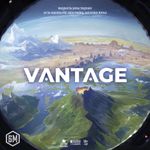
Oh god, I feel like that's even harder. Um, I feel like, okay, so some of my favorites this year have definitely been uh the Lord of the Rings, uh, the Fate of the Fellowship, the like pandemic style Lord of the Rings game. I loved that. Uh, we just recently played Vantage for the first time and that is such a cool game, especially if you like stories and storytelling in games. And have you have you played Have you played Vantage yet?
I have not. I've heard a lot of people talk about playing Vantage, but I haven't played it myself. Yeah, it's a very it's it's very it presents itself as there's a lot of rules, but then when you actually start playing, it's much more of about like the vibes and you're really just kind of like going along, but each player is kind of getting like a vista that they're looking out on and then you basically get to pick like how you want to interact with that vista and every player you can play it solo 2 has been like dropped onto this planet in like a different spot. there was like an ax, a crash, and we all dropped into different places on this planet and you're basically like exploring your small part of it on your turn. And uh you can you can find each other in the world as well. You can find each other in in locations, but then you'll like eventually get quests and and the game can go on and on and on until you decide to complete like certain quests which can then like end your gameplay session.
The interesting thing is it plays like a campaign game, but it is not a campaign. So every time you play, you're playing a fresh game. you don't take anything from one game to the next. However, as you start to explore this world, you start to like learn like what you take from one game to the next is really your uh your knowledge of this world and what is going on in this world. And so it's just like a really unique, very cool experience. Um we also just recently played from um from Ivy Studios. We played uh their new uh we got to play a demo of their new Kickstarter that I think just ended called Honors End, which is also like that is a campaign game that has this like dark medieval fantasy vibe, but it is a deck builder and all and the turns are essentially um simultaneous. So, everybody's kind of doing their their own like playing their cards out like you would in a deck builder, but simultaneously. And then at the end of the turn, you all get together and kind of add up like the points you've gained and different things and the damage and then kind of all bring them together, which I think is really cool because I we like deck builders a lot, but I hate the waiting part where you sit there and just the person's turn they like and then I add one power and then I add one attack and then I add one and then you have to sit there and wait for them to play and it's not very fun. Whereas with this game, everybody's doing it at the same time so there's never any downtime. Uh so we really really liked that. I feel like we got into trick- takingaking games a lot this year and we played like we played the Lord of the Rings trick taking game.
We played like a whole bunch of different trick- taking games too. Like so many that they've all kind of started to bleed into one another. Um but yeah, I think right off the top of my head, those are the things I would say I'm like looking at my wall for inspiration. Uh that I I've also played though. It's not something I discovered this year. year. I think it was something I discovered last year uh was um uh Andromeda's Edge uh which has become like one of my favorite sci-fi games. Maybe probably my favorite sci-fi game of all time. It's just such a cool like space battle exploration like get as many points as you can game. Uh that one I think is from uh from Cardboard Alchemy and that it's just such it's just such an epic grandiose monster of a game but it's so good. So yeah. What about you?
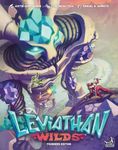
So, I haven't spent enough time gaming this year because I've been too busy like designing myself and I have to like I I need to rebound. Then balance needs to be brought to the force. Uh but I've been playing a ton of This is terrible as a solo gamer. I've been playing a ton of Here I Stand at work. It's like a sixplayer uh card driven historical game where like one of you is the Protestants and one of you is the papacy and you've got like England, France, and the Holy Roman Empire and the Ottomans all in the mix and you're just like playing for hours. It's an hours long game, so whenever I can get that in, I'm very excited. Um, uh, I've been playing a lot of Leviathan Wilds recently because it's easy to get out. I really like it a lot. It's nice.
Um, actually, I finally played Fury of Dracula the day before Halloween last week. Not solo, mind you, because that's not that would not work.
I don't think you can play it solo, right?
I'm teasing.
I was like, I don't think that exists.
No, it does not. Um, no, I'm kidding. But it was it was really fun. Um because I bought that game when I lived in North Carolina and because a mostly solo gamer almost never has a game group, it took me years to finally get it to the table. And so when I did it was like so nice because I finally finally got to play something like good that I had waited on for a long time and needed the opportunity to play. Um and then in the solo world, I've been playing a ton. I always play a ton of Obsession on Borggan Marina. As always,
I've been playing a lot of Insul World.
Oh, I have not played that yet, I don't think.
It's just like a resource engine builder game that is really satisfying, even though the theme is nothing to speak of. Um, uh, and yeah, that's basically what I've been up to recently. But I think I'm going to get back into the Lord of the Rings living card game.
Oh my goodness.
Oh, it's the game that made me a solo gamer. And I thought that my affair with it was done, but no.
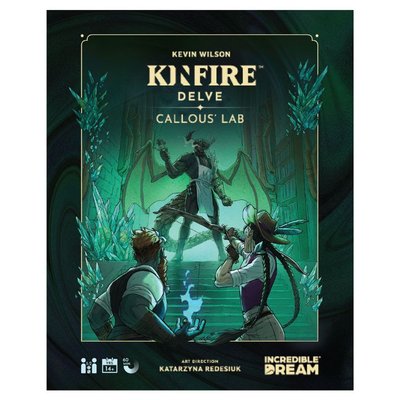
I also like, if you like that, I also really like the um Kinfire Delve series from
Those are so cool.
Yeah, those are really great and they're not, you know, they're like one and done. I mean, you can replay them, which is nice. But they're not, you know, you don't have to buy like a bunch of different boxes to play through them, which is nice. But they're I really like there's three of them and they can like intermix with each other, which is really cool. And I like those a lot. So,
fantastic. All right. Well, I have taken up about an hour of your time, so I will wrap it up here, but I mean, not that it's hard to find you online, but if people want to know where you are, where do you like to be found?
Yeah. Um, I am EasyCat uh everywhere. Tik Tok, Instagram, YouTube, Blue Sky, Threads, all of those places. And that is where I make all of my content in all the places. Obviously, if you want long form, I only do that on YouTube, but everything else pretty much I post almost everywhere. So, yeah.
Beautiful. I'm less prolific but no less terminally online and I can be found anywhere beyond solitire. Uh Jason, thank you so much for coming on. It has been so fun to just get to like chat with you for an hour.
Yeah, thanks for having me. All right, everybody out there, please like, subscribe, comment, ask questions, and most of all, happy gaming and reading.