A Conversation with Nick Murray of Bitewing Games - TCbH Podcast
Games in This Video
2 games are featured in this video — they unlock as you watch.

Transcript
Hello and welcome to the Cardboard Herald podcast. I am Eric joined this week by Nick Murray of Bitewing Games. Uh hello. How are you doing this evening? I'm great. Thanks for having me, Eric. Welcome in. So, we are going to be doing a little bit of a different style podcast than we normally do because we have Nick on. And so, we're going to be doing a little bit of an interview. Uh, which brings me to the introduction, which is this is a a Cardboard Herald interview where we talk with creative gamers and game creators. Um, this is a thing that, uh, Jack has been wanting to do for a bit and I have as well where we get some people who are in the industry to come chat with us.
Uh, and I think that this is a great time because I've just got through playing through Gingham and Gazebo by Bitewing and enjoyed them quite a lot as my review said. Um, so thank you so much for coming on. Yeah, absolutely. I'm glad we could get you some preview copies. It was fun to watch your video and and uh the intro as well. So, yeah, thanks for covering those games. That was awesome. Of course. Um, what have you played this week? That's generally what we start off with on the podcast. And I I'm kind of interested with somebody who has like these games that have just been on Kickstarter. What have you been playing to get your mind off of the Kickstarter? Well, I usually do game nights on Wednesday, but nobody was available. But we were actually going to play um and this I don't do this super often, but we were actually going to play Silos cuz I I got our like final production copy in of Silos from the factory and the other two sci-fi games are supposed to arrive I think Saturday or something. But um yeah, nobody was available. So I did not I have not played any games this week, but I did play games last week. Um it's been kind of busy with the the Kickstarter launching and all that. So, a little harder to get things played.
But, um, yeah, two games we've been enjoying lately, especially with my game groups. One of them being the new version. I've got a I've got show and tell here. The new version of Kaly Malala. So, you've been you've been interested in that for for a bit. I've read the the blog post where you you had that as like most anticipated game. Was it two years in a row? Oh, yeah. That's right. Yeah. I was supposed to the Kickstarter was forever ago, right? Which it happens. Things, you know, take time to wrap up after a Kickstarter and um yeah, it finally arrived a few weeks ago and we we got it to the table pretty quickly with my group. And um it's funny because this is a game that I played like four years ago, the original version of and I at that time I was going over to this is when we first moved to this area in Arizona, which is a major retirement community. If you look at the average age of of my location, it's like 20 years higher than most towns. Um, a lot of people like to come here to retire. So, when we first moved here, it was hard to find people um with similar interests or even a lot of people roughly our age. So, I did find through uh Board Game Geek, I found some some local people who had like on their profiles they had marked they're in the same city as me and I reached out to them and it turns out they're like quite aged. They're they're very retired and uh they get together and play games and I started playing games with these guys and it was a lot of fun. Um, I like
them a lot, but they basically only play like very beige, very euroy, very point saladyy games, you know. So, I was doing that every week for for a few years. This is a very long story to answer your question. I apologize. No, this is great. No, this is this is what this is for. Yeah. So just a a great uh gang of folks that uh they get together like one or two times a week to play games and um but they always broke out the Beige Euros and Kyle Mala definitely fits in that category. At least the original version does. So by then I was like pretty burned out on that type of game and um I got rid of my copy because I actually brought it and showed it to them because I was like this is this is your guys's kind of game. Let's try it out. And then I I called it but it always stuck with me. I was like man it's it's actually a pretty interesting game. I I should really play it more, but I was just tired of that style of game. So, when Alleycat announced an ENO tool version, I'm like, "Yes, this is perfect. This the the chance for me to jump in and and uh really dig into this game again." So, and yeah, it's been a hit with my my group who is I've found more gamers here. Um a a variety of ages now and uh and tastes, which has been good for my uh you know, my my gaming preferences. Um I'm not agist. It's just that the way the game they like to play is is very very narrow that that original group. Um, but they just they hate bright colored games like Wings fan off the table,
you know. They'll they'll try stuff like that. Um, and and they'll enjoy it actually. It's more like the very interactive games like Okay, here's a story. I showed two of them um Quadus actually uh Zuvatus before it was published. They were some of the first people to ever try Zuvatus. And uh it was hilarious because two of the guys who played with me, they didn't negotiate at all. Like they didn't initiate any kind of deals or negotiation. They were playing it like a solitary like I'm going to add a person and then I'm going to add another person and then I'm going to vote myself through. They were playing it like a straight I don't know abstract racing game without any kind of social negotiation. So, I initiated all all the negotiation for that game and made all the deals with them and I ended up just crushing them in points because you're supposed to you're supposed to make deals to to benefit others and yourself.
It sounds like they just didn't you know the didn't quite get it. Uh but, you know, they tried. I love the I think that it's really fun to imagine them just being like, "Okay, but if I can just get one more line here, I can I can jump all the way to the top." No negotiations needed. Yeah, they were a little too focused on like I'm going to help myself only get to the end and not so much on like oh I can actually get points if if we work together, you know. So it was it was rather funny experience with Zuvatus. But um anyways, yeah, new version of Kalya is really fantastic. I think Ian Oul and and the team over at Alleycat did a great job on that game. It's very interactive. The the cool thing about this game is you place your workers between two actions and you get to do both, but your workers stay there as these tiles and other people can come to the same spot and stack on top of yours and then they do the two actions, but then everybody underneath them, they get reactivated. So, they get to do the actions again. Oh, cool. Um, and it becomes this really interactive game of shared incentives where it's like you you try to talk people into like, oh, come to this spot and we'll we'll help each other out and then maybe I'll go to your spot next. And um, stuff like that is a lot of fun. And then basically it's all these little area control mini gamess that are popping off. And um the players dictate the uh the pace at which those score because when a stack between two action spaces gets too tall, then the bottom players worker gets kicked out and it triggers the next um area
control mechanism or the next scoring rather. And so um sometimes you're like, I really want to go to this spot, but I don't want to trigger the scoring next. And uh so now I have to find a different spot to go. And it's great. It's it's been a big hit with my group. And uh we've played it twice, two weeks in a row, which is can be rare for for my my game nights. Sometimes we get a little too um all over the place with our picks. But that's been my my number one game. Um another one just real briefly that I've been playing lately is is Tic Tac Trek. Um this is a also, you know, I didn't even realize this, but this is also from Alycat. It's just going to sound like I'm a fanboy of them, but they put out a couple solid releases lately, but this is from the um from Brett J. Gilbert and uh Trevor Benjamin, that design duo. They've also done Mandala, um Great Planes, Patterns.
They've done a lot of really excellent uh two-player abstract strategy games. I think they're two of the best designers in that category currently working. And so, yeah, they made this really simple, very quick filler, um, inspired by tic-tac-toe where you just take turns drawing a terrain tile from the bag and essentially placing them next to another tile of the matching terrain type. And if I'm the X's and you're the O's, then when I put out tiles, they're X's. And when you put them out, they're O's. And you're trying to get three in a row to score points. And when you get three in a row, you put out a campfire. Um, but your campfires only score points for the empty spaces around them. So, it's like Whoa. Yeah. You only you tee yourself up to uh to make three in a row and then whichever last one you place, you get a campfire there. And then you don't you don't want to go next to that because you're taking away points and you don't want your opponent to go next to that.
But they definitely want to cover up those empty spaces around your campfire because then it just reduces your scoring at the end of the game. Um, so it's it's a deviously simple but surprisingly clever uh game with with some good strategic depth to it. I've I've played it with my wife and with my six-year-old a few times and and like the more I play it, the more I want to keep playing it because I realize like, oh, this would have been a good move to do and and that's that's cool to find in a very small filler game. So yeah, I that that sounds like a really interesting concept. I mean, I that just sounds like a really interesting trying to because you have to make the lines, but you can't get you want to get that line as far away from everybody else as possible. Uh, which I'm intrigued. I am intrigued by that uh by that. Um, and it's funny that it's called Tic Tac Trek, uh, which is now no longer near what Bombastic's title is.
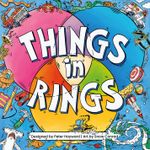
Yeah, it's weird. There's like this renaissance of of tic-tac-toe games going on lately. Um I've seen other stuff that like the Dice Towers cover too, but um yeah, it's okay. It's it's a very different feeling game from ours, so I'm not like ah shoot, they beat us to the market, but um no, really really great little game. Um the thing I like about Brett and and Trevor's design style is they they are all about making games as like pure and simple and intuitive as possible. just like cutting out all the rules and just leaving this very clean but like layered uh strategic game. And um yeah, it's when when you start playing this eventually you start counting like how many terrain tiles of this type are left. Okay, that informs you I should probably go here instead of here. And I don't know, you you just start the more you play it, the more you you realize there's there's good moves to be made, which is nice. The strategy develops over time. Um, rad. I So, and I've obviously been playing Gazebo and Gingham. Uh, I've been getting quite a lot of plays of those. Um, especially with We just had a friend visit town who this is like the exact uh like complexity level that she's in for, which is like simple to play, but then just has depth. Uh, we also got some harmonies played. And then we got things in rings played, which Oh, yeah. is from All Play, which that was my first time playing it since I played it once at PAX Unplugged and just did so
awfully. Like I just I I was playing with like four or five other people and just was had no clue what was going on the entire time. So, it was good to play it again. It was much It was much better now that I feel like I actually get the rules. Uh or not necessarily the rules, but just like what what the outcomes could possibly be. Yeah, I I really like Things in Rings. It's a It's an interesting party game. But it's funny because I've I've seen both ends. It seems like people either love it or they're just like deer in the headlights just completely over their head. They're like, I have no clue what's going on. So, there are people in my group who like I showed it to and and maybe I I threw them a little bit too far into the deep end as far as the clue cards go because the the the rules of each ring, you know, they have varying levels of difficulty as far as, you know, how hard are they to deduce, right? And um I think if you throw people too far in the deep end where they can't figure out what the rules could possibly be, then they're just clueless the whole game.
And now those people don't ever want to play Things and Rings with me again. But I I think it's a hoot. I think it's a really good party game and and uh I love the Dr. Seuss art style to it. Yeah, I mean to me that's that is one of the biggest selling points is they just they nailed the art style. Like everything feels so cohesive and just funny and silly. Uh I got the uh I got the um like pop culture expansion pack thing. So just seeing all the like Jigsaw doll in the Dr. art style. Cool. I'm here for it. So good. Um it's it's been rad. Um but why we brought you on Gazebo and Gingham. I've been playing those a lot. Uh I posted the review for them. Uh the Kickstarter launched this week and uh me as as well as I'm sure the viewers are kind of just interested in especially from your end.
what goes into getting this Kickstarter put together? Uh, and also with these games specifically, what were your roles in developing the games from start to launch of the Kickstarter now? Sure. Yeah, I mean, this project started out over a year ago at this point. Um, it was actually pretty quick turnaround on our end. I'd say most projects take us like a year and a half to two years from from when we sign them to to when you know they're on Kickstarter. Um and and a lot of that's like waiting for the artist to be available and then them doing the artwork for several months and then getting the the preview copies ready and such. But um this one in particular started with Gingham actually. That was the first game that we signed for this project. And at the time, um, you know, I had actually played it quite a bit with Robert before then. Um, Robert kind of came onto the scene with our jazz collection because he we signed Bbop and Shuffle and Swing with him. Um, and he really came onto our radar because we we do a lot with Rener Kitia obviously. Um, we like we like that style of like um interactive strategy game on a shared board um with not too complex of rules. And it turns out that Robert does a very similar style of of design and and uh that's a good fit for our audience that we've built up. Um but
uh yeah, so Robert um he he involves us pretty heavily with any new g game that he's designing, even if it's not something that we're planning to sign or it's not our type of game. Like we we've become good friends with him and uh when he was working on Gingham early on, we all thought it had like a really interesting cool concept, but it never really quite was there as far as like, oh, this game is a banger every time. I absolutely love it. But then he kept working on it for several more months and he pitched it to a couple other publishers. But then I think at one point he came up with the final couple rules for the game. I think it was the chocolate board ability and those those things and then um how the scoring works out and and kind of the objective. When those all came together and I tried it again a few months later, it was like, "Oh, this game is awesome." Um it it was instantly one that was like, "Shoot, I want to sign this." you know, I don't want some other publisher to to take this one. So, we signed that and then we we initially figured like, oh, we'll probably just launch it in 2025 with uh maybe with another game. It'll probably be in a a Spectral sized box, you know, which which it still is pretty much a spectral sized box, the the compact, but um yeah, that that was basically where we left off with that. There was no really concept of the travel line. But what happened was after the um after the Jazz Kickstarter happened um which I I'm really proud of those games. I think they're really fantastic. But it was just interesting to observe like okay
this is our most expensive Kickstarter yet. This is before the the Cosmic Trilogy that we did later in the year and and uh they're bigger boxes. They're more expensive games. They're more complex games. Um and that that Kickstarter didn't do quite as well. It it did fine. and it was plenty successful. But, um, you know, after seeing how that Kickstarter played out, I really got the impression we should we should try to focus more on, uh, more compact, like simpler, easier, and definitely more affordable games. And then kind of a more consistent or stronger brand or line of games just to establish a little bit of a stronger identity for for people who enjoy our types of games. cuz up to that point we've just been like all over the place.
It's like spectral deduction game and like Zuatus negotiation and like casual card games with the criminal caper stuff we did initially. And um from a from a um publisher standpoint, it's a lot of fun to do a wide variety because it never gets never gets boring. It's like the next project is something totally different from the last and and um yeah, it keeps you on your toes, right? But um from a business standpoint, from a branding standpoint, it's it's a little bit harder for your audience to like have something consistent to grasp onto or to uh understand like what what is a bite-wing game, right? And um so then that's that's where we kind of took a step back and looked at like, okay, um there are there are other companies who have like really strong lines or brands of games. What's something that we can do that's unique but and but also bite-wing? and we looked at the Trailblazers uh line of games and that kind of provided some inspiration. So, if you're familiar with Trailblazers, we've we published it a few years ago and it's it's still been in print. It's been doing really well for us, but we have five different editions that we put out over the years. um which gets a little confusing, but um what we found was one of the most popular versions was kind of right in the middle between like really tiny cheap game and really big deluxe box. And that is the the Trailblazers Travel Edition here. Yeah. Um, so this is when I think of Trailblazers, that's the one I think of just because that's the one that Jack introduced me to. And
this is when we were both living in Alaska and I just I saw that and just was so into the concept of of the game as well as like, oh, I can take this on a hike so easily. Uh, yeah. Yeah. I think that's that to me that makes sense that that's the the one that has has done well especially for that that game the branding of it just works really well with that form factor. Yeah, it was kind of it all came together really nicely for us because it's like the the carabiner the clamshell case and carabiner clipped onto a hiking backpack and then just showing like it's a very visual easy to to grasp game. It's like yeah it's a route building game. you're building trails that people hike or kayak on or whatever. And um yeah, this one this is I call this our unicorn Kickstarter project because we went from like um how many was it? 500 we went from about 500 backers in our very first project ever.
That was the Criminal Capers like casual Kinesia card game collection. That's a lot of aliteration. Um but um we went from that uh with 500 backers to our second project was Trailblazers with 5,000 backers. And we've never had that many backers in a project since. And what's funny is like if you go to Board Gamegeeek, we have other games um that have released since Trailblazers that still have more ratings and more people who market as owned than Trailblazers. And to me that that indicates like this particular game reached an audience outside of Board Game Geek. And I think it was just the simple like very clear picture of like it's a hiking game that you can take hiking. And obviously nobody's really, you know, setting this up along the trail or or on top a mountain to play. Although a couple Instagrammers have, I shouldn't say nobody, but um usually you're playing it on a table because it really needs a table to be played. um or a large flat surface and uh but the message was uh was very strong with that and um the the case was very unique and so that was kind of us looking at okay what kind of line should we start and that's that's when I realized you know maybe a travel line would be the way to go and you know it doesn't just have to be a super small case and carabiner we can we can do different sizes what if we did like a medium-sized game in a very compact box
and that's where we realized like oh gingham would be a good fit but it would be nice to like really kick off this line with a couple games and then that's where um Chin Rener Kinesius Chin came in as an idea um which I'll show you real quick. Um this was a game that um up to this point any old Kinesi game that we've dug up and brought back with him is is a game that we that I already loved. Um, I've I've played over 200 of his games now. And so I found a lot of hidden gems that just either either the publisher didn't have a wide reach or there were there were problems with the production or the game that just kept it from being even more successful. And so kind of finding those hidden gems has become one of our our talents at Bitewing Games, I suppose. But what's interesting about Chin is I played this and I was just like, eh, it's fine. I mean, my biggest complaint, and you can go back and look at my blog post about it, was like it's such a large, this is a big box game that provides a very filler, you know, 30 minutes lighter tactical type of experience. So, it sets the expectation of like this is a huge strategy game. And then it it feels like a totally different game when you actually get it to the table. And that's where we realized like, you know, there's not very many components in this game and they're all just humongous.
like the dominoes are just big old chunky boys. And uh so it's like we we can trim this down and fit it into something much smaller. And then that's that's where the travel line really kind of started to to come together was like, okay, what if what if it's this size instead of this size? Right. There we go. I think this is a great size for it. So yeah, I mean the dominoes are much smaller. The map's much smaller, but when you're playing it, it doesn't feel too small, right? It's kind of No, it it feels right. Like it does feel I I haven't played Chin, so I guess I don't have the exact frame of reference there, but this this feels right. Like this feels exactly like the level of game the level of gameplay I'm getting matches the box. And also it doesn't feel like it has been like you've you've done a tradeoff to make the game smaller. Uh, and I also quite love the There are some games out there that just have like boxes that are way too big for what they are. There's no need. I mean, Jack and I have talked previously on this podcast about Splendor being like a bad offender with this and like we love that game. We're we're a fan of Splendor, but it is just there's no need. There's no need. But, uh, I agree. I think gazebo feels like a really good it first of all feels great to play. The dominoes are really nice. Uh and
it's the actual tactile feeling of playing on the cloth map is really fun. Uh, and I agree that this doesn't feel like you've you've reduced the size of it to a point that it is like I feel in a in a good spot from the giant box of chin and you're still getting the full gameplay experience from from what you're saying at least. Yeah. And and um so yeah, I'm glad we were able to kind of figure out the sizing thing, but it wasn't just like, oh, this would be a good portable game. It was like, "Well, I think this game is okay, but I really wish it would be amazing, you know, or like much better." So, like we do with our other Crown Jewel games, um, I went to Reiner with a full analysis and I I gave him a rundown. Basically, what I do is I go on Board GameGeeek. I look at all the comments, all the reviews, all the forums, and assemble this analysis of like, here are the strengths of the game, here are the weaknesses, and here are some ideas for how we think we can improve upon this, and here's what we suggest you do with development. And um the the main complaints people had with Chin were like, it's a little too swingy. All the dominoes are mixed together, the single color and the double color, and uh one is much more powerful than the other. So, if you draw way more of one, then you have a huge advantage. And um so he he addressed that with a really uh I thought was a very clever solution because it makes it strategic instead of lucky. And then the other thing was there were four maps originally for Chin. Two of them being an expansion that I noticed a lot of
Kinesisia fans really wanted to find these maps. They they love the variety of the maps. But what's interesting about the Chin maps is it's just a different arrangement of like starting spaces and obstacles. And so it feels a little different, but it doesn't feel incredibly different from one map to the next. And um so what I encouraged Rander to do there was like, hey, why don't we introduce like new gameplay mechanisms with each map and make them really feel like different and interesting and fun to to jump around between and then introduce maybe even more interaction with some and maybe more uh combos with another and things like that. So, um, like Riner often does, he he took our analysis and our feedback and he ran with it and he came back with a game that that is, uh, much more fun in my opinion or at least for my taste. Like I really really love playing Gazebo and um, yeah, I'm really happy with everything he did there. So that was essentially, you know, how these games came to life. And then the last thing, you know, that brought it together really was was hiring Alicia JRO, uh, who did Cat Blues, The Big Gig for us.
She is an illustrator and a graphic designer. So, she just seemed like a really good fit for this whole travel line. She's done a lot of, if you look at her website, she's done a lot of outdoorsy stuff. She's done bookmarks and stickers with a lot of like wildlife and nature type stuff on it. And the travel line has a very outdoorsy vibe to it. So, um, she she ended up being a great fit. She she did the the travel cases, the games, the illustrations, the graphic design, the rule books, everything. And um she did a really killer job. So I'm happy we we went with her there. Yeah, totally. Um and kind of just speaking on Reinharditia, Bitewing clearly has like a really good relationship with him between like, you know, Cascadero and Cascadero, the Mythos line, the crown jewel selection. I I I guess I'm How did How did that happen? Because he is like he's been doing this for so long in like such a prolific designer to to then like with Bitewing, which is definitely a smaller designer at the or a smaller publisher, especially when you first uh got working with him. Um how did that all happen and how have you been able to like keep that relationship going? Yeah, it was funny. You know, when we first started, I had a couple of my own designs that we thought, "Yeah, these are strong enough and it'd be fun to kind of just publish, self-publish these games, but nobody knows who we are. Nobody trusts our games and or is going to be excited about what we're putting out because they just have no
clue what to expect from us." And so that's that's where we I originally just emailed Rhino Kiti out of the blue. Luckily, he's he's pretty unique compared to most game designers. Most designers will make maybe a a small handful of designs per year or less. And then they're going to try to pitch them to the very best fit. Or if they're established to publishers that they they enjoy working with. Um if you're making less games, you don't want to give your babies to no-name dentists who have never published a board game in their life, you know. But um that's basically what I did with Riners. I reached out to him and said, "Hey, we're two dentists. We're looking to start a publishing company and we love your style of game. do you have some small card games we could potentially look at and see if any uh might be a good fit for us to publish? And um of course Reiner, he has over 800 published games and plenty more that have never been published. Okay. So um and then a lot of those published games have been out of print for years or decades. So he has plenty to show to anyone who uh goes to him and asks. Um, what's funny is I found out later listening to a podcast interview he did around that same time was like and I figured out the timing the week before I emailed him. He went to this new to him dentist in Germany which he ended up talking about on this podcast and saying like oh this dentist really impressed me and I asked I asked him how are you so relaxed and uh you know most doctors I see are in such a rush and I don't know whatever this this dentist just left a
really good impression on him and then next thing you know you know two dentists want to work with him so I feel I feel blessed in that way as far as the timing goes you know but um maybe that that uh gave us a good initial impression. But um Did you ever find out who that dentist was to send like a thank you card? I should send him our games or something. Yeah, that would be that's like be like a fun compensation. That's very helpful to have gotten like a really good foot in the door through a obscure way. Yeah, it's a it's a really weird story, but um I think what what really has has helped is is um Riner found me what for whatever reason to be rather professional with with the way that we like presented our ideas to him and met with him and and communicated with him and stuff and so um that left a good impression and then the games went well.
But really, I think the big thing is like because I've played over 200 kinesi games at this point, I kind of understand what his what his intention is with the design and, you know, what his target audience is and what he's trying to do with a game and where are the uh where are the the points that he's trying to nourish and and really like bring out in an experience. And so when I make suggestions to him of like, hey, we should try this. uh usually he's on board with addressing those those issues or those ideas and taking them and running with them. So, you know, we've we've really kind of found a really good collaborative niche where, you know, especially with these older games, but I do it with new games he pitches to us, too, of just like playing them, evaluating them, and then giving him feedback based on what people are saying or what we think people will say and then ending up with an even better result. And so, um, yeah, I mean, we love his style of game and he's he's still putting up with us. So, here we are publishing another Cania game. So, yeah, I mean, clearly it's working. I think everybody everybody in the board game industry is uh uh benefiting from from this relationship. Uh, so thank you for being a dentist and that other guy for also being a dentist uh who sent him your way. Um, and So Gazebo and Gingham are on Kickstarter now. You've already passed you passed the goal in like an hour, something like that. Less than something around there.
So that yeah, from the outside that looks really great. Um I was wondering if if you could talk about from the back end of setting up this Kickstarter, what work went into setting this project up for a success? And also at this point, do you do you already consider the Kickstarter successful or are you looking for is there like a number that you would really enjoy hitting uh and that would be like the cut off of okay now this now now all of this work has been uh has been worth well clearly the work has probably already been worth it because the games are are really great but for the Kickstarter portion of it yeah I mean there's there's different tiers of success Right. I think um you know say our our funding goal was 15,000. Um say we made 15,000 and1 um that would be considered you know it was a funding success right? Um, the hard thing about only raising that amount is we would be we would be using funds that we've we've made from from retail sales, like kind of our spare cash funds that we have in the business to to hit the minimum order quantity with with that and the 15,000 that we raised. And then we would be printing the bare minimum of games, like just enough to meet demand and then maybe a few spares for retail afterwards. Um whereas, you know, our goal with any Kickstarter is not just to
to make it a oneanddone and move on to the next games. We want we want these games to to thrive and and uh continue finding an audience for years. And uh part of that is like printing with the first print run printing a lot of extra copies um that we can bring to our web store afterwards that we can bring to Amazon that we can bring to retailers uh worldwide so that they can you know other people can find the games later as well especially as reviews come out and people start talking about the games or somebody plays it with their friends and then they want to pick up a copy that kind of thing. So, um, you know, right now we're we're at around 70 to 80,000, I think, which is great. You know, that that just lets us uh increase our our print run size um beyond the uh the backer count that we need to to fulfill, right? And um I think generally for us over at Bitewing, if we're if we're going past like 140 150,000, then that's that's a really good success for us because we can print um usually twice as many games, sometimes two and a half times or if we're feeling really ambitious, like three times as many games as we need for the Kickstarter. Um and then those are meant for for after fulfillment sales, right? Um, so yeah, no, I'm feeling really good about where where this campaign is at. It's headed in the right direction. I mean, honestly, it was hard to it was hard to know for sure how
things were going to look for this particular campaign because there's a lot of comments online of of people who are saying, "I'm not backing any Kickstarters right now because of tariffs and all that." And I I I understand that there's there's a lot of fear as far as like, will these will these games even be made and delivered? um you know what's going to change with tariffs or with you know the relationship between China and the US between now and when fulfillment happens and are my games even going to make it to me or is it going to be way more expensive? I get all that. Um so people are being more conservative. So you know I I figured you know from a marketing standpoint like this is a really strong um Kickstarter for us but from an economic situation standpoint it's not it's not ideal. So, I'm really happy with where we're at right now. Honestly, it's it's actually as far as the number of backers we have, it's on par with our last Kickstarter, um the the Cosmic Silos trilogy currently. And um I'm sure it would have been better if tariffs weren't a thing, but um we'll take it, you know. Um but yeah. Yeah. But as far as like what goes into prepping this, I mean the big thing for this campaign was was um getting the message across that these are very portable, very easy to pack around and take wherever type games. Um and some people I think take it a little too far where they're like, I can't play this on a cliff side.
Things are going to blow off or like you know, stuff like that and or I can't play this in my tent, you know. Um, but you know, the the real intention of our travel line for most of the games is that you can just easily toss it in a bag or clip it onto a bag and it it takes up very little space. You don't have to worry about the box or the components getting thrashed in your suitcase or whatever. Um, it's very carefree and then you bust that out and you you set it up, you teach it and play it all in like 30 minutes and then it's packed up and you're done. And so it's just very very easy to get to the table with a wide variety of of gamers. And um I think a huge part of communicating that is just the the photos and the videos that Kyle has done. He's the other um co-founder of Bitewing Games.
Um and he's very good with photography and videography and editing and stuff. So um just communicating like exaggerating a little bit, right? like putting laying out the games on the grass like a picnic almost and then taking a photo just to communicate that message of like yeah these these are portable games and they're they're outdoor travel themed and um I think one picture or one video can communicate a lot uh better than what I can say in text in the uh in the description of the campaign page or whatever. So yeah, totally. Um, I think I think, you know, he did a really excellent job setting that up and uh really just showcasing the excellent artwork and the cool gameplay that our creators have have provided here. So, yeah, totally. I mean, I think that I I think these games kind of nail that niche where I'm I can throw this in a suitcase and and not have any any concerns. Uh, I have definitely brought games home for for me that I'm like, you know, I think my family might like this and then it's just been box has been dinged and dented. So, uh, yeah, rad help. Uh, enjoy it. And I think that the the Kickstarter just does so much for like even just this first still of the two games on like a picnic blanket or like with a picnic basket uh just gives such a nice uh like focused this is what these games are for.
Uh so I I can tell clearly a lot of work has gone into it. Uh, and I'm happy that despite the tariffs, this seems to be going well. Um, which I feel like is a really good segue into uh, you made what I think is like a really great post um, about tariffs and kind of what they're going to do for board game publishers. and I'll I'll link to it in our video description just cuz I think that pretty much anybody interested in the board game industry should take a look at it. I know that there's been there's been a ton of different discourse going into it. Uh, but I think this does like a really nice job of both showing different ways that publishers have to approach these issues uh with again we just have to kind of approach them at the moment as if this is where the tariffs are going to be because we can't really uh prepare for how quickly they're changing. So given the numbers we have um how how are publishers going to approach it? I think that I would be interested in clearly there's a lot of reasons why you could have have made the thought of this is this is something that I just need to put out there. Um but what made you what sparked you to write that post?
Yeah, there was there was a lot of hysteria that week that particular week. Yes. Going on. Understandably so. I mean, I'm I'm if if you talk to any publishers or myself, it's like ever since this started, our for a lot of us, our anxiety and our depression and like, you know, all those emotions kind of gone through the roof and been like a a major roller coaster um that that hasn't felt like it's led up for a long time now. um because it's it's just uh very impactful to the board game industry and to to people who work in it as well. But um yeah, what happened was that particular week um there was this new White House post it and it was it was like a fact sheet that went up um late one night and I saw it that night and I thought it was I I believed the uh the rumor that quickly spread from it as well until I I saw somebody comment on it somewhere on Reddit I think and realized oh actually this isn't true.
But basically the fact sheet says that that tariffs on China will be up to 245%. And um at the time it was only 145. So I saw that and I was like, "Oh geez." Like the cost just went went the tariff cost just went and almost doubled again on us. And like so what I realized was they were saying up to about syringes and needles in particular which which had a tariff on them before this whole tariff war started before this year even. There was a 100% tariff on syringes and needles from from China for whatever reason. Um, I feel like I should know that because I'm also a dentist, you know, in the medical field and I use those things, but I don't know why. But, um, yeah. So, the up to 245, everybody saw that and thought like, oh, everything's 245% now. And then, um, I wake up the next morning and uh, knowing now that, okay, it's still 145 for most goods, including board games. But then I see on the the board game subreddit um there's a post with like 4,000 upvotes saying um tariffs are now 245%. And uh understandably everybody commenting in that subreddit is like okay well the board game industry is dead. Um that's the end. And that this is like a bad you know as somebody who is uh less than a week away from launching a board game on Kickstarter.
this is a really bad rumor and a very bad mood and vibe to to have spread around the entire industry. And uh I realized, you know, I can definitely do something about this. I post a lot on Reddit with um whether it's just impressions of board games or or like top 10 list or whatever. And so people who are regular on there kind of know me. Um, and so that day I was working all day at the dental office, but between seeing patients, I was typing up this post. Uh, mostly to clear up that rumor, but also to like really give people a bigger picture. Um, because there's also we're we're seeing companies who that are going under, they're going bankrupt, we're seeing companies that are laying off all their employees. And if you're seeing all of that and the 245 number, you're just thinking like this is the end. like board games as we know it are dead or at least new releases. We still have, you know, these aren't going to erupt in flames thankfully and we still have plenty of games to enjoy. They're working on that though. Yeah, they'll find a way. Um but um yeah, all that all that going on and I figured, you know what, I've I've talked to a lot of publishers. I've seen a lot of discussions. I've seen a lot of news and I feel like I can give kind of a comprehensive overview that really paints a better picture of of where the whole industry is at and um maybe will hopefully calm some people down in regards to like hey crowdfunding is still for a lot of publishers the best option because they're selling direct to customers. Um, and you know, it's still
viable to navigate um, a publishing company and and crowdfunding and making board games even with these tariffs because it's only happening in the US and, you know, anywhere else that we send a game, we're not getting tariffed into oblivion. So, you know, and and there's plenty of gamers outside the US. So, things like that. And then, uh, likewise, if you make cheaper games, then the tariff effect is reduced, right? It's it's all kind of scales downward. And uh so for us with thing with something like Gingham and Gazebo, these games aren't super expensive to produce. And then on top of that, our um our factory can split the invoice and they can charge us for their services which don't get tariffed and they can charge us for the goods which do get tariffed. And so you take a relatively cheap game and then you split the invoice and and then you're only sending in our case about 40% of the games we make into the US and the tariff burden is not nearly as bad as 100% of our games at full price or or whatever, right? Yeah. Um so you know just just showing people like hey it's not the end of the world for for us backers who back our games. Worst case scenario we're going to have to charge you a few dollars extra per game. But our shipping rate is already $4 flat rate in the US, which is better than unless unless somebody's offering free shipping. Most Kickstarter projects shipping to the US are charging like 12 to $20 or even more for shipping, right?
So, it's like, okay, worst case scenario, we might charge you the industry average of shipping just to cover tariffs in the US. And um I feel like that's that's manageable from a backer standpoint and it really helps us out from a publisher standpoint because when when you multiply say eight or $10 by you know 2,000 backers like that adds up pretty quickly, right? Yeah, definitely. Yeah, it's um it's doable, but it it's not ideal obviously. How much for Bitewing? How much? So 40% comes to the United States on average roughly. Uh yeah, I what's what's the biggest uh market outside of the US for y'all? Um the second biggest one goes to a a warehouse in Germany who distributes and fulfills our backers, but then distributes to retail throughout Europe for us. Gotcha. Um but more recently, it's been interesting because Allplay has has you know, they're they're our partner. They're they do fulfillment and warehousing and and customer service and things like that for us. and they've grown really rapidly bringing on more partners beyond Bitewing Games. And um they've done an excellent job like setting themselves up as their own distributor with um with these kind of regional fulfillment partners and with retailers and such. So, um yeah, we've more recently we've had like um a distributor in Germany ordering like 500 copies of a game um from for our latest print run kind of thing, which if you're
only printing like 3,000 games or 6,000 games, like that's a that's a sizable chunk of the games you just printed are immediately sold into distribution in Europe. Um which is awesome. Like that's that's really helpful for us. So, yeah, Europe is a huge market. Um, and then the UK and Australia and Canada are probably the the other three big ones. And then, you know, it gets smaller from there, like Asia and Africa and things like that. But, yeah, totally. Um, back back to the post, I just think especially Bitewing Games being uh the size that you are in the industry and where like the the proven track record y'all have. Um, I think the post was really enlightening both on why some companies are going to struggle more than others and also what levers uh all the different publishers have.
Um, with all of the uh factors you talked about in your post, what what do you see the board game industry looking like a year from now from like a publishers's point of view? Yeah, it's interesting because the board game industry, it takes a long time to pivot, right? Um, compared to other industries because because of all those things we talked about just getting this campaign, bringing this campaign to life, right? Like there's the artwork, there's the the development and the design work and then planning out the project and then um making samples and then mass-producing. So, um it seems like publishers are definitely gravitating towards less games for one thing. Um and trying to instead of investing in new games, they're going to try to reprint or support their their strongest titles. Um just because it's it's less risky, right, to to keep supporting a popular game with expansions or spin-offs or whatever. um which I think is is a little bit unfortunate from like a creative and and uh variety standpoint, right? Uh but it is what it is, you know. Um and then also smaller and cheaper games for sure because like I said, the tariff impact is is uh significantly less if you're making a a game that costs $3 to manufacture versus a game that costs $10 to manufacture, right? Um, so I think you're going to see a lot less of those, um, big box, even like $50, $60 games,
which aren't huge box games, but, you know, medium or or heavy heavyweight games. I think you'll see less of those. Um, and then outside of that, yeah, just publishers taking less risks and then trying to increase their direct sales, which is unfortunate for retailers and distributors, and then trying to um reach uh grow their markets outside of the US, right? Just um yeah, kind of grow their sales in ways where the tariffs aren't hitting them. Um, so but on the plus side, I think, and I've already seen some some evidence of this, I think, um, manufacturers, especially ones that are set up in China, are going to be looking for ways to reduce that burden on their partners, on their their publishers. Yeah. And there are some some factories saying like, oh, we do have the capability to produce in Vietnam, although it's it's very limited still. there's there's, you know, certain equipment or types of components like especially plastic that you really can't make very well outside of um China. But the nice thing is at some point like if you print the uh the very needy components in China and then you ship them to another factory outside of China and then that factory does the easier stuff like the box, the rule book, the assembly. Yeah. then you can actually put on that box made in you know not China basically. Yeah. Um there
I I don't know where exactly the the the line is when you've crossed from made in China to made in somewhere else but I think some factories are going to try to just cross that line just barely. Um so that way they're getting tariffed on that country's rates instead of China's rates. But that's going to take longer to to set up. you know, they, you know, I don't think anyone's going to be able to build a factory out of thin air in in uh even in like a a couple years and by then who knows what the tariff policy, right? And I mean, I think that's the thing that I've been more confused by, which is just like to build the factory needed to to do this like without having any any leeway of like knowing that this is going to happen. It's like to get just the foundation to build the building is like two years until that is done and set because you have to go figure out where you're building the factory, buy the land, and it's just it's it's going to take a while for the board game industry to pivot. I think that's a great way of putting it.
Um I I think it's Yeah, I don't know. We're we're in a weird spot right now. Yeah. I mean, if if new factories are built outside of China, it's not going to be the US. No chance. Because it's just too expensive. Like, by the time somebody invests in all of that, the tariff policy will likely be gone. And then you've wasted all your money because now it's still much cheaper to produce anywhere else. Like even right now with these tariffs, it's still cheaper to make games in China than it is almost anywhere else. Yeah. It just the problem is it just really hurts the the current you know distribution and pricing model and and uh all of that. So that's why uh publishers are kind of in a panic at the moment. Yeah. And I mean also just China has had such a long leeway of making themselves the industry standard for manufacturing. And it there's just nowhere else that has the workers who are trained to do this kind of thing as to the highest quality that China has been able to do it. And that is that's going to be an issue kind of no matter where the the manufacturing happens. Um yeah, so but yeah, kind kind of going back to your question, a year from now, I think we'll definitely be in a better place than we are now just because um you know, people will have time to adjust and and kind of work around this issue even if it doesn't go away. I think it will go down. You know, if you
look at even from this week, the the rumblings, um, it it sounds like the CEOs of like Walmart and Target and those stores have actually met with the White House and told them like, "Hey, our shelves are going to be empty soon and like our supply chains are going to implode." Um, and then there's going to be a lot of unhappy people and a lot of, you know, very common necessities that are going to be out of stock because they rely on China. And um this is going to really like really hurt our economy in a lot of ways. So, and I don't think and it's not a popular policy that we have in place right now. And I I just don't see this lasting forever. I think at some point it's going to have to calm down at least a bit. So yeah, a year from now, I think we'll definitely be in a better place and the industry in general will be uh better equipped and and kind of uh less reliant on on uh the current situation and and so yeah, that's that's where I think we'll be in a year. Cool. Thanks for your thoughts. I appreciate those.
Um, looking at the outlook, um, Stonem Games announced recently that they're they've joined a lawsuit to sue the current administration, the executive branch. Uh, the details on it aren't like out or anything, so I can't tell you I can't tell you or the audience what's going on with it. But I guess from a publishers's point of view, is is that like to me to me from the outside that just seems like such a bombshell to drop of this this seems like a very firm foot in the ground. We are drawing the line stance. Um, is it that crazy uh from your point of view?
I mean, I I think the way he the way Jamie worded it definitely got him a lot more um clicks and views of saying like I am suing the president, right? And then from the sound of it, from the sound of it, a lot of people took that personally, those who really support the president. And but I think more generally what's actually going on is there's there's a um kind of a mass lawsuit where this this firm has uh brought on a lot of clients saying like hey have you been affected you know your supply chain or your your business been affected by these you know out of thin air tariffs and been harmed by these policies and then anybody who who qualifies for that you know and reaches out to the law firm it's like okay we're going to add you as one of the many clients who are part of this mass lawsuit uh at the the government in general. Um so I I like it. I mean if if there's a chance for for justice to recoup some of our losses, then then I'm all about that. I actually I read that post the same day Jamie um shared it and he said in his post like, "Hey, any publishers who are also affected, feel free to email me and I'll connect you with the uh the lawsuit." So, I actually did email Jamie and he gave me their contact info and I emailed them right away, but um I don't know, it was weird.
So, I didn't hear from them initially and so I emailed them again and then it was like, "Oh, I'm out of office for a few days. Sorry." And then I just barely heard back from them. Um and they're like, "Oh, today was actually the day that we were finalizing it, so it's too late now." And I'm like, "All right, guess I'm not guess I'm not joining the uh the battalion." But um no I I think as a general principle like yeah if you look at how these tariffs were imp implemented it was very reckless and damaging for small businesses because it just came out of nowhere. There was no warning there was no lead time of like okay in a year or you know we're going to start slowly ramping this up. Nobody had time to adjust and it's like a year ago publishers were planning out you know what are we going to print? How much are we going to print? How much are we going to invest? and now all their stock is sitting over in China waiting to be tariffed into oblivion. So it's like you can't undo that. Um and all all your uh your cash flow is tied up in that stock, right? So it's like you were expecting those games to start selling soon and then you'd have that cash to keep the business running. Well, now you don't have that unless unless you ship it over and then and then you pay that huge fee or you leave it there and you hope things change so you can't ship it over. It's um that's why you're seeing layoffs and that's why I'm paying myself like less than $5 an hour to be an employee of Bitewing Games right now just cuz we're we're trying to keep our cash as as available as possible to help
run the business and to potentially cover these tariff fees um so we can just survive, you know. So, um, yeah, I think it's I think it makes perfect sense that that a lawsuit's happening because it it's only damaging right now small businesses and then all of the industries and and kind of businesses that rely on those businesses. So, it's it has a ripple effect. Totally. Um, yeah. And I just it's hard to make any plans based based around it because it is already it's all over the place and it's maybe being done in a way that uh is detrimental to like everybody involved. So n you know it's it's tough. Um with so you are paying yourself less than $5 an hour. Uh, what does your dayto-day as a board game publisher look like with that $5 per hour uh, you know, paper? Oh man, it's a depressing Yeah, I feel like I'm a slave to the government right now because they're like when when you think about it um, you know, our business is just two employees, but we're also the owners. So, it's like, yeah, um, everything that that the business earns goes into our expenses and our future investments, and we save some aside for emergencies like this.
And then whatever little is left over, it's like, okay, we're going to split this up and pay ourselves. And so the first thing to go when we get hit with something big like this is our own salaries. And um so yeah, that's a bummer. But luckily, I really love board games. Um and like I got into this not because of the uh the huge financial prospect of becoming the next Hasbro or anything like that. um which is a you know most publishers the margins are thin uh or designers you're you're not you're not making the big bucks unless you make the next magic or the next code names or whatever basically. Um, but I got into this because I love board games and I love I love helping to bring some of my favorite games that I discover to life in a way that that I think is is um, you know, awesome with with with artists that I love or with art styles that that appeal to me and then and then sharing that with other people. So um, you know, there's still definitely that inherent reward of of bringing games to life. But um I do you know Bwing has grown so much that this is for me a 40hour a week or more job outside of my regular day job which is currently only 20 hours fortunately of dentistry and like so you know things aren't dire with my family. I I have the money I need to to pay the bills and stuff but um yeah I mean it's it's still we're still having a fun time. I've I've talked to a couple artists and stuff that I've that I was about to hire or have been working with recently and they're like, "You're still
going? Are we still doing this project?" I'm like, "Yeah, we're full speed ahead. Let's go." You know, because I I think they've seen other publishers be like, "Yeah, we've canceled this game or, you know, we're not going to we're going to delay this for months or whatever." Um, but on our end, like we're still definitely able to operate and um, you know, we're here to make excellent games and and um, that's that's what that's what I love most about being a publisher and then sharing that with other people. And luckily, we have enough funding to keep that in motion even if we're not necessarily uh, rewarding ourselves for all the work that we do. Well, the the board game community is being rewarded uh for all of your hard work. Uh so there's also that you get the joy of of smiling faces as people receive Gazebo and Gingham as their Christmas presents.
Yes. All those videos. excited. Um, you kind of to tie it all together, uh, in your post mentioned like doing direct to consumer has kind of been, to my knowledge, Bitewing's only distribution model for for at least initially where you're uh, starting off with a Kickstarter, but then in a blog post recently, you talked about Bombastic, First of all, I want to say I am I I like the concept of this game quite a lot having not played it, but just the the uh juxaposition of it's tic-tac-toe, but also Nana, which Nana has become Jack brought it home from PAX Unplugged like two years ago, and I have played Nana with so many so many different groups of people. I love that card game so much.
Um, but tic-tac-toe and Nana, uh, is not a pairing that I initially would have thought of as going well together. Uh, so, first of all, very excited for for where this game goes. Um, but you also send you guys a review copy for sure. So, we'll we'll have to get that. Uh, Jack and I will, I think, be very interested in that whenever um whenever it comes around. But I I guess in the blog post you also mentioned that this game was going to be the first direct to retail release for Bitewing. Um so I guess it is I was wondering what about this game made you choose to kind of change your release model that you've had going for a bit? Yeah, I mean it's it's definitely less ideal with the tariff thing happening now, right?
because um direct retail sales are a much lower profit for a publisher compared to Kickstarter or web store or stuff like that. But um no, we're still we're still going forward with it and excited about it. So um yeah, part of the reason is we bitewing if you look at from when we started publishing games up till now, we've been we've been pumping them out. And part of the reason for that is like we just keep finding so many games that we're excited about and that we really want to bring to life. And we can only run so many Kickstarter projects in a year. And and then on top of that, us joining All Play, their model is very similar in that they do flat rate shipping for for most regions of the world, meaning no matter how many games or products you buy, uh no matter how big the shipping box gets, it stays the same shipping price. And um so there's a benefit to ordering multiple games at once. And so we've had this model of like, okay, let's kickstart two or three games together and um and then ship them out at a really good rate. And that's worked well for us. But the there are downsides to like multi-game Kickstarters. Um, when somebody goes to a Kickstarter and there's there's two or three games instead of one, then they have to they have two or three times as much, you know, as many games to to research and decide, do I want all of these games or just one of them or two of them. And um,
so I think you you lose people sometimes that way and the messaging becomes harder to get across of like uh, learning learning about all these games. So, we've kind of felt um and then we've started to trend this direction that just doing less games per Kickstarter and kind of narrowing the focus a bit is going to be more helpful in the long run. Um but yeah, with with Bombastic, it's interesting. This is a game that plays in five minutes, right? And um the pitch is the pitch is weird, right? Like who gets excited about a tic-tac-toe game? Like we've all played it and it's there's not much to it, right? It's not that exciting. Um, but this is a game where when you play it, you know, it's it's over really quickly and then you're like, "Oh, that was actually really interesting. Let's do it again." You know, and and it's like a it's a funny game and it's it's memorable much like Nama Nana and people just want to run it back again and again and again. And so we saw this as an opportunity to to kind of really try to seed this game as far and wide as we can in the market in the retail market and stuff and let the word of mouth kind of do the selling for us.
Uh that's the hope because that's what that's what happened with Nana and which is now Trio, right? Is is a lot of people have played it and said positive things about it and shared it with others and that's why it's taken off so well. So yeah, for this particular game, um, what we realized is, you know, maybe a year or two ago, we would have just added it to this current Travel Line Kickstarter and offer three games. But we realized, you know, it's easier if we just narrow the focus of the Kickstarter so people can can get into that and get through that easier. And then when the pledge manager opens up a few months later, that's when we can introduce this third game and people will have kind of more more time and attention to put into learning about another game and at that point have a better idea if they want this this additional game or not. Um, so it's going to basically deliver and release and and go through manufacturing at the exact same time as Gingham and Gazebo, but um, we're kind of just spreading it out and making it easier for people to digest all the all the news that we're that we are spewing at them. So that's kind of the idea. Um, we're also, you know, this this game's designed by Robert, who's the designer of Gingham. Um, but I promised him like, hey, we're going to send this game to more reviewers and more media people than any game we've ever sent because it's really cheap to make. Um, and and we're going to make a lot of extra copies and we're just going to spread this thing everywhere because we really think it's it's fantastic. Like this is
a game that I've taken home to to show my mom who never plays games and we were instantly I was instantly playing with her and we were like cracking up laughing about what was happening with it. you know, just like with Nana kind of the point of the game sometimes is to kind of forget um you know what what information you've seen and then it becomes funny. Um and it's it's instead of being like, "Oh, I I have a horrible memory and I suck at this game and and everything feels bad." It's more like funny when when things start switching around and then you just start cracking up because you're like, "I lost that bomb. Where is that bomb?" You know, and it's a five-minute game. It's not a big deal if you if you totally mess it up, you it's it becomes the point of the game really. And um so yeah, I'm I'm really excited about this. We're going to definitely start doing this more often where we kind of introduce a uh usually smaller, cheaper game um during the pledge manager um for folks to to learn about at that point. And um yeah, I expect we'll still get decent direct sales because the the first people who can pre-order it are the people who who uh are filling out the pledge manager, right? And if if you didn't back the Kickstarter, you can still go to our website directly and there'll be a pre-order page there. But um and then it eventually it'll get to retailers and such. But yeah, I I think it'll be a nice pivot for us. And uh it's it's lower risk because it's cheaper to make, you know, 5,000 copies of Bombastic compared to 5,000 copies of Silos and
hope you sell through those, you know. So it just makes sense to to start with something very small, cheap, and simple and see how it goes. So yeah, and I think that the that feeling of finding the game that your parents who hate games like it clicks with them, that's a good feeling. I know that feeling quite well. Yeah. Yeah. It's like most most of my family and and even like extended family, if you try to teach them a game, even for like five or 10 minutes, they're just like, "Oh, I'm so tired. you've been talking at me for so long. Whereas this is a game that's like, "Okay, uh, you have you have four X's. I have four O's. There's also one bomb. You need to line up three of yours in a row and then reveal them." And and I taught the game in like 30 seconds and we play it in five minutes. And everybody had a great time. So that's that's definitely where this game is is targeting. And I think that's great. I'm excited to see it come out. Uh, and I'm excited to see where else the travel line goes cuz I just I I really like these two entries. Um, and yeah, I think it's great. Um, we have one viewer question. Um, very very important question uh from I h I must assume a longtime viewer who is like really followed the channel for a while. Uh, their username is Robert Hivakamen.
Oh gosh. Yeah. Who has a question of, uh, what's it like being named Nick? Do you like it? Would you change it if you could? Did you know it's short for Nicholas? Well, thank you, Robert, for your your carefully considered question. Um, what's it like being named Nick? You know, it's it's not bad. I I meet a lot of Nicks uh here and there and we all get along and uh it is short for Nicholas, but uh you know, Nick is simple and and easy and uh yeah, it works for me. Do you ever get So, I I I guess I haven't talked about this with other people who have names that you could in theory spell differently.
So, like do you ever like get in arguments with Nicks who just spell it n I because I have it with Erics with E R I K's and I it is on site with them. I cannot stand them. Yeah, I feel like that kind of spelling is a little bit disgusting. Although my the way you spell Nicholas typically and that's true for my name is Nic, you know, and then it goes on. But like so where did the cave come from and why why are you using Have you ever considered doing the H? N I that feels wrong. Yeah, I I think most people just butcher it. They'd say niche and then niche. Yeah, that would be my niece. Yeah, added a little e at the end instead of niche. It's Or you could do nicho like nacho.
Nicho. There we go. Yeah, that actually reminds me u this is a little bit off topic, but um I think this is from How to How to Win Friends and Influence People, that book. I read it a long time ago, but um basically they did this study that showed that people people gravitate to they they naturally like things that sound like their name. So like and and this this is funny because it's personal to me, but like people named Dennis were more likely to become dentists and were more likely to like tennis, which I I that's those things are both my jam. My name's not Dennis, but um yeah, stuff like that. And you think about that more and it's like, huh, that's interesting. You know, people just like things that I guess remind them of themselves. And uh yeah, it was that book because that book is about like, you know, if you want to win friends, like just get them talking about themselves. People love themselves, you know, and then they feel like they had a good experience with you by by talking about themselves. But yeah, and I I always thought that was interesting, like, okay, what are some things that rhyme with or sound like Nick that I enjoy? And I don't know if I've thought of anything yet, but it's interesting to think about. Now I'm now I'm thinking about it. I mean, the the only thing that comes to mind for me is generic, but I don't think I do I don't quite know where that would lead to. Um generic. You gravitate to generic things. I just gravitate to generic things. Anything that just seems bland is is my jam. Uh L potato chips. Vanilla
ice cream. I do like vanilla ice cream. Vanilla Okay, vanilla. Vanilla gets a bad rep. Vanilla gets this rep as as like the boring flavor. I will I will stand for vanilla through the end of time. Vanilla is a good It's versatile. You can do so much with vanilla and uh on its own, it's fantastic. I agree. It's my six-year-old's favorite flavor. So, there's there's got to be some truth there. I agree. I agree with your six-year-old. Uh there's also America. I've always known that where it's like you can't spell er you can't spell America without Eric, which is like a fun one to drop. And I'm I'm at this point probably trying to distance myself from that. America's not too popular with uh anyone outside of America at the moment, it seems. But um yeah, hopefully we, you know, figure figure some things out. My last name is Moots, so like root.
Maybe that's what this is all about. Oh yeah, maybe that's what this is all about. You got all the expansions? Uh, I don't. I I I've not kept up with it. I should. I like Root a lot. Well, I haven't had I since moving out of Juno, I haven't had like a a really solid group that I feel like I can play Root with multiple times to like get get into it. And even when I was in Juno, I like didn't have like I had Jack, but he already had all the expansions. So, it was like why should I like why would I get the expansions? And so, sure, I, you know, I'll get them at some point or another. I have the ones I I I got the River Folk and Clockwork, so I have the ones that I I'm going to use regularly for the time being. Yeah, I really like Cole Whley's design style, even though it's it's uh much more complex and intricate than than anything we publish or or uh put out. But um yeah, I've really had to slow down on on backing his latest stuff because I'm still my my expansion of arcs is still in shrink wrap. And then like I have I have the is it the marauders the root marauders expansion with the moles and the badgers. I think I've only played that like twice and it's been out for a couple years now and yeah, I'm in the same situation. You know, ever since moving to Arizona, just locally there's not a lot of coaly type players around here. It's crazy that the old people who
like beige games wouldn't be into arcs. It's really weird. That's bizarre. Yeah, I don't think that would go over too well with them. Um, yeah, I love that game. So, it's it's a pity. So, it is. Well, I I'll say Jack's opinion is the the base game without the expansion is the better experience. So, you have people who would who who could who are in agreement on you that, you know, you can leave it in shrink wrap for a bit. Yeah, it'd be nice to play it. I mean, that thing is humongous and uh sound sounds pretty wild, but it definitely will take the right setting and group to to get set up. So yeah, it'll be it'll my opinion is it'll be worth your while. Much like the people who back Gazebo and Gingham, it'll be worth their while. And that'll kind of be my closing thoughts here.
Um, thank you to the audience for tuning in. And obviously, thank you, Nick, for coming on and chatting with us or me, us, the royal us. Uh, yeah, we like to include the listeners in this, you know, even though they chat back. I mean the only the only communicator asked a really profound question but um yeah so there there's definitely an us here. He did lead us on like a very cool discussion. So you know unintentionally Robert I think did a good job guiding us here. Credit to Robert just like he designs games. He starts with a an idea that sounds really bad like tic-tac-toe memory and then he ends up surprising you with with a memorable experience. So he he knew this entire time. He was playing 40 chess while we were playing checkers.
Classic classic Robert. Well, thank you so much for listening. If you have any more comments or questions for Nick, feel free to comment them wherever you're listening to this podcast, uh either YouTube or Spotify, or email them into us at cardboard herald@gmail.com. Uh we will pass them along and try to get you an answer to the best of our abilities. Uh, and if you have any other just general comments about the discussion today, feel free to leave those as well through those channels. Um, thank you so much for listening. Thanks for tuning in. I have been Eric with the Cardport Herald joined by Nick Murray of Bitewing Games. Thank you.