Board game basics - The different types of board games
Games in This Video
3 games are featured in this video — they unlock as you watch.

Transcript
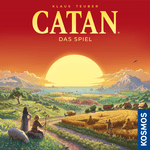
kia ora koutou and welcome to a new series from three minute board games board game basics in board game basics we're going to look at the terminology and technical language used in the board game community all of those weird and wonderful terms that get thrown around by people that no one ever bothers to sit down and explain so here i am sitting down and bothering to explain them in this video we're going to look at different game types and give some definitions for them so if you have ever heard someone say i like euro games and not quite understood what that meant well hopefully after this video you'll have a much better idea so there's almost as many game categories as there are games so these categories are quite broad and blunt instruments and a lot of games don't necessarily fit into just one of them many games straddle multiple different categories but they still act as useful reference points when you're having conversations with people in the hobby and the first one we're going to talk about is euro games back in 1995 a game called settlers of Catan came out in germany and it proved to be a bit of a hit of the game it ended up translated into english and exported and was also a hit and this game started off what could be known as the eurogame revolution some well-known euro games from today include things like food chain magnet and the castles of burgundy what categorizes Euro games are the following traits a preference for wooden pieces over plastic pieces low luck or no luck based systems an emphasis on mechanics over theme and art limited player conflict and low player interaction and one of the really weird things about euro games is they don't have to be designed in europe
euro games became popular in the uk and the us around about 2000 and from that point they've become a staple of the hobby however their introduction led to some conflict with fans of a different type of game american style games also known as ameritrash the american school of gaming was typified by the mb series game master games including such titles as fortress america and axis and allies this led to some heated debates on various board game communities including board game geek about what was better the euro style or the american style of game someone derisively called the american games a amerittrash and the american game fans took that as a badge of honor creating sites such as fortress ameritrash but what is an ameritrash game well one definition could be this plastic pieces over wooden pieces a high emphasis on luck and dice based systems a focus on theme as the core of mechanics rather than putting the mechanics first high player interaction including direct player conflict and sometimes player elimination in general the game has meeples it's a euro if the game has miniatures it's probably a mirror trash and i know some people new to the hobby find that term quite pejorative but it very much started off as a fan of those games using that term to self-identify but i think these days american style game is a better term for them and of course over the years designers have learned from each other
the american and euro styles have sort of blurred together at times euro games are getting better production values american games are learning things mechanically from euros and this combination of ideas is typified in a game like scythe scythe has miniatures scythe has wooden pieces scythe has meeples scythe has a lot of theme but scythe has very euro sort of mechanics it's a hybrid of the two styles a transatlantic game if you would not that anyone uses that term but you might hear the term hybrid game around and that's describing games like scythe another term to describe games like scythe is a kickstarter game and sometimes that term is not used to simply describe that it came from kickstarter it comes with a lot of connotations games like lords of helles or scythe or zombicide or other games that come with a lot of stretch goals a lot of miniatures and a lot of extra content are sometimes called kickstarter games to describe the idea that the flash and the hype of the game somehow outweighs the actual content so when someone calls the game a kickstarter game sometimes they don't mean it's just from kickstarter sometimes that's intended to say the game isn't as good as the ads made it out to be moving along we have abstracts now abstracts are games that don't have a huge amount of theme they rely on the mechanics themselves things like go and chess and santorini now in an abstract game the mechanics will carry the game it can have a little bit of theming but
fundamentally if you took the theme away it wouldn't change the game remotely yes the pieces in chess are knights and rocks and the queen and the king but that really doesn't immerse you in the setting of the game so abstracts are games that really stand alone without a theme there's also party games which are games for four plus players that generally have light simple easy to learn rules and involve high levels of player interaction the intent of party games obviously is to play them at a party or gathering with friends they're also very popular at board game conventions the most popular of these are things like code names the resistance and werewolf some of these party games can accommodate anywhere up to 20 plus people but at that point you're almost becoming a mega game but mega games are outside the scope of this video as are role-playing games
another type of game you'll hear about will be war games now war games include things like paths of glory and are games about conflict they're games about wars and they tend to have several defining features a war game is always about a conflict of some sort between organized military forces it can be a formal war or an irregular war and it can be a historic war or a theoretical war such as a counter-insurgency set on mars or the war of the ring war games also tend to use dice for conflict resolution track individual units and armies on a map and require two or more players to be in direct conflict with each other that's not to say you can't play a war game solo but most war games involve head-to-head play war games also have a tendency towards high complexity and a high degree of simulation
war games can sometimes get confused with tabletop miniature wall games which are quite a different thing in the board game version of a war game you have a map and chits and counters that you move around the board in a tabletop miniatures war game you have models that you put on the table instead
the main difference between board game war games and tabletop miniature war games is the miniatures but it's also rulers and measuring and scenery and terrain that goes on the table most well-known games in this genre are things like warhammer 40 000 x-wing and war machine these games are typified by having a points cost for every unit an upgrade in the game and assigning a point limit to each game played therefore you can assemble a squadron of fighters or an army of troops based on the points limit and the army list you have chosen tabletop miniature wargaming also comes with the painting hobby and a lot of people actually spend more time painting their miniatures than they do playing with them and there's nothing wrong with that i'm one of those people i spent years painting my war machine army and i've also got 40k armies i've gotten rid of and a bunch of others through the years so the defining features of tabletop miniature wall games are painting measurements dice for conflict resolution scenery and terrain and of course the miniatures themselves
another type of game is the collectible card game things like pokemon yu-gi-oh and magic the gathering what defines a collectible card game is its collectible nature some cards will be harder to get than others and you'll have to trade or buy an awful lot of booster packs to get the ones you want each game then requires players to assemble a deck of cards based on the cards they have in their collection there are tournament rules and friendly rules around how you can assemble these decks but ultimately it is the players who make the best utilization of the available card pools that win collectible card games are also notoriously expensive if you really get into them which brings me to living card games which are a sub form of collectible card games these are principally put out by fantasy flight games and include the arkham horror lcg and the retired netrunner the main difference between an lcg and a ccg is in an lcg you buy packs of predetermined cards you know exactly what you're going to get so it takes a collectible aspect of the game away the fundamentals are still the same you still need to assemble the best deck possible out of the card options available it's just generally a lot cheaper to do so and finally we'll run through four other types of game categories quite quickly the first of those is cooperative games and that's games like pandemic and they're games where you're playing as a team against the game itself games like pandemic are sometimes also referred to as gateway games although that's not a term i particularly like i prefer foundation games a gateway game is a game that you can learn basic mechanics from that you can get into board gaming with it's sometimes used dismissively to refer to a game of
low complexity by people who think those games are beneath them but the reality is a good gateway game is good for any gamer it doesn't matter if a game is complex or not all that matters is whether it's fun to you or not there's also small box games which refer to games in very small boxes like mint works and also mini games which refer to games with only about 13 or 14 cards like sprualopolis and finally roll and writes which are games that require you to get a blank sheet of paper usually included in the game and fill information out in it now like all definitions and all attempts to provide any clarity to complex situations or just talking about genres in general no one can really agree on any of these terms i think i've covered a lot of what is generally accepted but there are still debates within each of these terms like is twilight struggle a war game well it's about the cold war but is it a war game but a lot of those details don't really matter if someone says they only play euro games well it's probably not a good idea to roll out paths of glory in front of them if someone says they hate gateway games then asking them to play tick to ride is probably not a good idea and if anyone asks me to cover a party game i just like to remind them i don't cover party games on the channel because i don't damn well play them these videos are made possible by patreon and the patreon shout out to this video is to andrew miller thank you andy for supporting the channel and if you enjoyed this video hit the notification button subscribe to the channel and come support us on patreon