


A Touch of Evil: The Supernatural Game Deep Dive
What the Community Thinks About A Touch of Evil: The Supernatural Game
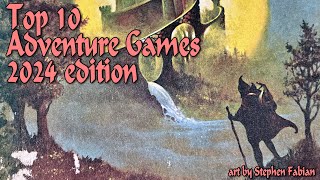
A Touch of Evil: The Supernatural Game, published by Flying Frog Productions and designed by Jason C. Hill, draws its strongest praise for theme. The Dungeon Dive returns to it repeatedly as a game where the setting is felt at the table, and the channel describes it as a board game version of an old Hammer horror movie. The same channel places the game third on its list of top adventure games, where the sprawling map, the theme, and the ability to play solo, cooperatively, and competitively all receive attention.
Reviewers largely agree on what makes the game work: the randomness produces stories rather than tallies. Where opinions split is the artwork. Daniel of The Dungeon Dive acknowledges that the live-action photography and cosplay-style art may read as cheesy and turn some players away, but Daniel treats that boldness as a strength. The main point of agreement on weakness is the finale, which the same reviewers find less engaging than the exploration that leads to it.
Core Mechanics That Define A Touch of Evil: The Supernatural Game
Encounter Decks and Mystery Cards
Each named location on the board, such as the old woods, the inn, the monastery, the manor, the windmill, and the abandoned keep, has its own deck of encounter cards. Daniel explains that a drawn card may call for combat, a stat test, a choice, an item such as a torch or wooden stake, a hunting rifle, or an affliction, and that the unpredictability is the point. A separate mystery card is drawn once per round, which Daniel describes as the way the game fights back against the players. Event cards can be held in a pool and played for their special abilities at the moment a player chooses, giving solo and cooperative players some control over when the randomness is used.
Threat Management and the Town Hall Timer
Minions emerge onto the board and usually march toward the town hall in Shadowbrook. When they arrive, players tick down a timer, and Daniel notes that the game does use a timer but that it feels comfortable rather than oppressive. This pressure is what sets A Touch of Evil apart from the threat management of Arkham Horror, where Daniel feels punished for visiting a location just to see what happens. In A Touch of Evil, Daniel never feels punished for taking the long route to the monastery, and says the game lets players breathe and enjoy its content without playing optimally. Pandemic is the reference point Daniel uses for the co-operative threat management style, and A Touch of Evil borrows some of that tension while keeping it looser.
The A Touch of Evil: The Supernatural Game Experience
Old Hammer Horror Atmosphere
Reviewers describe the table feel as a campy horror anthology. Daniel links the game to the old horror films watched on Saturday mornings growing up and to old British anthology horror movies, saying the sepia pencil-and-ink map art and the photography on the cards sell an old creepy village. The Dungeon Dive also describes the setting as a medieval village in the middle of nowhere, with windmills, old churches, corrupt politicians, and evil working behind the scenes. Daniel admits the look may be a turnoff for some players, but argues that a bold visual identity that does something other games do is what makes a game memorable.
Unhurried Exploration and Narrative Reward
The second feeling reviewers return to is the freedom to wander. Because the threat timer is lenient and the encounters are varied, each side trip tends to produce something worth remembering, whether a fight with the Cult of the Crimson Hand, a blessing, or a relic. Daniel says the exploration of event cards, mystery cards, and items always feels narratively rewarding. Daniel's play sessions illustrate the point: a witch who went mad under persecution, a werewolf camped out at the manor, and a town elder who turned out to be working for the villain all emerged from the draw without planning. Players who prefer stories generated during play will find that this pacing supports them.
What Makes A Touch of Evil: The Supernatural Game Stand Out
Maps and Live-Action Art
The map boards are the most frequently praised physical element. Daniel describes them as having a pencil-and-ink look on old sepia tones, of a really nice size, with art that sells the setting. The Dungeon Dive calls the maps fantastic and describes the sprawling map of the countryside as expansive, which is a large part of why the game feels like exploration rather than a series of tokens. Daniel plays with two boards, Shadowbrook and Echo Lake, and calls two boards the magic sweet spot. Some reviewers find the photographic cards cheesy, but Daniel regards them as the element that most sells the theme.
Versatile Play Modes and Goldilocks Content
The Dungeon Dive says the game plays well solo, cooperatively, and competitively. In competitive play, it works like an old-school Talisman race where each hero tries to defeat the boss, and in cooperative or solo play the threat and encounter systems carry the game. Daniel calls the amount of content a Goldilocks level: enough expansions to satisfy the desire for more, but not so many that the game becomes cumbersome to store, set up, and play. Heroes, bosses such as the Spectral Horsemen, the Banshee, the Sunken Seven, and the Werewolf, and optional tokens give replay variety, and fan-made expansions are available on BoardGameGeek for players who want to print their own.
Potential Drawbacks
A Dice Roll-Off Showdown
The most consistent criticism concerns the finale. Daniel says the confrontation with the villain usually reduces to both sides rolling handfuls of dice, with the side that rolls the most fives or sixes winning. Daniel has taken to resolving it as a single large roll-off, because winning does not make the game more likable and losing does not make it less so. Daniel compares this weakness to the showdown in Arkham Horror Second Edition, which is also found less exciting than the journey. Daniel still rates the game very highly, and the point is that the journey matters more than the destination.
Out-of-Print Expansions and Physical Components
Expansions have moved in and out of print, and at the time of The Dungeon Dive's adventure game list many of them were unavailable, which frustrated players who wanted to complete their collections. The channel expects Flying Frog to bring its titles back into print every couple of years, but it notes that the publisher relies heavily on the evergreen nature of its games. Daniel also finds the miniatures unattractive and out of step with the photographic art, calling them not very high quality and suggesting standees printed with matching art instead. Daniel adds that the miniatures stick out visually against the otherwise strong boards.
If You Enjoy A Touch of Evil: The Supernatural Game
Players who enjoy A Touch of Evil's threat timer and its lenient pressure will find a more demanding version of that tension in Pandemic, the co-operative game Daniel credits with lighting the fire under threat management. Players who enjoy A Touch of Evil's encounter decks and sense of wandering through a dangerous countryside will find similar satisfaction in Arkham Horror Second Edition, which Daniel describes as a game that established the blueprint for modern cooperative and solo play, though it punishes detours more harshly. Players who enjoy the old-school race to defeat the boss in A Touch of Evil will find a familiar structure in Talisman, the game that first lit Daniel's passion for adventure board games.
What Reviewers Are Saying
"This game generates really fun, memorable, and interesting stories without the reliance on tons of text to read to convey the narrative. All of this stuff happens and the thematic qualities of this game are so tight that the randomness always seems to generate something interesting."
— Daniel, The Dungeon Dive
"This game feels like you are playing an old Hammer house of horror movie in a board game. It's creepy but it's cheesy, it's pulpy, it's adventurous."
— The Dungeon Dive
"Usually, at that point, it just comes to the heroes rolling handfuls of dice, the villain rolling handfuls of dice. Whoever rolls the greatest number of fives or sixes the most times wins."
— Daniel, The Dungeon Dive