/pic3429338.png)
/pic4194135.png)
/pic6020854.jpg)
/pic5622932.png)
/pic3429338.png)





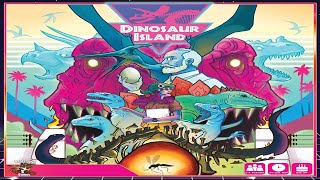
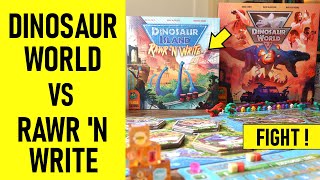




























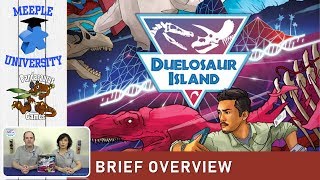
Dinosaur Island Deep Dive
What the Community Thinks About Dinosaur Island
Dinosaur Island landed in 2017 with a burst of energy that the board gaming community still remembers fondly. Reviewers describe the moment of first encountering it as genuinely exciting: a game that combined dinosaurs, a vibrant neon-and-amber 80s aesthetic, chunky custom dice, and a theme park management loop that felt simultaneously familiar and fresh. Foster the Meeple captured the early enthusiasm well, describing it as something unlike anything they had seen before in the hobby. The theme clicked for Jurassic Park fans immediately, and the production design reinforced that feeling at every turn.
The game earns consistent praise for being approachable without sacrificing meaningful decisions. Reviewers agree that the round structure is clear and logical: draft DNA dice, hire specialists, make dinosaurs in the lab, run your park, and manage the thrill-versus-security tension that is the heart of the experience. Once players internalize the flow, it moves quickly. The Dice Tower described the round structure as making "the game flow so well" and being "easy to teach." DaniCha echoed that sentiment after multiple plays, noting that once the rules click it becomes "bam bam bam, I know exactly what I need to do."
Where opinions differ slightly is on how Dinosaur Island sits relative to its successors in the Pandasaurus lineup. Foster the Meeple, having played all four games in the Dinosaur Island family, noted that the original remains a beloved entry point and carries strong nostalgia, but that Dinosaur World represents the fuller vision of the theme park experience. Still, they affirmed every play of the original has been enjoyable, and the community consistently places it among games worth owning for fans of the genre.
Core Mechanics That Define Dinosaur Island
Dice Drafting and DNA Collection
The central action economy of Dinosaur Island runs through a shared pool of amber custom dice. Each round, the pool is rolled and players take turns drafting individual dice, with each die's face determining what type of DNA it provides. This creates an immediately tactile and visually satisfying draft: everyone is competing for the same resources, and grabbing a high-value die before an opponent becomes a genuine tension point. The dice are chunky and distinctive, something multiple reviewers called out as a particular production highlight. Foster the Meeple specifically praised the "beautiful big chunky amber dice" as one of the best parts of the experience, and Allies or Enemies noted that the science element of collecting DNA and spending it to create dinosaurs is a genuinely engaging loop.
The DNA itself feeds directly into the dinosaur creation step. Different color combinations unlock different species, each with varying sizes, threat values, and excitement contributions. Carnivores like the T-Rex deliver enormous thrill to your park but bring serious security headaches. Herbivores are safer but less exciting. Managing this spectrum is where meaningful strategy lives, and reviewers consistently note that the choices feel thematically resonant: you are always weighing the Jurassic Park tradeoff of spectacle versus safety.
Park Management and the Security-Threat Balance
Beyond the draft, Dinosaur Island is a resource management game about building and running a profitable theme park. Players construct paddocks for their dinosaurs, add merchandise stands and food stalls, hire specialists who bend the rules in useful ways, and draw visitors from a bag to fill the park each round. The Dice Tower described this as carefully managing a "thrill meter" while keeping visitors safe, and that tension is the game's signature emotional beat.
The threat and security system is the mechanism that enforces this balance. Every dangerous dinosaur added to your park increases its threat level. When visitors enter, the park checks whether security is sufficient. If dinosaurs break loose, some visitors get eaten, which reduces your income but ironically adds notoriety to your park. The Dice Tower noted the game is "not so punishing that if you don't have enough security your game is over" and that visitors getting eaten "just makes your park more thrilling." This forgiving design means the threat system creates texture and push-your-luck decisions without triggering catastrophic cascades that lock players out of the game.
The Dinosaur Island Experience
A Satisfying Engine That Builds Through the Round
Reviewers consistently describe Dinosaur Island as a game that rewards the process of building something and watching it generate. Each round moves through discrete phases, and as a park grows, more pieces activate during the "run the park" phase. Merch stands generate dice rolls for bonus resources, food stalls produce coins, rides create excitement, dino tours score points for connected buildings, and specialists trigger unique chain effects. DaniCha's playthrough illustrates this well: as roads connected attractions and the tour guide activated, excitement points cascaded and multiple objectives resolved in quick succession. The satisfaction of a productive park phase is real and tactile.
The round structure itself is a key contributor to this feeling. Every player knows what is coming next, and turns move with a pleasing rhythm. Foster the Meeple described the game as "roll some dice, pick some action selection stuff, build some dinos, have fun," and that characterization captures how the design keeps the cognitive overhead manageable. The game is complex enough to generate interesting decisions every turn without overwhelming players in the middle phases of play.
Thematic Immersion Backed by Strong Production
Dinosaur Island's visual identity is one of its defining qualities. The neon color palette, retro 80s graphic design, and oversized custom components all work together to communicate exactly what kind of experience this is before a single die is rolled. Foster the Meeple called out the neon vibes and colorful presentation as immediately exciting when the game first appeared. Board Game Spotlight went further, praising the art as "so neat looking" while describing the overall package as what Jurassic Park the board game should feel like.
The dinosaur meeples became a minor legend in the community. Foster the Meeple spent considerable time discussing them, noting that the original game included one style of dinosaur meeple (pink, which earned bonus points in their view), and that the community had developed a whole culture around upgrade packs and variant meeples. Allies or Enemies admitted that missing out on specific colored meeples from an expansion took time to emotionally process. These are not the concerns of people who are merely tolerating a theme: they are the reactions of players genuinely invested in the physical identity of the game.
What Makes Dinosaur Island Stand Out
A Theme Park Sim That Actually Feels Like a Theme Park
Many games use a theme as wallpaper over abstract mechanics, but Dinosaur Island earns its setting by making every system feel like a natural expression of running a dinosaur park. You collect DNA to synthesize creatures. You build paddocks to house them. You manage the ratio of thrills to security. You draw visitors from a bag and hope the hooligans (pink meeples who sneak in without paying) don't overwhelm your gate. If security fails, someone gets eaten, but that story becomes part of your park's legend and contributes to its notoriety. Board Game Spotlight summarized it simply: "you're building a dinosaur park, and people get eaten, and you're researching dinosaurs and adding them to your pens." That description matches the actual game loop beat for beat.
The visitor bag mechanism deserves particular attention. Drawing meeples from a bag to fill your park carries genuine push-your-luck energy. When the pool is large and the bag is full of paying customers, pulling visitors feels like revenue flowing in. When the ratio of hooligans rises and your security is thin, each pull becomes tense. 3 Minute Board Games highlighted this as the kind of system that creates sustained uncertainty: you are never fully in control of who walks through your gates.
An Excellent and Underappreciated Solo Mode
3 Minute Board Games offered what may be the most enthusiastic take on any aspect of Dinosaur Island: the solo mode. In it, players race against a set of objective cards that disappear each turn if not completed, while an AI drafts dice away from the available pool. The reviewer described this as "more engaging than when I play it multiplayer against other people" and noted that the challenge of the objective cards creates a compelling decision space around timing and prioritization. That assessment held strongly enough that they identified the solo mode as "the main reason I'm still holding on to the game." DaniCha's playthrough corroborated this, showing how objectives focus the session and give every decision a clear purpose. For players who enjoy solo gaming, Dinosaur Island offers a mode that reviewers rank among the more satisfying in the medium-weight genre.
Potential Drawbacks
Table Presence and Setup Time
Dinosaur Island is a large game. Foster the Meeple called it "a huge, sprawling game that takes up a nice big chunk of your table," noting it is not a game you can pull out at an airport or in a cramped space. 3 Minute Board Games mentioned "a bit of a table hog and does take a while to set up" in the same breath as praising the solo mode. The shared action board, individual player mats, DNA boards, specialist rows, building tiles, visitor bag, and dice pool all need to be deployed before play begins. For groups with limited space or limited patience for setup rituals, this is a genuine friction point.
Foster the Meeple's comparison of Dinosaur Island to its successor, Dinosaur World, is instructive here: they noted that both games take a lot of space, so that distinction is relative. Still, for players who are weighing which entry point to the series makes most sense for their situation, the setup burden is a real consideration. Shorter game modes (the game supports short, medium, and long configurations) help, but the physical footprint remains constant regardless of chosen game length.
The Original Has Been Eclipsed by Its Successors
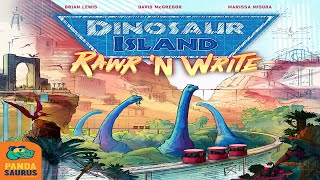
Foster the Meeple delivered a candid and nuanced verdict on where the original Dinosaur Island sits in relation to its sequels: they love it and have nostalgia for it, but they acknowledged they are unlikely to go back to it now that Dinosaur World exists. Their recommendation for new players who want the richest dinosaur park experience was to pursue Dinosaur World first, as it represents the "final form" and "fully fleshed out version" of the design. The roll-and-write Dinosaur Island: Rawr 'n Write was praised as an excellent space-efficient alternative that still captures the core experience.
This is not a condemnation of the original. Reviewers across the board speak fondly of it, and Allies or Enemies placed it at number 54 on their all-time list. But for players making a first purchase in the series, the community now tends to guide them toward later entries. The original Dinosaur Island is the game that defined the vision; the sequels are the ones that fully realized it.
If You Enjoy Dinosaur Island
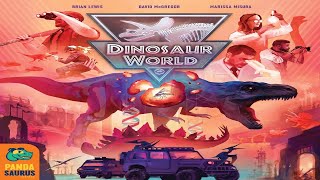
The natural next step in the series is Dinosaur World, which expands the park-building concept with hexagonal tile placement, jeep tour mechanics, and a larger physical footprint. Reviewers describe it as the pinnacle of the theme. Dinosaur Island: Rawr 'n Write captures the DNA drafting and park construction in a compact roll-and-write format, ideal for players who want the Dinosaur Island feel with less setup. For broader park and network building experiences, The Networks explores similar territory with a television station theme, and its solo mode uses an AI opponent that takes cards away from you in a manner the community compares directly to Dinosaur Island's solo design. Players who enjoy the theme park management angle may also appreciate zoo builders and tycoon-style games that scratch the same simulation itch Dinosaur Island evokes.
What Reviewers Are Saying
"I love the way this game kind of flows each round. Each step in the round has an area you're going to be taking an action on. So it makes the game flow so well, it makes it easy to teach. It's a game that is all about managing the different aspects of your park, but it's not so punishing that if you don't have enough security your game is over. Sure, some visitors might get eaten, but that just makes your park more thrilling."
— The Dice Tower
"I don't dislike dinosaur island as a multiplayer game but I actually really enjoy its solo mode. You have a limited number of turns to complete set challenges and each turn one of those challenges goes away if you don't manage to achieve one and this leads to a great decision space where you've got all these objectives that you have to hit throughout the game and you have to choose when to go for each one. In fact the solo mode's the main reason I'm still holding on to the game."
— 3 Minute Board Games
"When this game came out, boy was I excited. Number one, I love dinosaurs. Number two, they're on an island, that's kind of cool. It also had very 80s vibes, very colorful, you know, not typical board game color either. This game came out and everybody was so so excited. We've loved every play of this."
— Foster the Meeple