




Secret Identity Deep Dive
What the Community Thinks About Secret Identity
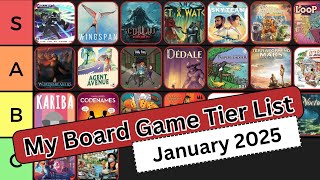
Reviewers who have played Secret Identity describe it as a light, funny party game that gets better as the table gets bigger. Kimberly played it at a Board Game Geek convention and singled it out as a strong pick for large groups. Just the Road placed it in a list of games for six or more players, and Isas gave it an A in a monthly ranking, calling it very tough but always fun. The Weekly Album group treated it as a good time with a rough edge, and Family Plays Games talked about it as a game that one member had played at a convention, and the others responded with interest.
The agreement is strongest on the social side of the game. Reviewers enjoy watching a room of people try to read each other's clues. Disagreement shows up around the physical components and the difficulty of the clues, which some players find charming and others find fiddly.
Core Mechanics That Define Secret Identity
Hidden Roles
Each player is handed a secret identity, and the table is built around a shared set of eight characters. Just the Road explained that every player receives a numbered key from one to eight that reveals which character belongs to them, and that the key stays hidden from everyone else. Kimberly described the same idea from the clue-giver's side: you look at the pictures in your hand and offer hints about whether you are the character in the middle of the table or not like your character at all. The hidden part is less about separate goals and more about a single hidden answer that the rest of the table is trying to work out. Because the game asks everyone to guess one another's identities, the secret serves the guessing game rather than creating distinct win conditions.
Image Deciphering
The clues are the heart of Secret Identity. Players place small picture cards on their boards to describe their character, and the Weekly Album group likened the symbols to little hieroglyphics. Just the Road noted that placement carries meaning as well: cards further to the right are more relevant to the character, and cards further to the left are not relevant at all. Everyone lays out clues at the same time, then the boards are passed around so each guesser can read the clues and slot a numbered key behind a flap to name the character they think is being described. Family Plays Games summed up the design by saying that some clues will not really help, and that some people will latch onto the wrong ones, which is pretty much the whole point. The limited supply adds a layer of planning, since Just the Road pointed out there are only ten Picto cards for the whole game, so spending them early leaves fewer for the final round.
The Secret Identity Experience
Chaotic Group Reveals
Kimberly's favorite moment came at the reveal. Every guess is made at once, and when the boards are turned over the group can see how a clue drifted from the character it started with to the guess that landed on it. Kimberly compared the feeling to Telestrations and called it absolutely hilarious. The Weekly Album group described a similar energy, with one player's character being Indiana Jones and the rest of the table reading a snake and a globe as clues that pointed in the wrong direction. The unexpected crossovers are a big part of the fun, and the reveal is where the table's reactions come out.
A Creative Puzzle About Yourself
Where the reveal is comedic, the clue-giving is a creative exercise. Just the Road said that the game sparks the creative part of your brain, and noted that you need to know your character well enough to offer clues that actually describe them. Isas found the game very tough but said it is always fun. The Weekly Album group noticed that everyone describes their identity at the same time, so the table fills with overlapping clues that each player has to sort through.
What Makes Secret Identity Stand Out
Picture-Driven Presentation
Family Plays Games was positive about the physical presentation. The reveal uses a suitcase with little keys that you swap in, and the speaker said it looks really nice, with the caveat that the core experience is still guessing characters with picture cards. The Weekly Album group also liked the minimal artwork. The picture cards are simple enough to read quickly but open enough to support the cross-table confusion that makes the game work.
Scales Well With Large Groups
Group size is where reviewers are most enthusiastic. Kimberly said the game is great with a big group, and described playing it with a crowd of friends estimated at eight or ten people. Just the Road said the game plays up to eight and that adding players does not slow it down, because the only real waiting is on the slowest player, and each extra person adds another chance to guess correctly. Kimberly also noted that everything happens simultaneously in each round, from giving clues to guessing, so no one is left waiting through a long turn order.
Potential Drawbacks
A Fiddly Key Mechanism
The Weekly Album group's clearest complaint concerned the reveal. A speaker described the implementation as broken, explaining that the key goes into the reveal window face up when it should go in face down. The result, they said, is frustrating and annoying during the moment the table is waiting to see the answer. The same speaker recalled that a later revision would fix the issue, though they did not seem to think it was worth much concern. It is a production problem more than a rules problem, but it lands right at the reveal, which is one of the best parts of the game.
Needs Knowledge of the Characters
Just the Road pointed out that the game asks you to know who your character is, or at least know them well enough to offer useful clues. In one game, a player in their early teens did not know half of the characters on the table, and the group had to keep shuffling and redealing to get rid of the unfamiliar ones before real play could start. The limited Picto supply also means that spending cards early leaves fewer for later rounds, as Just the Road warned. Isas found the game very tough, and that difficulty will reward players who enjoy careful clue-giving while frustrating players who want a quick, low-stakes round.
If You Enjoy Secret Identity
The clearest comparison among the reviewers was Telestrations. Kimberly described the group reveal as feeling like Telestrations, where a message drifts from its starting point and the table gets to watch the change. Players who enjoy that style of laughter will likely recognize the appeal here, although Secret Identity relies on picture cards from your hand rather than drawings.
Dixit and Codenames sit alongside Secret Identity on the clue-based party shelf, worth a look if the appeal here is reading a room full of clues. Dixit also uses pictures as the clue, while Codenames is a word-based clue game for groups. No reviewer drew a direct comparison between Secret Identity and either one, so treat them as neighbors on the shelf rather than verdicts from the reviewers themselves.
What Reviewers Are Saying
"It's kind of like playing Telestrations, and then everyone reveals. Oh, this is where it went to, this is where it started. Very, very fun to watch that kind of devolve. Absolutely hilarious."
— Kimberly
"It's good fun, the more the better. I do like a fun game that sparks the creative part of your brain."
— Just the Road
"The way you feed the key in is face up, but it should be face down. Way you do the keys ends up just being frustrating and annoying."
— The Weekly Album