Game Info
Collection
Your Tier
Loading…
Mechanic profile
Not enough video data yet
Vibe profile
Not enough video data yet
Description
The Network takes classic top-down shooting and adds a twist, you never fire a bullet. The Network is a total immersion top down shooter and has a fully integrated story including an unforgettable ending. The Network delivers a unique atmospheric experience and addictive game play. The Network is a memorable experience thick with atmosphere and flush with style.
Source: The Developer Website.
Featured Videos

Playthrough
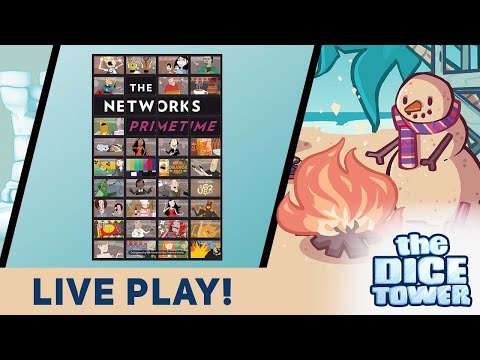
Live Play - The Networks Primetime
Ask a Rules Question
All mentions
Browse transcript mentions, sentiments, pros/cons, mechanics, topics, quotes, and references.
Total mentions: 4
This page: 4
Sentiment:
pos 4 ·
mix 0 ·
neu 0 ·
neg 0
Showing 1–4 of 4
Video XjMVQkB6JRY
BoardGameGeek Top List at 12:33 sentiment: positive
video_pk 4983 · mention_pk 14822
Click to watch at 12:33 · YouTube ↗
Overall sentiment (raw)
positive
Pros
- strong thematic connection to the TV industry
- silly but charming art and punning shows add character
- puzzle-like scheduling with clear mechanics
Cons
- complexity can be a barrier for new players
- requires careful tracking of aging shows
Thematic elements
- television production, ratings, advertising, and star power
- TV network management with shows and prime time slots
- thematic but puzzle-like
Comparison games
none
Mechanics (from transcript analysis)
- aging/season progression — shows age across rounds, affecting viewer trajectory
- Pattern Building — place shows into time slots with varying requirements
- pattern-building / slotting shows — place shows into time slots with varying requirements
- Resource Management — use money to hire stars and fund ads to boost viewers
- resource management (money, viewers, stars, ads) — use money to hire stars and fund ads to boost viewers
Video topics + discussion points
No key topics recorded for this video.
Quotes (from this video)
- time is an illusion
- it's a very linear game where you are going through the seasons
- everything you're doing makes sense in that world
- I think it's really, really cool
- I love distilled. It's got a lot of good sneaky theme in there
- this linearness really lends itself to the thematic tie-ins
References (from this video)
No references stored for this video.
Video y1Djm1E1rJc
3 Minute Board Games Review at 2:29 sentiment: positive
video_pk 2968 · mention_pk 8665
Click to watch at 2:29 · YouTube ↗
Overall sentiment (raw)
positive
Pros
- Tightly designed drafting with meaningful, interconnected decisions
- Effective parody through trope-driven humor rather than direct references
- Artwork and light humor appeal to many players
- Short game length (five rounds) with rewarding long-term planning
Cons
- Art style may not land for all tastes
- Occasional misalignment between available cards and player plans
- Humor and references might not translate to every group
- Expansion can significantly alter balance and experience
Thematic elements
- Parody of the television production ecosystem, ratings-driven strategy, and media tropes
- Television network industry with a satirical, tongue-in-cheek portrayal; modern to contemporary TV environment
- Trope-driven parody that leans on recognizable industry cliches
Comparison games
- Grave Robbers from Outer Space
- Museum
Mechanics (from transcript analysis)
- Drafting — Players alternate selecting cards from a central pool to assemble a lineup of shows, stars, ads, and network cards.
- Engine Building — Attaching stars and ads to shows creates ongoing effects that influence future scoring and income/viewership.
- engine-building — Attaching stars and ads to shows creates ongoing effects that influence future scoring and income/viewership.
- Resource Management — Gaining money and viewers via ads and network cards to fund actions and development.
- Season progression — Shows age by seasons; reruns are archived; end-game scoring hinges on accumulated viewers.
- Set Collection — Accumulating shows and types to trigger bonuses and scoring opportunities.
- Track Advancement — Shows age by seasons; reruns are archived; end-game scoring hinges on accumulated viewers.
Video topics + discussion points
No key topics recorded for this video.
Quotes (from this video)
- the network's, despite its appearance is a very solid drafting euro game with an element of set collection and engine building as well
- the best thing about this game is how it handles parody. it relies on tropes rather than direct statements so this character isn't juice Billis for example
- the game is only five rounds long and planning what your channel will look like as the game goes on it's quite rewarding
- But that's not why I play the game. I play it because it's a nicely designed sharp card drafting game
- and if you like set collection and drafting you could also consider museum
- grave robbers from outer space
- the networks: crappy television, quality
References (from this video)
No references stored for this video.
Video bT35LJfUKlM
BoardGameGeek Top List at 12:37 sentiment: positive
video_pk 2084 · mention_pk 6058
Click to watch at 12:37 · YouTube ↗
Overall sentiment (raw)
positive
Pros
- the production and theme are standout
- tight, clever theme integration
- replayable with varied show ideas
Cons
- art style is polarizing
- some may find the pace slower
Thematic elements
- TV shows, scheduling, and viewer metrics
- television network management and production
- clever pun-filled show concepts with a meta-theme
Comparison games
- Terraforming Mars
- Great Western Trail
Mechanics (from transcript analysis)
- Compound Scoring — punny show names and tile interactions determine points
- Hand Management — players manage show cards to maximize viewers
- Set Collection — shows advance seasons, influencing future scoring
- set collection / timing — shows advance seasons, influencing future scoring
- theme-based scoring — punny show names and tile interactions determine points
Video topics + discussion points
No key topics recorded for this video.
Quotes (from this video)
- Flavor text is absolutely on point because these cards that you're collecting are just kind of colors.
- I melted my brain. It was just like way too heavy for me.
- Star Wars in a box. This is Star Wars in a box.
- I absolutely love the original Clank.
- This is a cooperative programming game where you need to do one of them… it’s so much fun.
- I love the networks.
- I really like tiling games in general. I like citybuilding games and Quadropolis adds that really extra interesting unique uh tile selection mechanism.
- Feast for Odin is a game where you are Norwegians. It is just so darn good.
References (from this video)
No references stored for this video.
Video JKfdEOZ3ras
The Dice Tower Playthrough at 0:00 sentiment: positive
video_pk 1737 · mention_pk 5017
Click to watch at 0:00 · YouTube ↗
Overall sentiment (raw)
positive
Pros
- Theming aligns tightly with gameplay, delivering a cohesive TV-network experience
- Engaging player interaction and negotiation during drafting and card use
- Humorous and entertaining playthrough with friends that celebrates pop culture and TV tropes
Cons
- Rules can be dense and the turn structure can feel long or fiddly for new players
- Game can lean toward chaotic moments with heavy interaction and numerous moving parts
Thematic elements
- Building and managing a TV network by scheduling shows, placing ads, and contracting stars to maximize viewer numbers
- Pre-streaming era television; networks compete for time slots, audiences, and ad revenue
- Satirical, lighthearted look at TV industry with humorous banter
Comparison games
- None explicitly named as direct competitors in this episode
Mechanics (from transcript analysis)
- Action selection and timing — Players choose actions (launch shows, hire actors, place ads) and slot them into day or night timeslots to maximize viewership.
- Budget and resource management — Players manage money to launch shows, hire talent, and place ads, affecting income and endgame scoring.
- Card Drafting — Players draft pilots, shows, ads, and actors to build a lineup for their network.
- Celebrity/advertising synergy — Stars and ads can boost a show's performance, but require budgets and slot timing to maximize return.
- Drafting and card drafting — Players draft pilots, shows, ads, and actors to build a lineup for their network.
- Reruns and aging shows — Shows move through a rerun track; endgame scoring is influenced by reruns and ongoing income.
- Resource Management — Players manage money to launch shows, hire talent, and place ads, affecting income and endgame scoring.
Video topics + discussion points
No key topics recorded for this video.
Quotes (from this video)
- In this game, we each own our own TV network.
- It's before the streaming era, so you have to watch shows at a time slot.
- AllPlay is releasing this reworking of a game originally published by Formal Ferret Games.
- The ads help. That show was normally cost you three million a turn, but it's running it for me.
References (from this video)
No references stored for this video.
Transcript Navigation
Showing 1–4 of 4