















Wok and Roll Deep Dive
What the Community Thinks About Wok and Roll
Wok and Roll has cultivated a devoted following, particularly among solo players seeking quick, satisfying experiences. Reviewers consistently praise its execution and theme, though responses split on whether it delivers enough strategic depth and excitement. The consensus leans positive: this is a comfort game that works, with beautiful presentation and inclusive design. Crimsonboardgames and The Board Game Garden describe it as a personal obsession and go-to comfort pick. The Dice Tower ranks it among the top 10 food-themed games ever made. However, Rolls in the Family delivers a more skeptical take, arguing that the game lacks the dramatic peaks and push-your-luck tension that elevate other dice games. The truth appears nuanced: Wok and Roll excels at what it sets out to do, but not everyone seeks what it offers.
Core Mechanics That Define Wok and Roll
Flip and Roll and Write
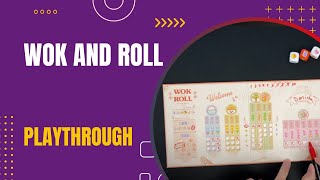
At its heart, Wok and Roll is a roll-and-write game designed by Daryl Chow (publisher Origame). Each round, all players share the same die roll input, but interpret it independently on their own menus. This is the genius of the genre: one public action, six private strategies. Players roll up to three times, keeping any dice they choose, then use the resulting ingredient faces to fill boxes on their menus. The simple menu requires matching two rice and one shrimp to complete a dish; the advanced menu adds pantry management and unlockable specialties. Because the same roll is public, all players stay engaged every turn. No one sits idle. The rolling player sees red dice; everyone else sees white dice, adding tactical nuance in multiplayer: choosing which dice to keep matters for both you and your opponents.
Recipe and Compound Scoring
Recipes are the currency of Wok and Roll. Each completed dish (a specific combination of ingredients crossed off) earns a base point value, then multiplies through secondary scoring systems. The simple menu groups recipes into columns: complete all rice dishes and earn a bonus. The expansion menus introduce skill trees and specialty bonuses that layer on top. A successful menu generates points from the main dishes, ingredient bonuses, skill unlocks, and sometimes spectacular specialty-focused completions worth far more. This compound system keeps strategic choices alive throughout: do I complete this low-value dish now for the column bonus, or hold out for a higher-payoff specialty? The fridge mechanic (one free ingredient of each type per game) and recipe book wildcards add resource management tension. Reviewers noted that this structure ensures every roll produces something usable, avoiding the frustration of wasted turns.
The Wok and Roll Experience
Quick, Satisfying Progress
The defining feeling is velocity. A full game runs 25 to 30 minutes, often closer to 15 minutes in solo play. Reviewers emphasize how briskly the game moves, even with the advanced menu's added complexity. Each turn is short: roll, allocate dice, mark the sheet, then pass to the next player. There are no long turns where one person thinks while others wait. This creates a rhythm that feels less like a strategy simulation and more like a satisfying ritual: you roll, you see options, you choose, you mark, and immediately something is crossed off. The game provides consistent, visible progress. Brains On Games noted that this structure keeps engagement high because every turn brings something new to work with.
Cozy, Comfort-Game Vibes
Multiple reviewers describe Wok and Roll as a comfort game in the truest sense. The Board Game Garden called it very comforting and very warm, describing the act of cooking Asian dishes on the menu sheet as something that genuinely brings them happiness. The Asian cuisine theme, rolling dice to cook dishes for a restaurant, combines immediate, relatable flavor with low stakes and no confrontation. The wok itself (the dice tray included in the box) adds thematic resonance: rolling dice into a wok rather than shaking them in a cup creates a sensory experience that feels more connected to the game's setting than a generic cup would. Crimsonboardgames streamed multiple plays with genuine enthusiasm, chatting about the game's charm while cooking virtually. This is a game people want to play again not because they're chasing optimization, but because the act of playing it is pleasant.
What Makes Wok and Roll Stand Out
Every Player Stays Engaged Every Turn
In most roll-and-write games, the rolling player acts while others wait. Wok and Roll breaks that pattern. The multiplayer variant uses red and white dice: the rolling player uses all six dice faces, while opponents use only the white ones. This simple split keeps everyone involved. Brains On Games highlighted this as a standout feature, noting that not only were players getting everything from every single roll of the dice, maybe not always the thing they wanted, but they were always getting something, with every player involved in every roll. Even if you can't use the rolling player's red die faces, you can still benefit from the white dice. No dead turns. No watching others play while you wait. The structure feels inclusive in a way that honors each person's time at the table.
Thematic Presentation and Beautiful Artwork
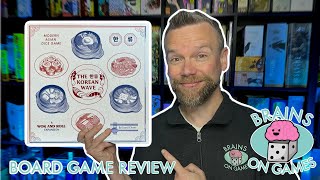
The wok dice tray is more than a novelty; it grounds the game's theme physically. Rolling dice into a wok is thematically accurate and creates a tactile, memorable action. The Korean Wave expansion elevates this further: its menus feature vibrant, detailed illustrations of actual Korean dishes (bulgogi, kimchi, various stews and sides). Reviewers described these boards as stunning and worth looking at even between turns. The Dice Tower's Tom Vasel emphasized that the expansion brings in Korean dishes he loves and adds rules that make the game better overall. The game's visual identity, warm colors, food photography, a clean layout, all reinforce the cozy atmosphere. Components matter for comfort games, and Wok and Roll delivers on this front.
Potential Drawbacks
Limited Strategic Excitement for Some Players
Rolls in the Family's Ryan offered the sharpest critique: the game just really lacks any kind of excitement and drama compared to other games. He compared it unfavorably to Sausage Sizzle, which offers shoot-the-moon opportunities and high-variance moments where a single roll changes everything. In Wok and Roll, most rolls are useful but steady. There are few moments of genuine surprise or risk. You're not gambling or pushing your luck in the way that makes dice games thrilling for some audiences. The strategy, while present, is muted: you can generally mark something useful each turn, but you rarely feel cornered or forced into a high-stakes call. This is intentional design, Wok and Roll is not trying to be a pressure cooker, but it means the game sits in a medium band of excitement rather than soaring.
Expansion Value Proposition
The Korean Wave expansion divides opinion. The Dice Tower and Brains On Games both recommend it enthusiastically, praising the skill tree mechanics and kimchi ingredient system. The Board Game Garden, however, expressed reservation: at nearly 50 dollars, it essentially adds four new menu boards and minor rule tweaks. If you already own the base game, the core loop remains identical. The expansion feels most valuable for players who are already committed to Wok and Roll and want to deepen their engagement. For players sampling the base game, the expansion is a future consideration, not a day-one purchase. Some players simply will not feel the expansion justifies its cost for what amounts to variant menus rather than systemic overhauls.
If You Enjoy Wok and Roll
If Wok and Roll's quick, satisfying roll-and-write loop appeals to you, consider Come Sail Away or Overparked, both designed by Daryl Chow, the creator of Wok and Roll. Both follow similar design sensibilities: light rules, fast play, and satisfying solo modes. You might also explore Quite Clever, which carries the same spirit of every roll being useful without any dead turns. Sausage Sizzle sits on the opposite end: it's a dice game with higher variance and push-your-luck moments, good if you want more dramatic tension. Most importantly, if Wok and Roll resonates with you, don't sleep on The Korean Wave expansion. While the core loop stays the same, the additional menus and skill tree mechanics give dedicated players fresh strategic paths. The game's comfort-game status means you'll likely return to it often, and the expansion extends that appeal.
What Reviewers Are Saying
"It is a really fun game. It really, really, really is, I have to say. It's very quick and easy, and you keep playing. I definitely keep going back to it. It's absolutely wonderful. I love it."
— Crimsonboardgames
"Not only were you getting everything from every single roll of the dice, maybe not always the thing you wanted, but you're always getting something. Every player is involved in every roll."
— Brains On Games
"It is just very comforting, very warm. You're cooking these different Asian dishes, and it just makes me really, really happy."
— The Board Game Garden