/pic2482309.jpg)
/pic1196191.jpg)
/pic6091316.jpg)
/pic1805937.jpg)
/pic4287832.jpg)
/pic2482309.jpg)
/pic3564805.jpg)
/pic4023671.jpg)
/pic4748836.jpg)

/pic6940547.jpg)
/pic6619019.jpg)
/pic7177337.jpg)













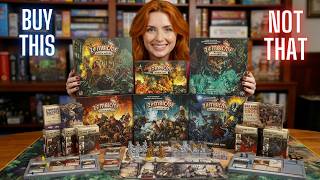






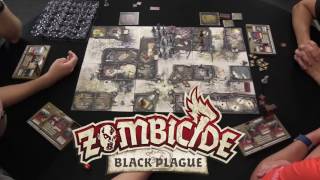




Zombicide: Black Plague Deep Dive
What the Community Thinks About Zombicide: Black Plague
Zombicide: Black Plague stands out as a beloved cooperative experience that combines tactical decision-making with the pure joy of rolling dice and battling undead hordes. Reviewers consistently praise the game for capturing the essence of adventure while maintaining accessible, intuitive mechanics. The fantasy medieval setting gives the familiar zombie-slaying formula fresh energy, transforming players into peasants, nuns, and warriors fighting off necromancer-raised undead in a realm of swords and sorcery. Whether played for the thematic adventure or the satisfying combat flow, Black Plague delivers memorable sessions that feel cinematic and exciting.
Core Mechanics That Define Zombicide: Black Plague
Dice-Rolling Combat with Narrative Impact
Combat lies at the heart of Black Plague, and it's governed by straightforward dice mechanics that feel thematically perfect. Each weapon card clearly displays the range, number of dice rolled, the target number needed, and damage inflicted. A hunter with a crossbow might roll one die hitting on a 3 or better, while a warrior with a great sword could roll several dice with varying success thresholds. The beauty emerges from how weapons interact with damage output and how failure creates dramatic moments as enemies close in. Wounds stack on character boards, creating tension around armor and shields that can mitigate hits. The dice don't just determine outcomes, they paint vivid pictures of characters making desperate last stands or miraculous escapes.
Escalating Threat Through Experience and Leveling
As characters slay zombies and complete objectives, they gain experience points that unlock new abilities and additional actions. This creates a dynamic difficulty curve where the game scales with player success. As threat level increases, zombie spawns intensify and become more dangerous, bringing new zombie types like Runners and Fatties. This feedback loop means players never feel like they're dominating, yet victory always feels achievable through clever positioning and resource management. The threat system forces meaningful strategic choices about whether to clear an area or push forward for objectives, knowing that further progress will trigger heftier opposition.
The Zombicide: Black Plague Experience
A Horde-Based Adventure Filled with Tactical Tension
Black Plague transforms the zombie apocalypse into a medieval fantasy dungeon crawler. Scenarios present clear objectives like rescuing villagers or escaping a doomed settlement while hordes of zombies spawn from fixed locations. The cooperative nature means all players work together against the system, though individual characters take turns activating. Each scenario feels like an adventure rather than a puzzle to solve, with twists that arise from zombie spawning patterns and the noise system. Players must coordinate to manage approaching undead while juggling limited action economy. There's a constant push-pull between wanting to clear threats and needing to progress toward objectives, creating scenarios where tactical retreat and sacrifice become valid strategies. Even when a scenario tilts toward defeat, the narrative unfolding through play remains compelling.
Medieval Fantasy Theming That Elevates the Base Concept
Setting the zombie apocalypse in a fantasy medieval world gives Black Plague distinctive flavor compared to modern zombie games. Characters wield crossbows, swords, and magic spells while facing necromancers raising the dead. This thematic shift brings surprising freshness to zombie fiction. Reviewing the special abilities attached to characters like a nun with bloodlust powers or a warrior named Baldrick highlights how the setting opens narrative doors unavailable in contemporary zombie settings. The weapons feel appropriately medieval, the dungeons and villages create authentic fantasy atmosphere, and the tone swings between grim peril and dark humor, much like sword-and-sorcery adventure tales.
What Makes Zombicide: Black Plague Stand Out
Scenario-Based Design That Rewards Replayability
Unlike lengthy campaign systems, Black Plague uses self-contained scenarios that complete in 60 to 90 minutes. Each scenario presents unique objectives and board layouts, encouraging players to return for multiple playthroughs. The game comes with numerous scenarios out of the box, and the rulebook mentions additional modules available through expansions that alter difficulty or introduce new mechanics. This scenario structure means groups can jump in without commitment while still feeling progression. Replayability comes from discovering winning strategies, trying different character combinations, and experiencing the variety of objectives that transform moment-to-moment play.
Intuitive Rules That Welcome New Players
Black Plague achieves something difficult: making a game with dozens of zombie miniatures and numerous special abilities feel simple to teach. The plastic dashboards help organize character information, and weapon cards are self-explanatory with icons showing what you roll and what you hit. New players grasp the core loop quickly. Moving and attacking become natural actions. The noise system, while adding strategic depth, emerges naturally from the theme. Doors work intuitively, and searching for items follows predictable patterns. This accessibility means groups can teach the game and begin playing within minutes, yet the strategic space remains deep for experienced players who understand threat escalation and positioning.
Potential Drawbacks
Variable Game Length and Setup Intensity
Some scenarios can stretch well beyond their listed playtime, particularly in early difficulty levels where zombie spawning remains manageable. Setup requires organizing components and placing map tiles correctly. The game's depth of components, while impressive, means teardown takes time. Groups playing with expansions or additional survivor packs face even more setup overhead. For players seeking quick gaming sessions, Black Plague demands commitment. The escalating threat system, while mechanically sound, means some sessions pivot from manageable to overwhelming quickly, creating pacing that doesn't always feel gradual.
Cooperation Demands Engagement From All Players
As a fully cooperative game, Black Plague requires all players to remain invested in the shared narrative and tactical problem-solving. Turns where a player faces limited useful actions can create downtime if the group moves slowly. The game punishes analysis paralysis since there are limited optimal paths in complex scenarios, yet groups that want to discuss every turn may find themselves stretched thin. Additionally, the game's difficulty can feel swingy, with some scenarios tilting toward inevitable loss by midway through if early zombie spawns prove unlucky. Groups expecting consistent challenge levels might encounter frustrating blowout sessions in either direction.
If You Enjoy Zombicide: Black Plague
Fans of Black Plague should explore the broader Zombicide series, including Zombicide: Invader, which brings the same dice-rolling cooperative action to a sci-fi alien setting. Dead of Winter offers a thematically grounded zombie experience with deeper narrative weight and the threat of hidden betrayal. Arkham Horror and Descent provide comparable dungeon-crawling experiences with different settings and mechanical flavors. For those drawn to the adventure aspect without the undead focus, Clank delivers similar cooperative dungeon exploration and deck-building mechanics. Players who love dice-heavy games should try Too Many Bones, which centers on character progression through dice manipulation, or Gloomhaven for a campaign-style tactical adventure.
What Reviewers Are Saying
"Black Plague is one of the most well produced games I've ever seen. The rule book is clear, the dashboards are a game changer, the miniatures are excellent. If you don't like cooperative games or you don't like dice rolling, there's nothing here to change your mind, but for me this is the most fun I've had playing a zombie killing game. It feels like an adventure every time."
— Actualol
"It's the fun of the game, so splashy. You're rolling a ton of dice. You're just blasting away. And I think that's something that especially Zombie Side, came into our board gaming life rather early. This was something that was just like very different and cool. It's cool to get these different weapons, have these different abilities, and with that different dice to roll."
— BoardGameGeek
"The game just wants crazy action. You just want a good time. Zombie side, you get hordes and hordes of zombies. It's such a simple game to get into. You basically pick a character, they have some weapons. The weapons are easy to understand. And they basically say if you got this weapon, roll this dice. Your dice decide if you hit or you miss."
— Board Game Coffee